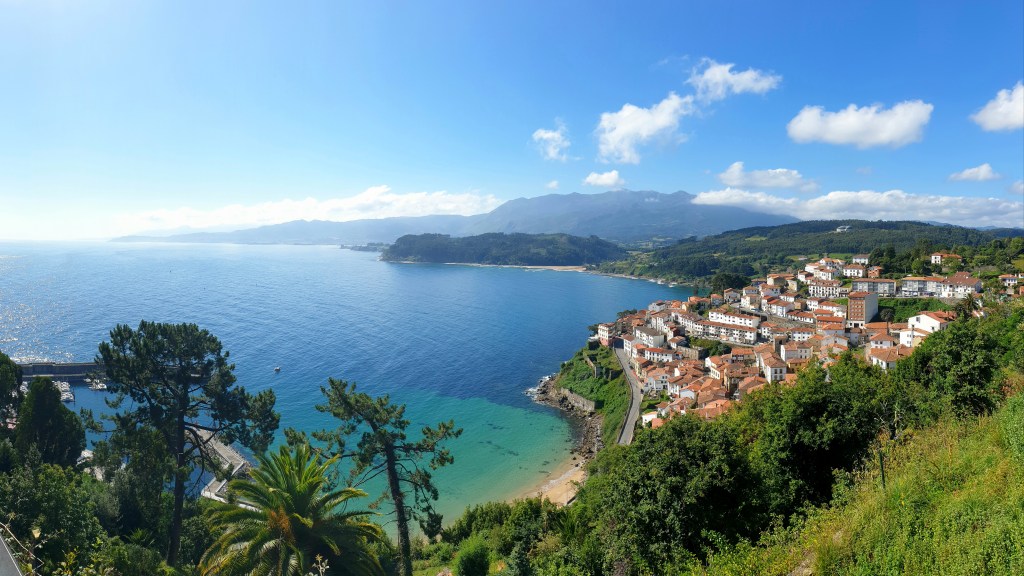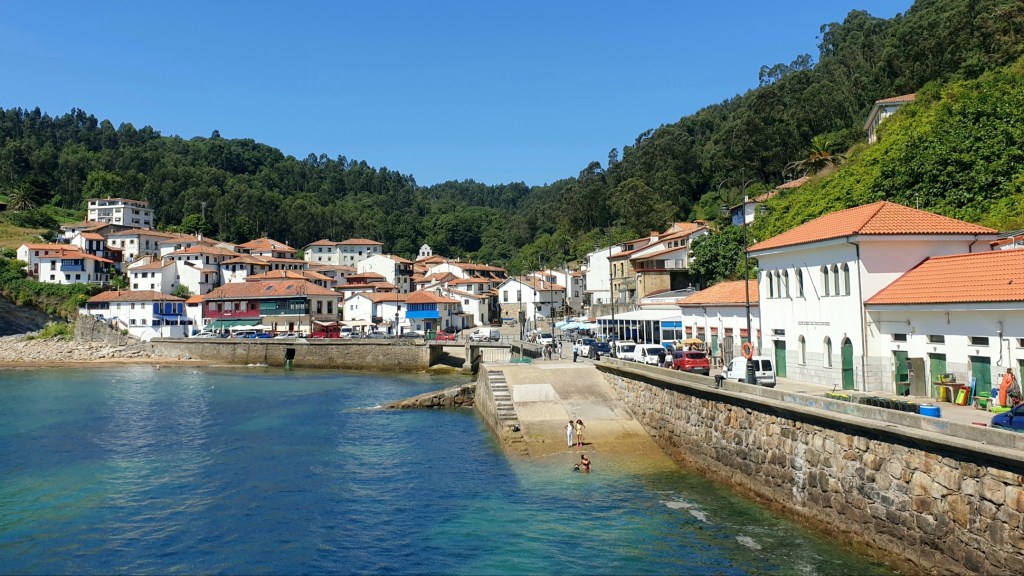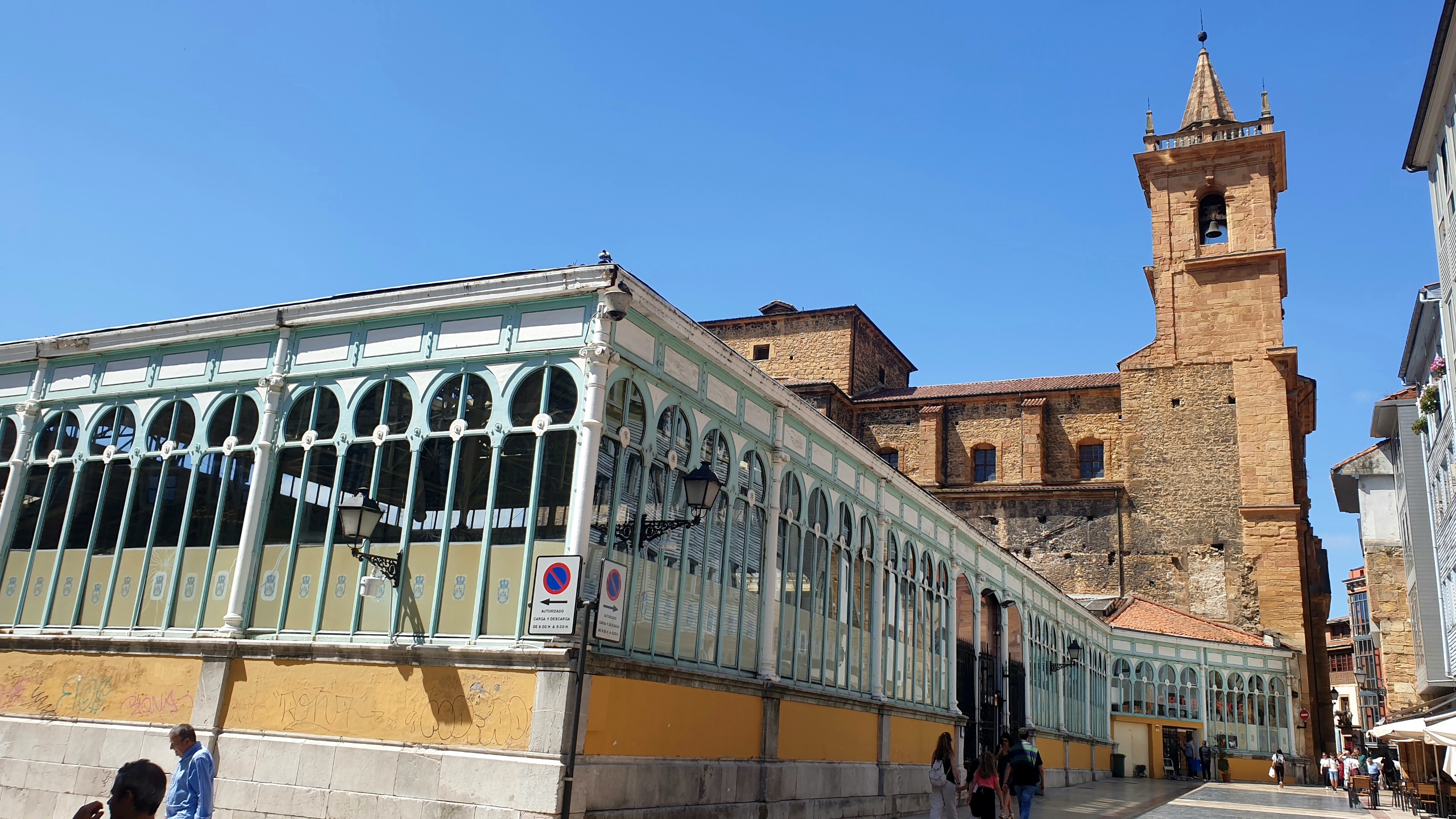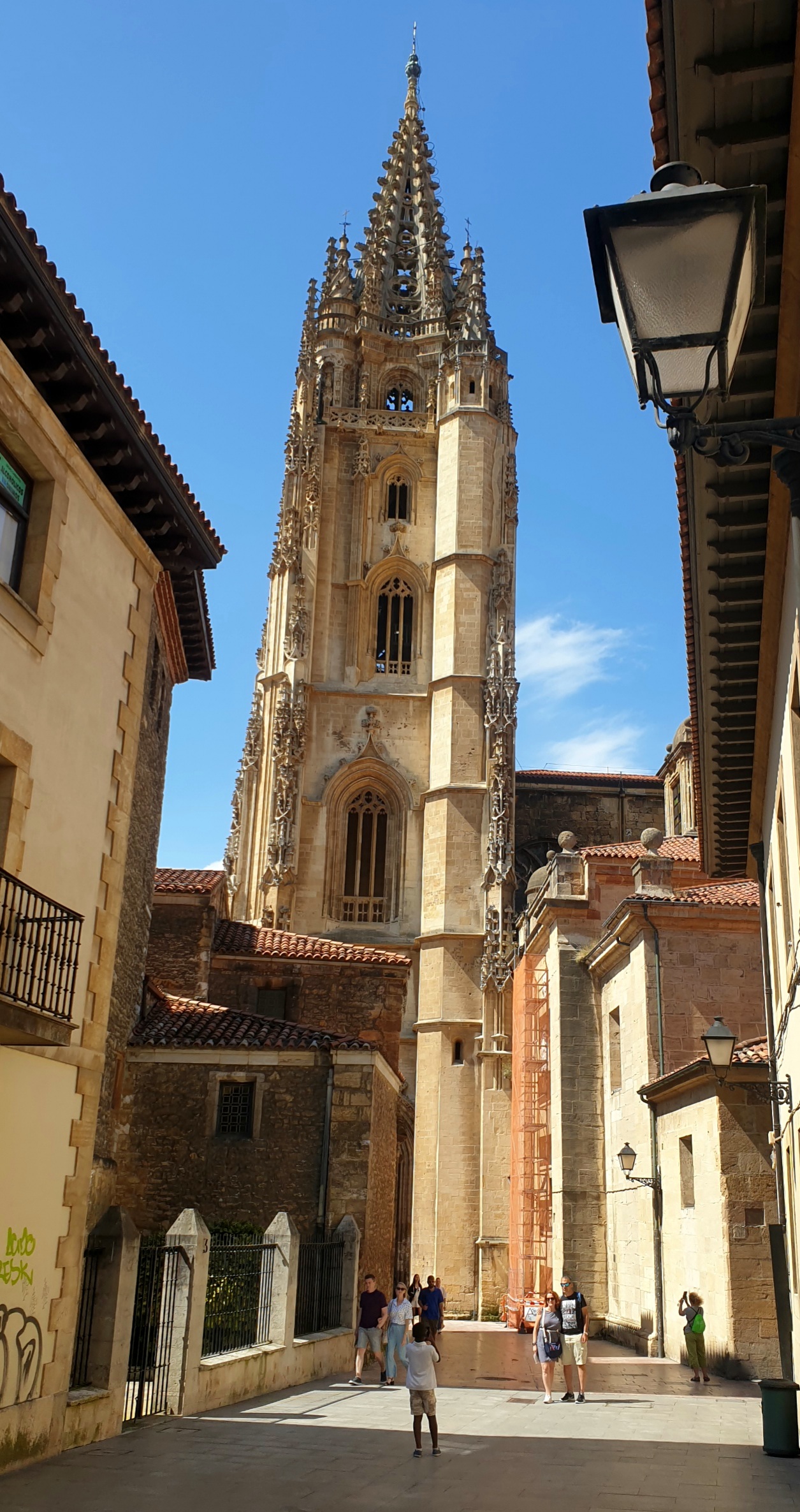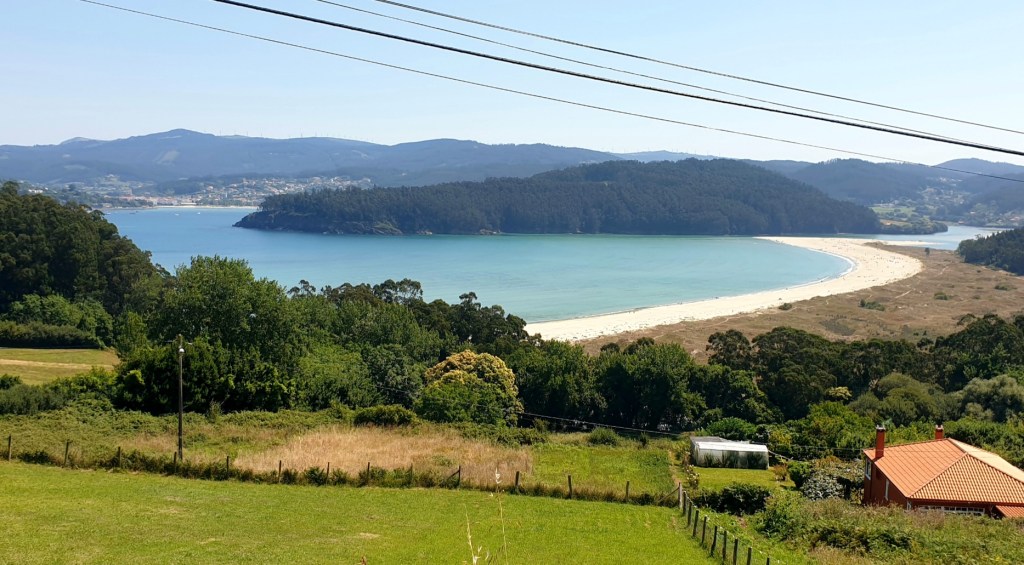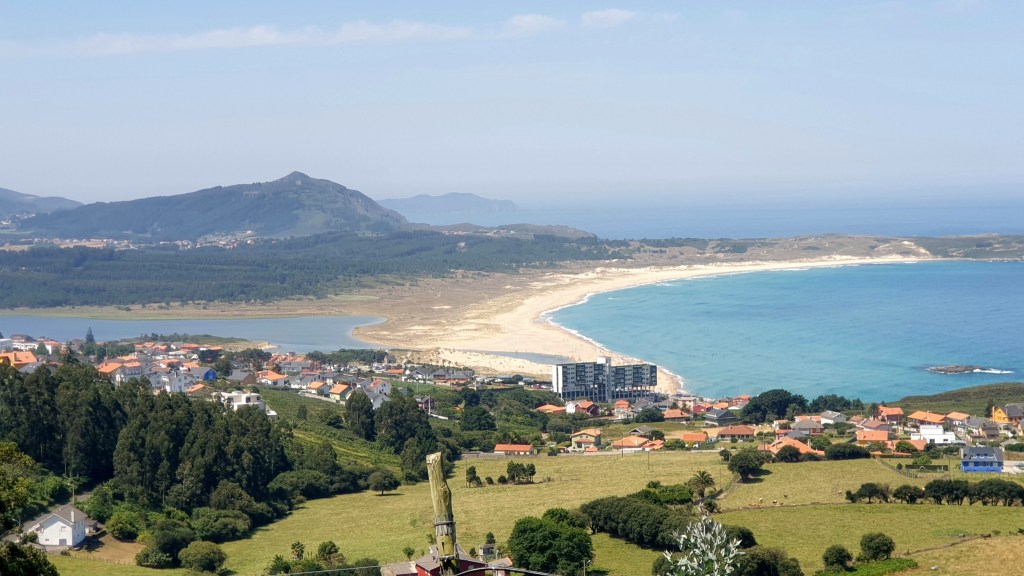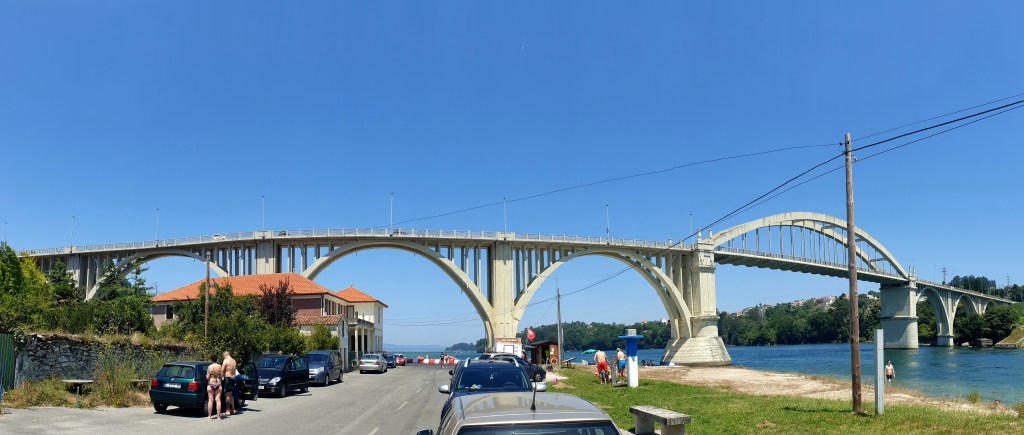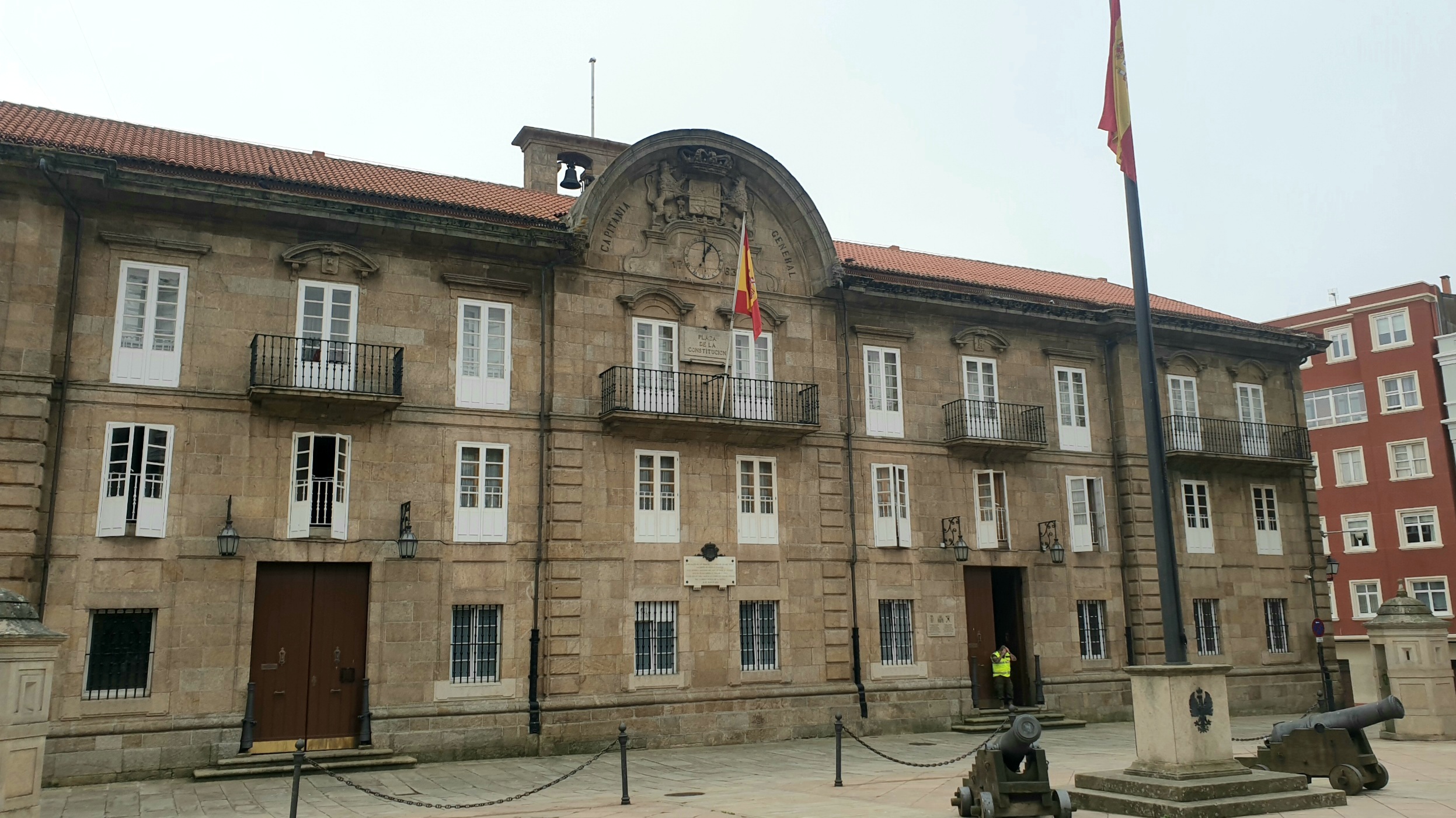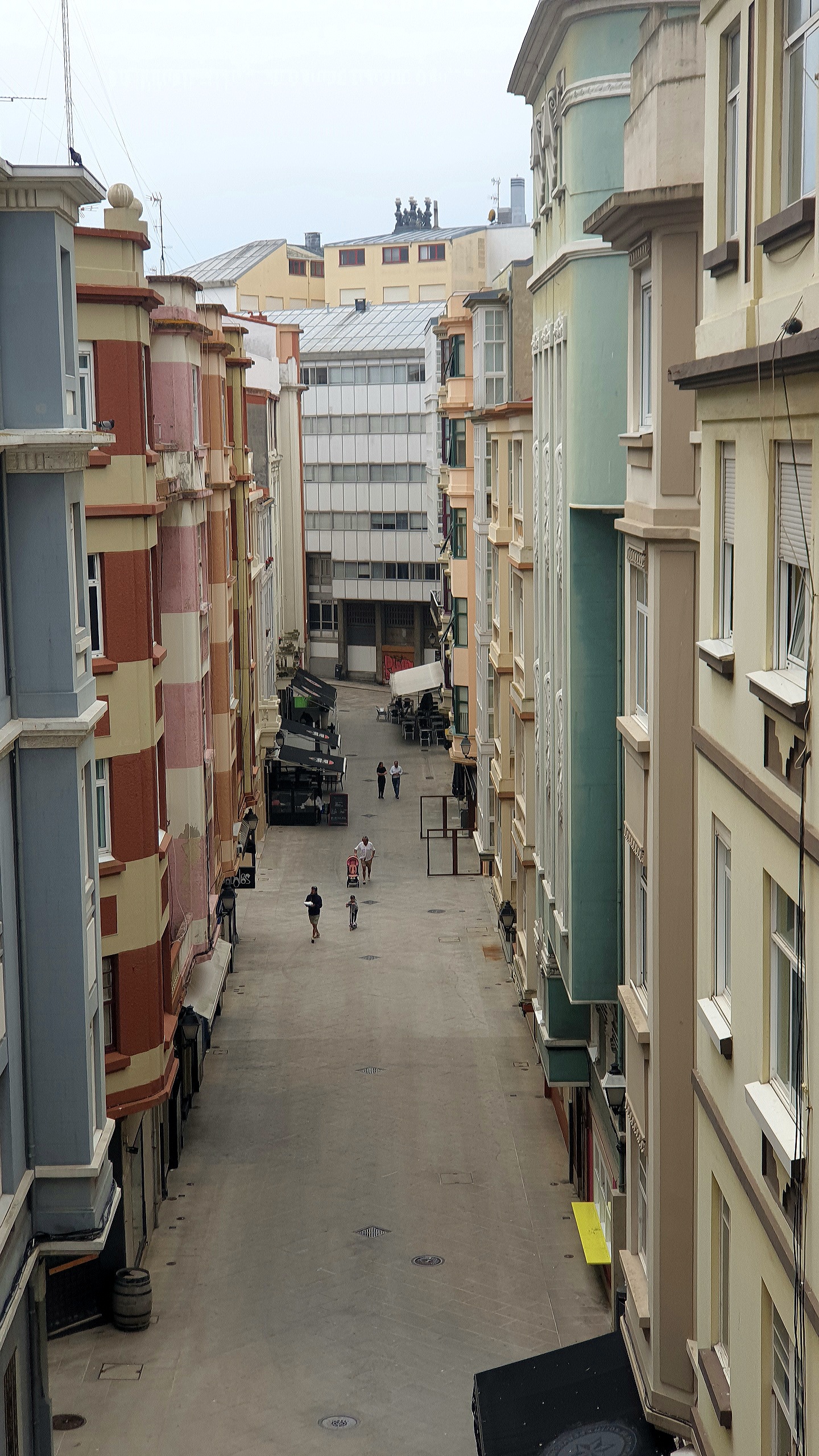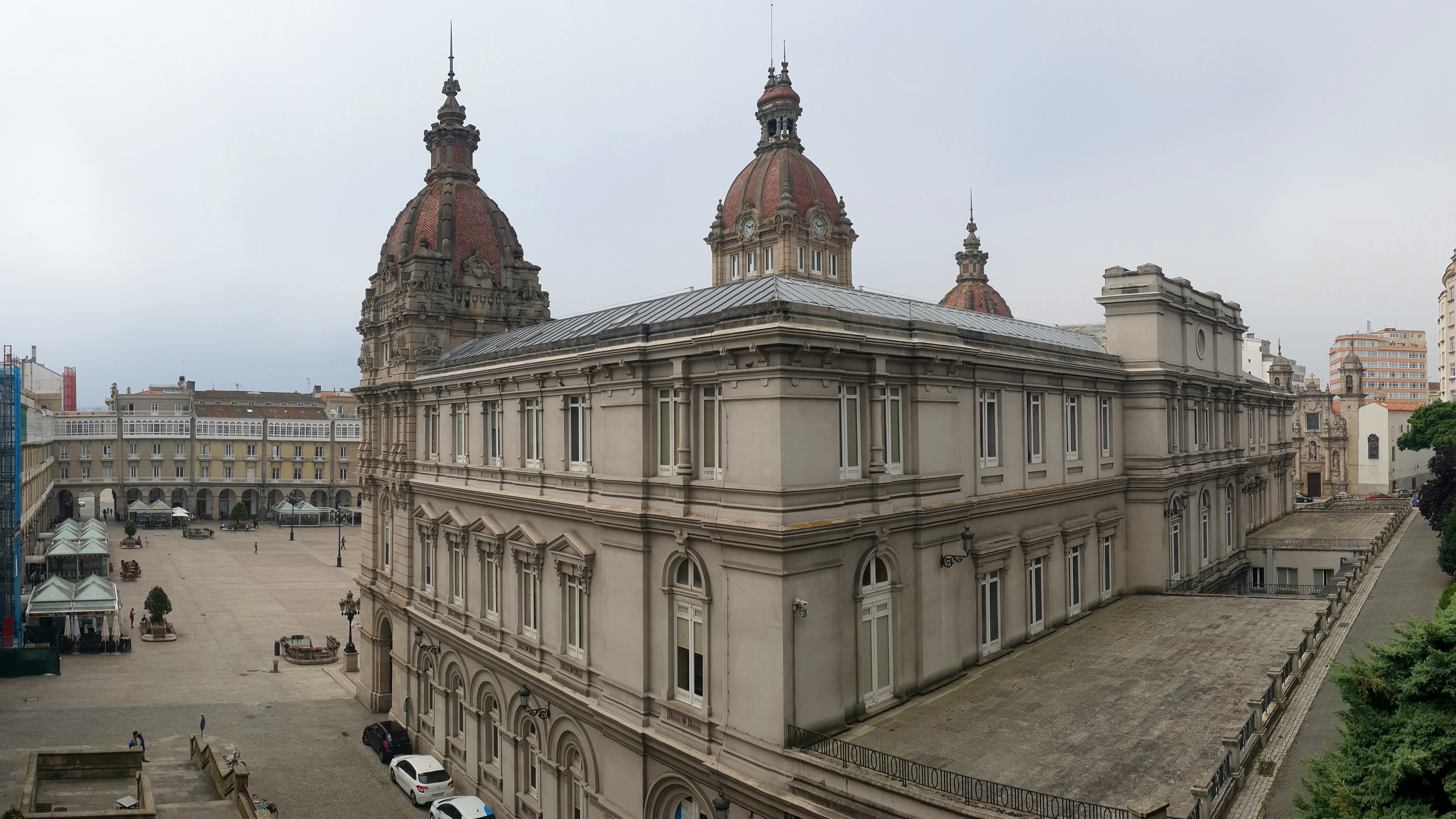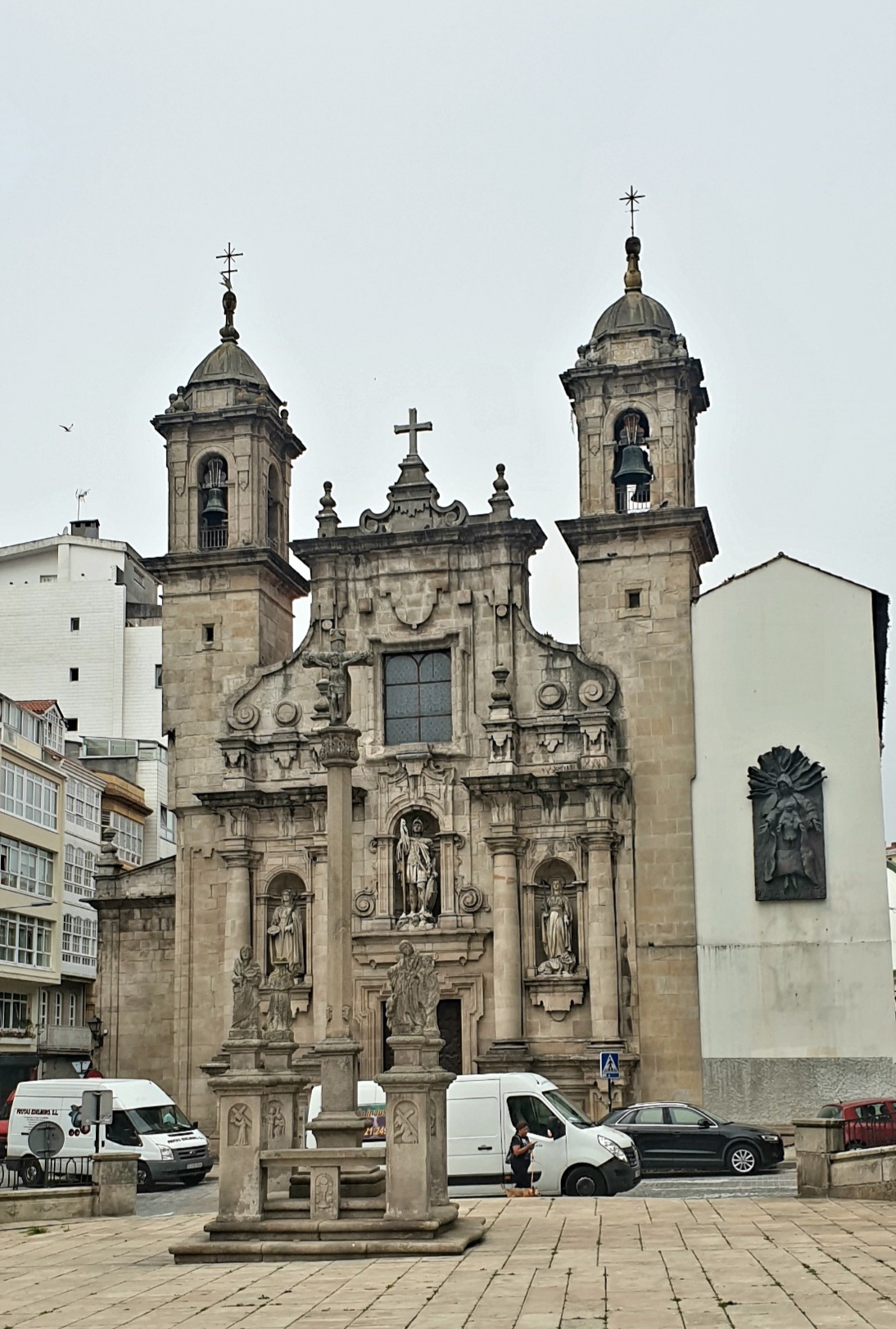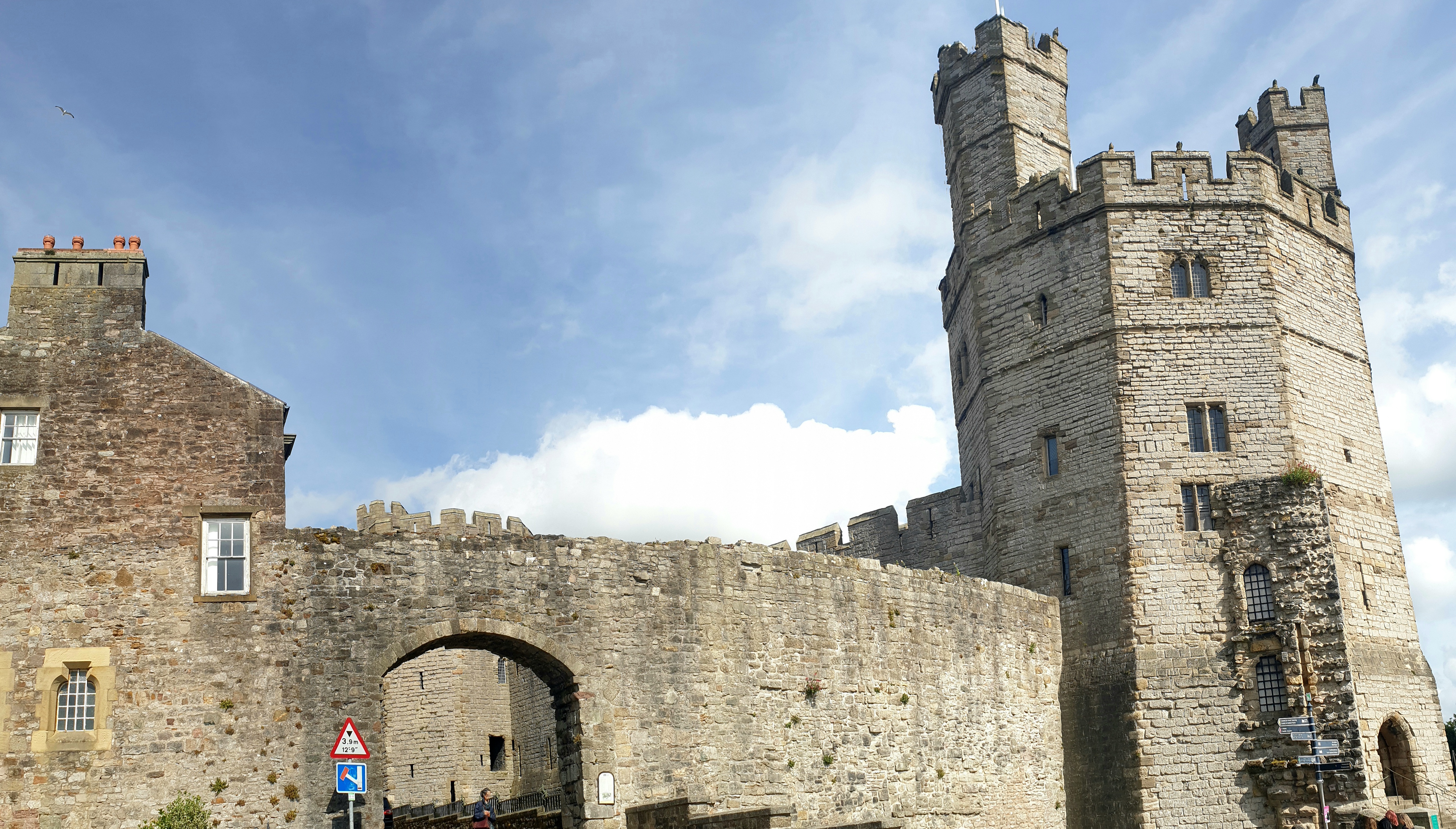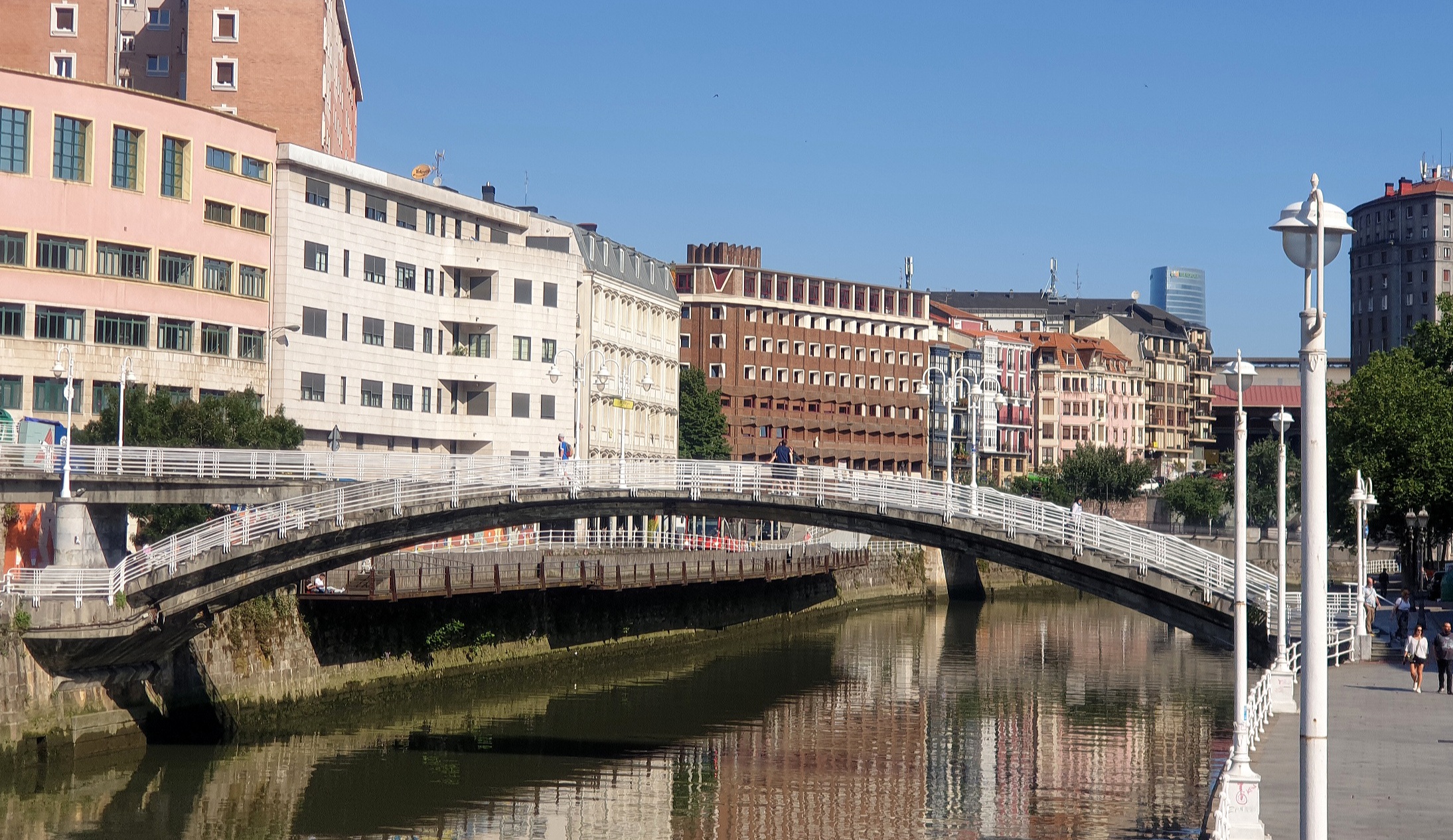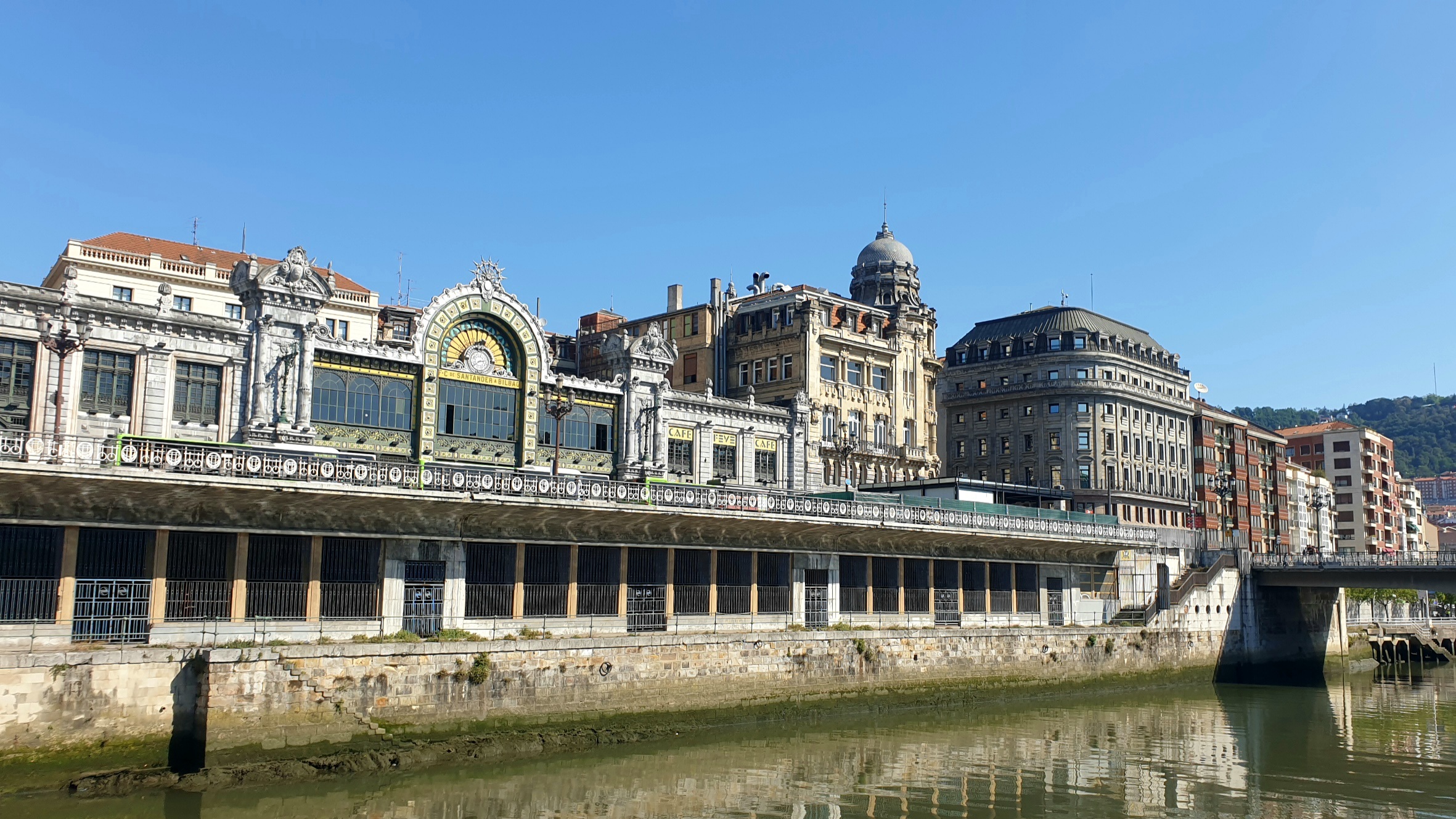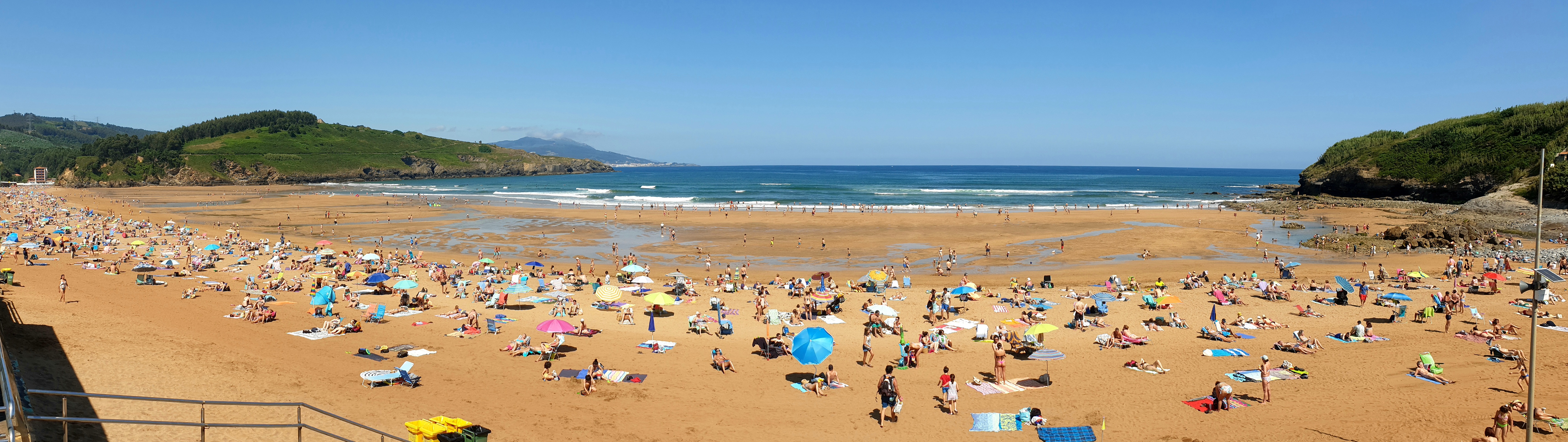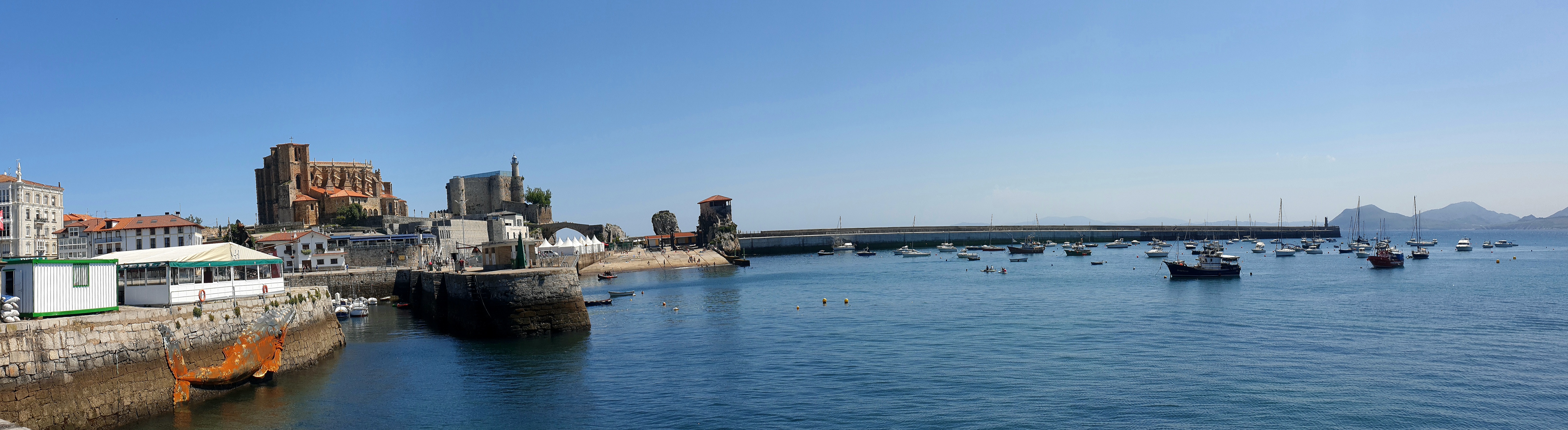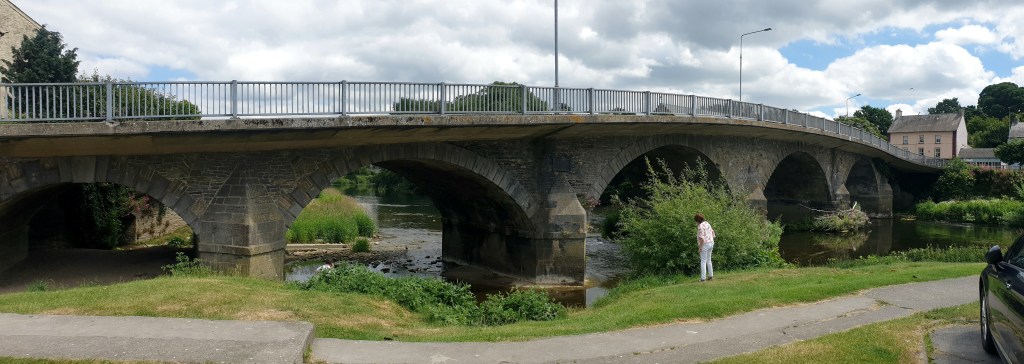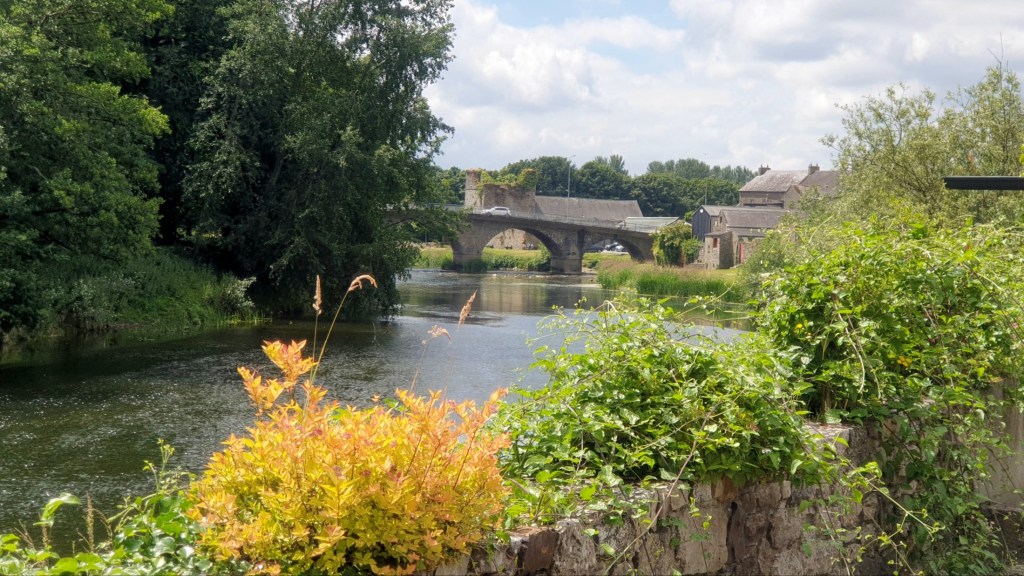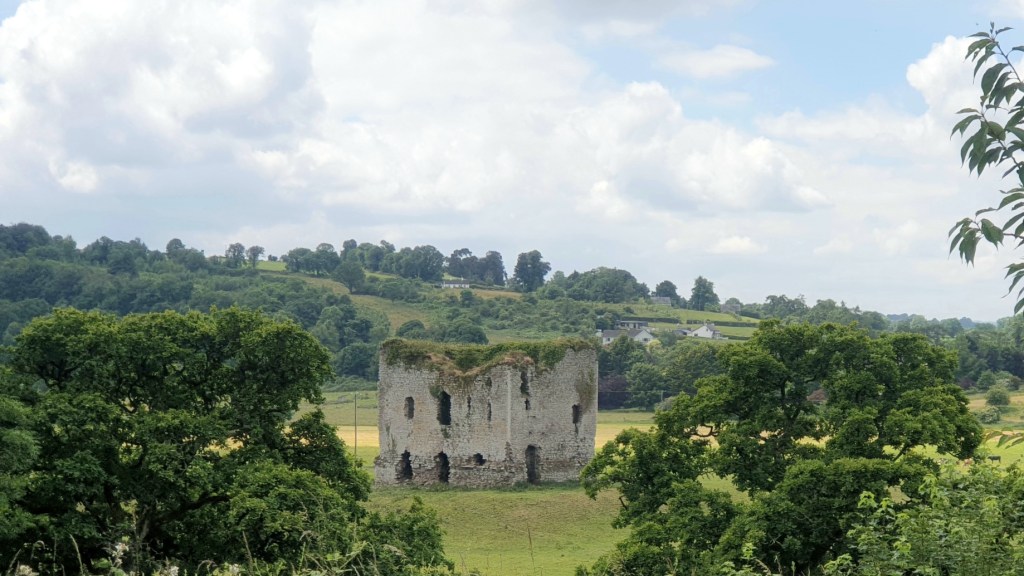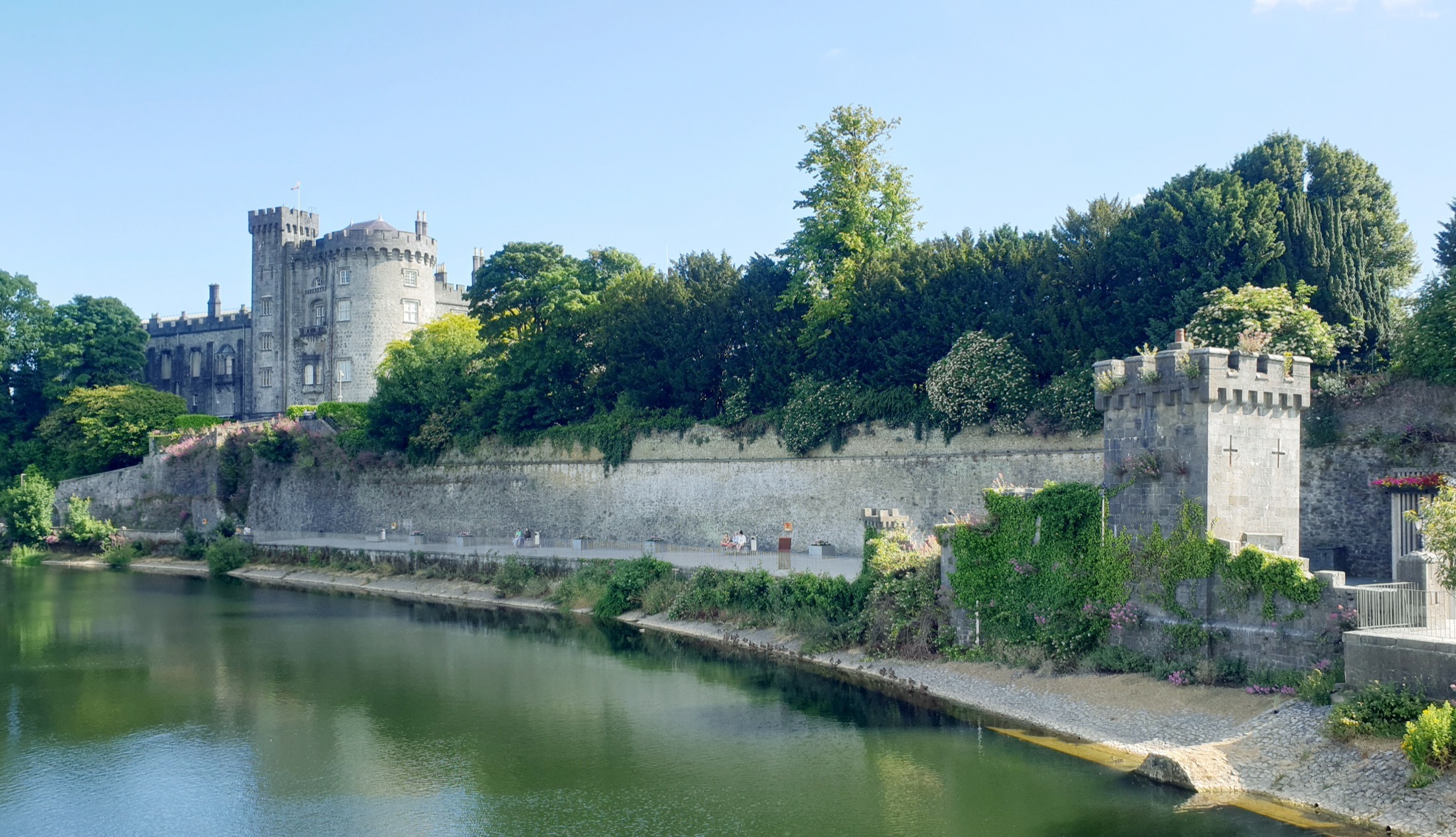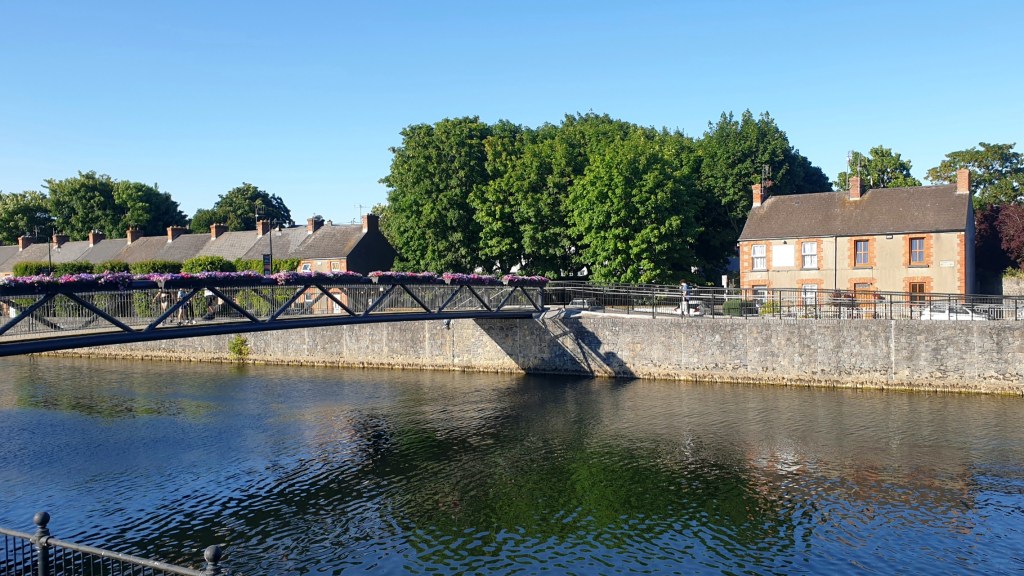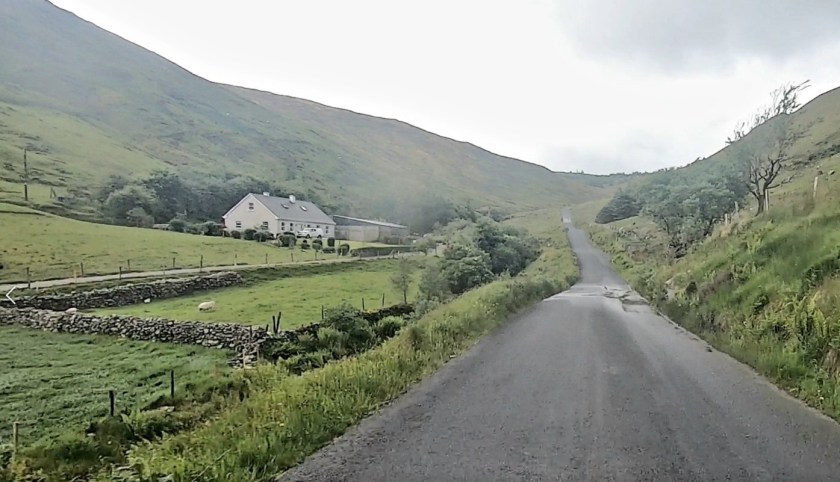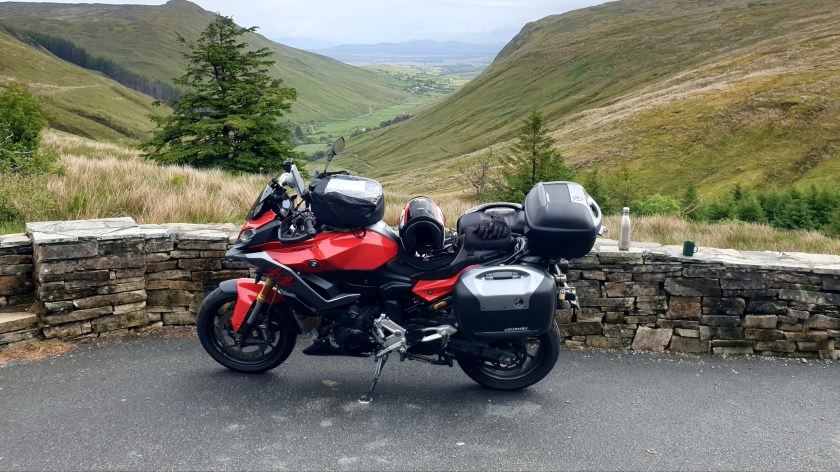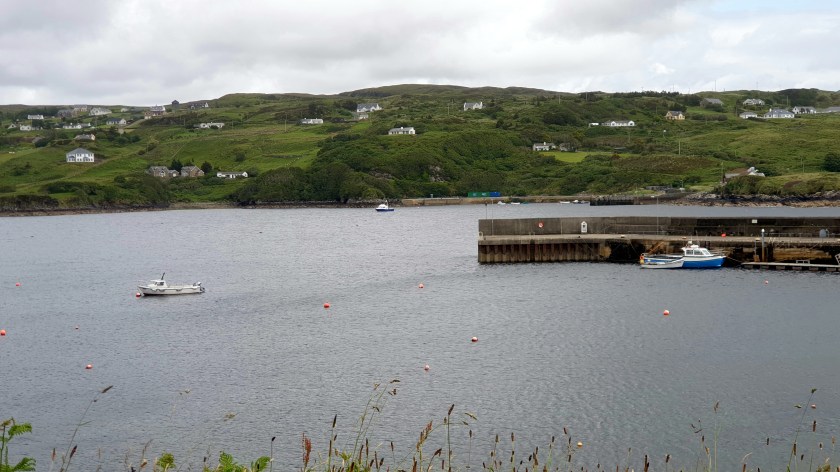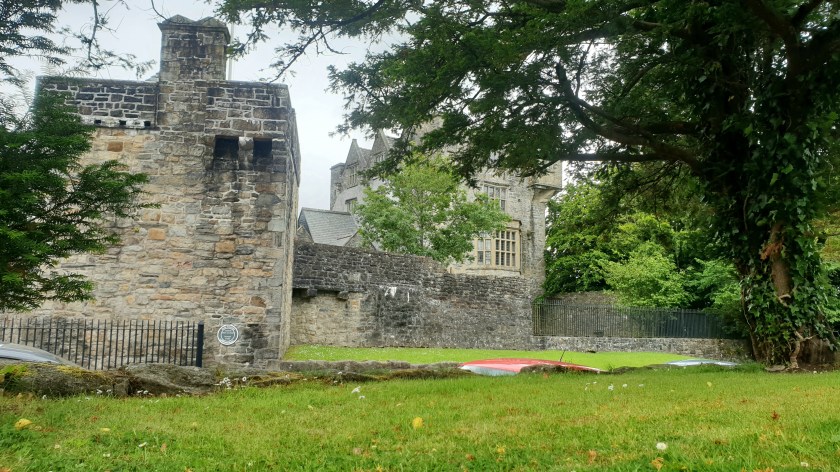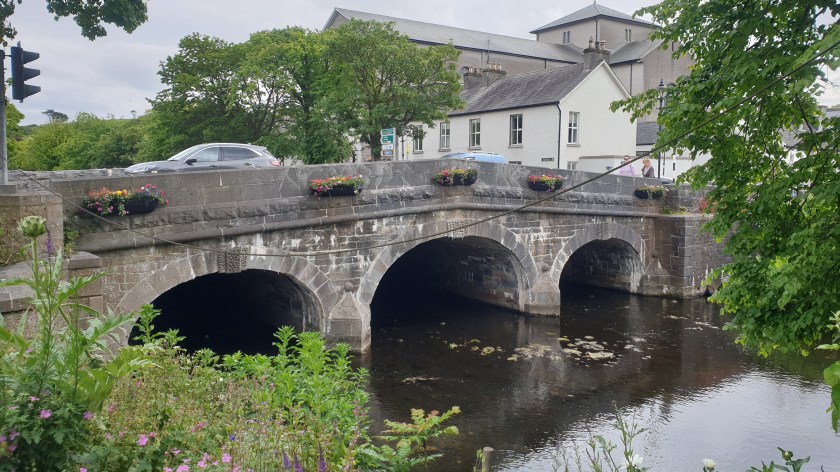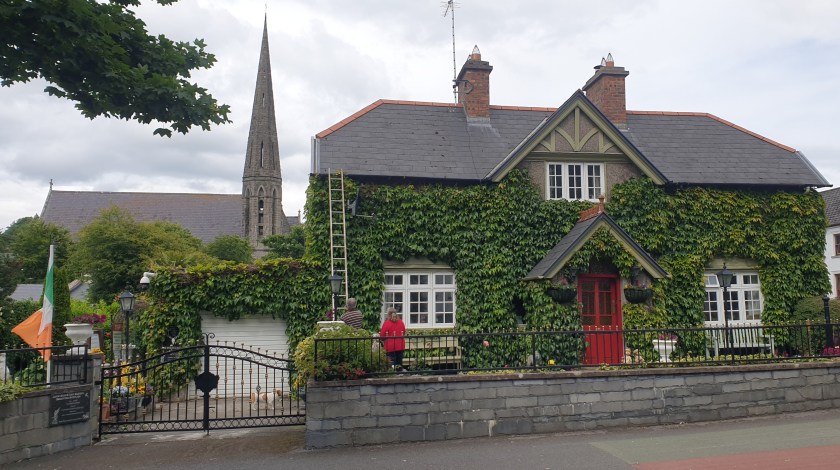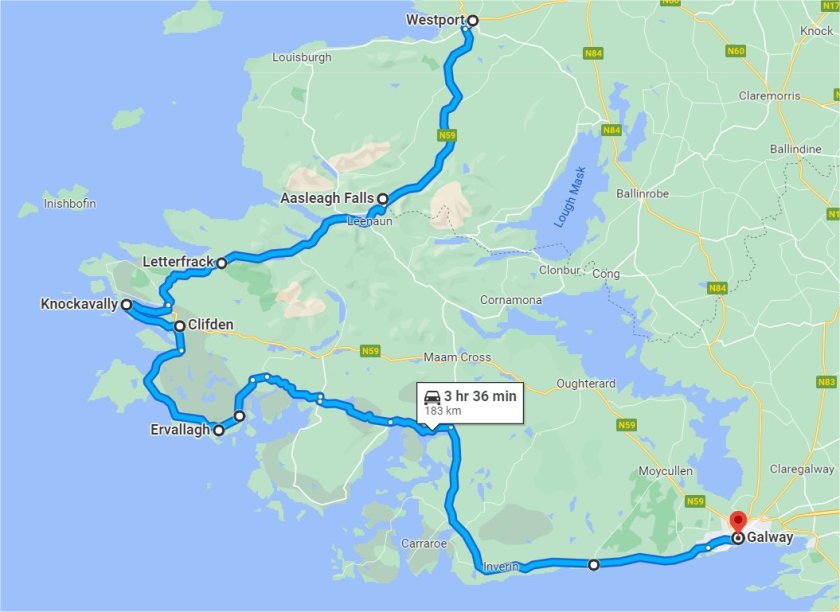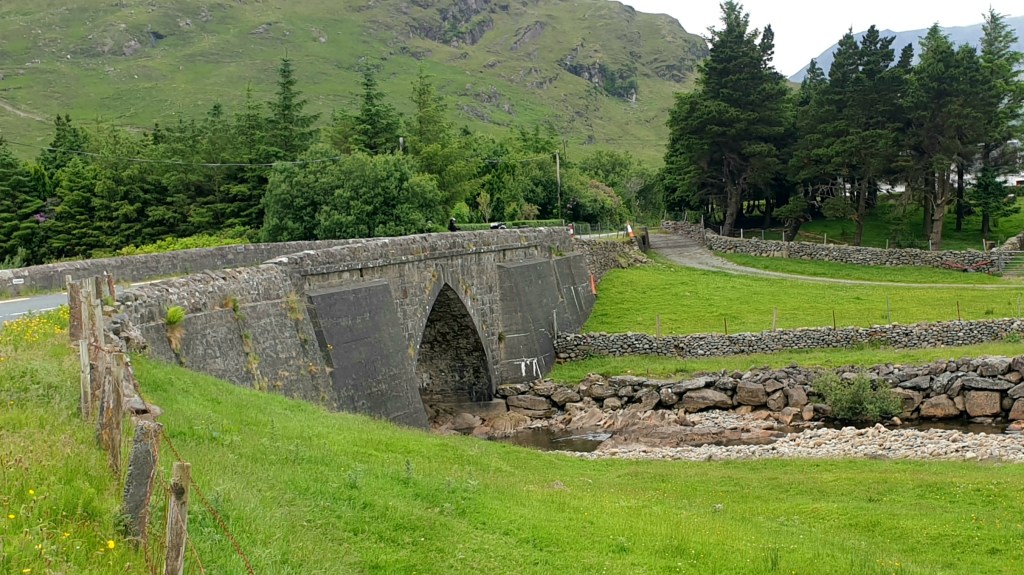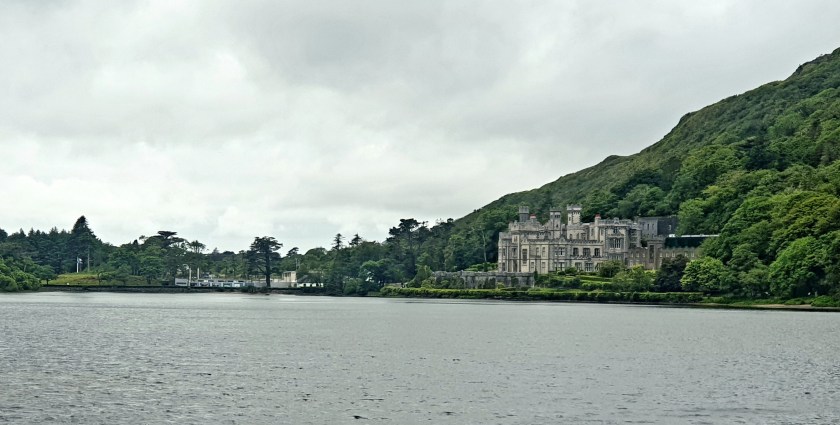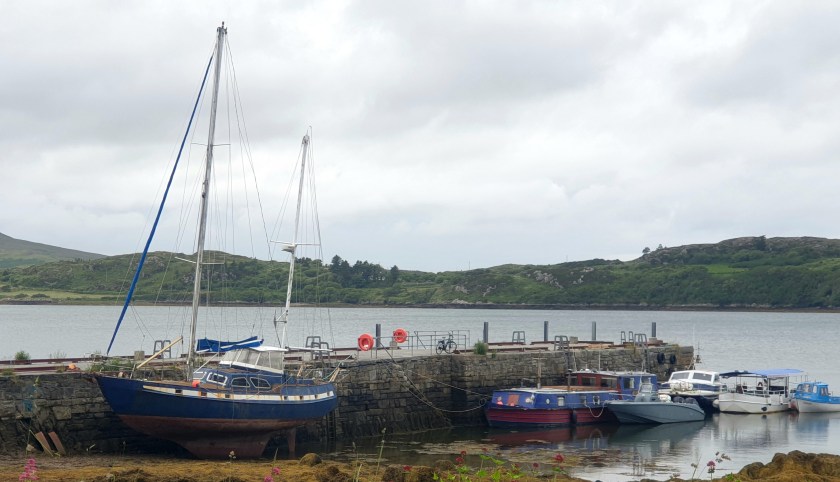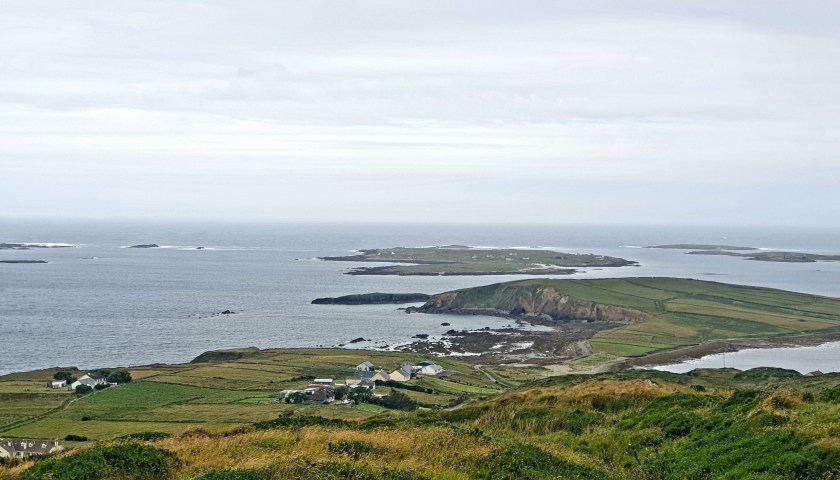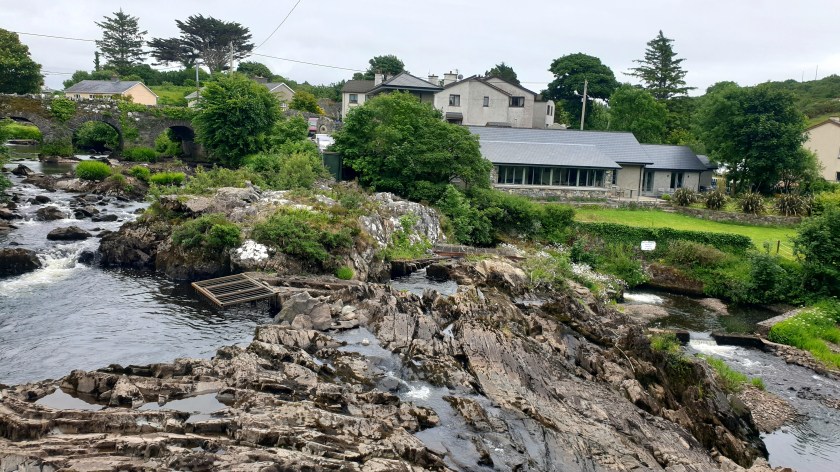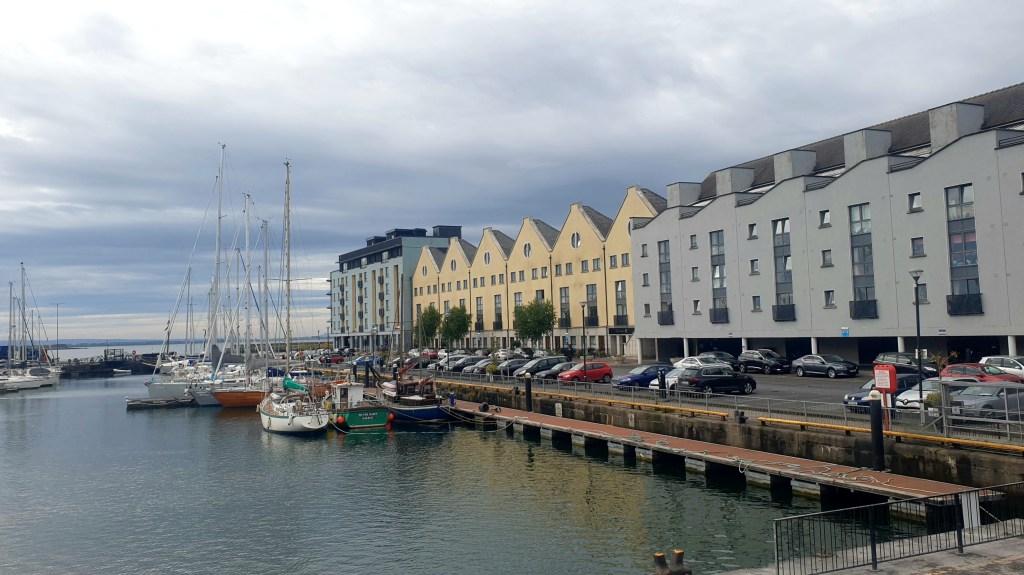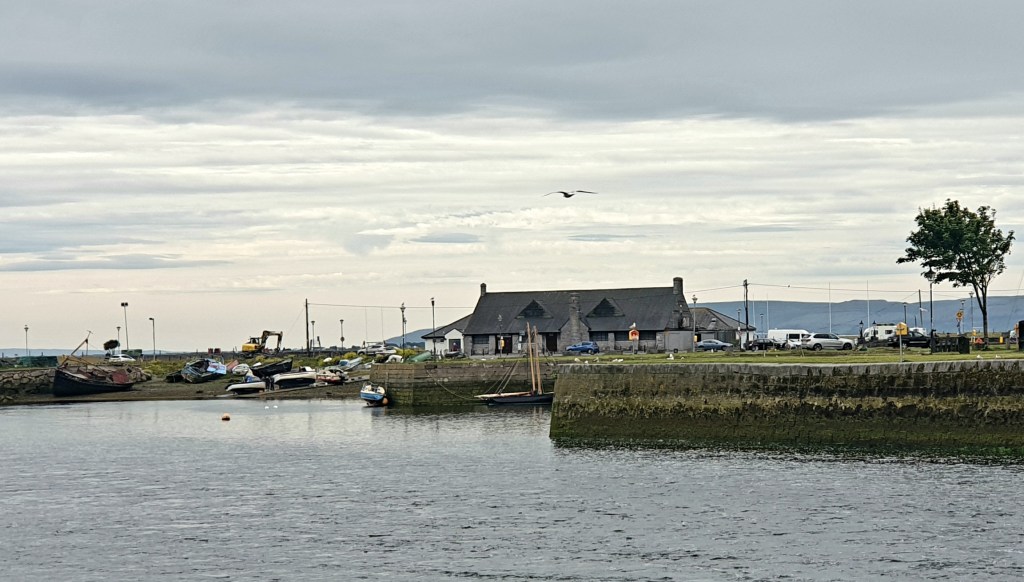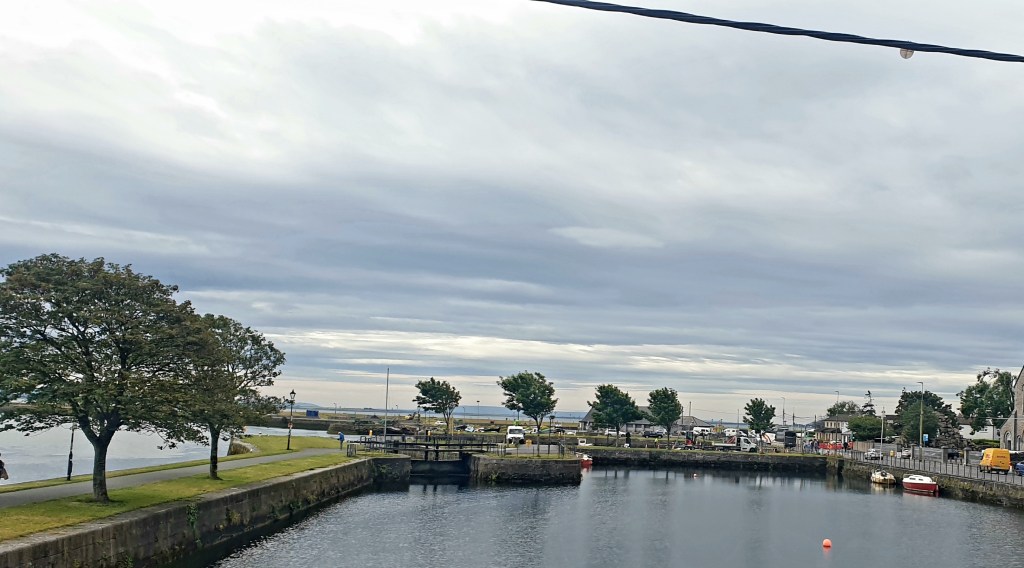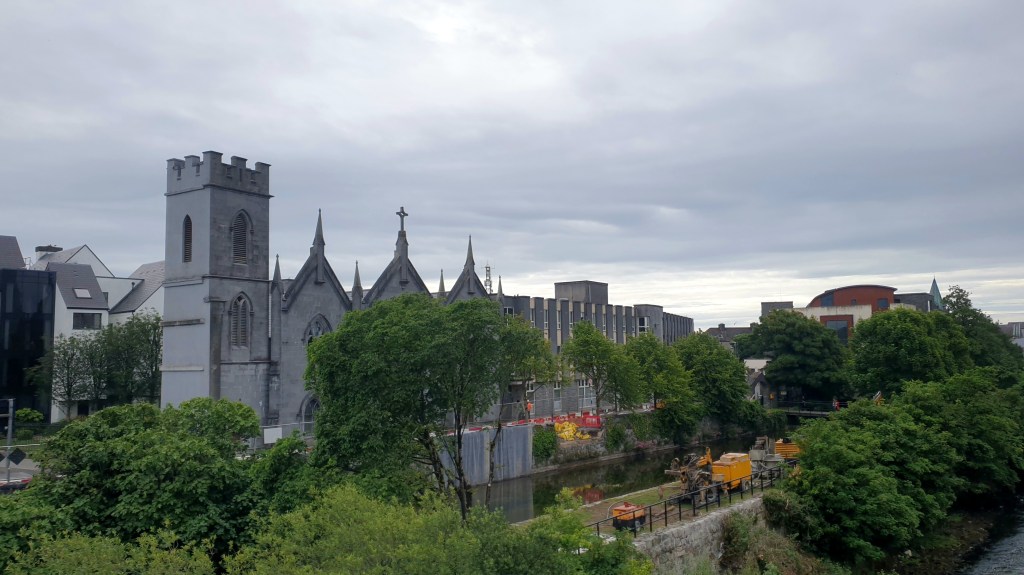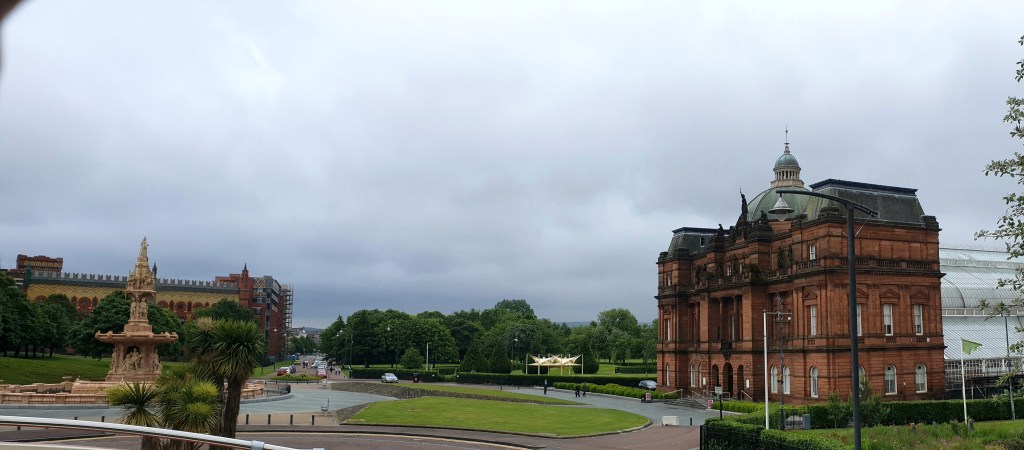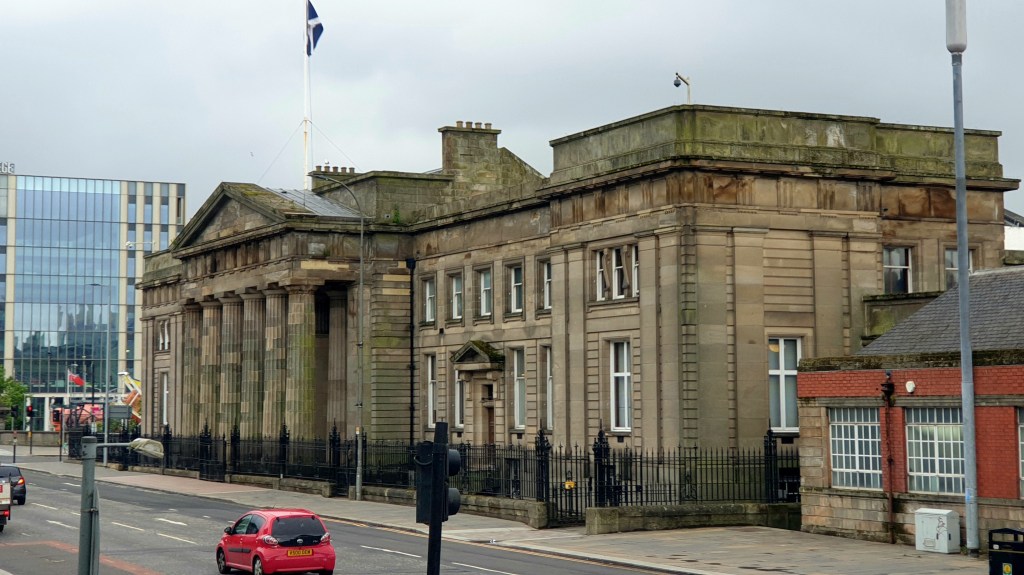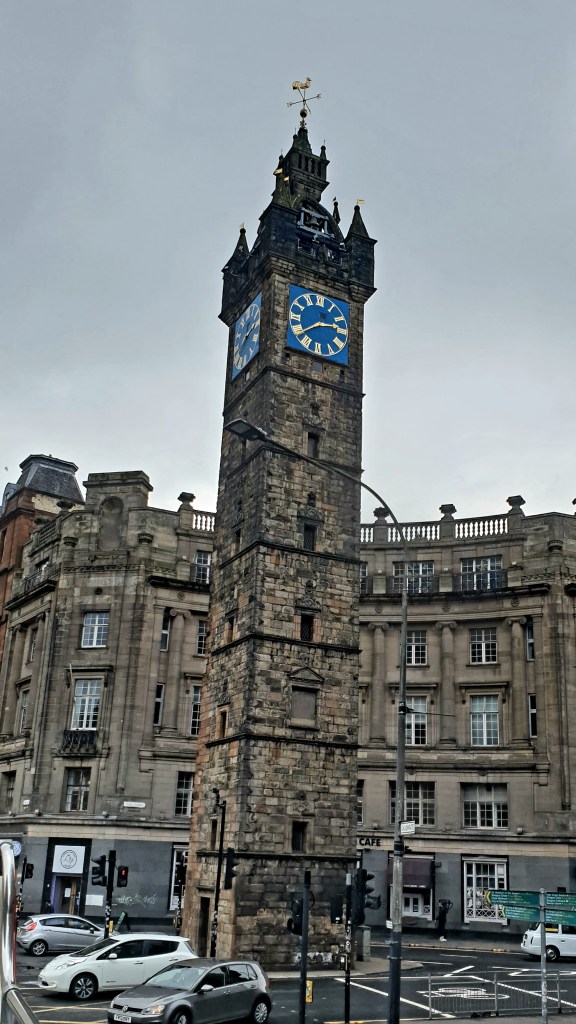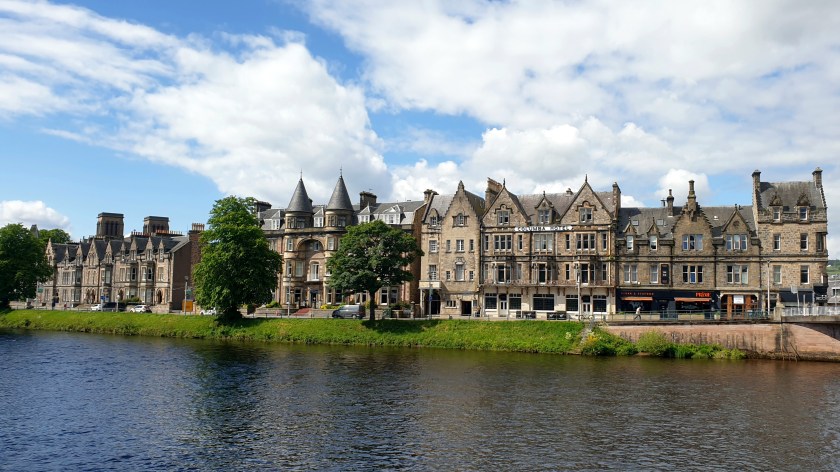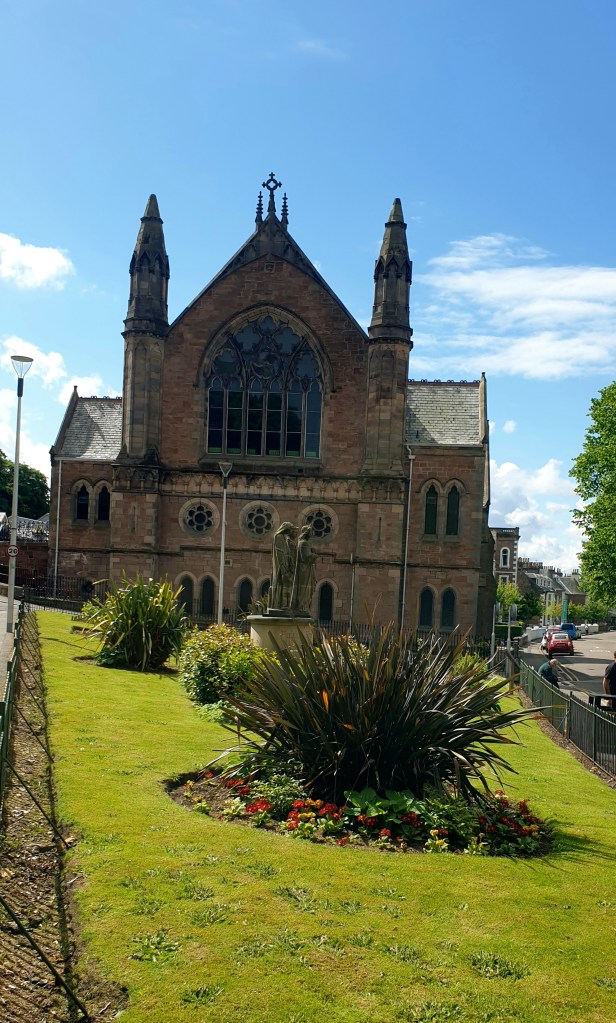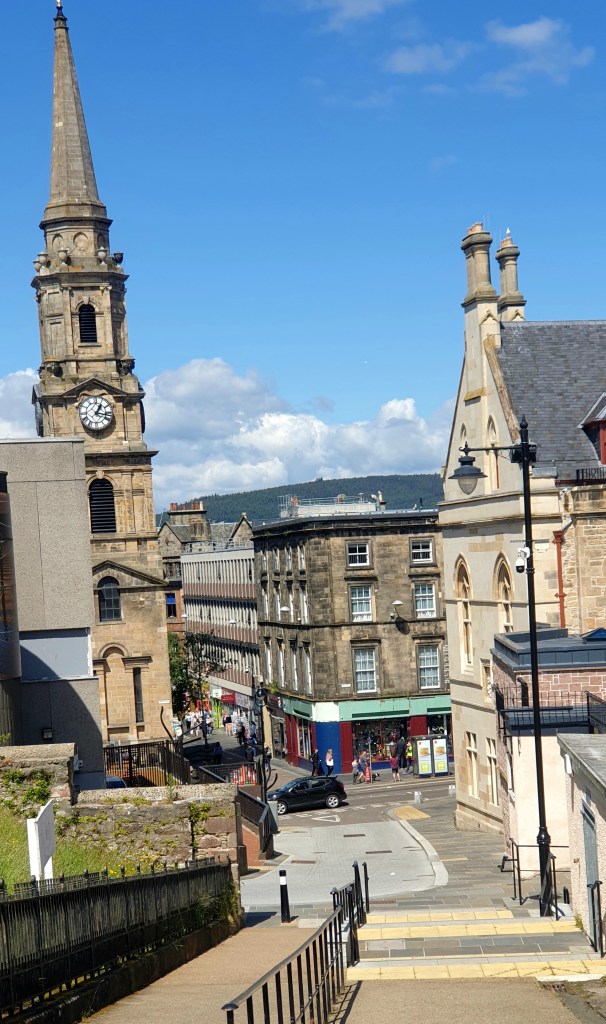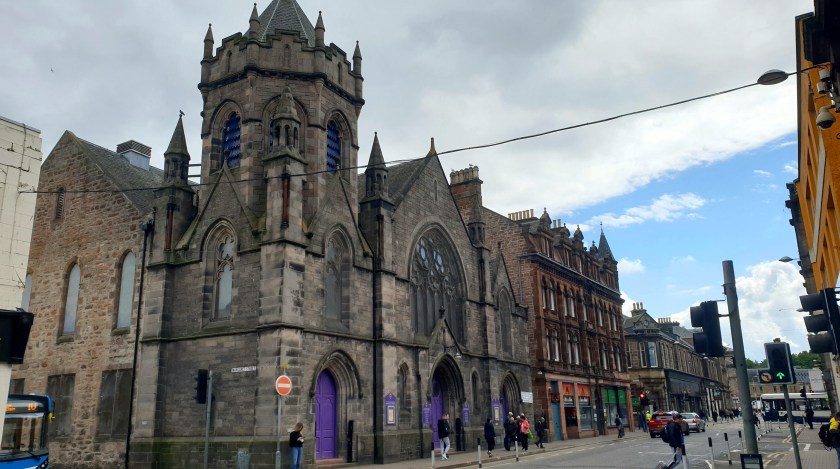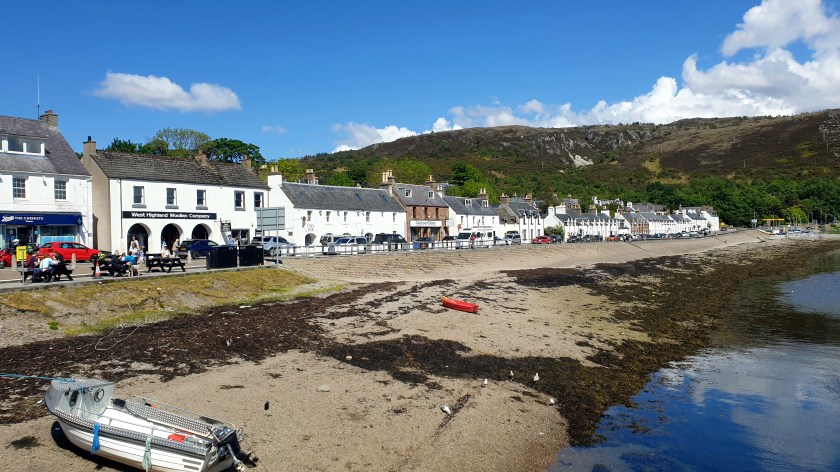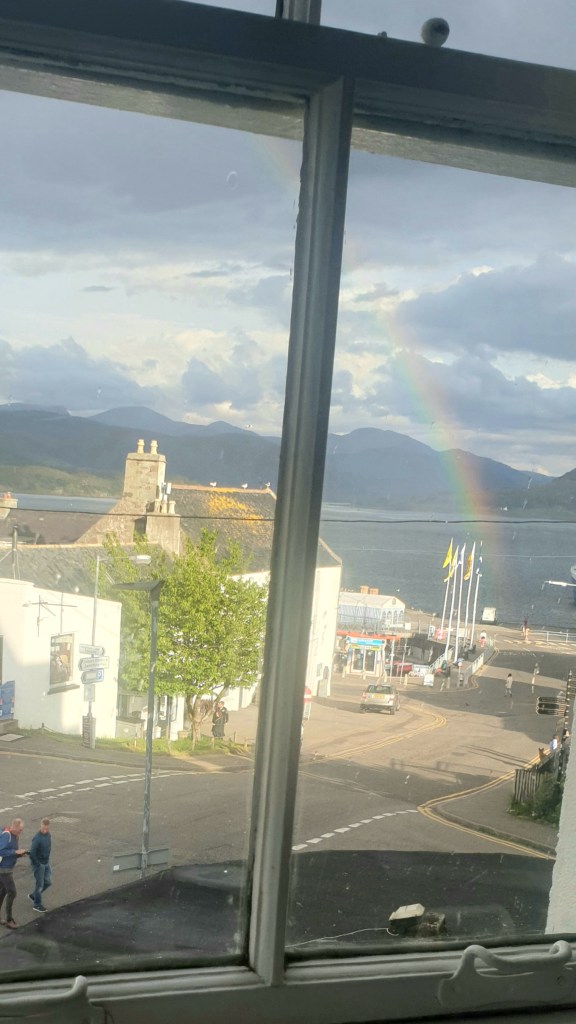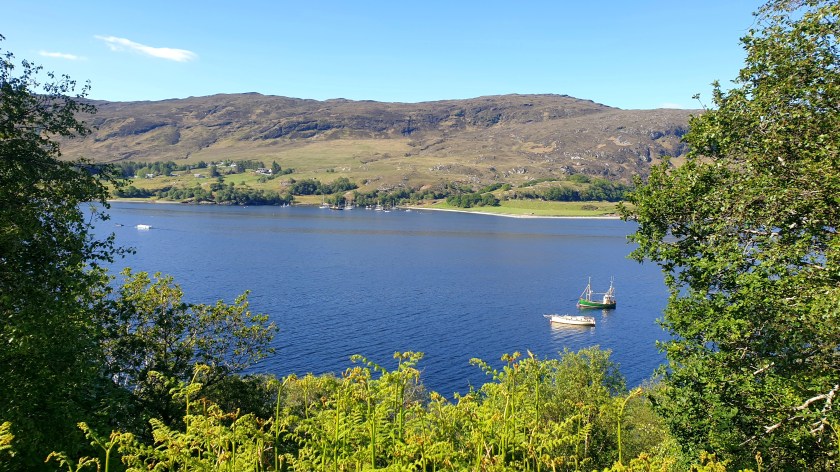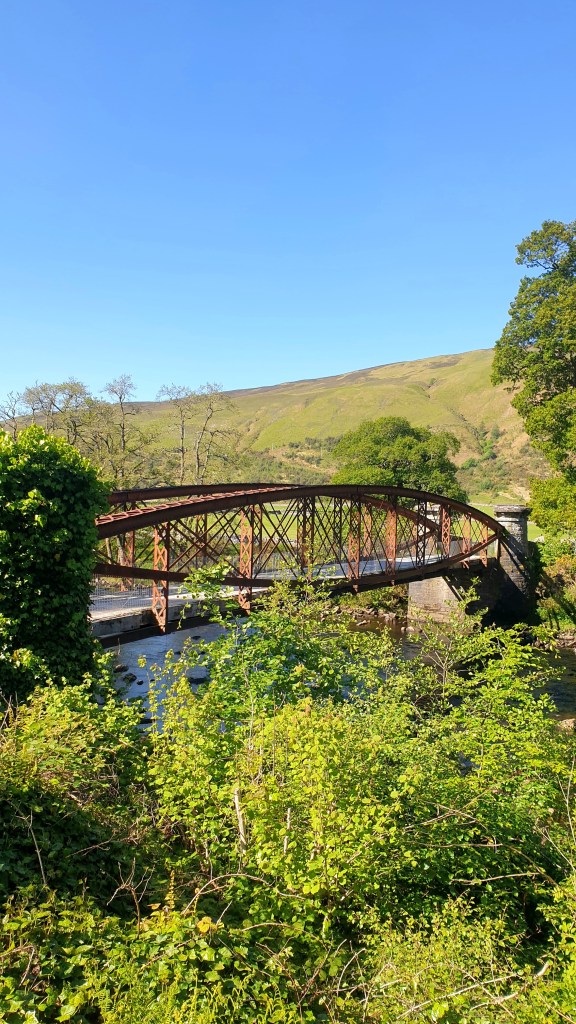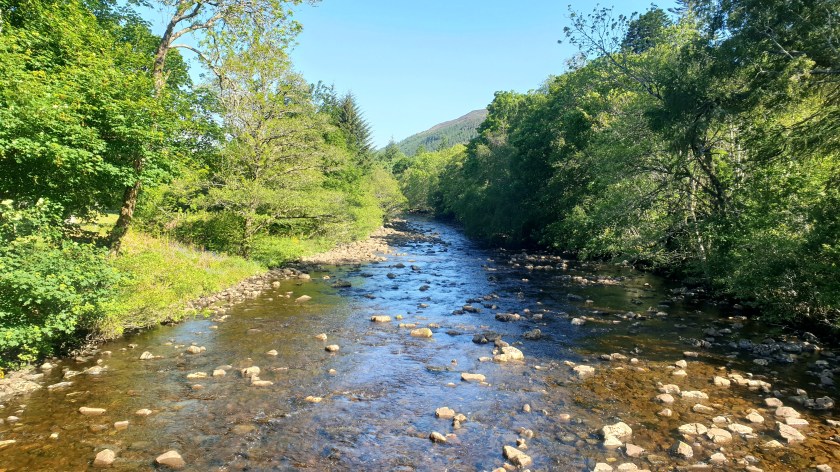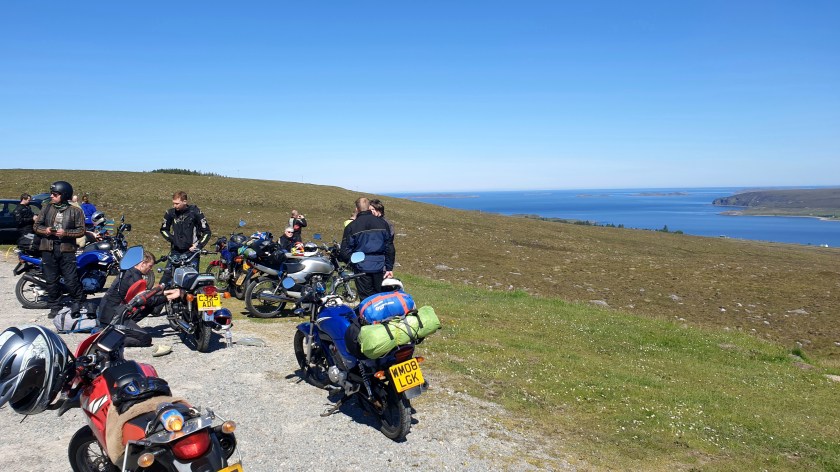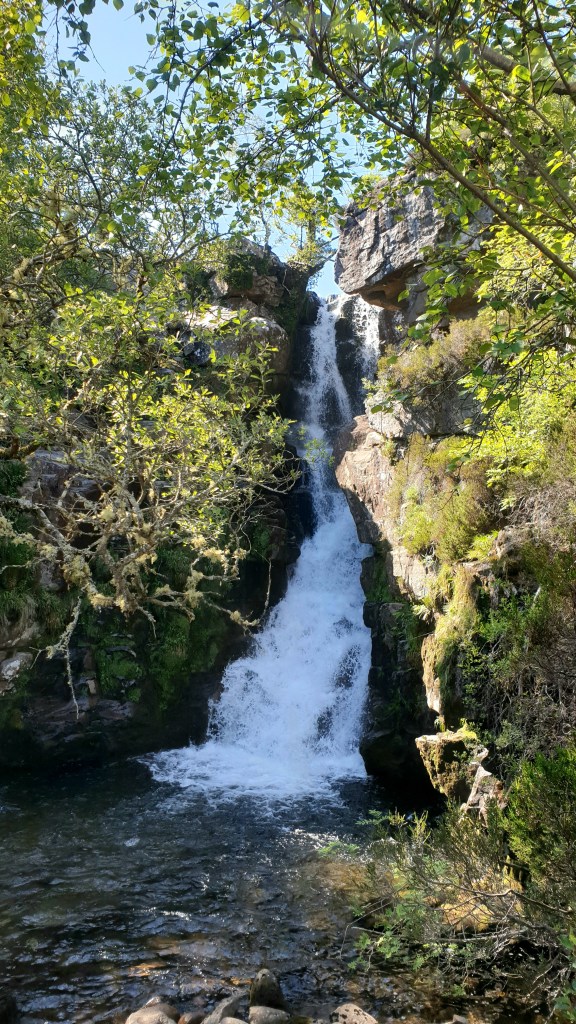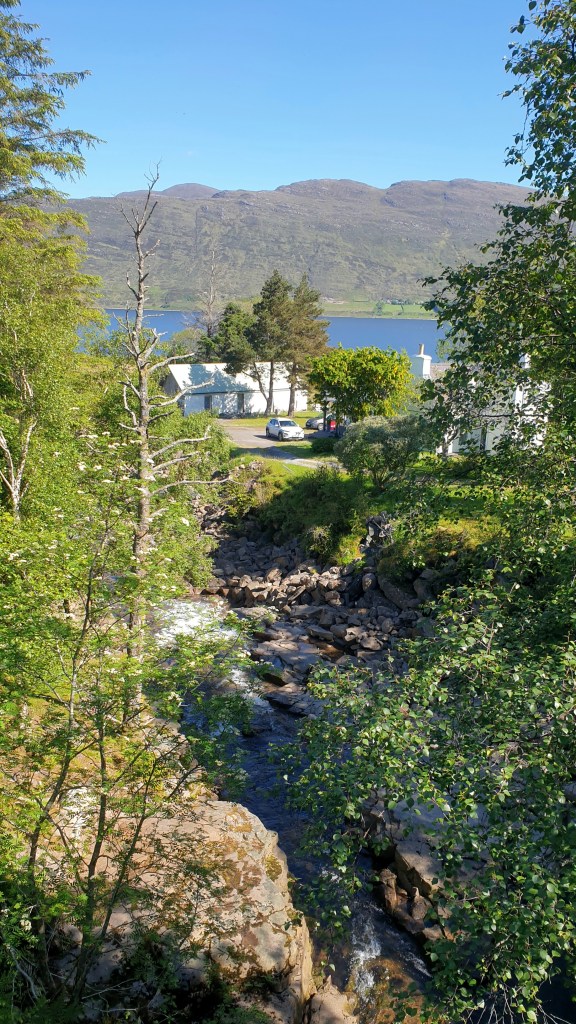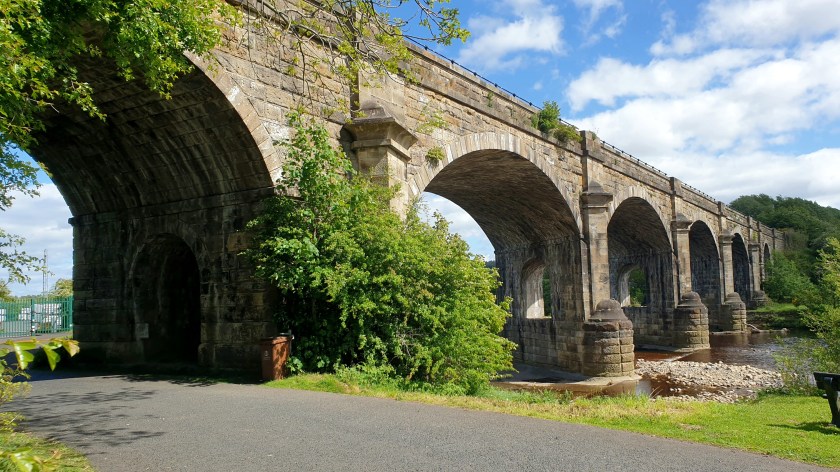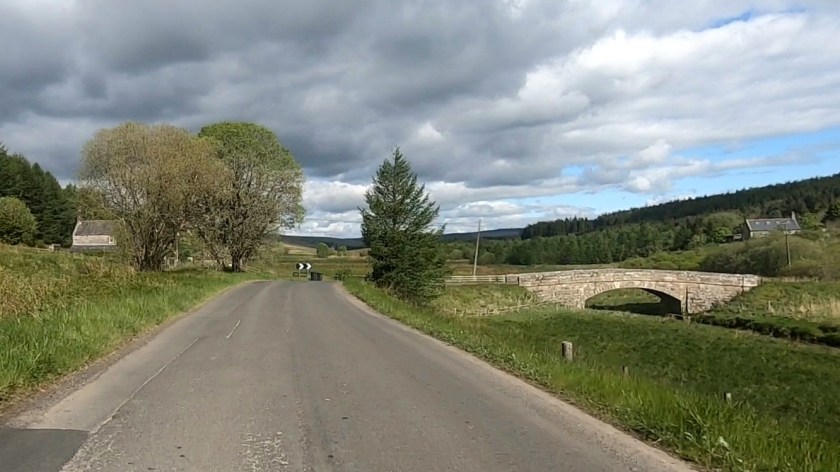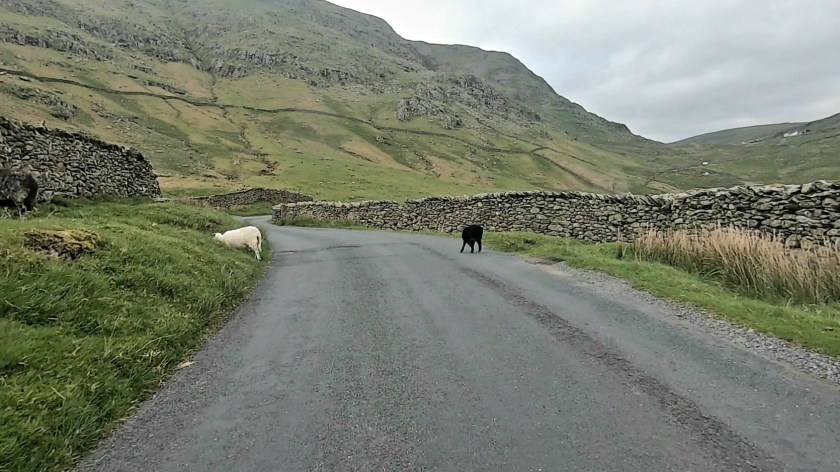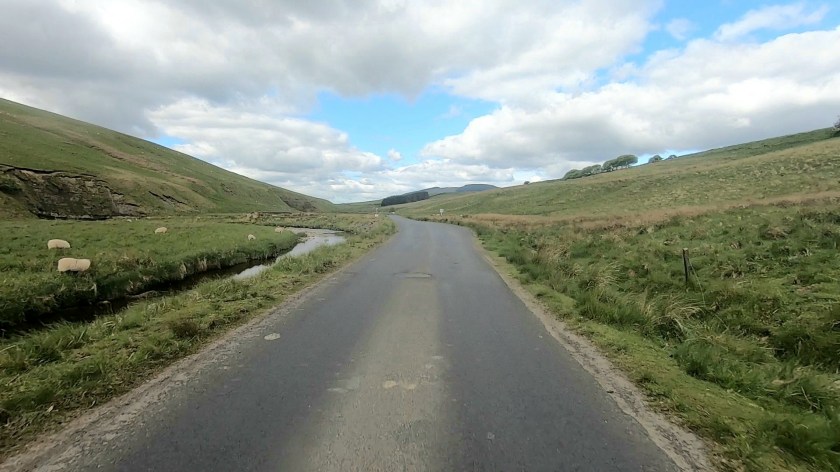
Wk 9 – NW Spain to Portugal

Week 9 – NW Spain & Portugal

A Coruna to Porto

Mon 11th to Sun 17 July
A Coruna – Cambados – Ourense – Porto

Mon 11 – Wed 13 – A Coruna Lay Days

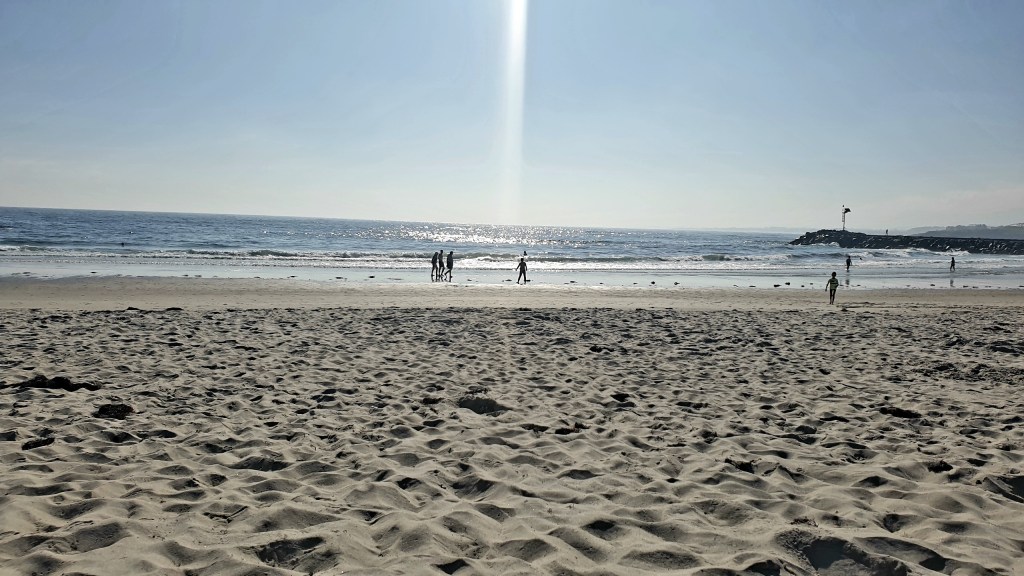
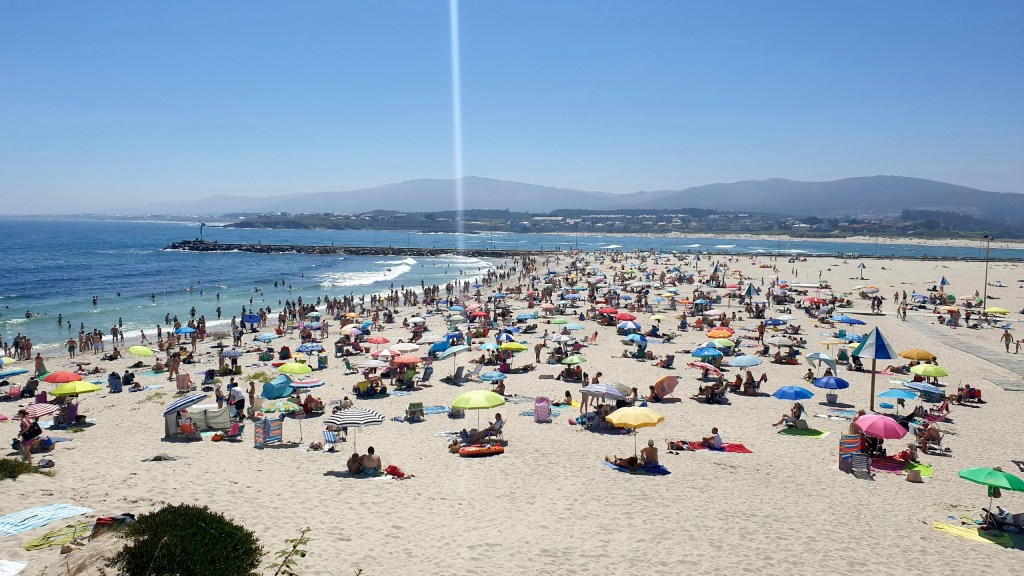
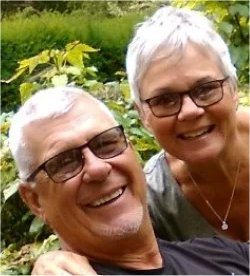
Just lazing on the beach with this beauty 😘

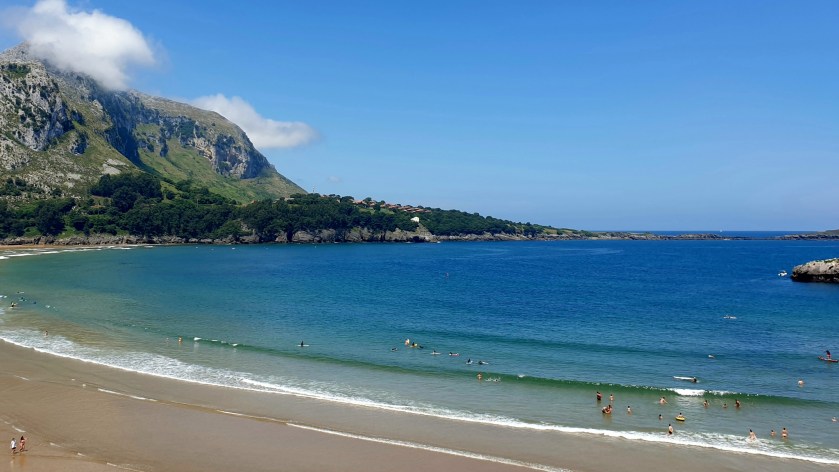
A Coruna Beach before the crowds arrived.
A Coruna Beach – 8pm

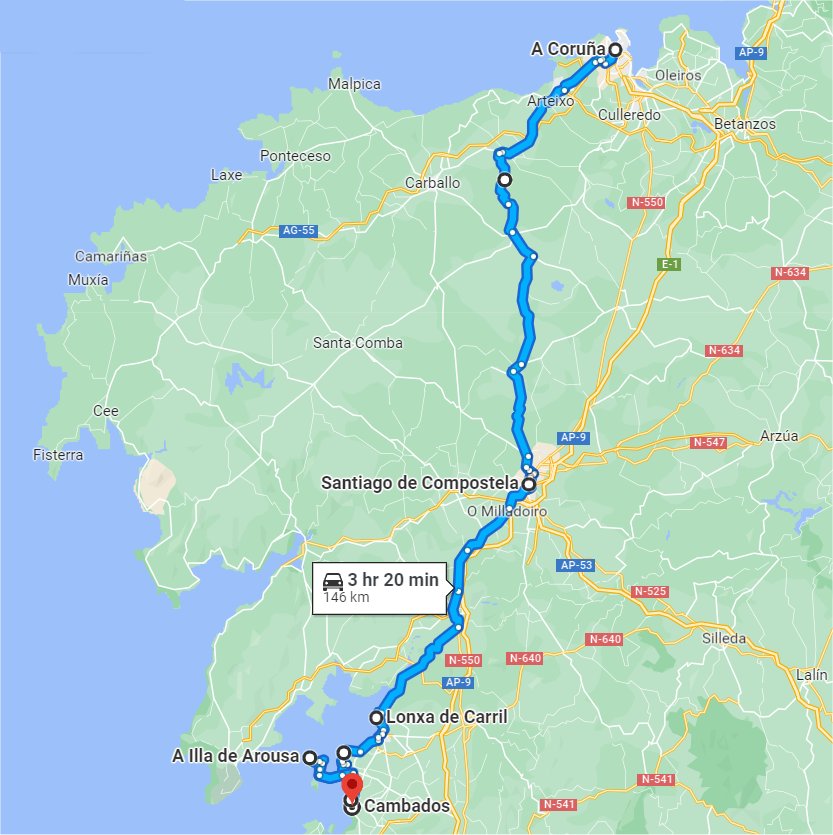
Thur 14/7 – A Coruna to Cambados – 150klm
Today was promising to heat up so we hit the road a little earlier than usual, and then spied a JetWash / Carwash so washed the bike. A bike always looks better when its clean and shining, especially a red bike.
Then it was off to Santiago de Compostela which was our only real stop-off point for today.

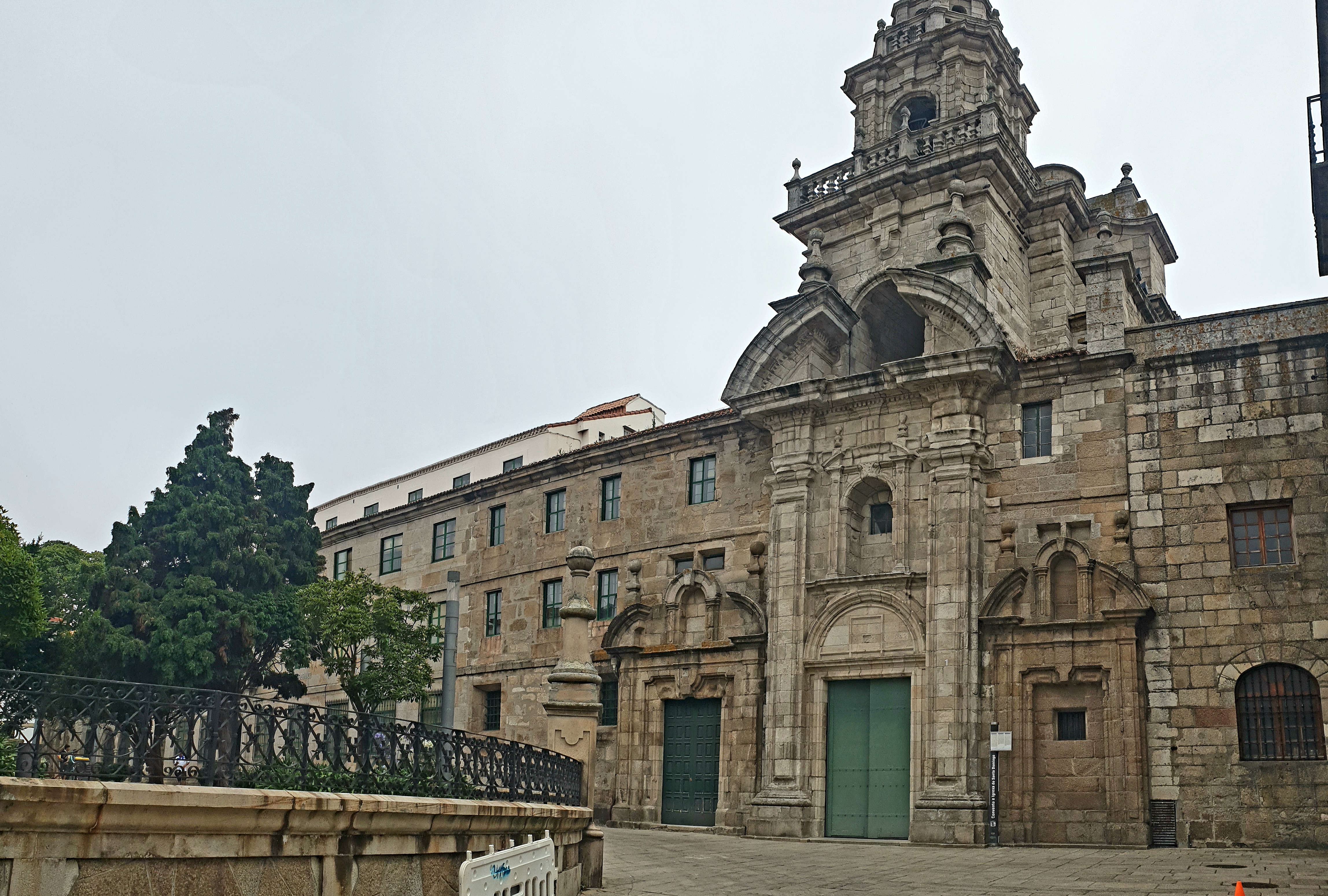
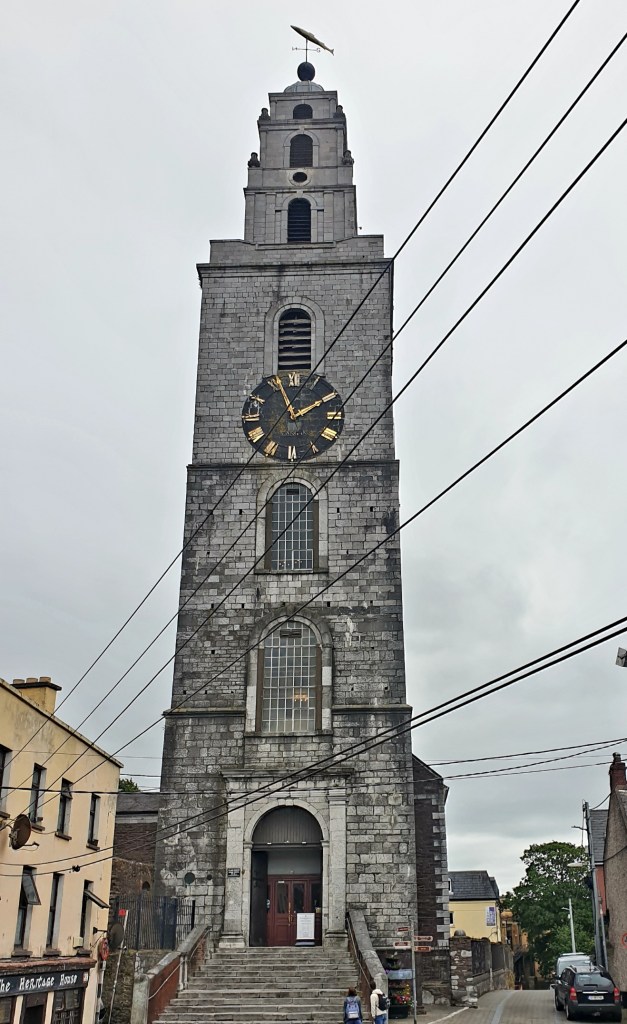
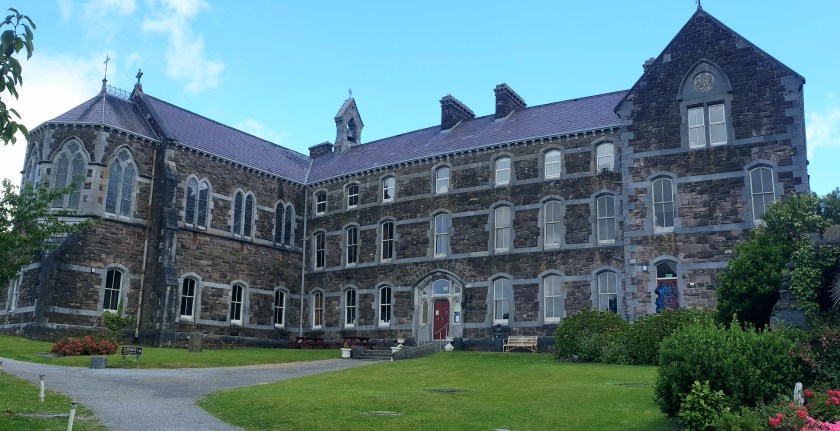
We parked the bike and took a stroll. Had a squiz at the Monastery de San Martino

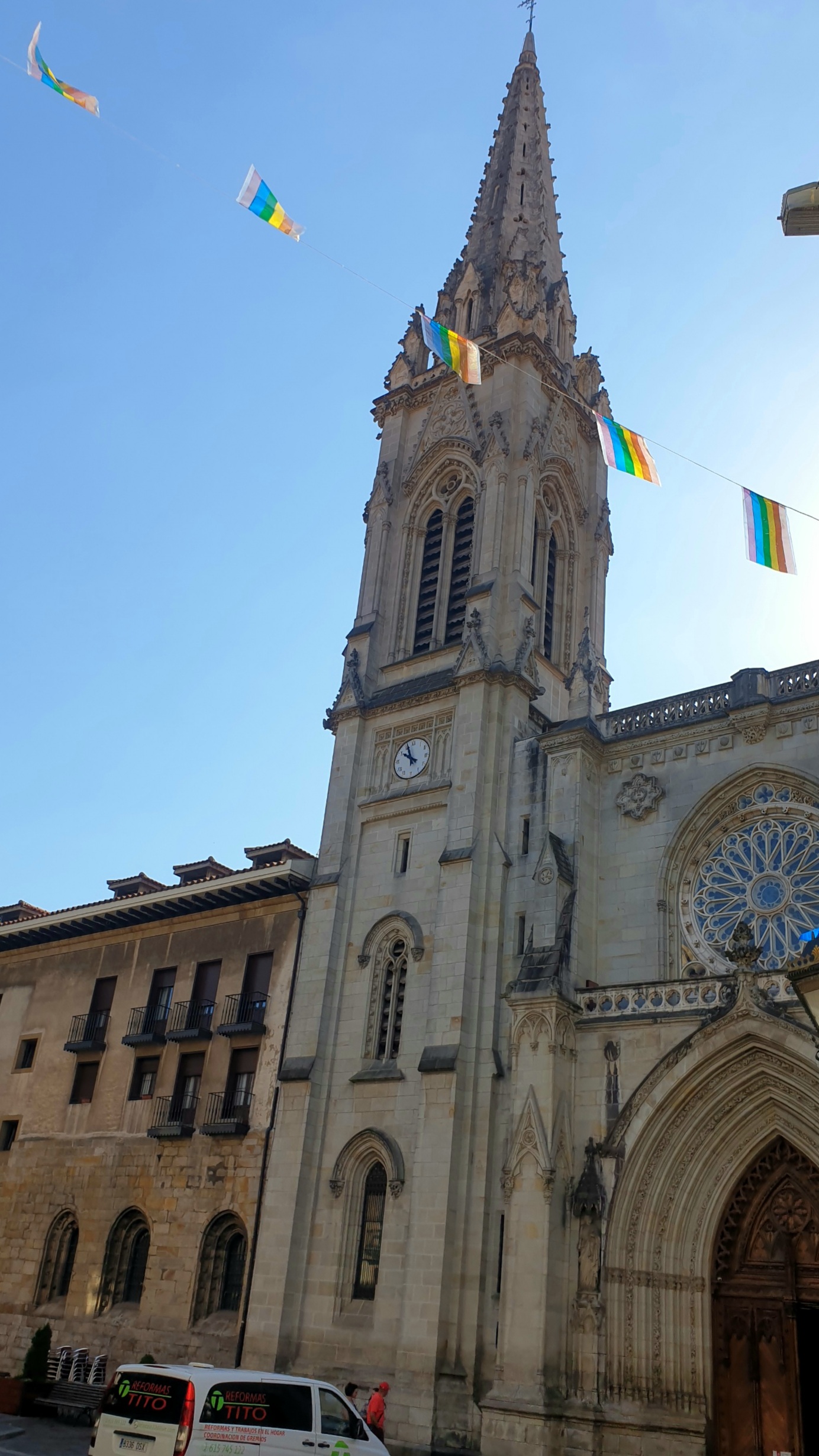
Then just down the hill was the Cathedral Santiago de Compostela with its many hundreds of pilgrims – most of them hard core who’d trekked the many hundreds of kilometres to get there from north, south, east and west.
From the viewpoint of a person of faith, I do hope they find or have found what they are looking for.
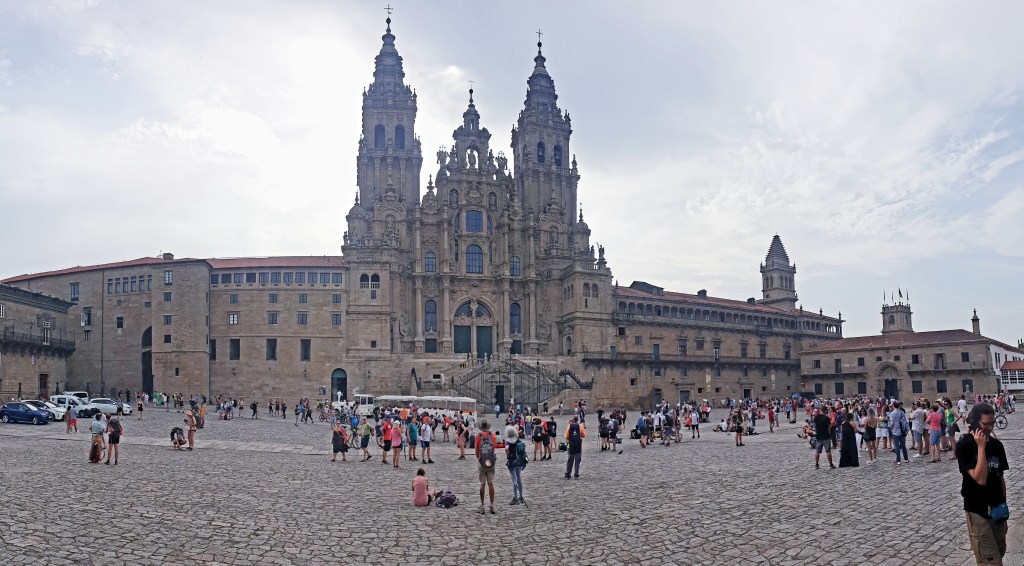
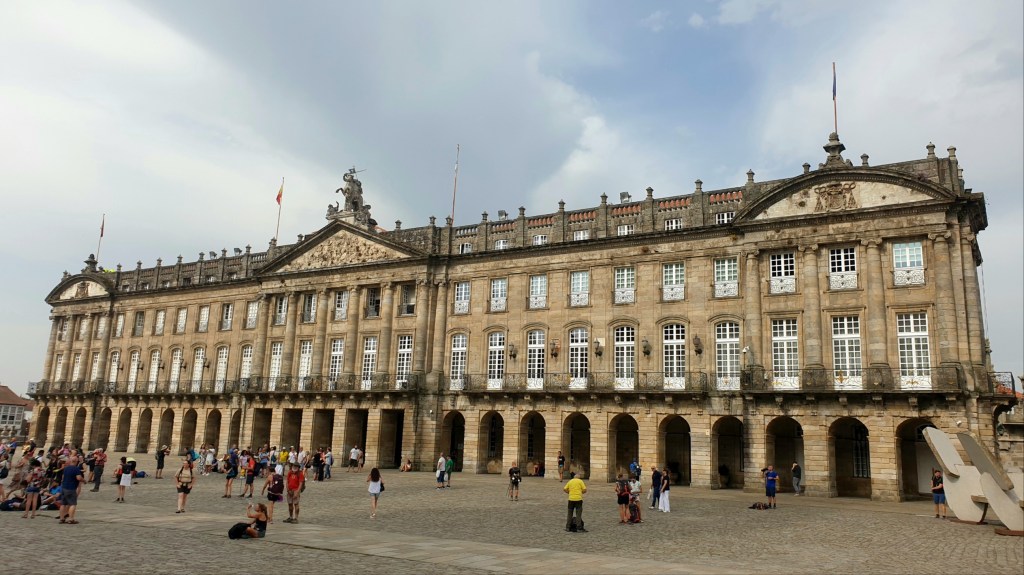
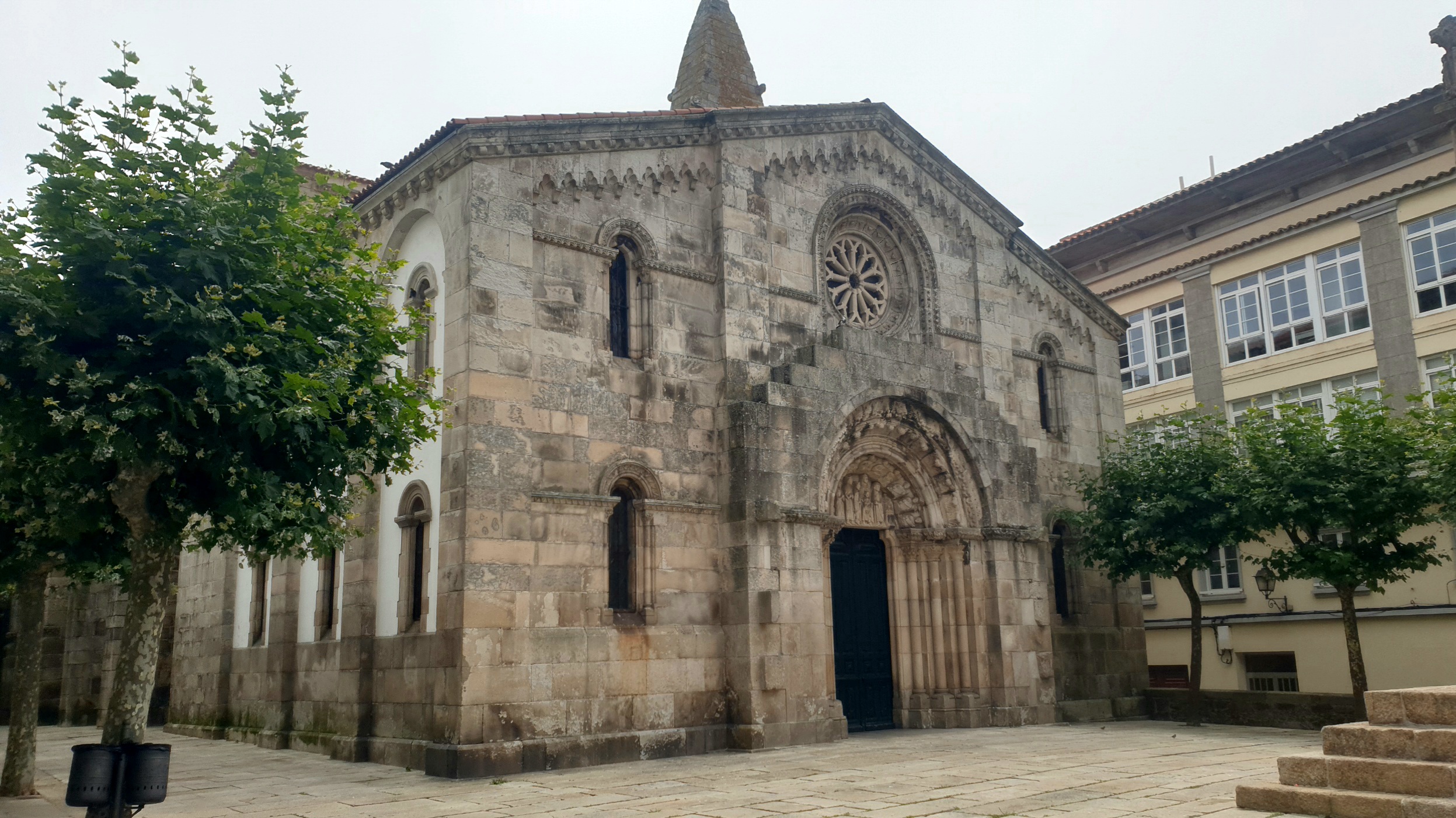
Past the Museo da Terra Santa with the Convento de San Francisco de Santiago right next to it.

It was heating up, over 30c and humid so we indulged in a coffee americano and shared a little cake for lunch.

The rest of the day was uneventful as the temp rose to 35c and we followed the coast road south. It is surprisingly built up along here, which of course meant slow travel, which affected our air conditioner, which made for a not too pleasant ride.
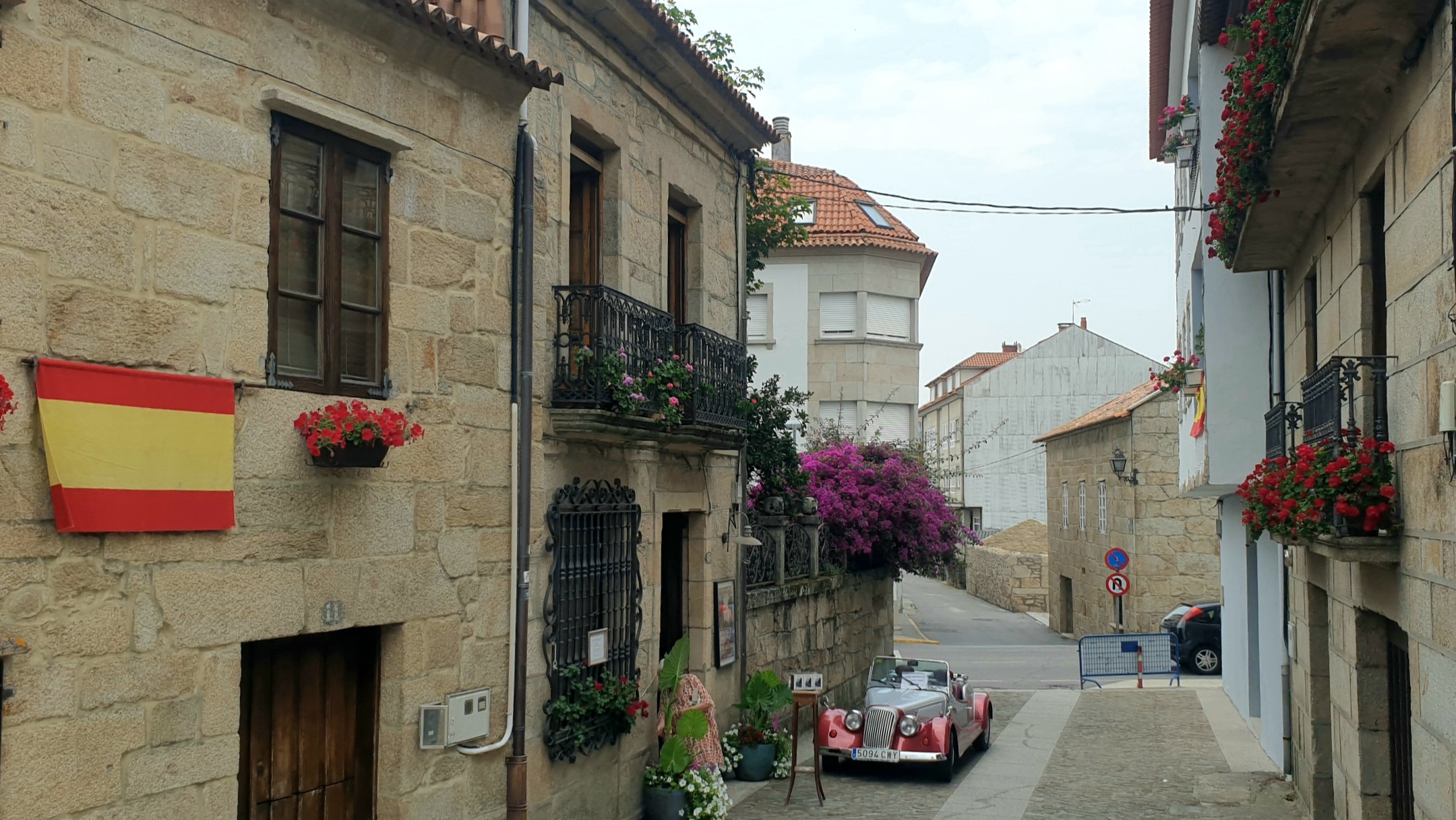
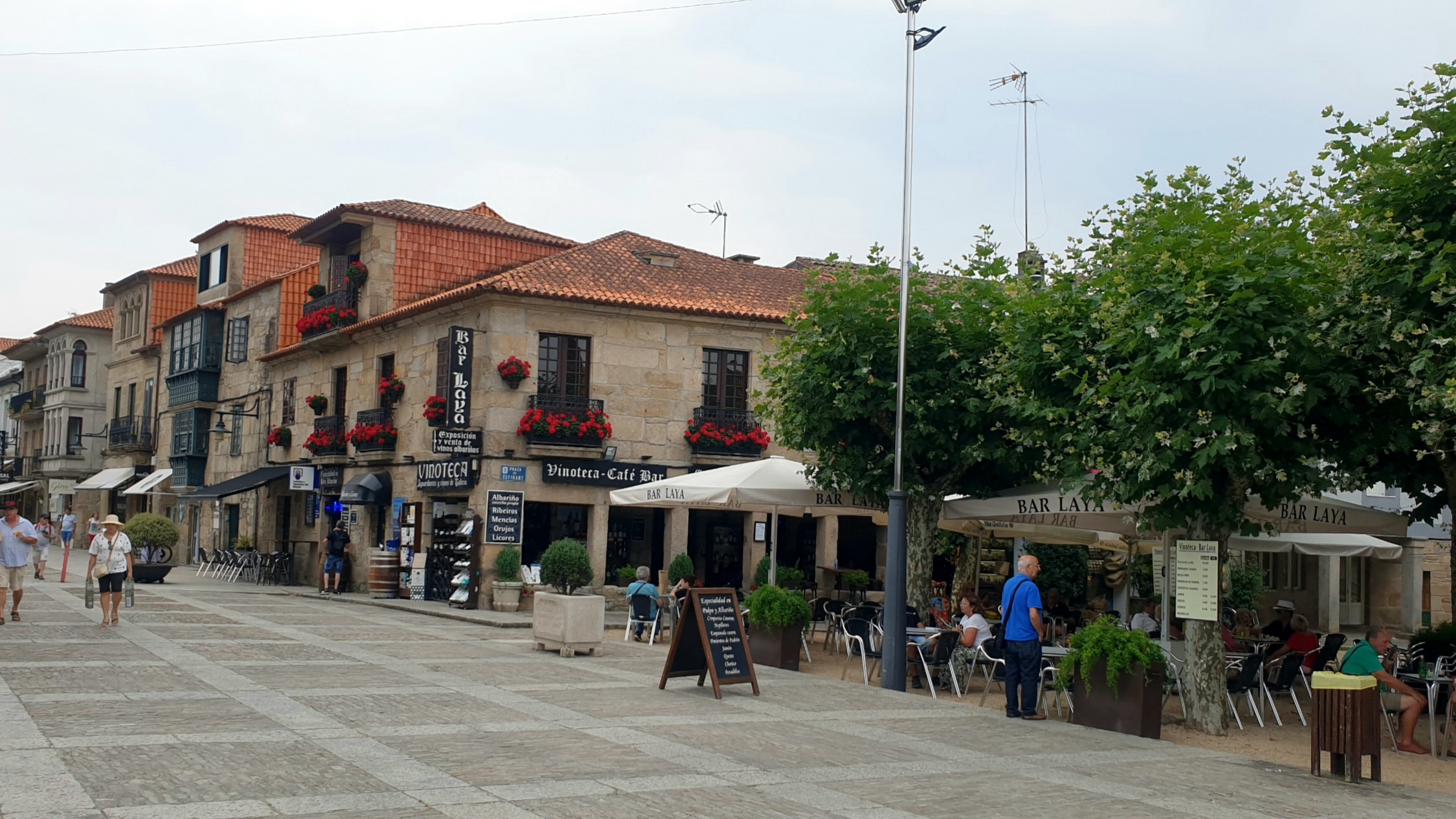
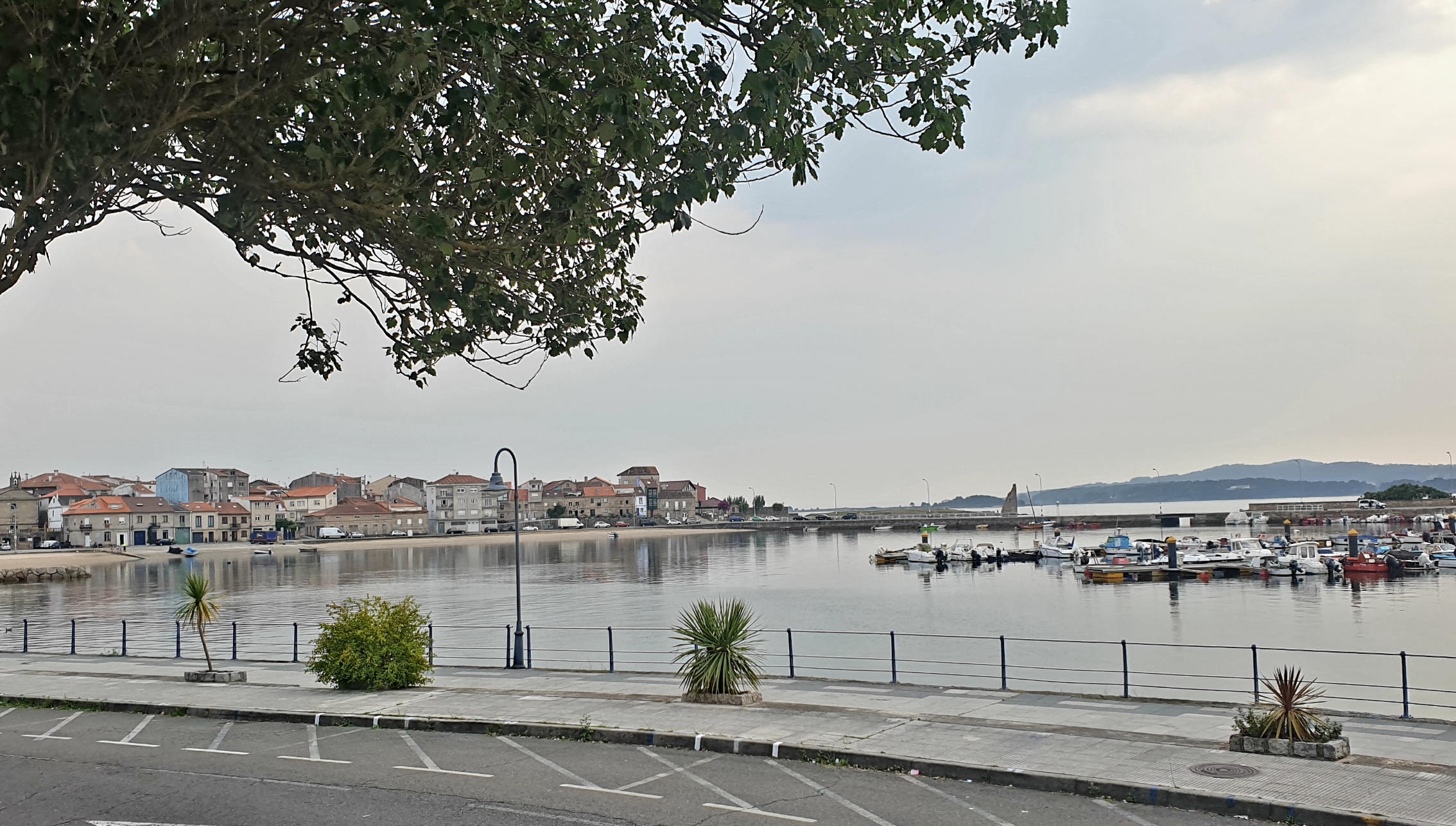
We did a circuit of A Illa de Arousa and then just down the road was Cambados and our very welcome room with soothing shower and a cooling breeze wafting in.

We went for a walk, checked the place out. It has some history from the 16th century, and I dare say a lot earlier than that.
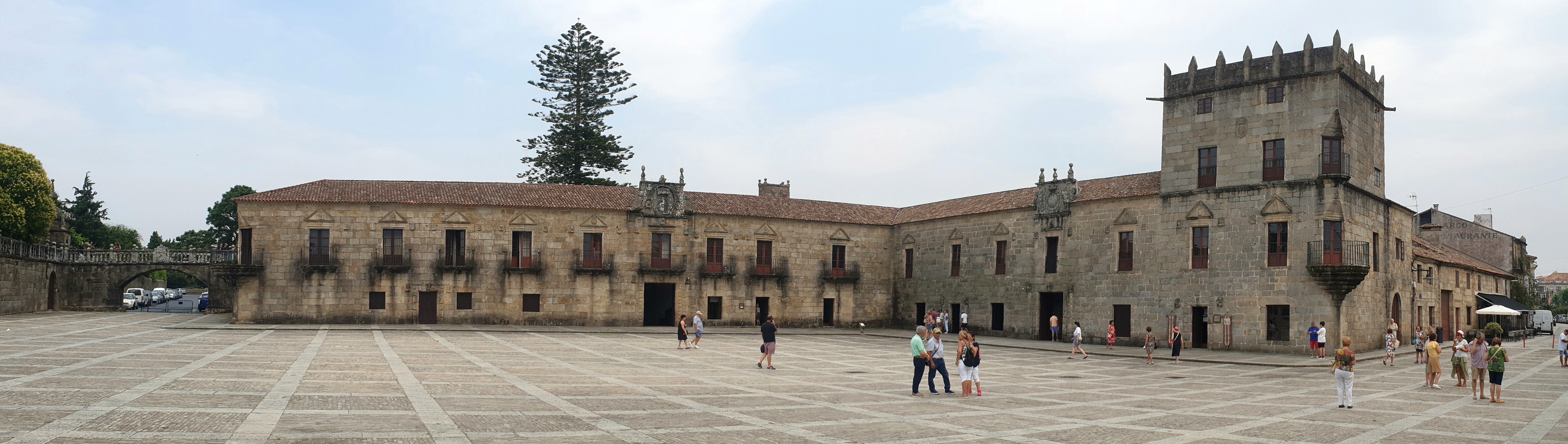
Tomorrow promises to get to 41c, so we’re mentally preparing for that, although tomorrow is Friday so there will be some conciliation.

Fri 15/7 – Cambados to Ourense – 180klm

We’re up and ready to go but the landlord is in no hurry with breakfast so it’s 9am by the time we’re on the road.

However, last night there’d been a storm pass over Cambados, not really enough to cool us there, but it’d given the area east of there a real pasting which was evidenced by all the gutter wash and road litter we encountered as we travised the same area today. But the real score was the lower temps today; we’d been expecting in the order of 40c by midday but it only got to 29c which is a whole lot more bearable. We stopped for a brew – somewhere
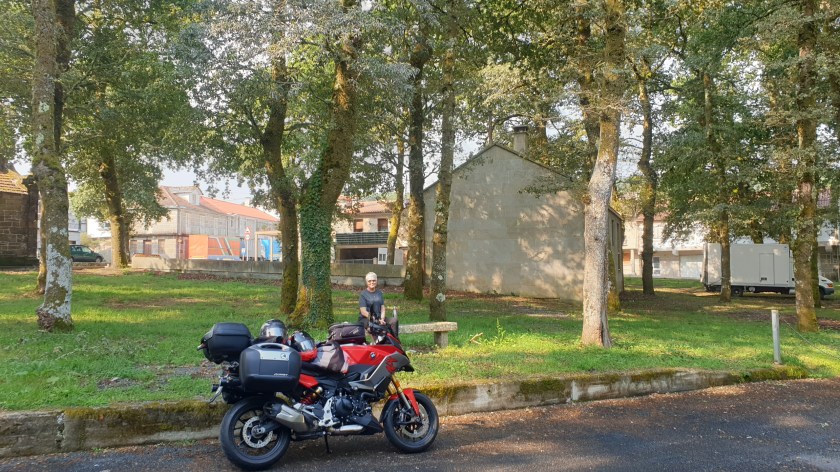
As is our/my norm, we were traveling the road less traveled (I’d say hardly seeing another vehicle for 60klms qualifies), and we passed through at least a dozen small villages to small towns. Here’s the thing, how do they survive? Because not one of them had any arable land around them – just scrub and rocks. I was raised on a farm outside a little town called Paparoa in the north of Auckland, New Zealand, and Paparoa was and still is a darn sight smaller than any of the places we rode through today, yet Paparoa is surrounded by a 100 square kilometres of very prosperous farm land. So how/where do they make a living? Just saying.

You want rocks? I’ll give you rocks!

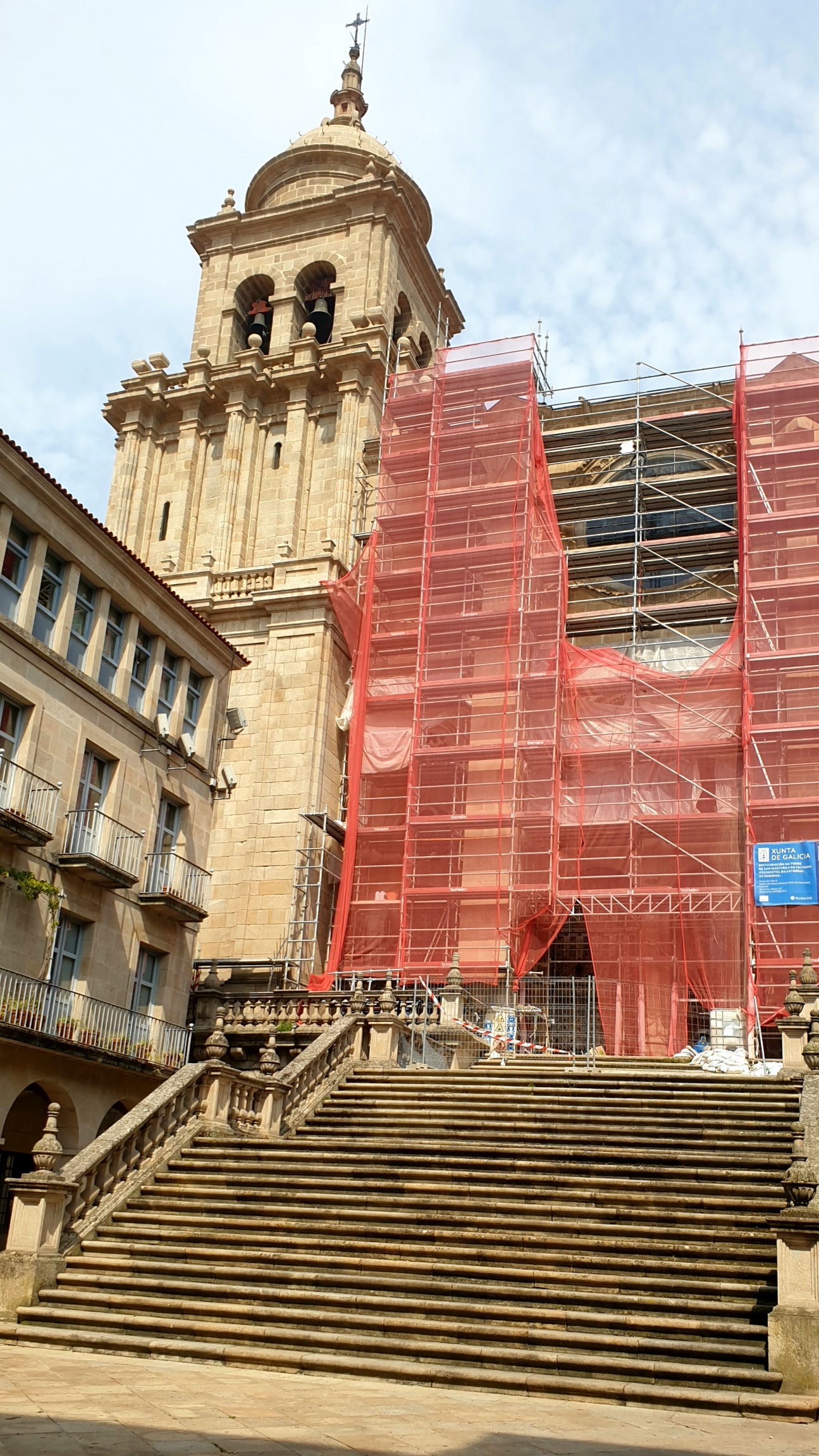
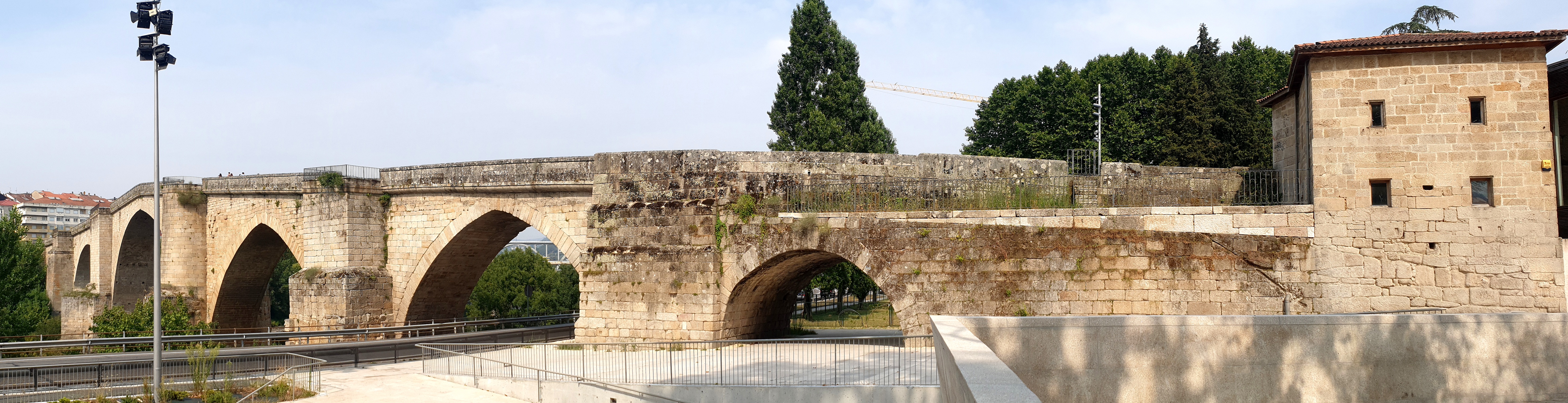
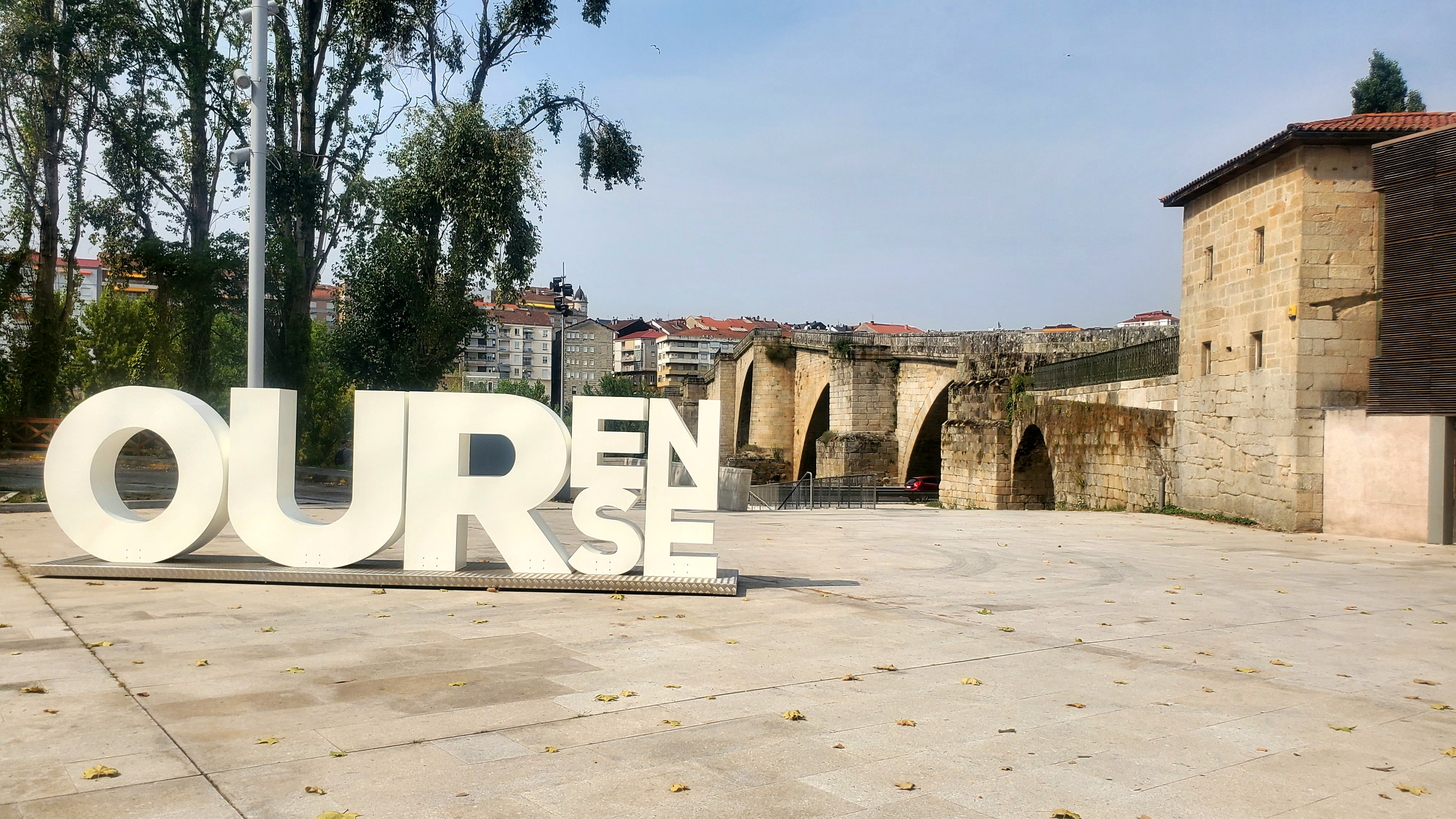
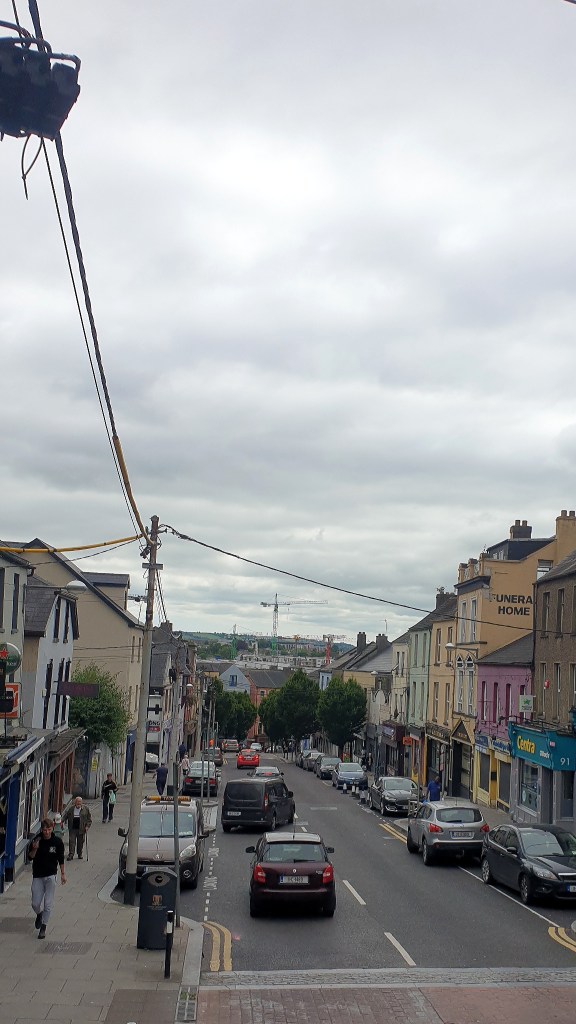
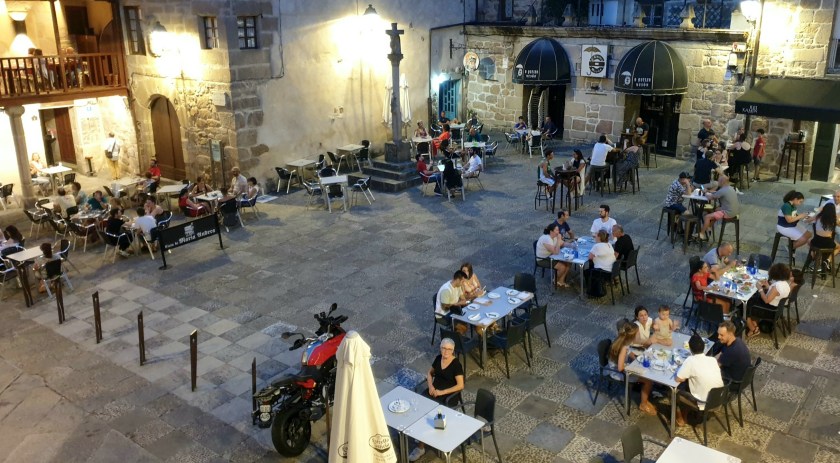
We rocked into Ourense at around 12.30 and found our way to our digs in this like plaza. One of the great advantages of riding a motorcycle is that you just ride straight in, one way lanes mean nothing.

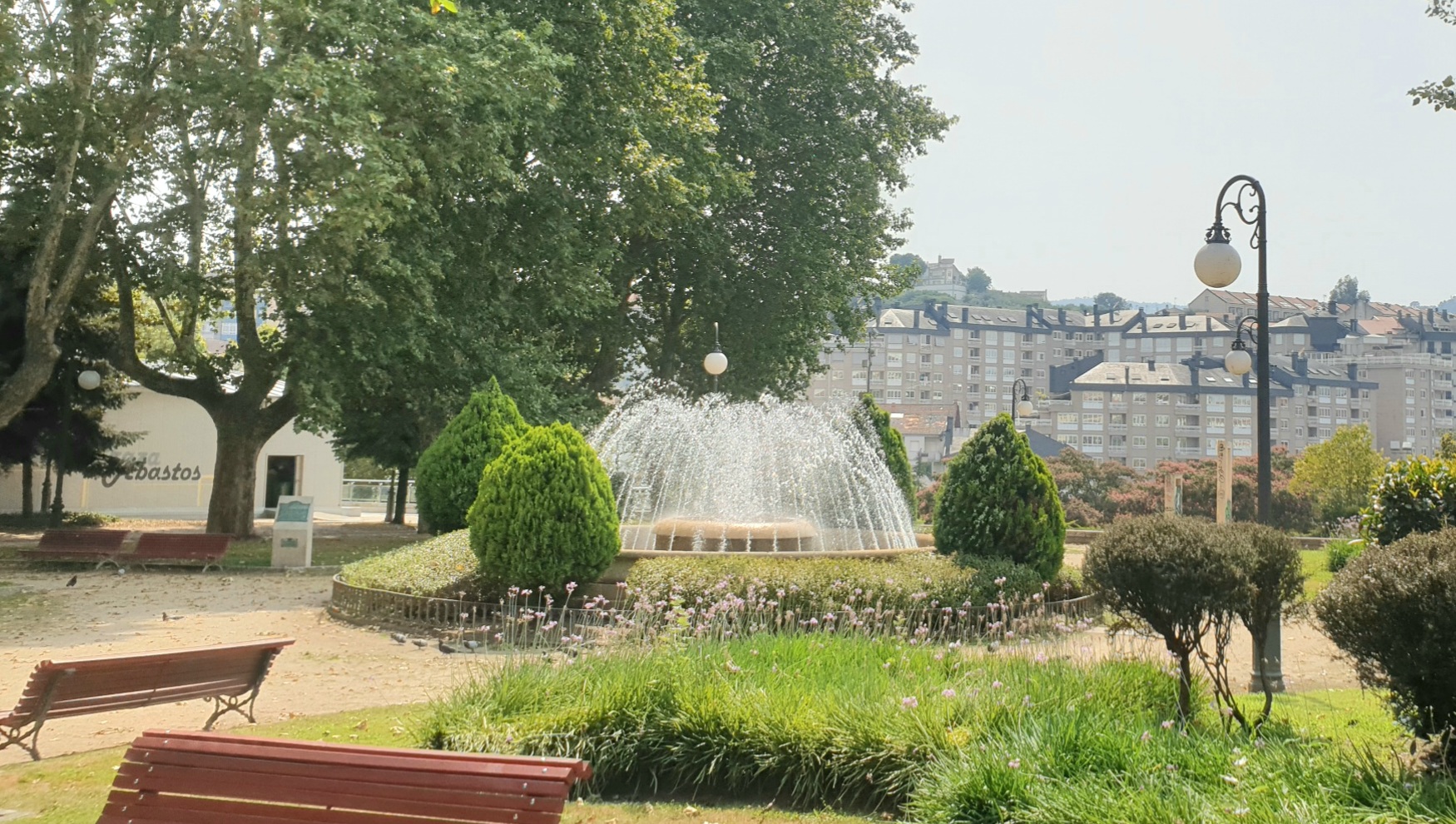
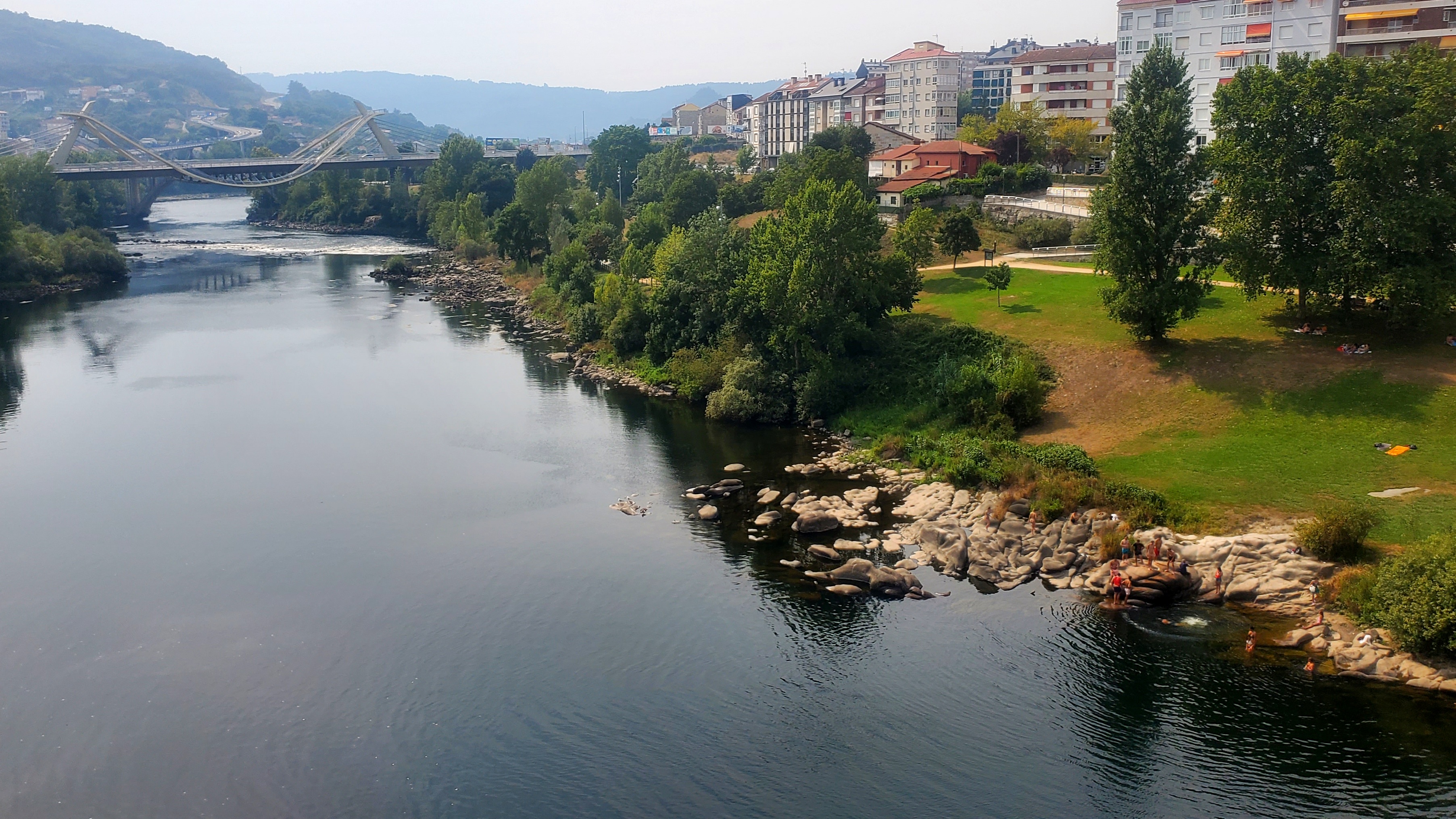
We showered and snoozed a bit then ventured out at 6pm; it was very hot by now. There’s hardly any people in these pics – that’s because no-one else was stupid enough to be wandering around in the heat.

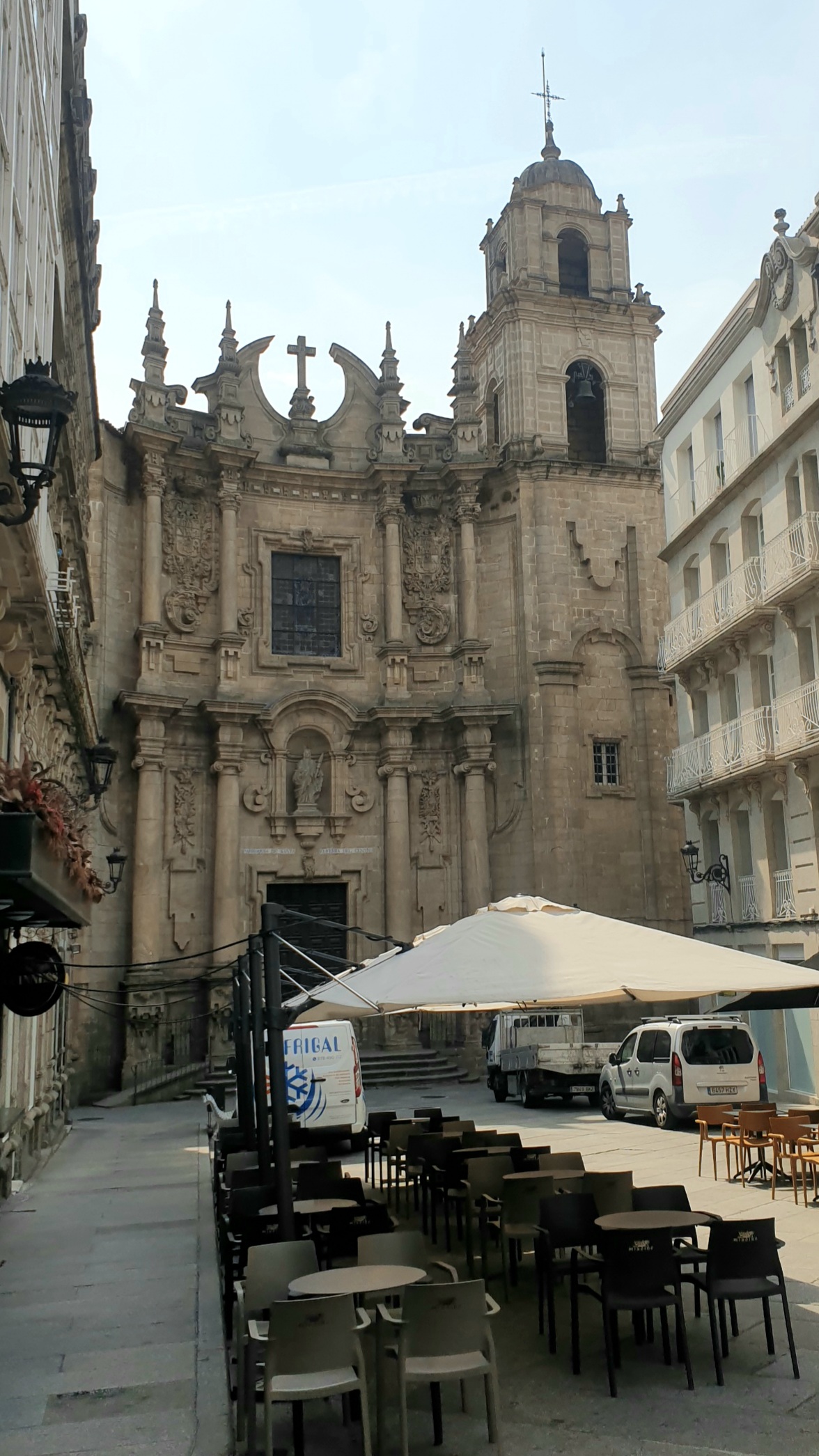
It cooled down about 9pm so we joined the locals in our own private little praza. We left them to it around 11pm – they kept at until 5am, right outside our double glazed window. It was a good thing we had a room with air conditioning.
Sat 16/7 – Ourense to Porto – 200klm
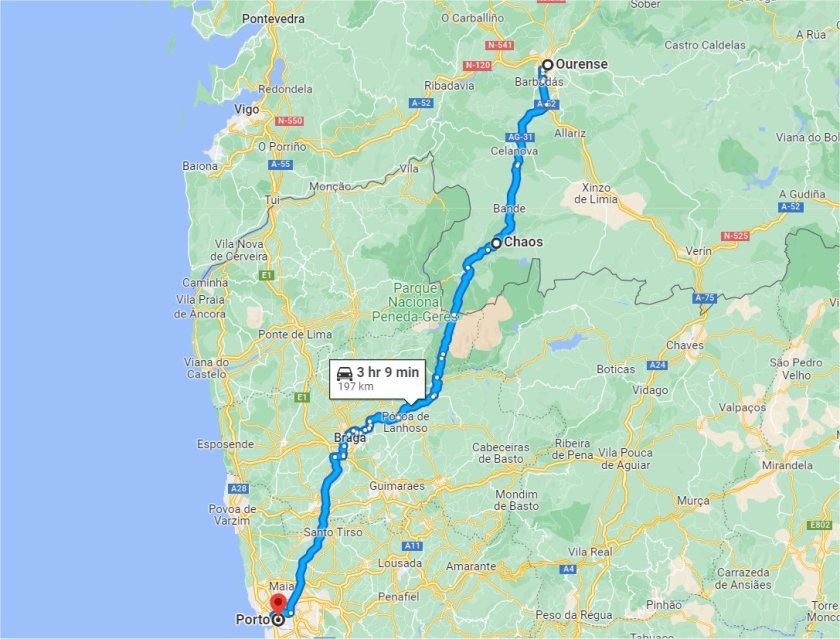
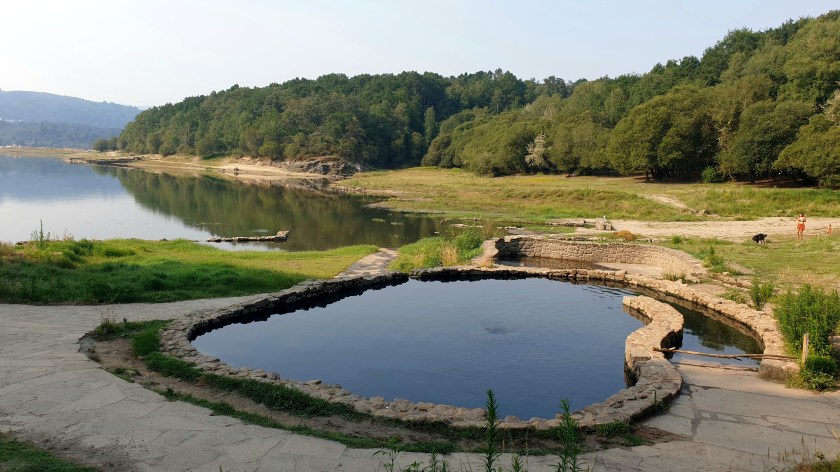
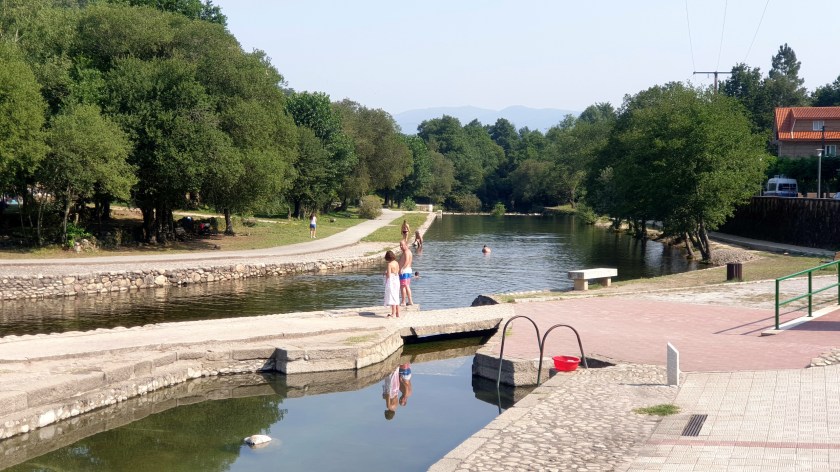
It was pleasant day for a ride so we headed south and west. 50klms down the easy, sweeping and undulating road we came to Roman Caldaria of Bande, an ancient Roman fort by a reservoir with hot springs which are popular for bathing in warm, mineral-rich water. There were quite a number of campers there.
Another 30klms and we stopped at Caldas de Lobios in the village of Bubaces, which is in the Baixa Limia-Xurés Natural Park. It is specifically known for it’s hot springs.
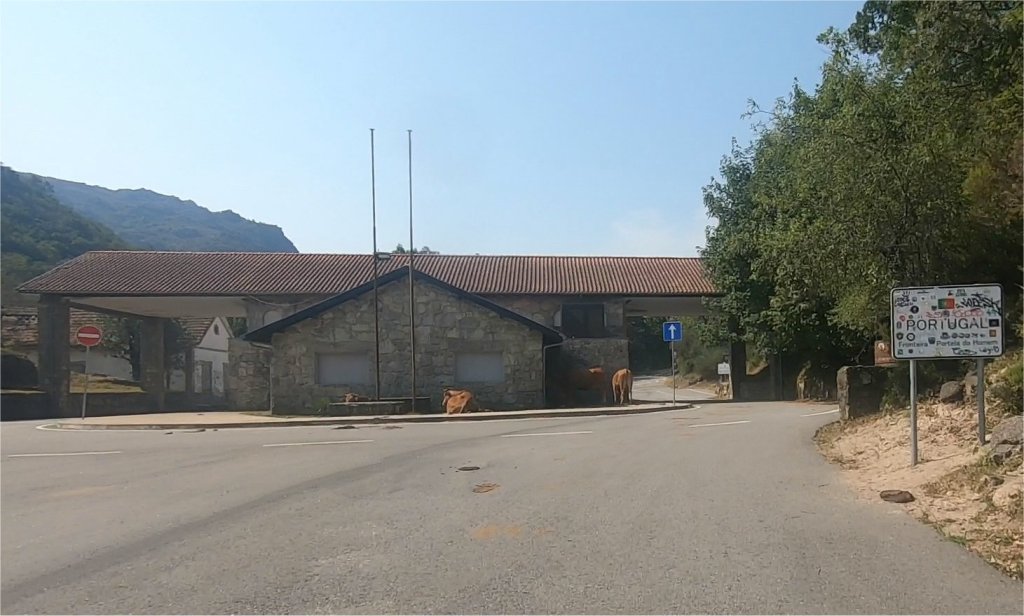
We were pretty much immediately in Portugal – the border guards showed no interest
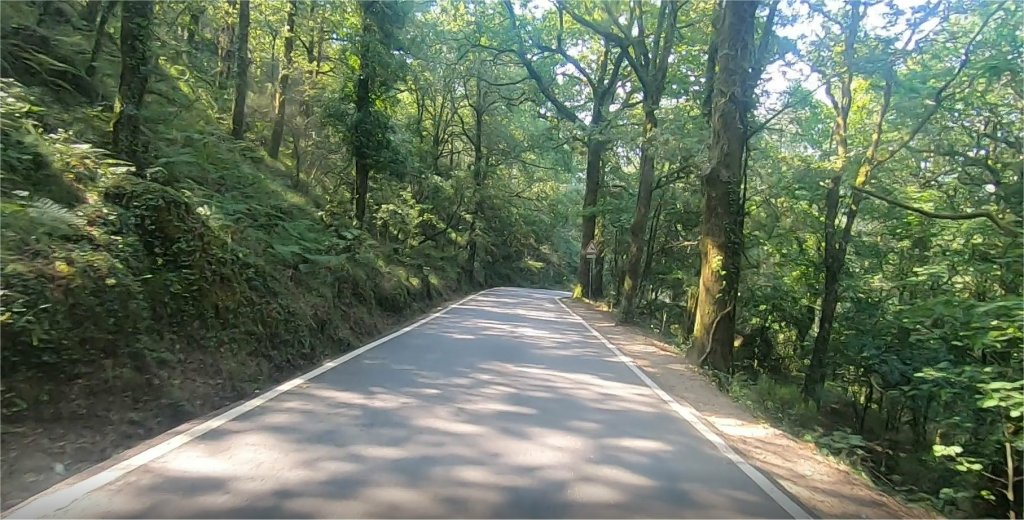
The N308-1 wound us up and down and through the Peneda Gerês National Park with its historic villages and fantastic scenery. The top end of the road was virtually deserted.
We eventually popped out at Vila da Veiga at the top end of the dammed Cavado River which is a large lake that is extremely popular with holiday makers – they’re everywhere. We stopped for a coffee.

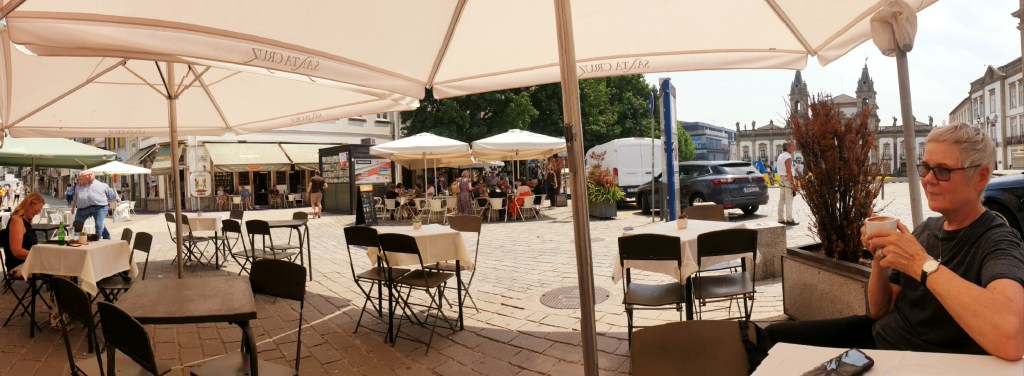
Then continued on to Braga where we stopped for another coffee and some tapas amongst the tourist throng.
It was heating up so we took the sooks way out and hit the freeway for the final 45klms into Porto where we lodged in to our nice little apartment.

Sun 17/7 – Porto Lay Day

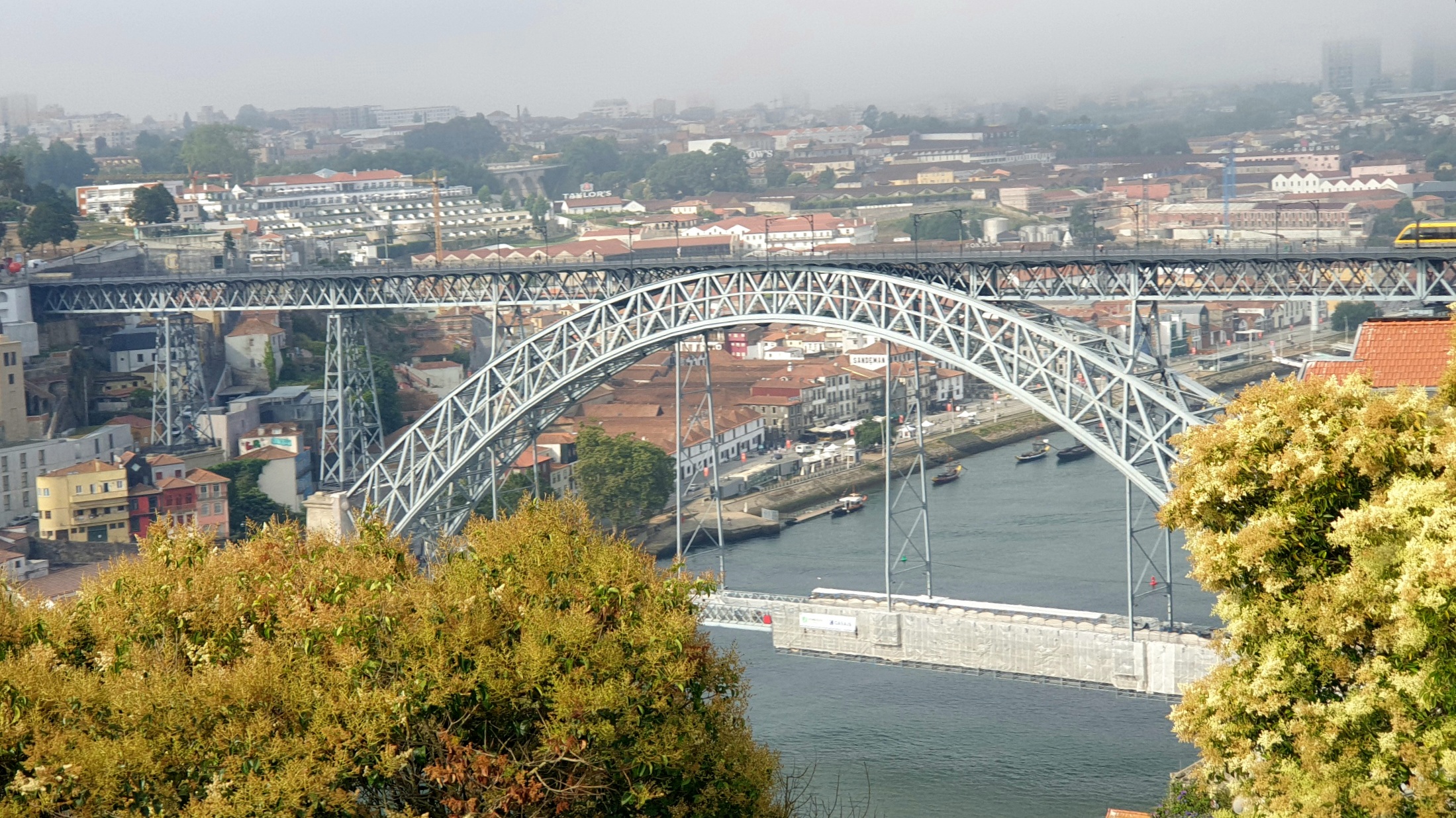
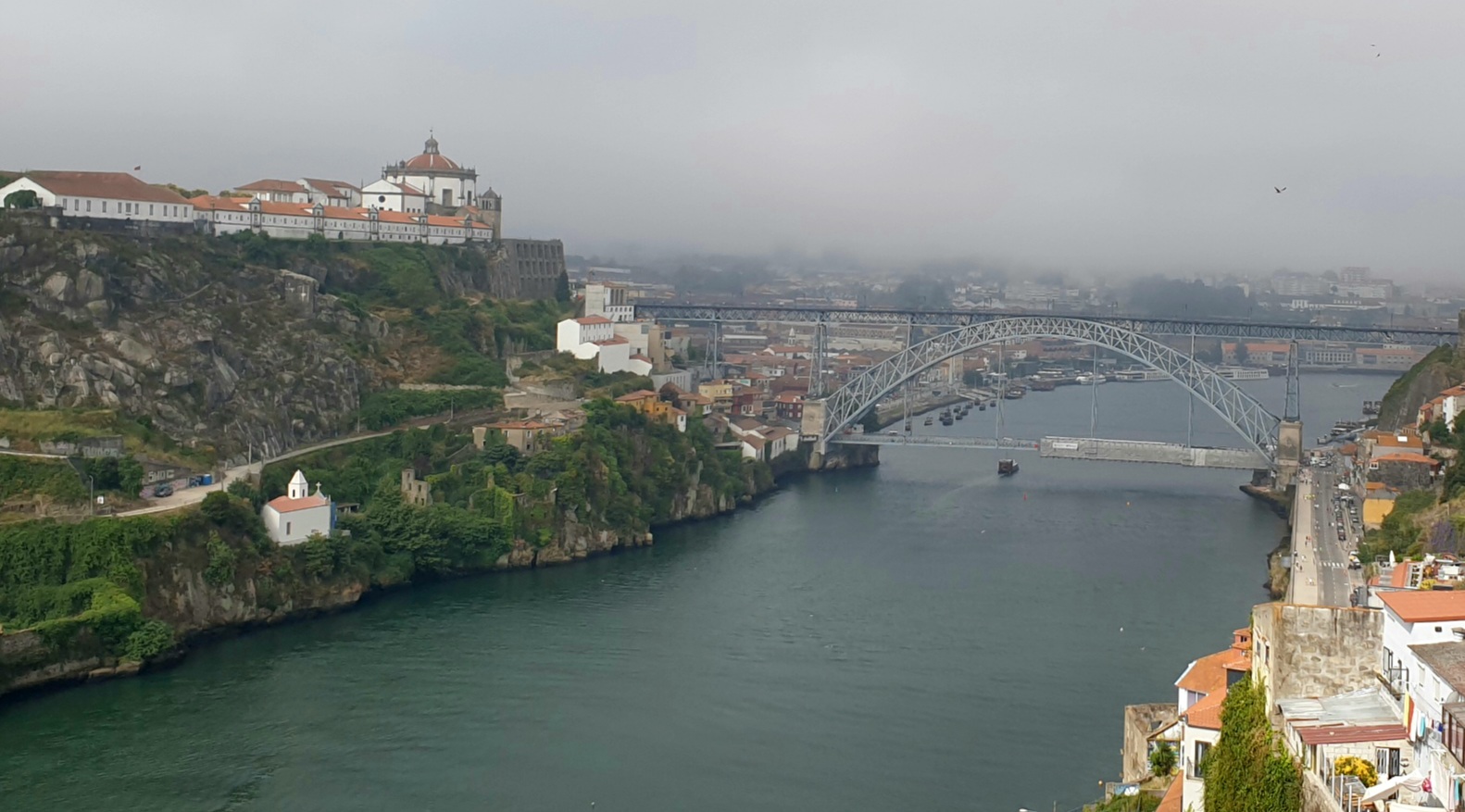
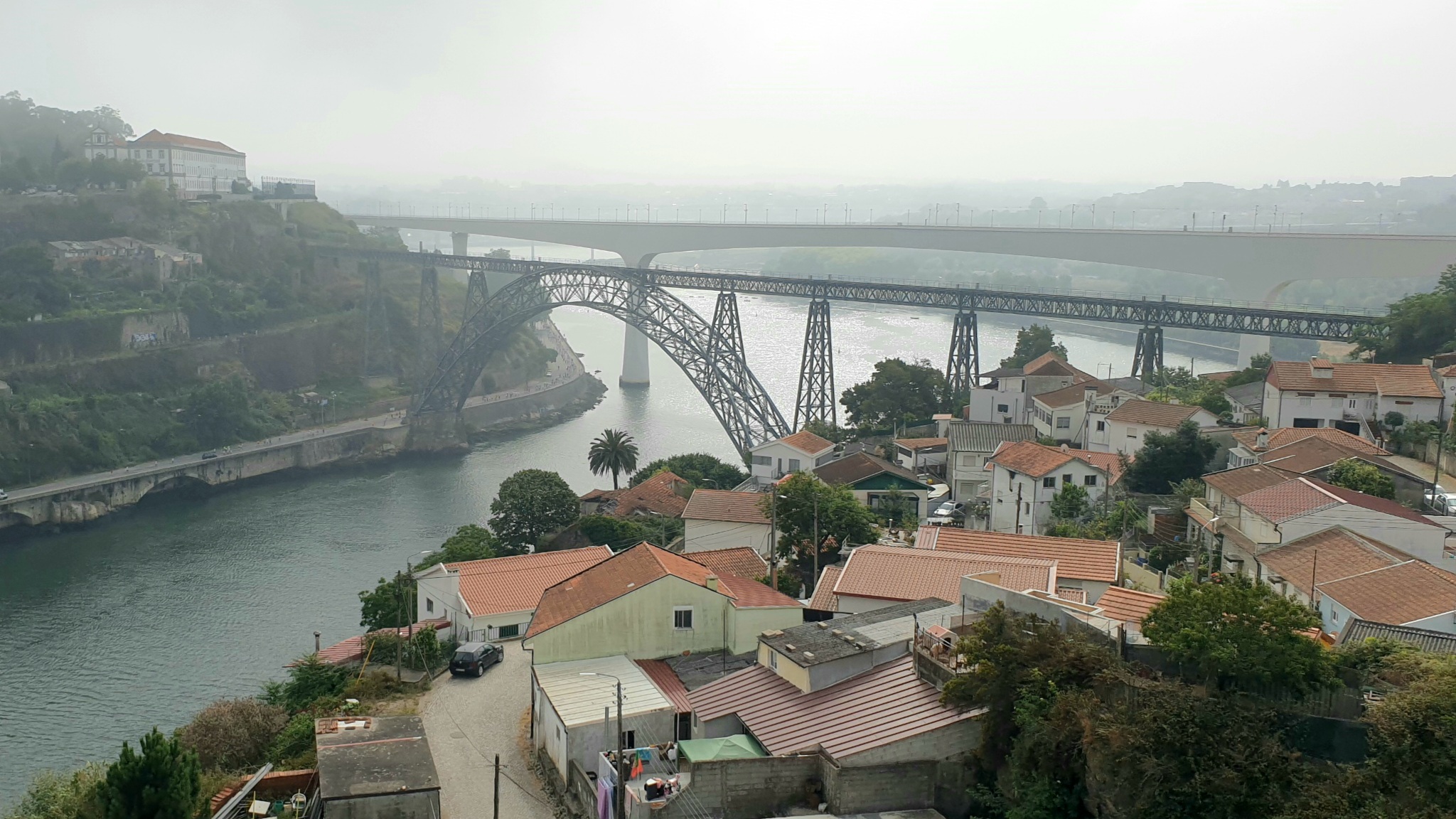
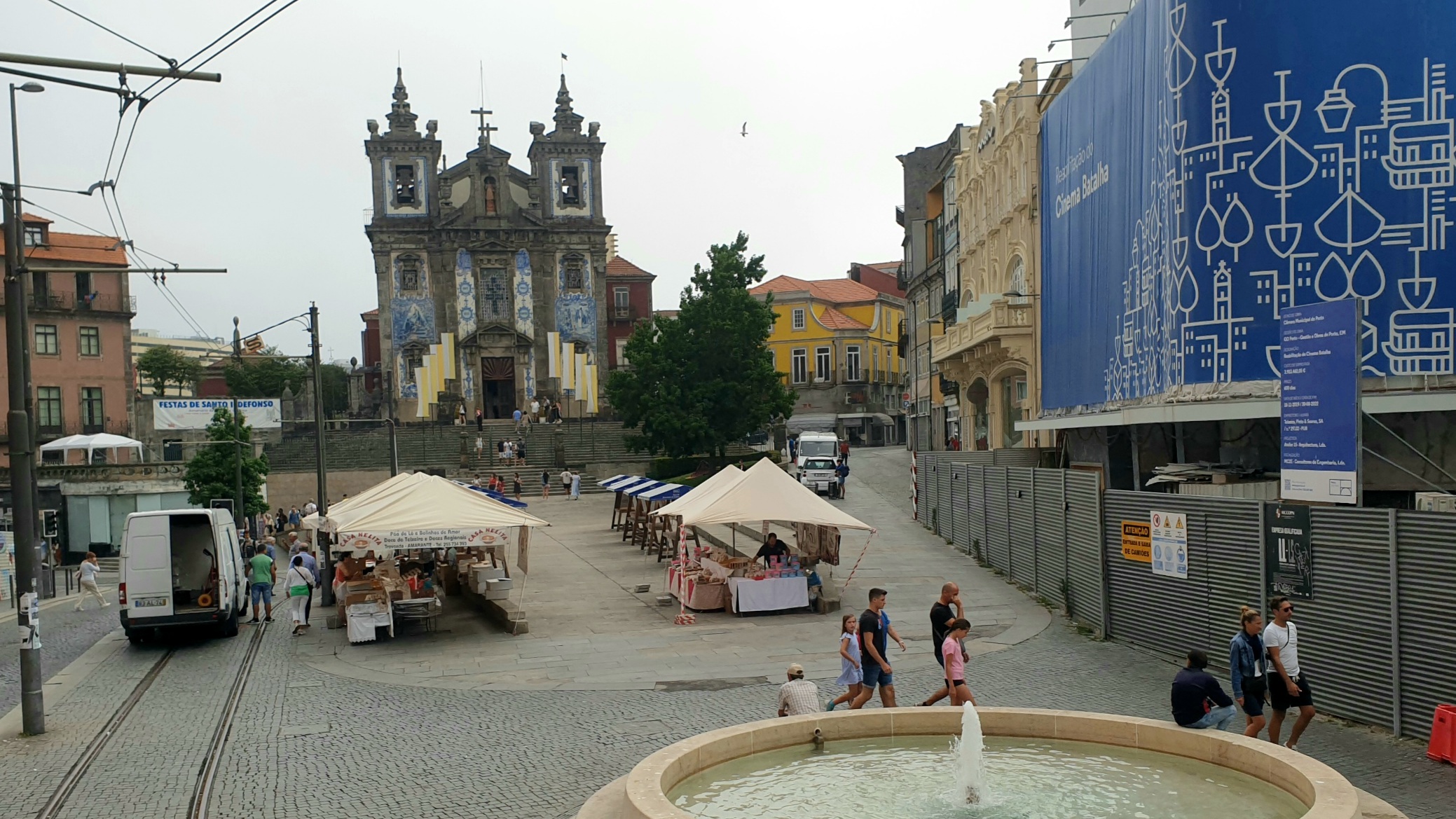
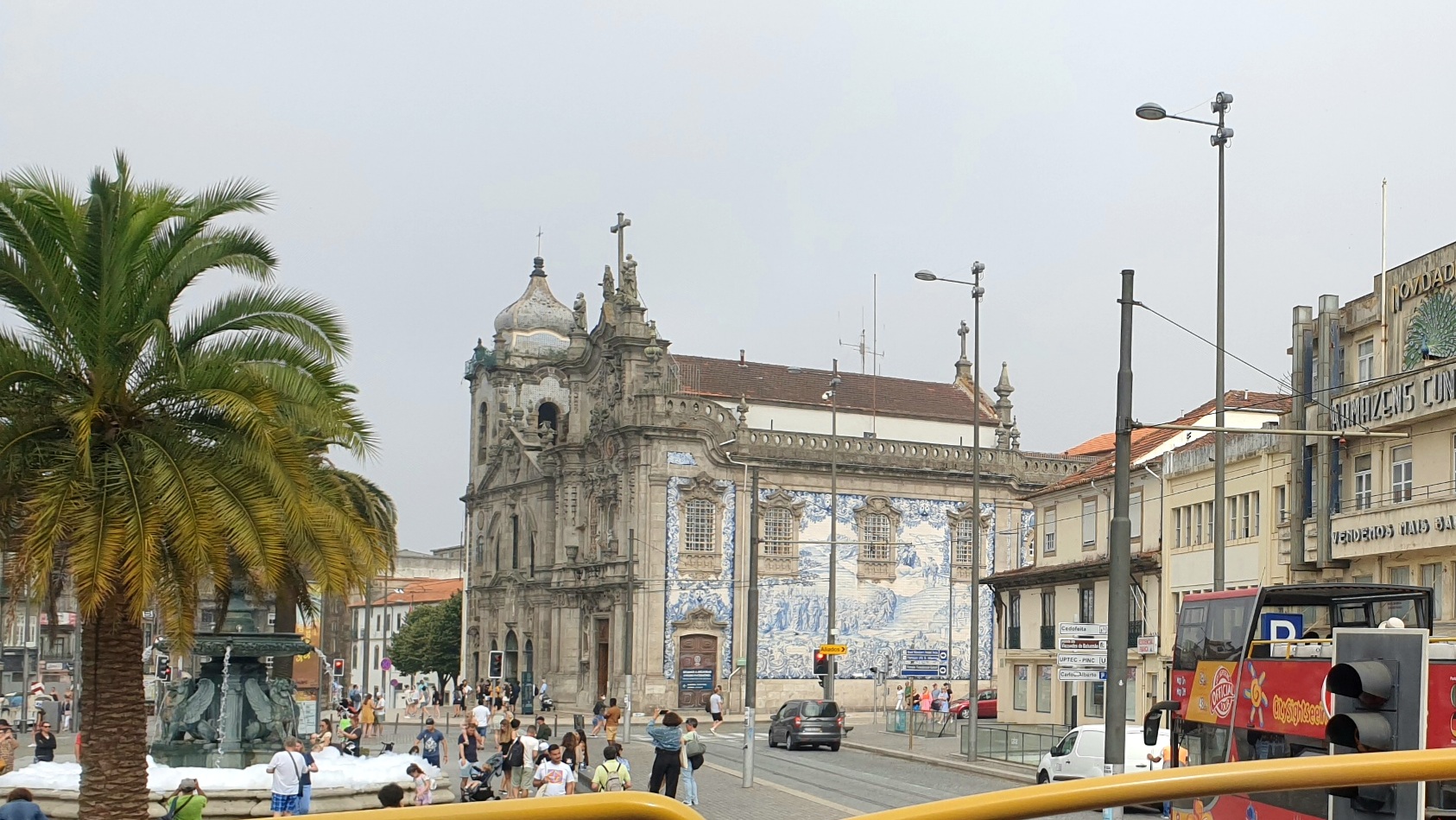
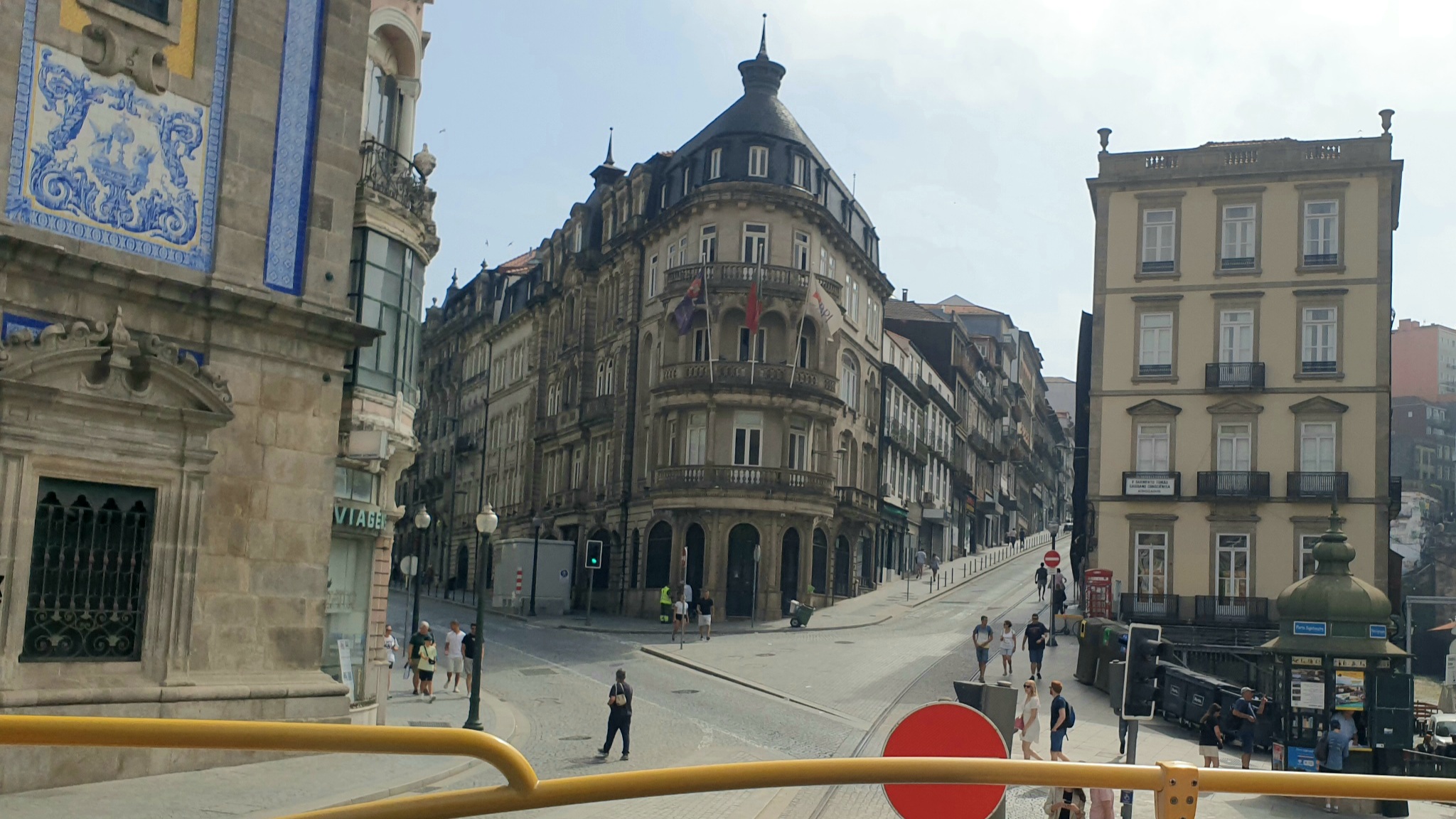
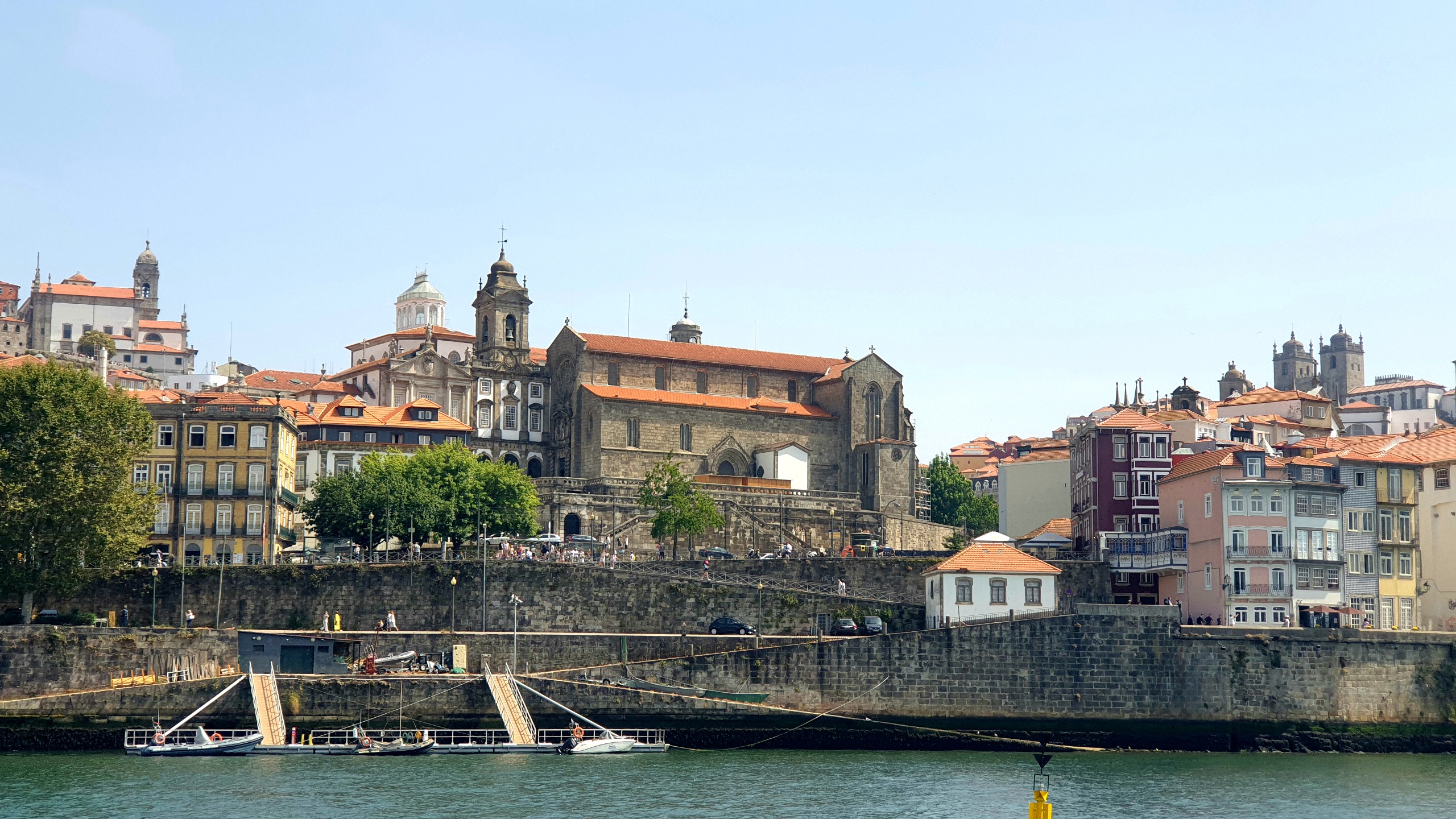
We took 8 hours and saw as much of this wonderful city as we could.
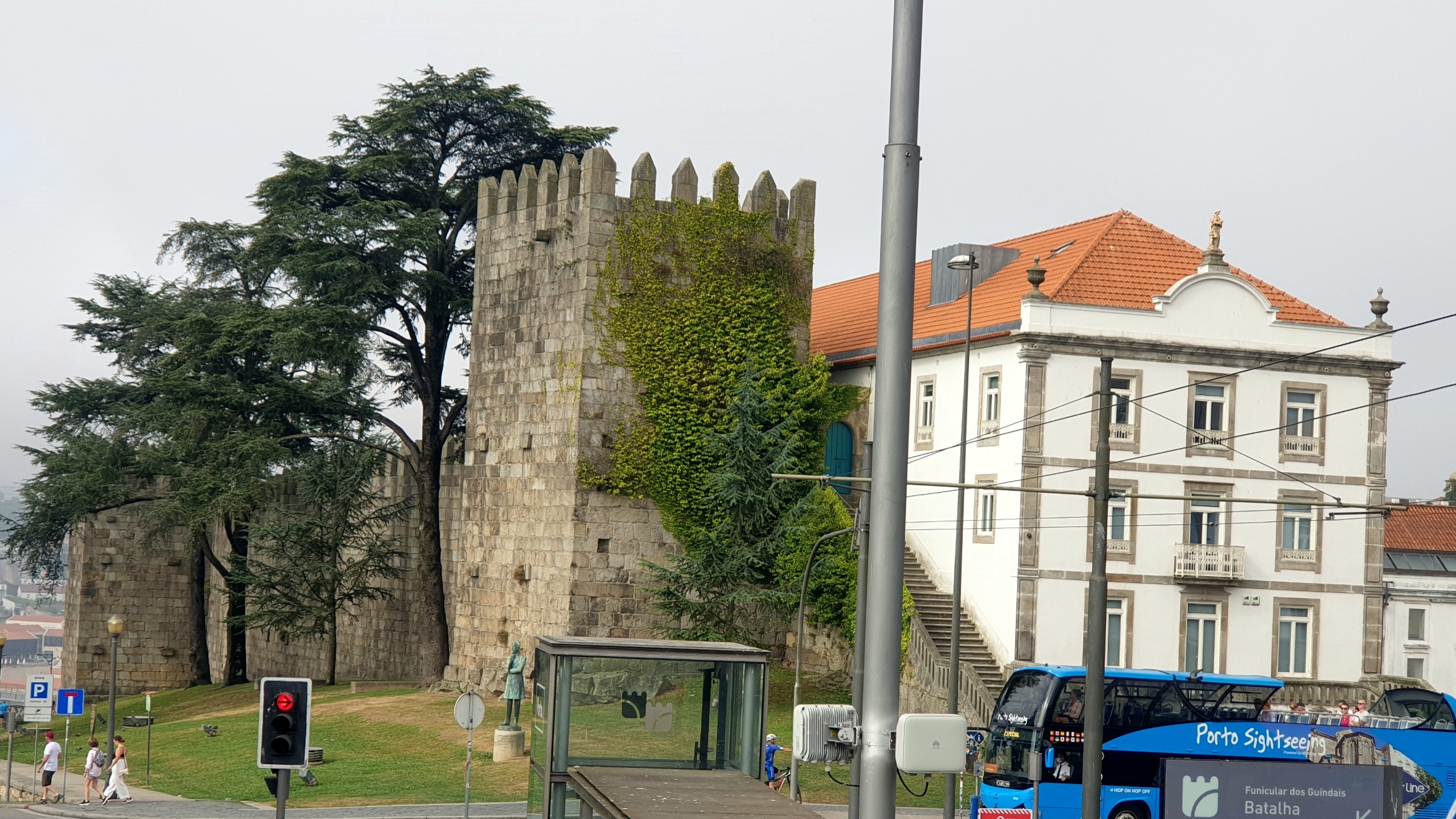
First, a Hop-On-Hop-Off bus trip which I have to say was quite a disappointment in terms of commentary.
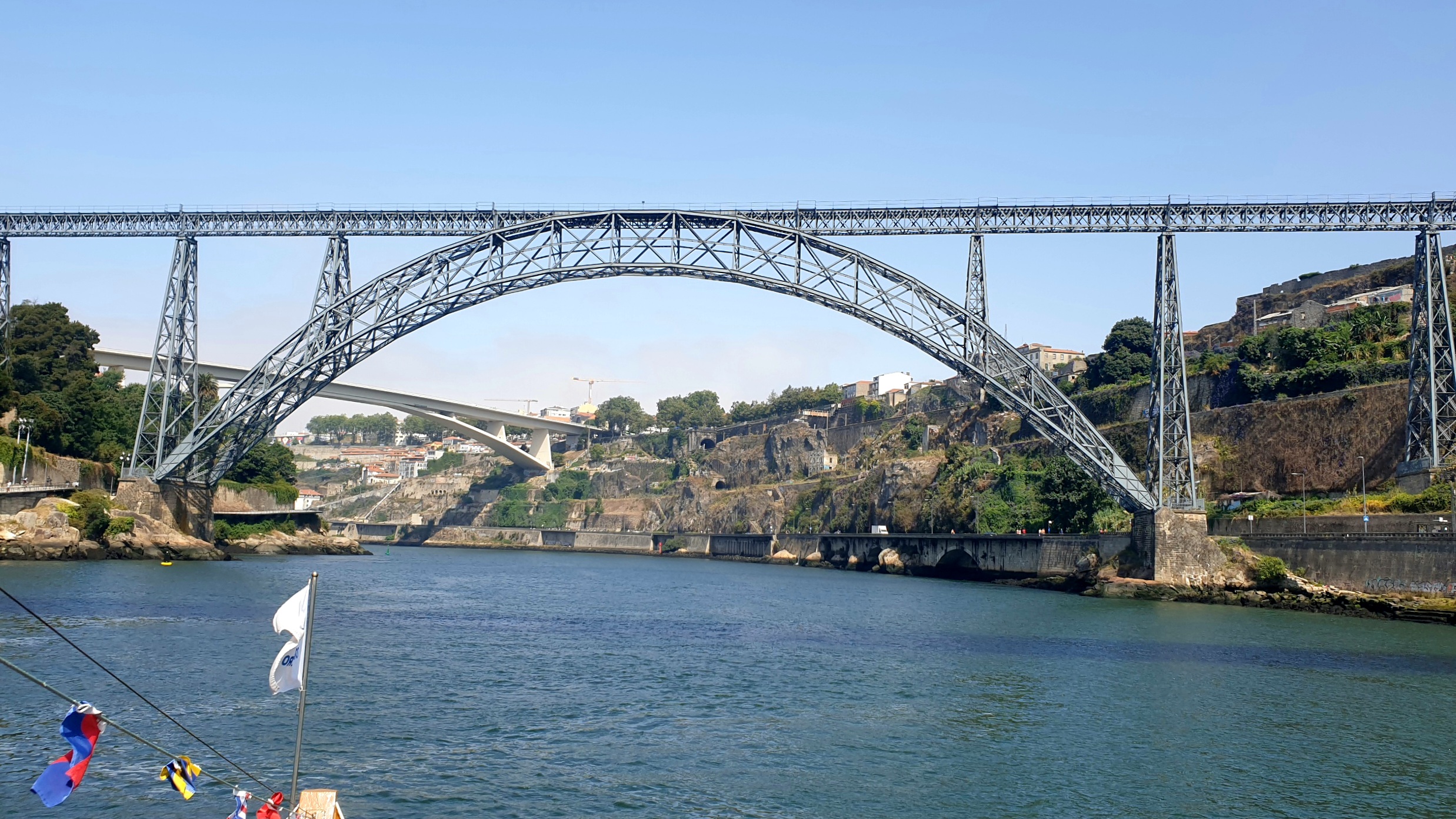
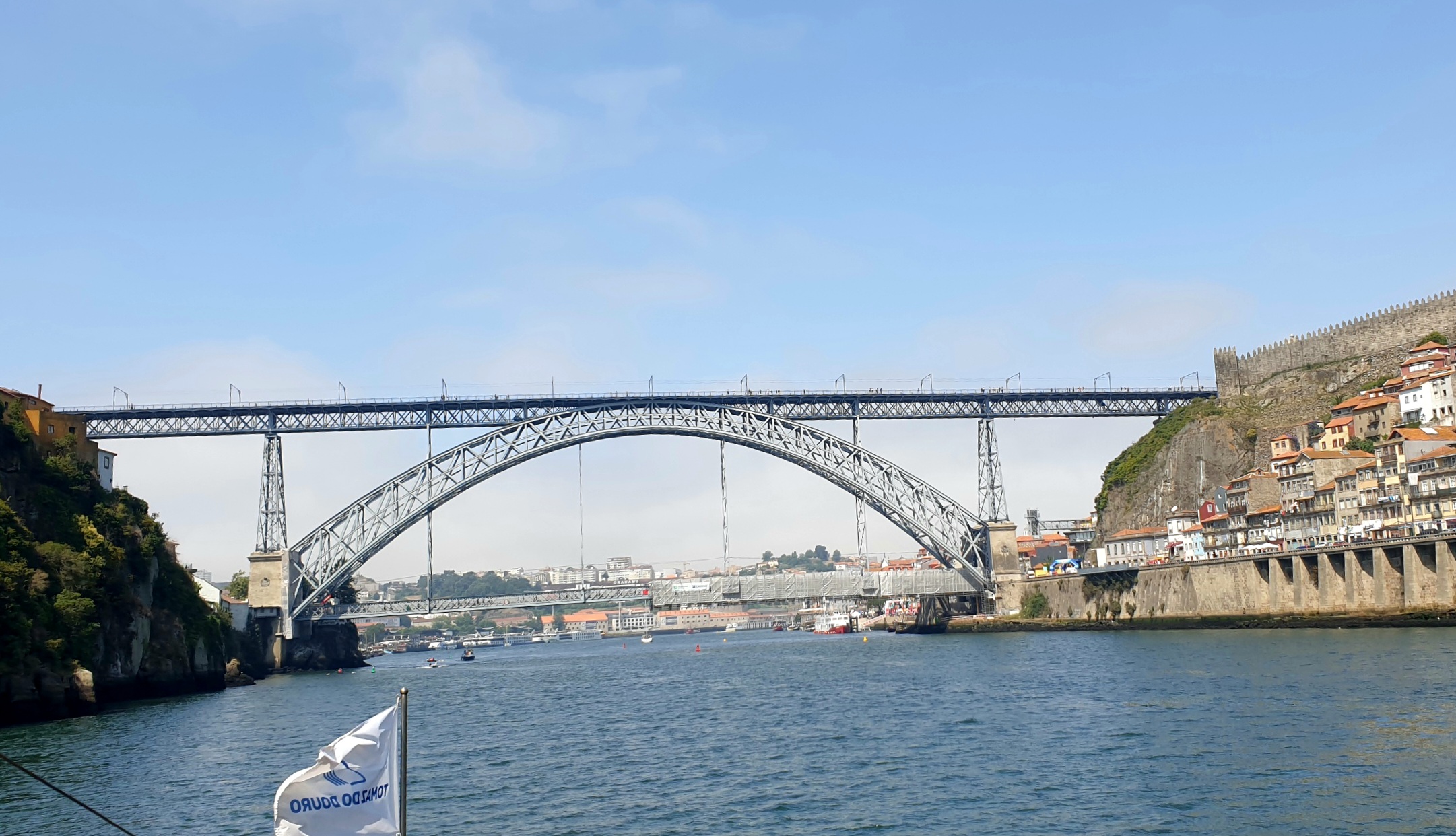
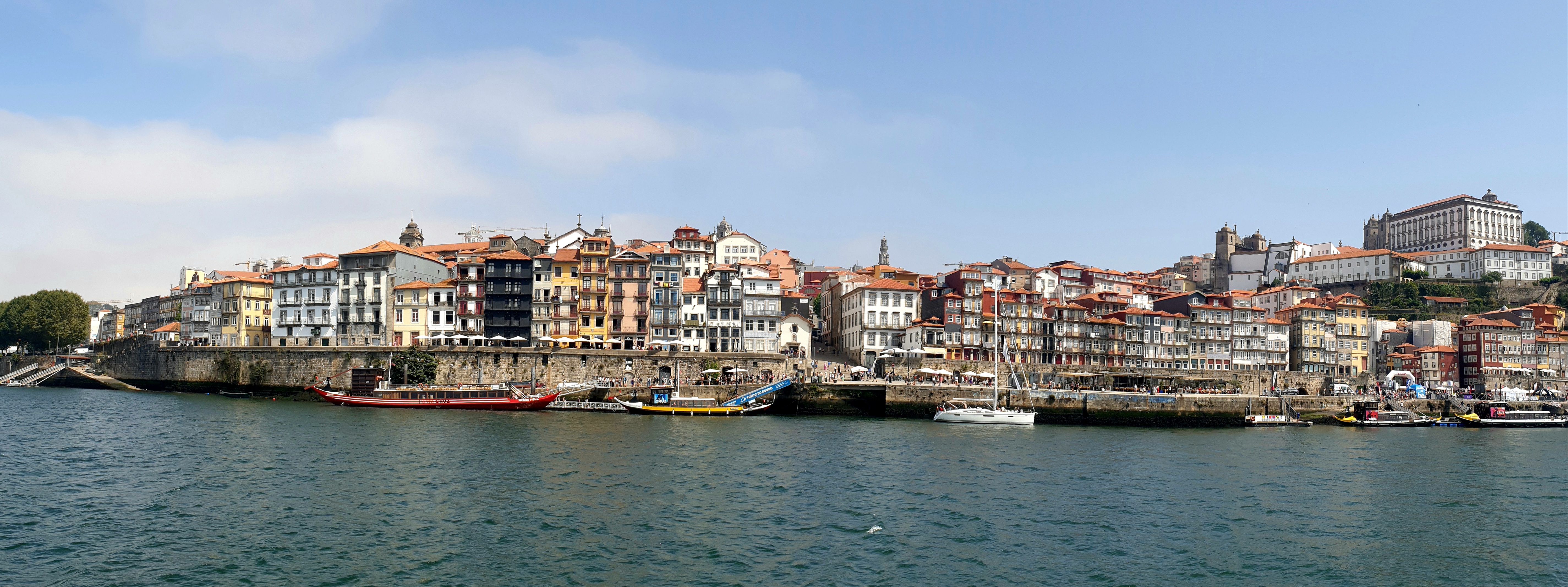
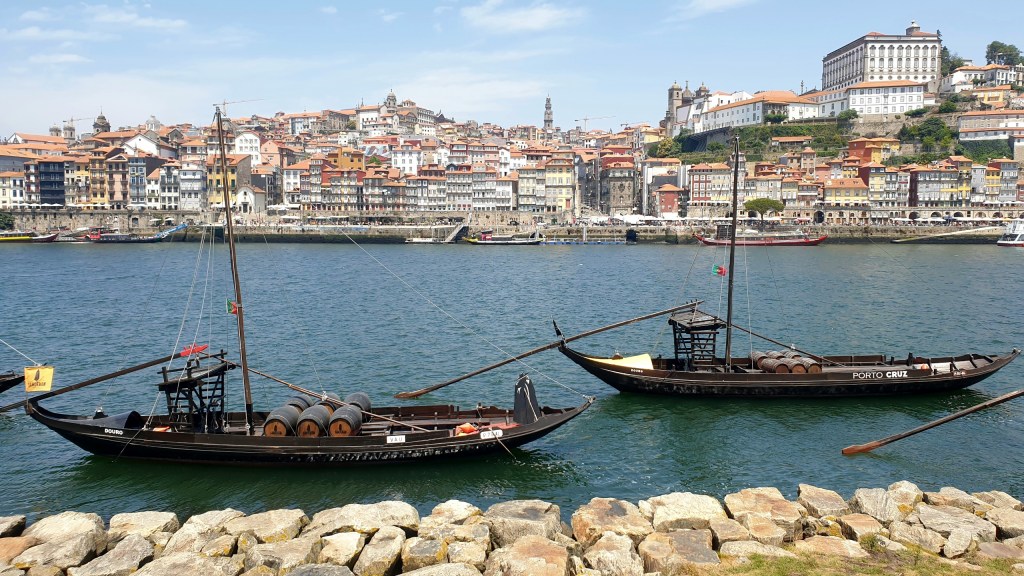
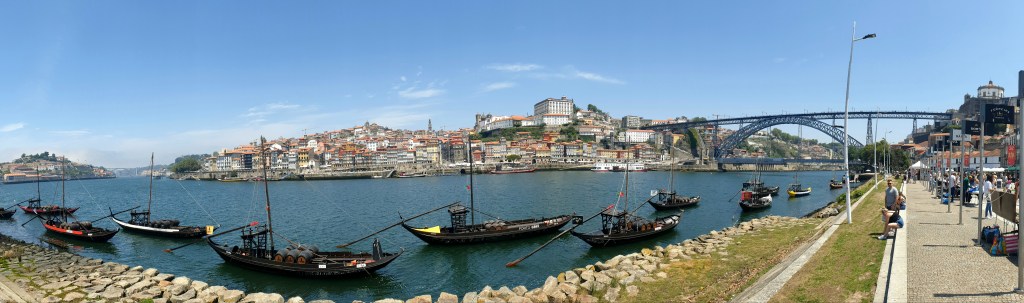
Followed by a River Cruise.
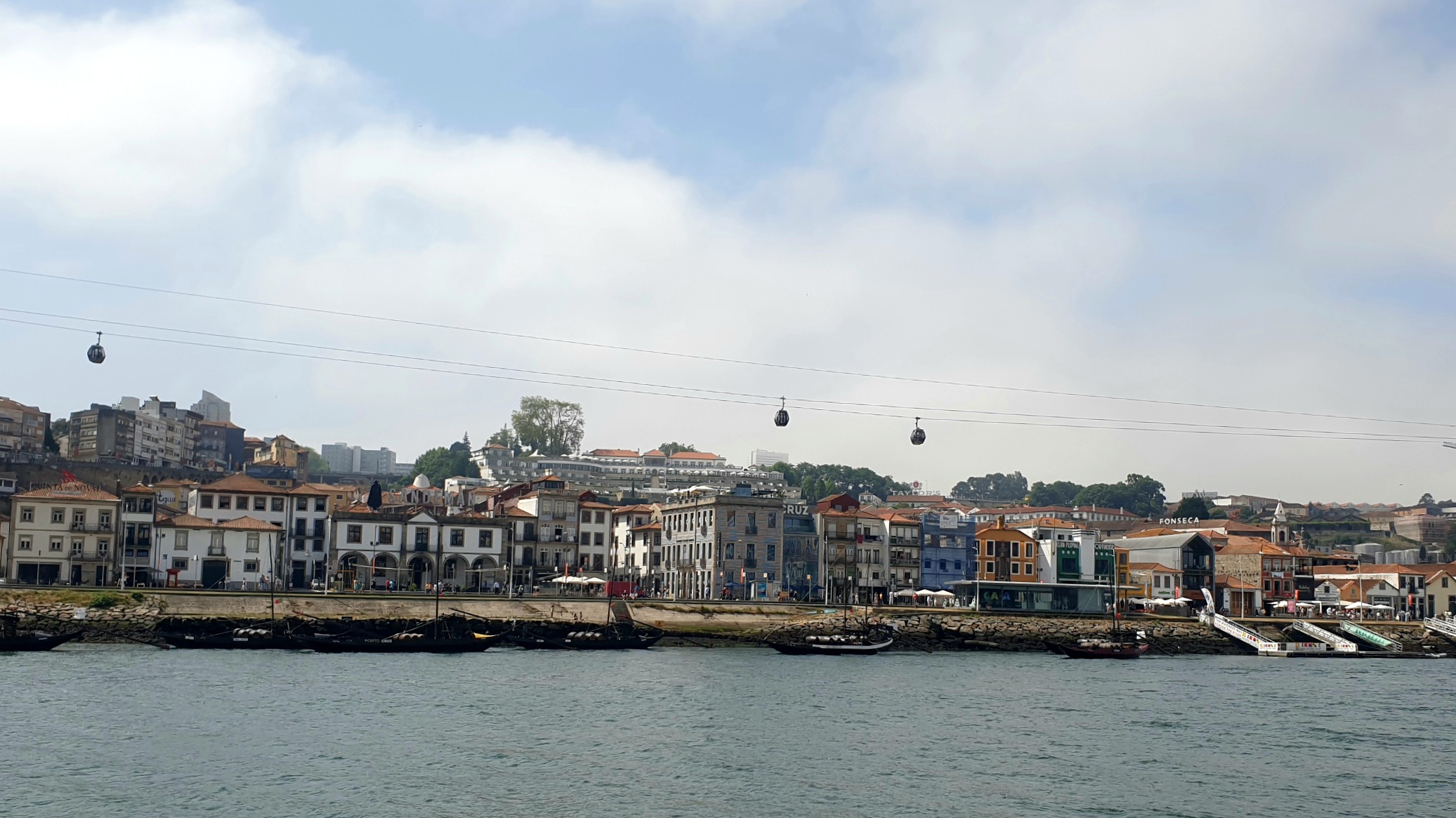
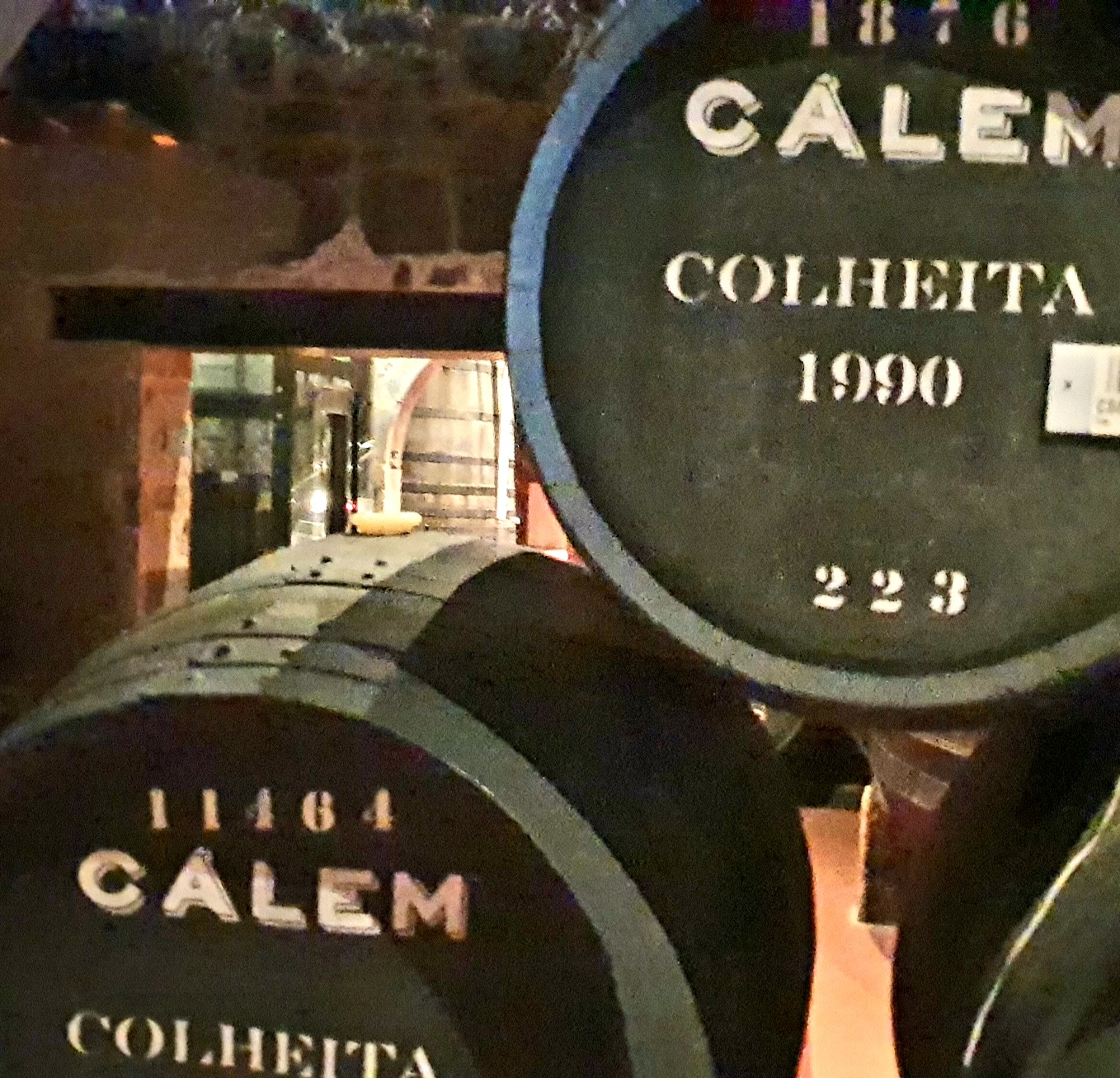
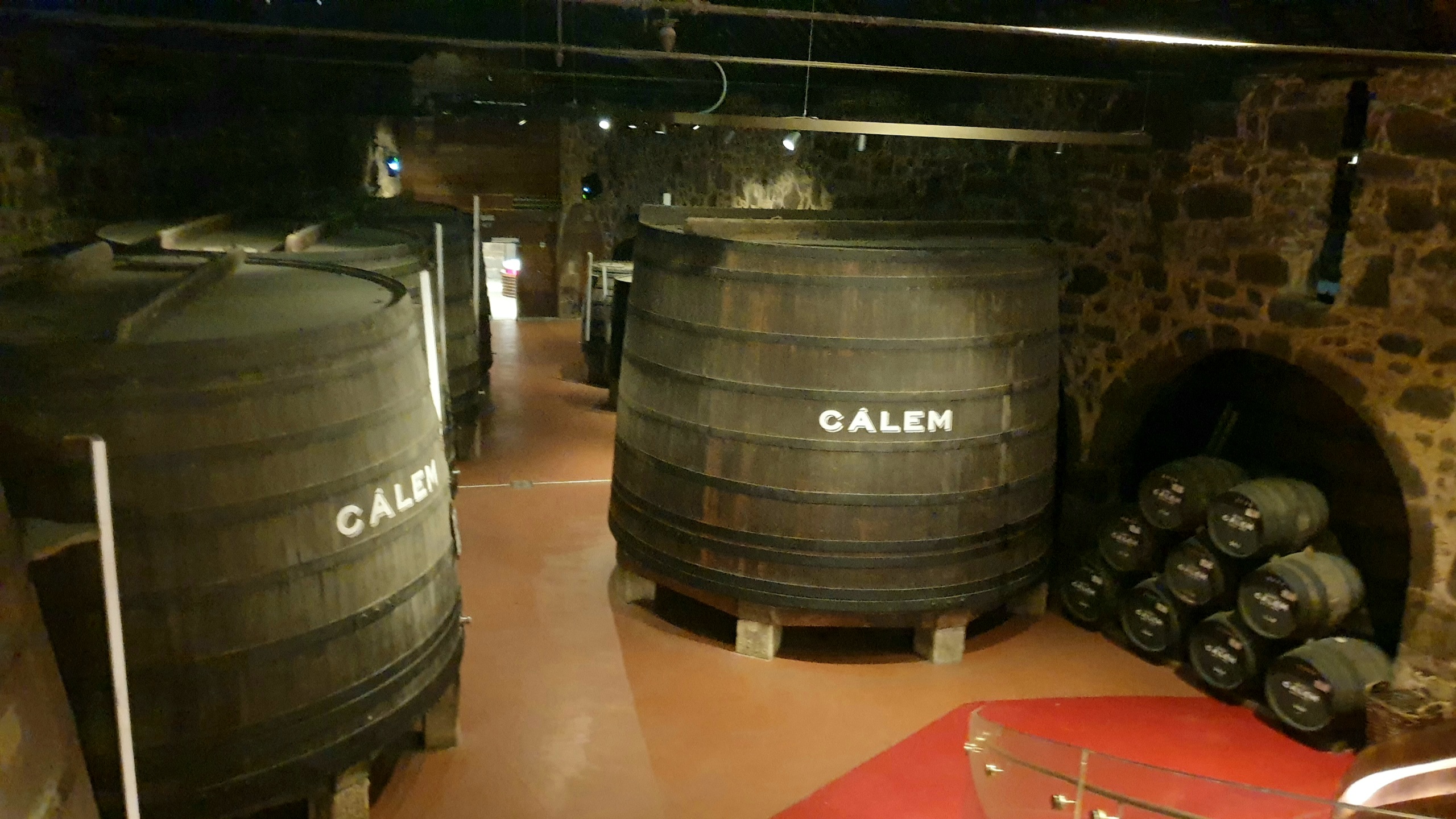
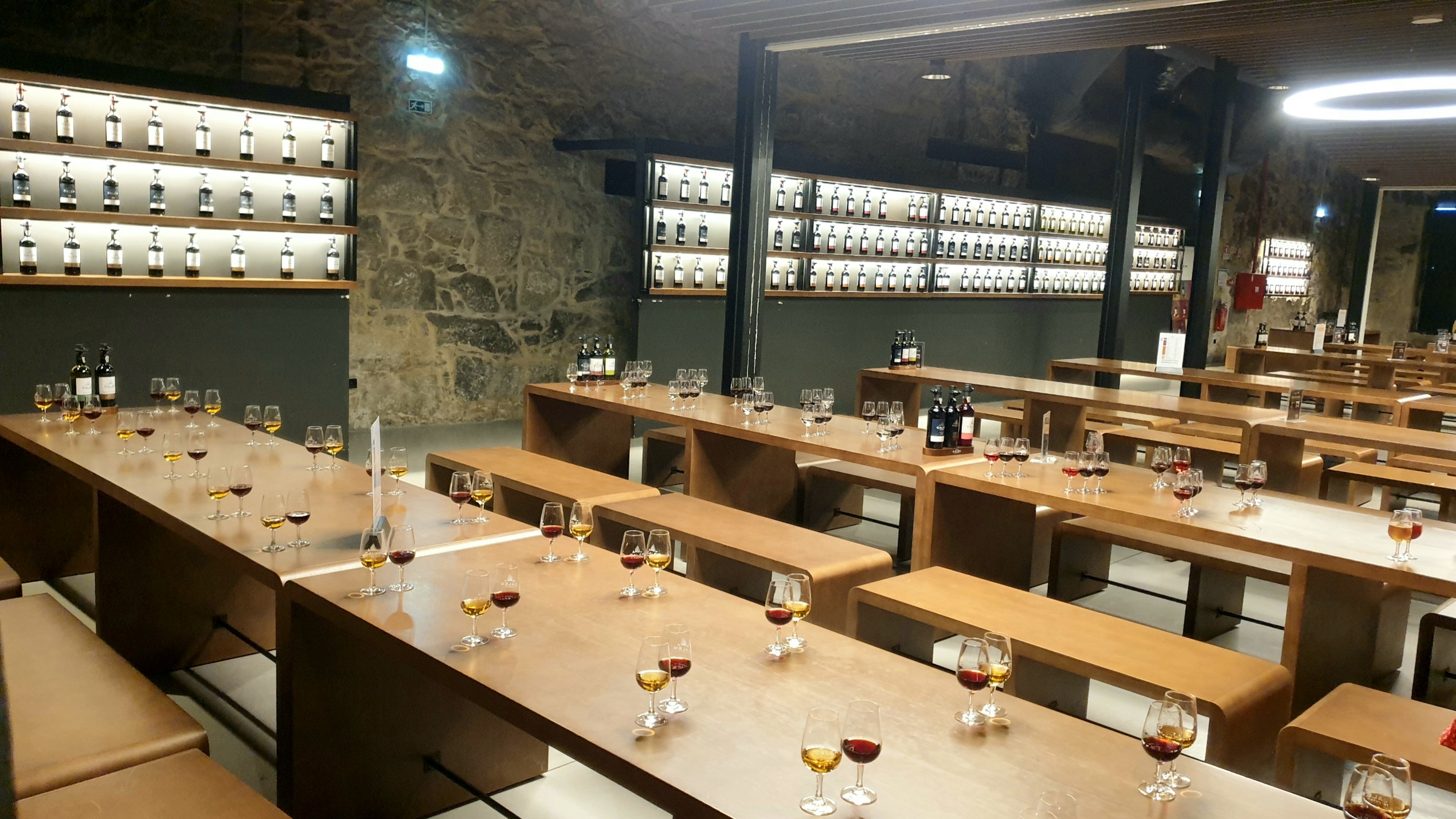
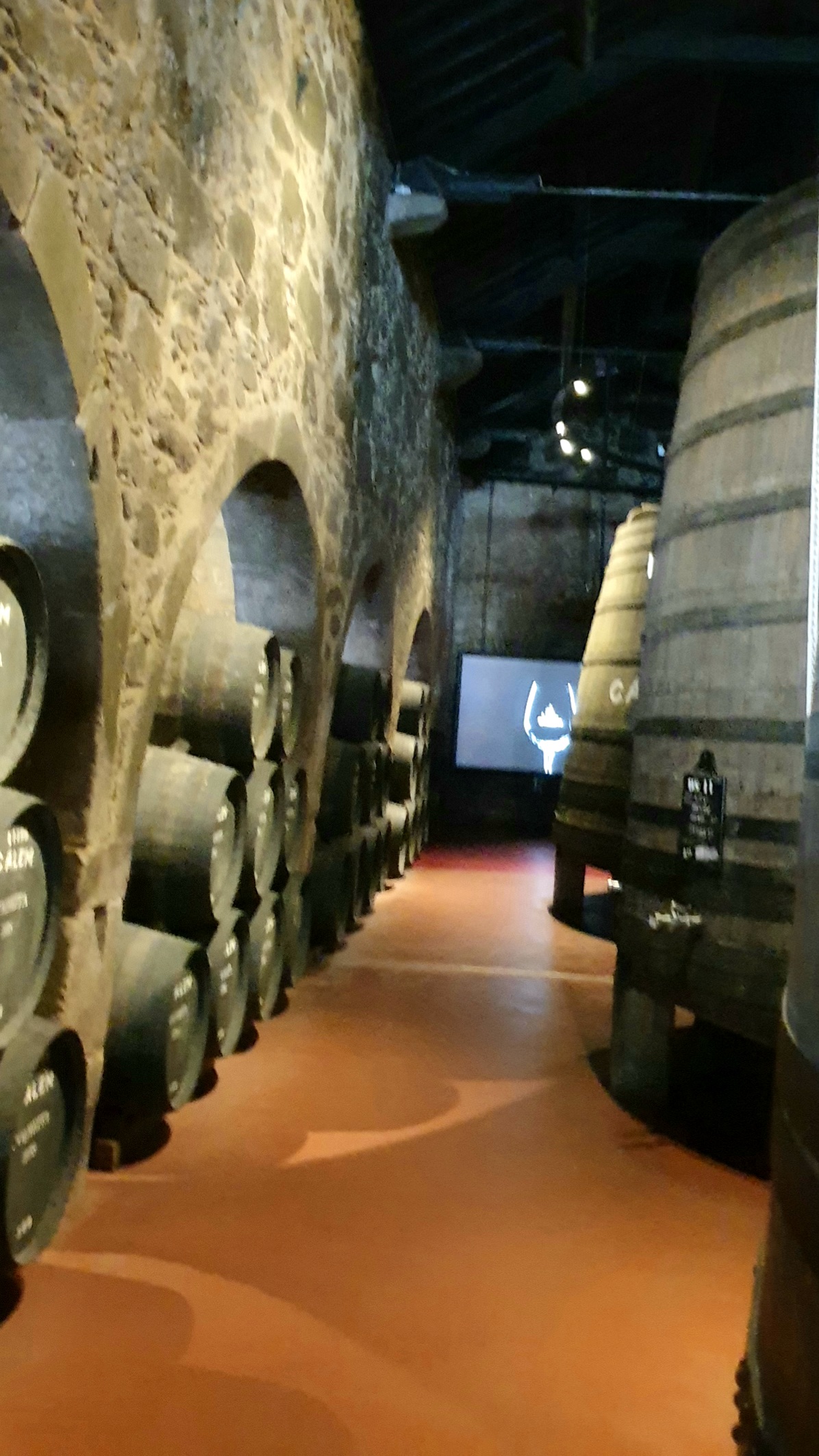
And finished the day with a wine tour.
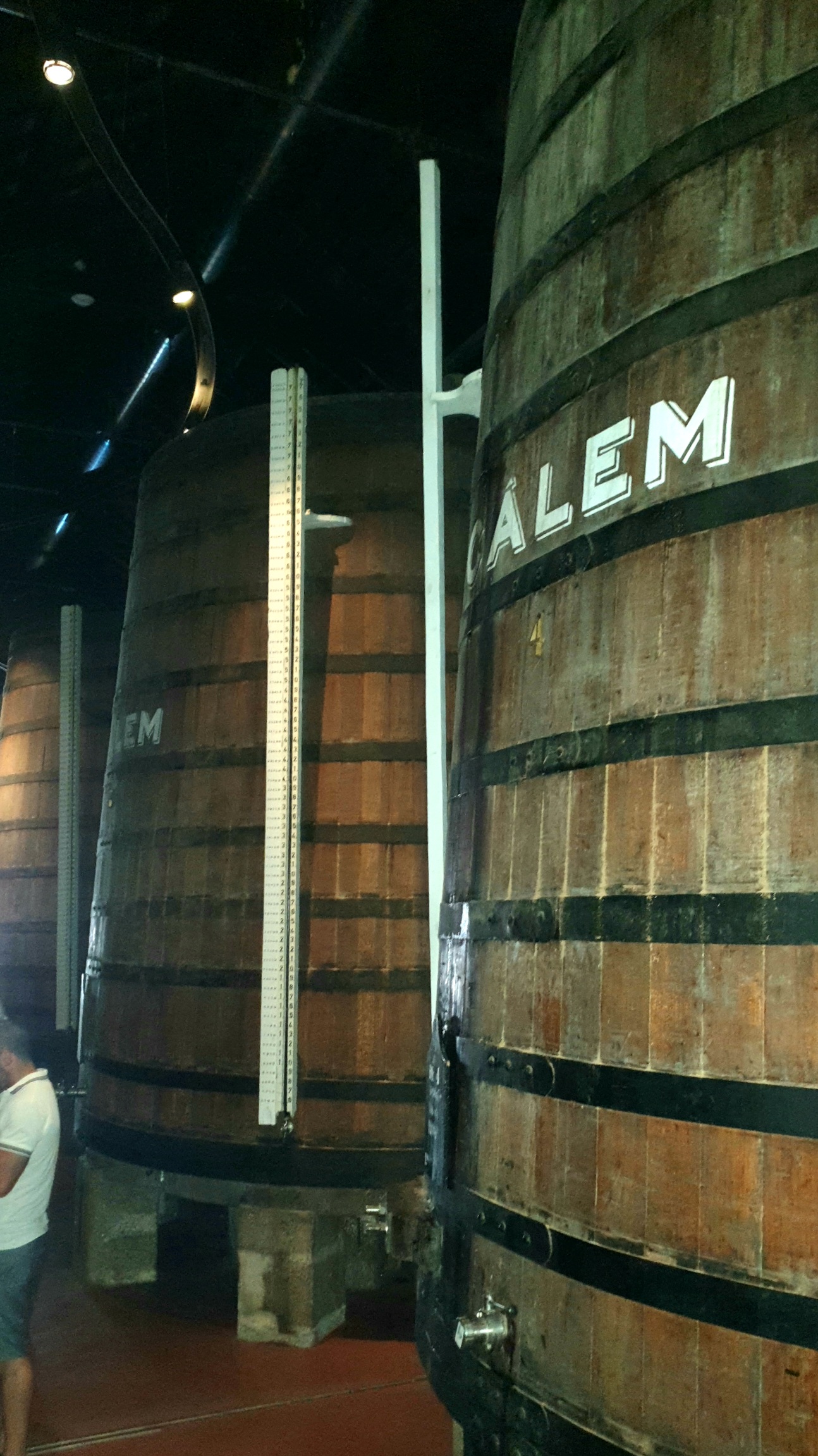
All for the equivalent of A$45 each. Not too bad.

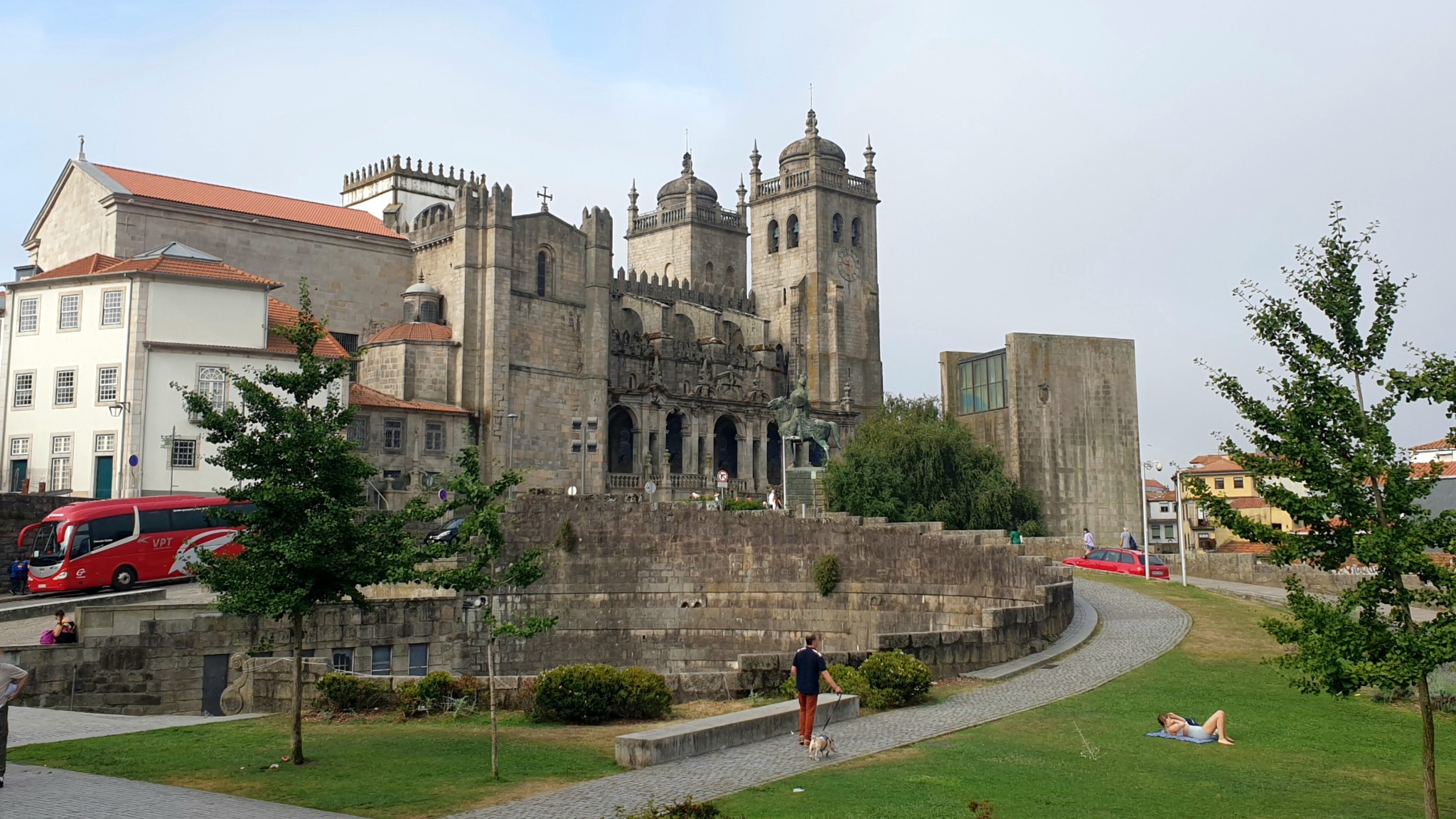
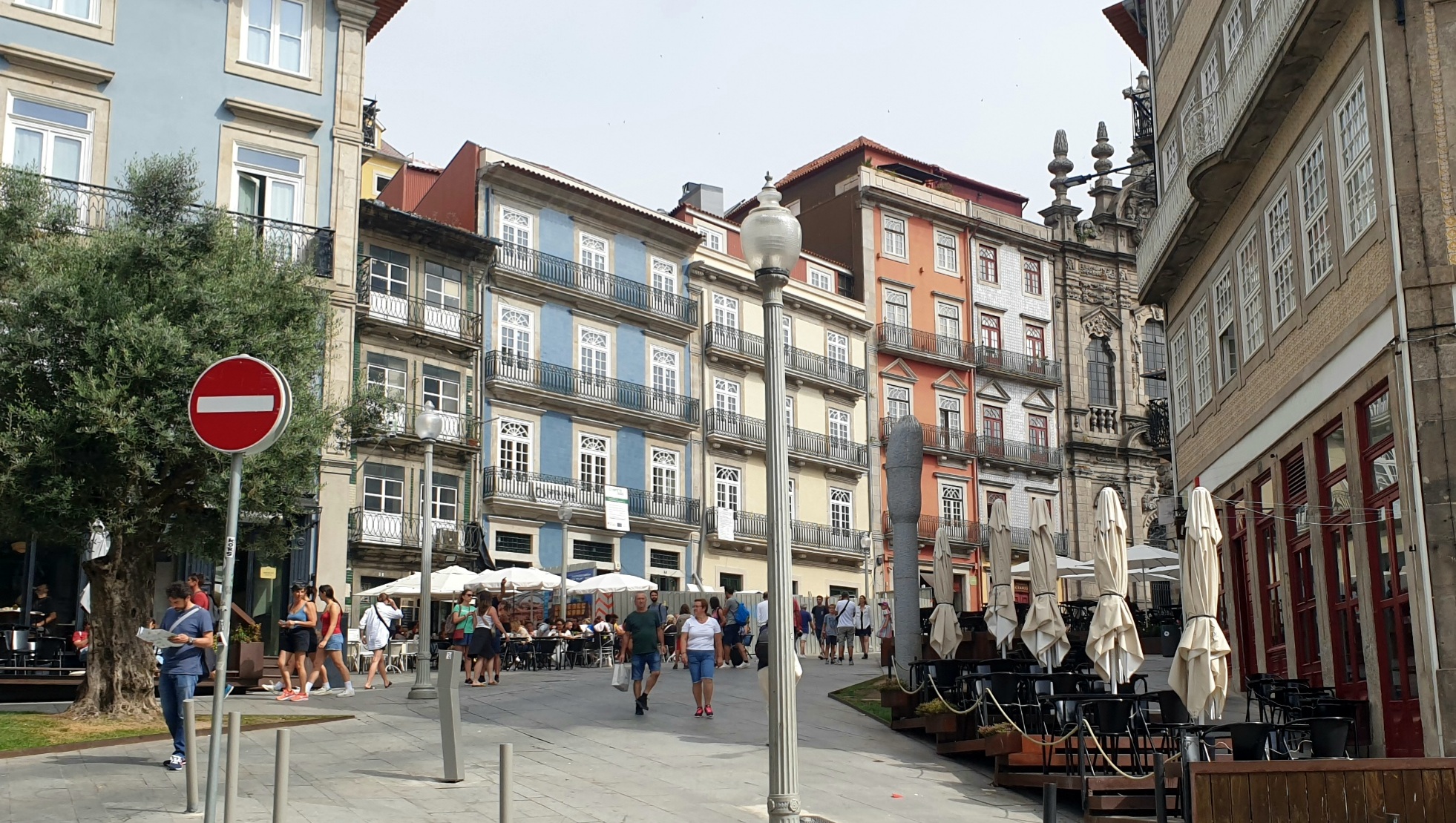
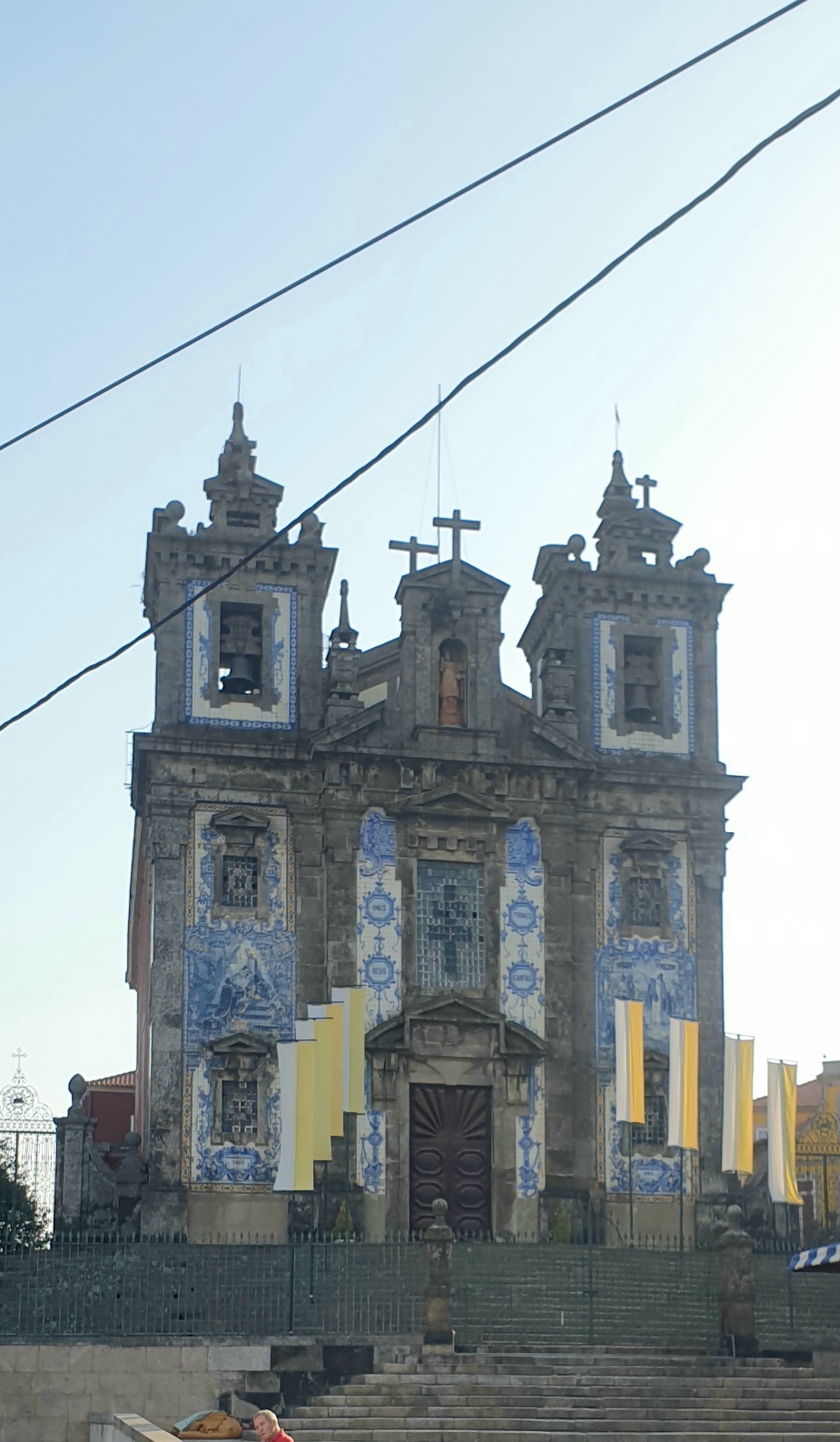
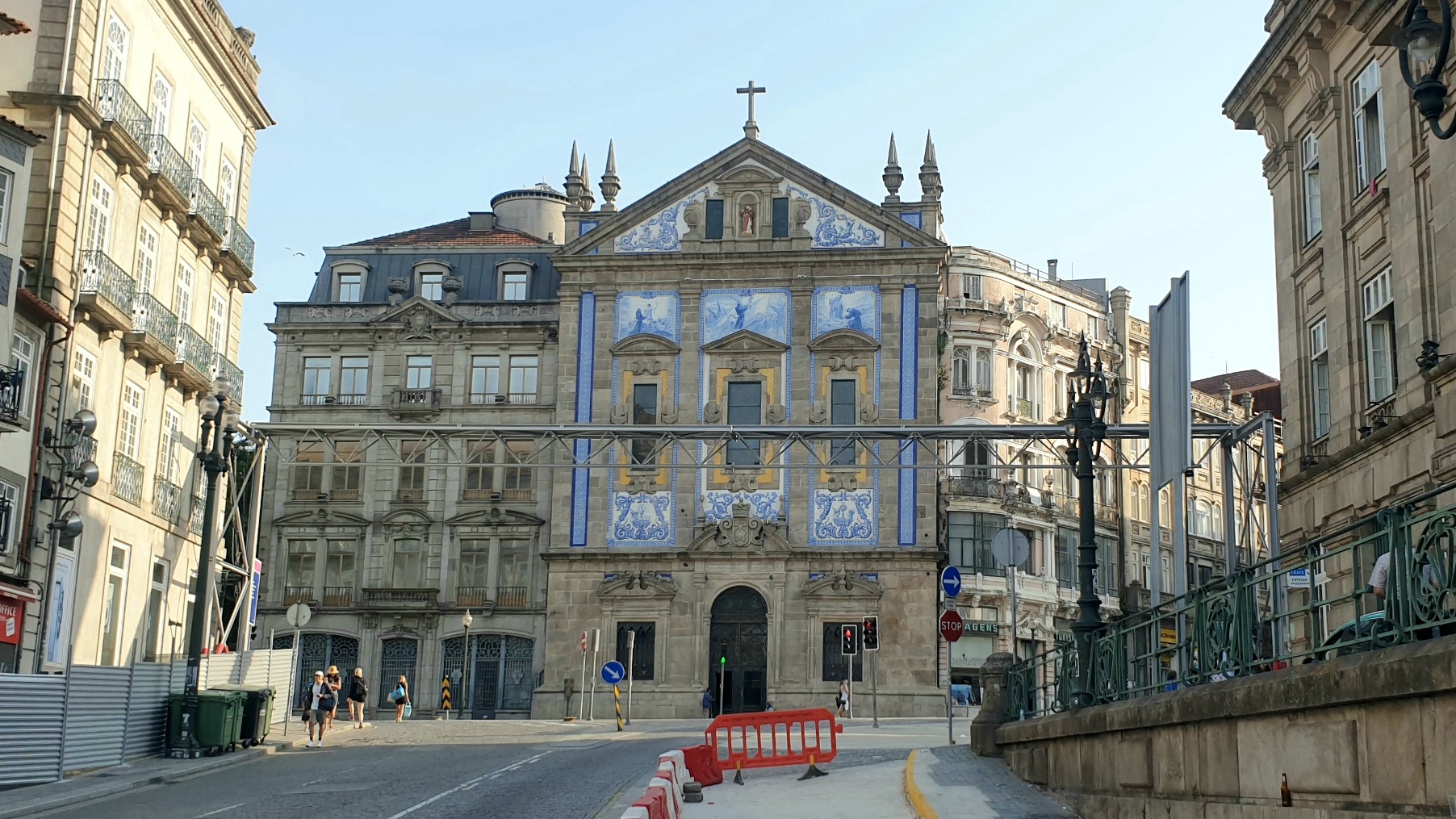
Many of the buildings are adorned with these mosaic tiles.
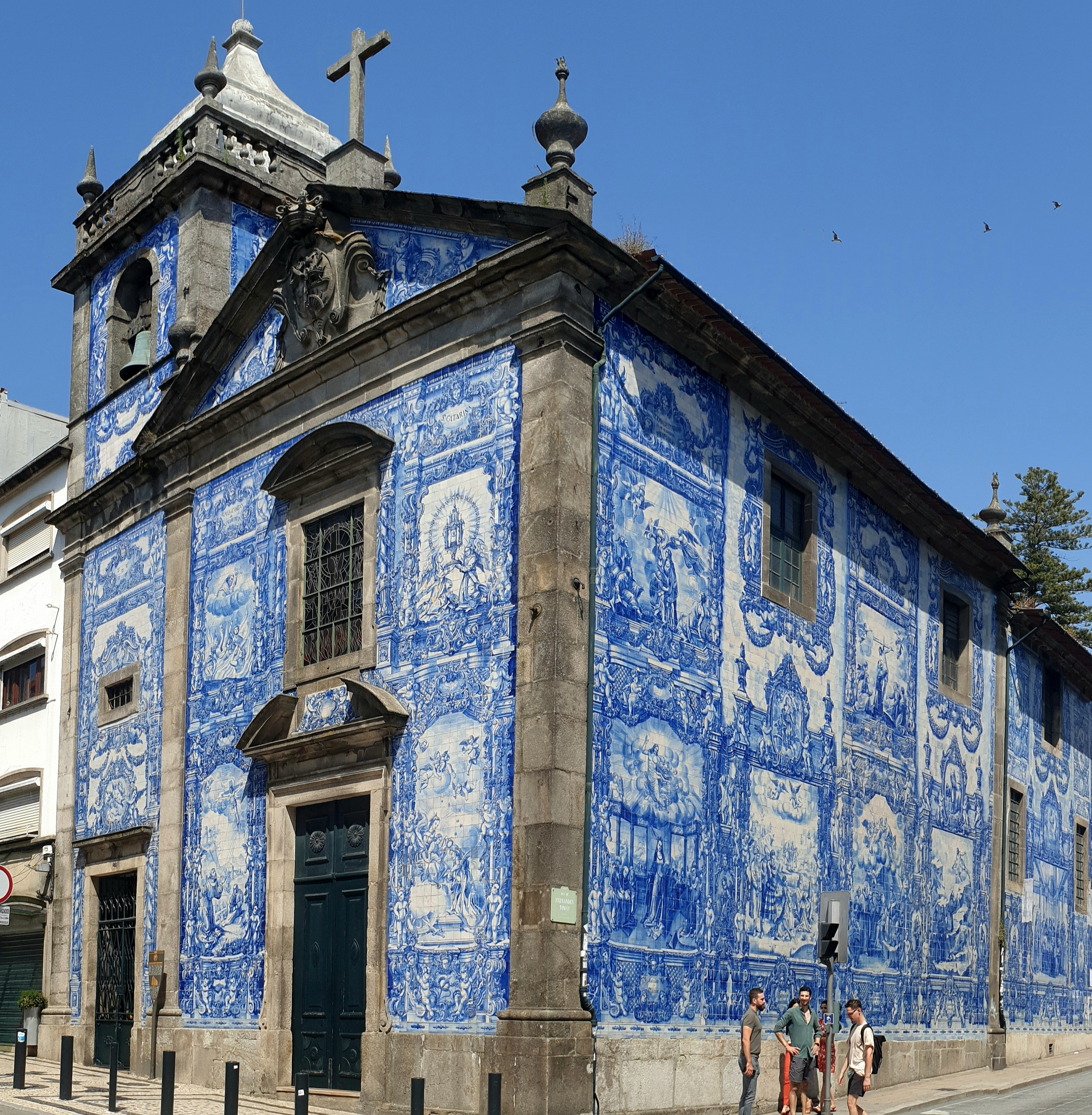
OK, that’s it for this week. Tomorrow its on to Vila Real.
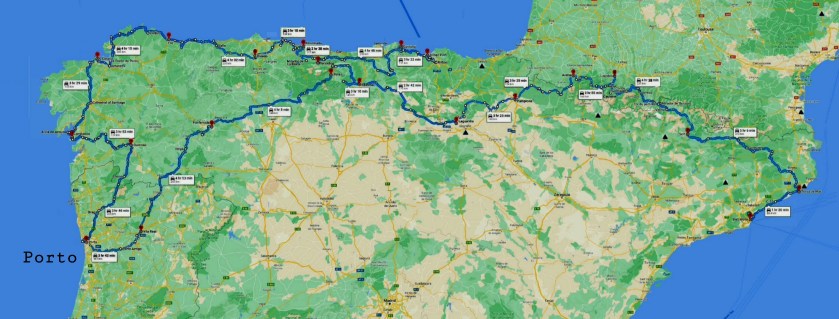
If you’re interested here’s the rest of our projected journey through Spain/Portugal.
Wk 8 – Northern Spain

Santona to A Coruna

Sun 3rd to Mon 11th July
Santona – Poncebos – Ribadsellar – Oviedo – Foz – A Coruna

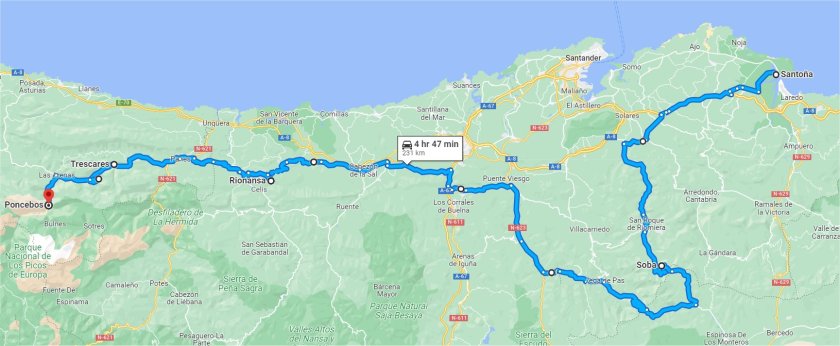
Sun 3rd – Santona to Poncebos – 230klm

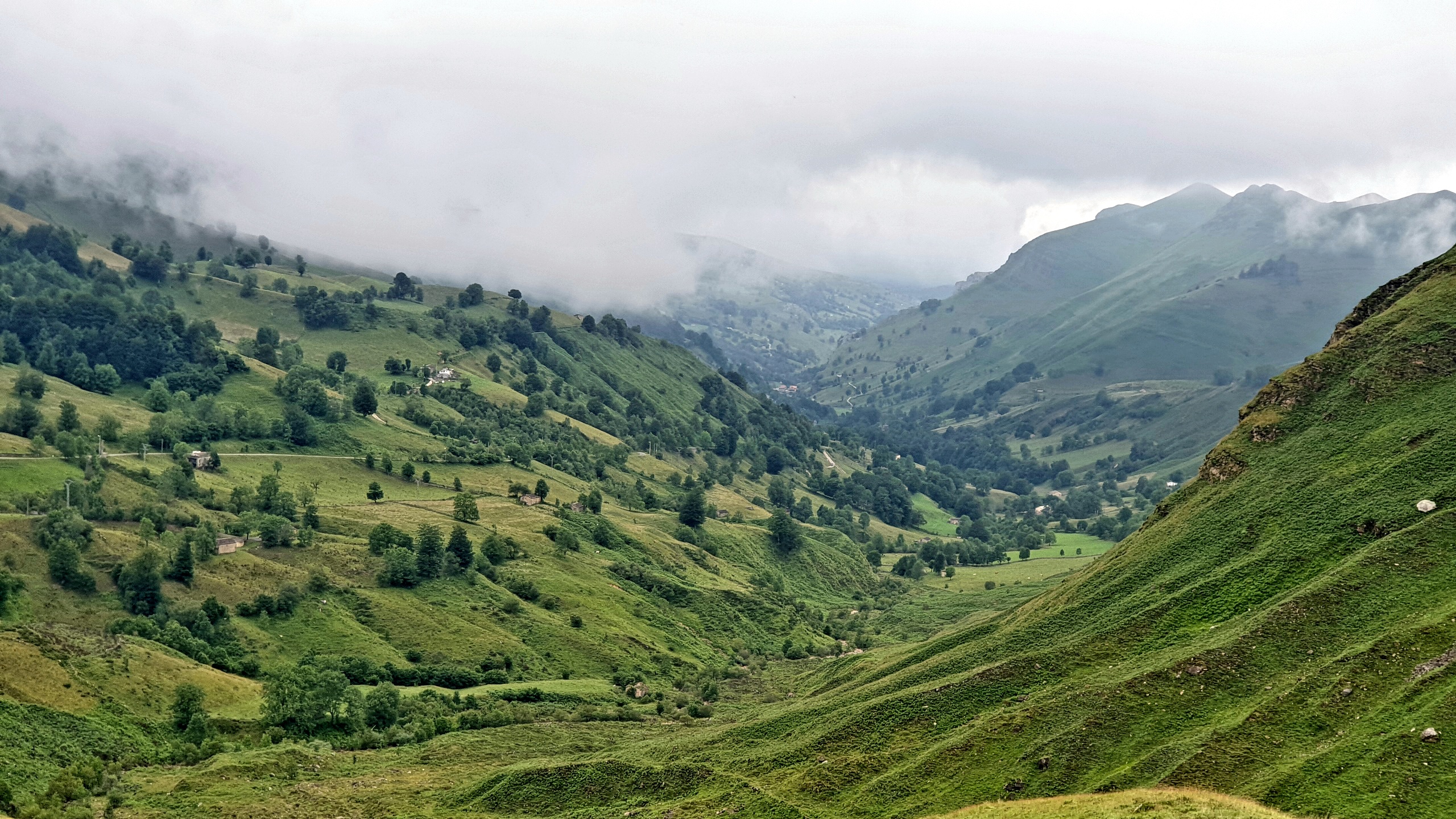
Today was to be a day of high roads and spectacular vistas as we began our traverse of the Northern Cantabrian Mountain Chain which stretches for 330klms across northern Spain. Disappointingly the day didn’t hold much promise as the cloud base was well below the mountain peaks we were going to be crossing.
But Mirador de La Casa del Rey was still below that cloud base.

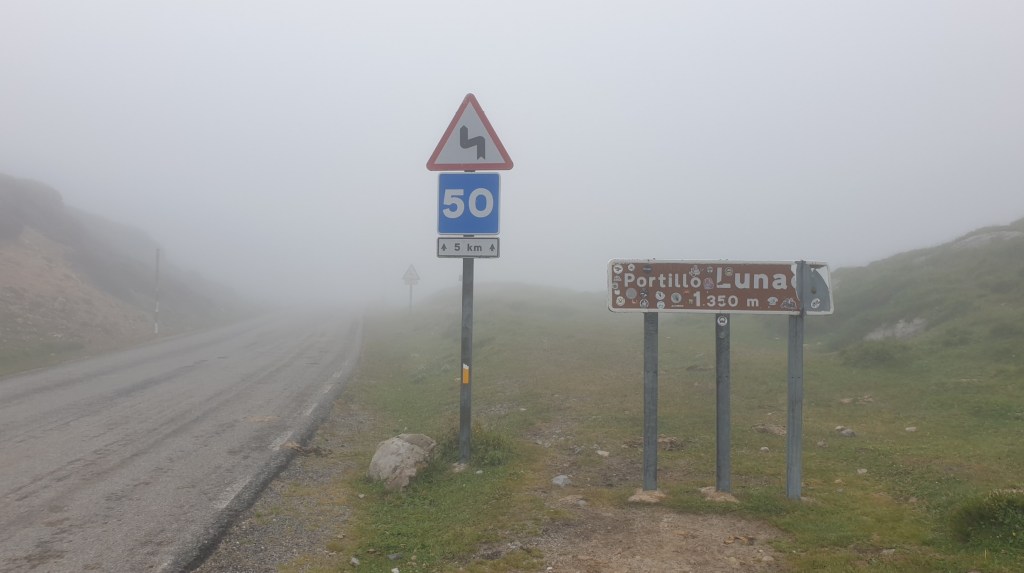
But just a little ways up the winding narrow road Mirador de Covalruyo was in the clouds, as was the next 75klms with visibility down to 50m at times.
The thing about cloud is that by their very nature they’re wet – no rain just lots of moisture in the air requiring wet weather gear.

We eventually came down into lower altitudes and stopped for a brew at this remote and tiny town.

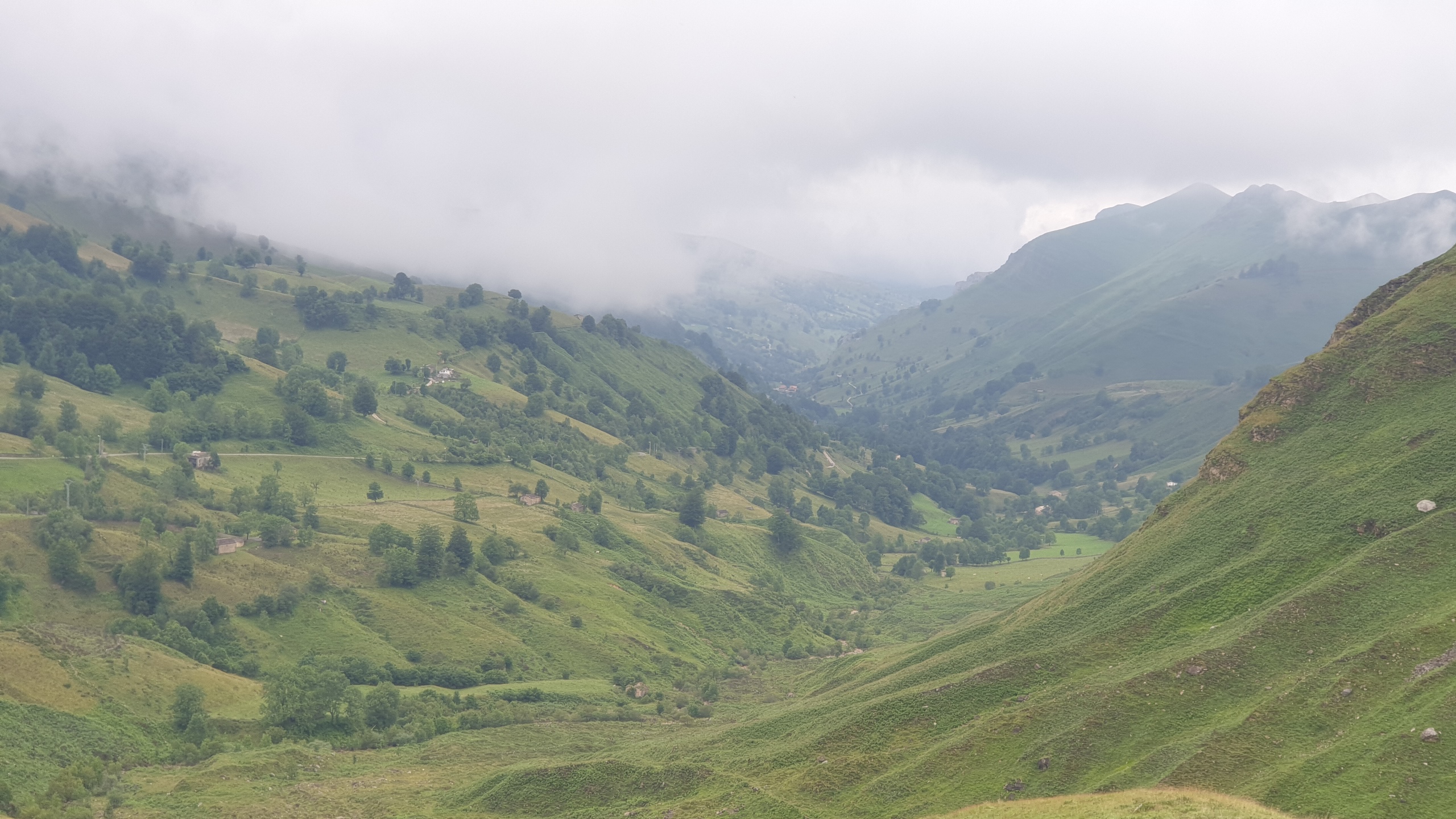
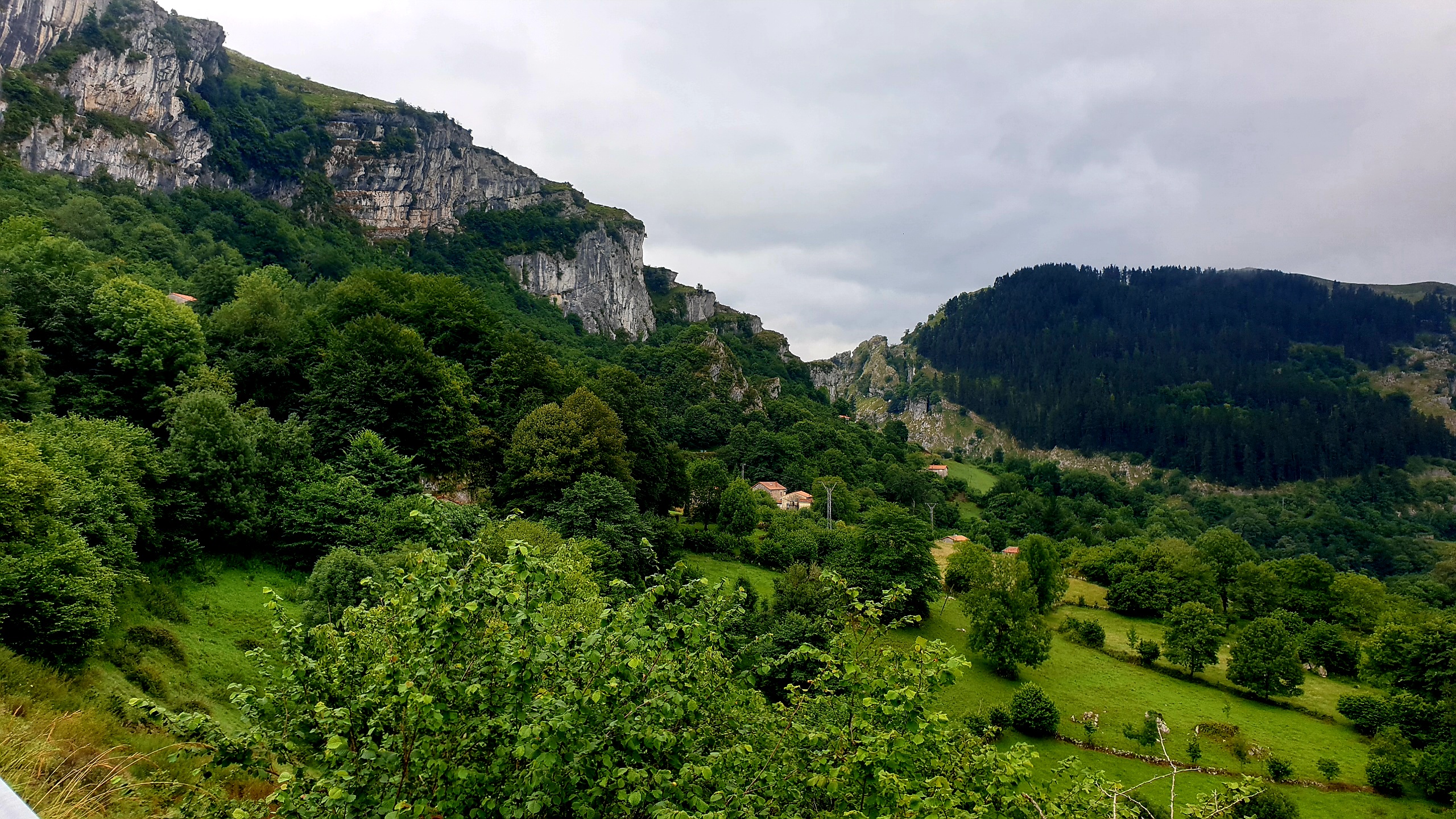
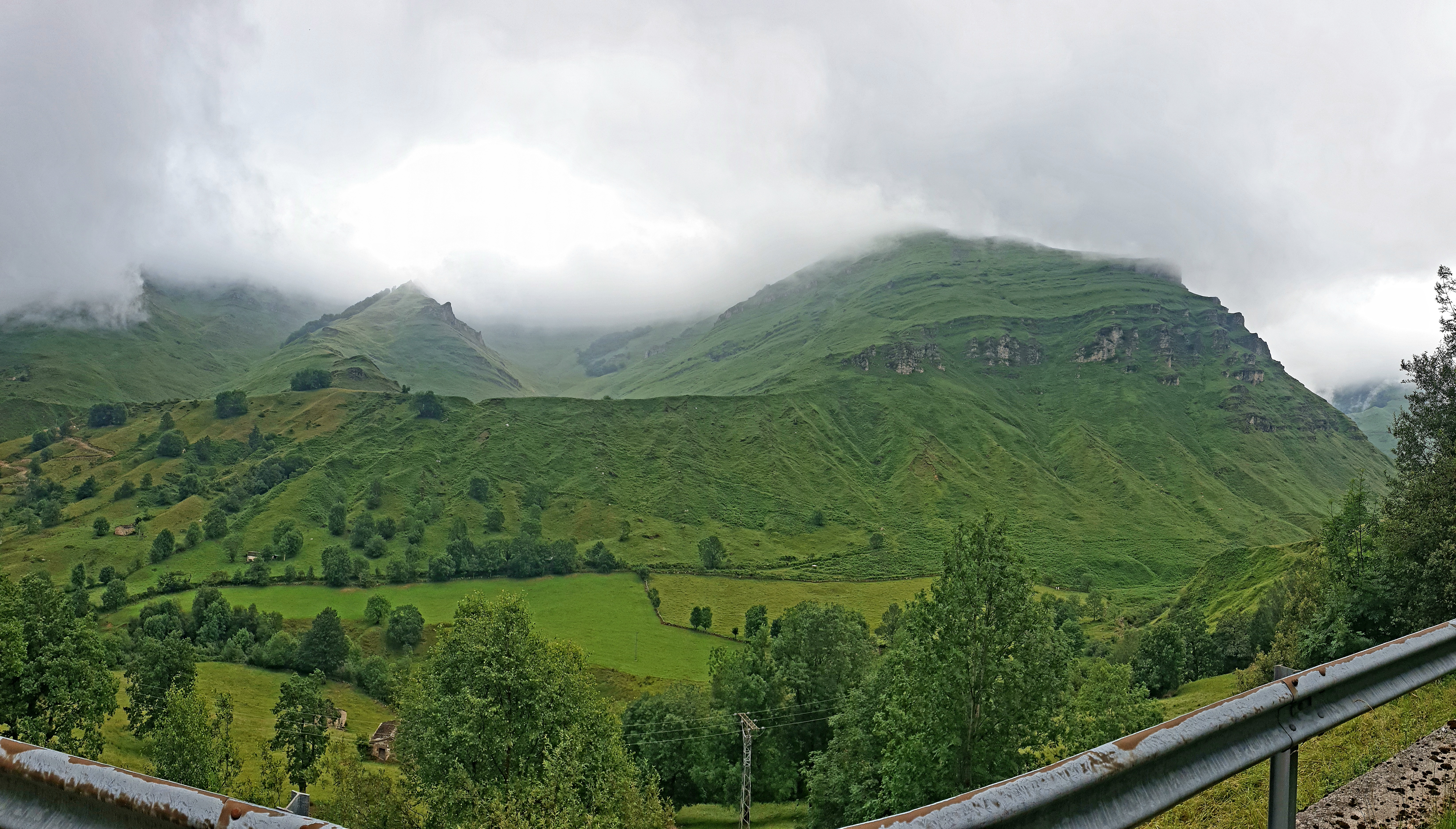
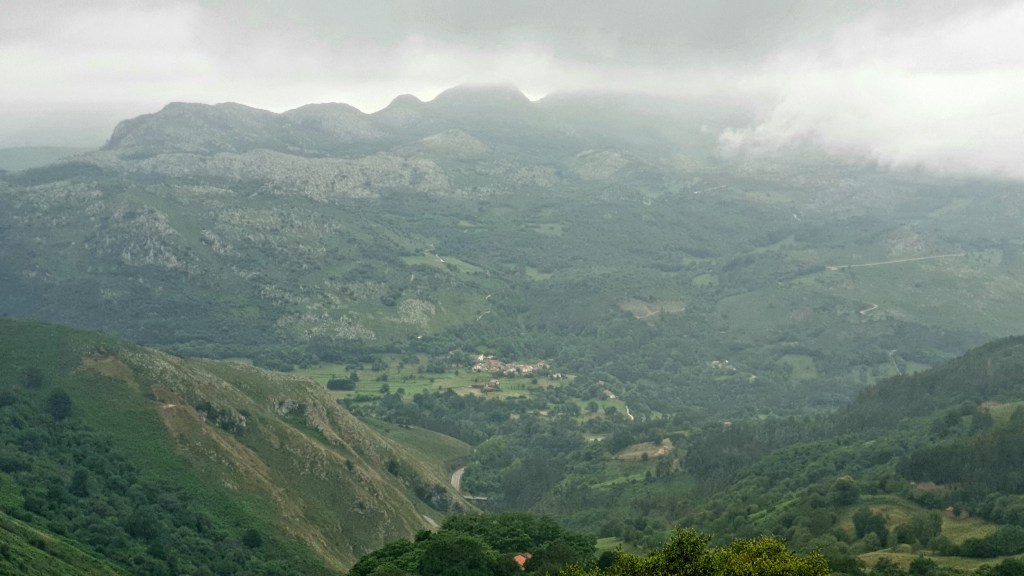
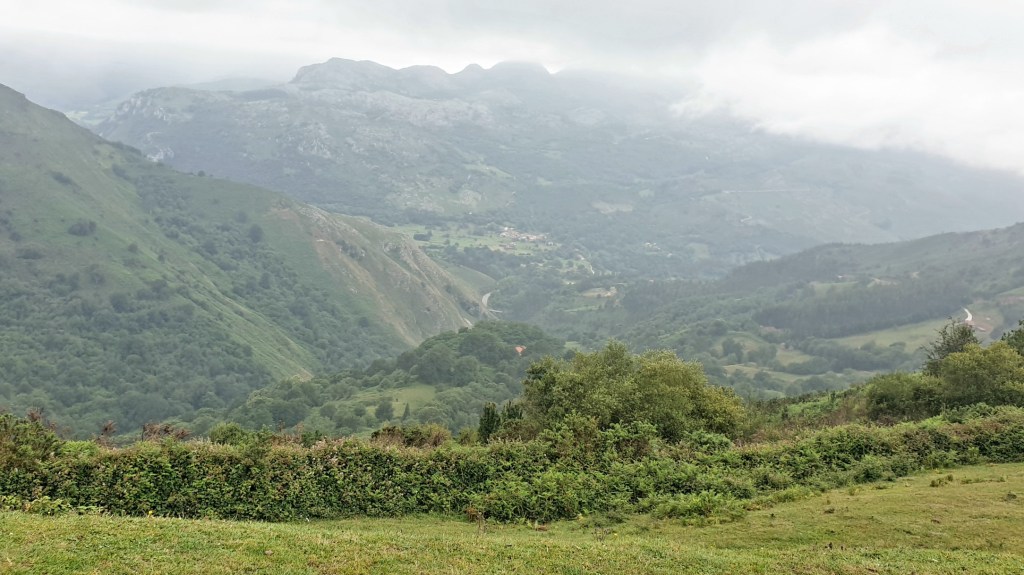
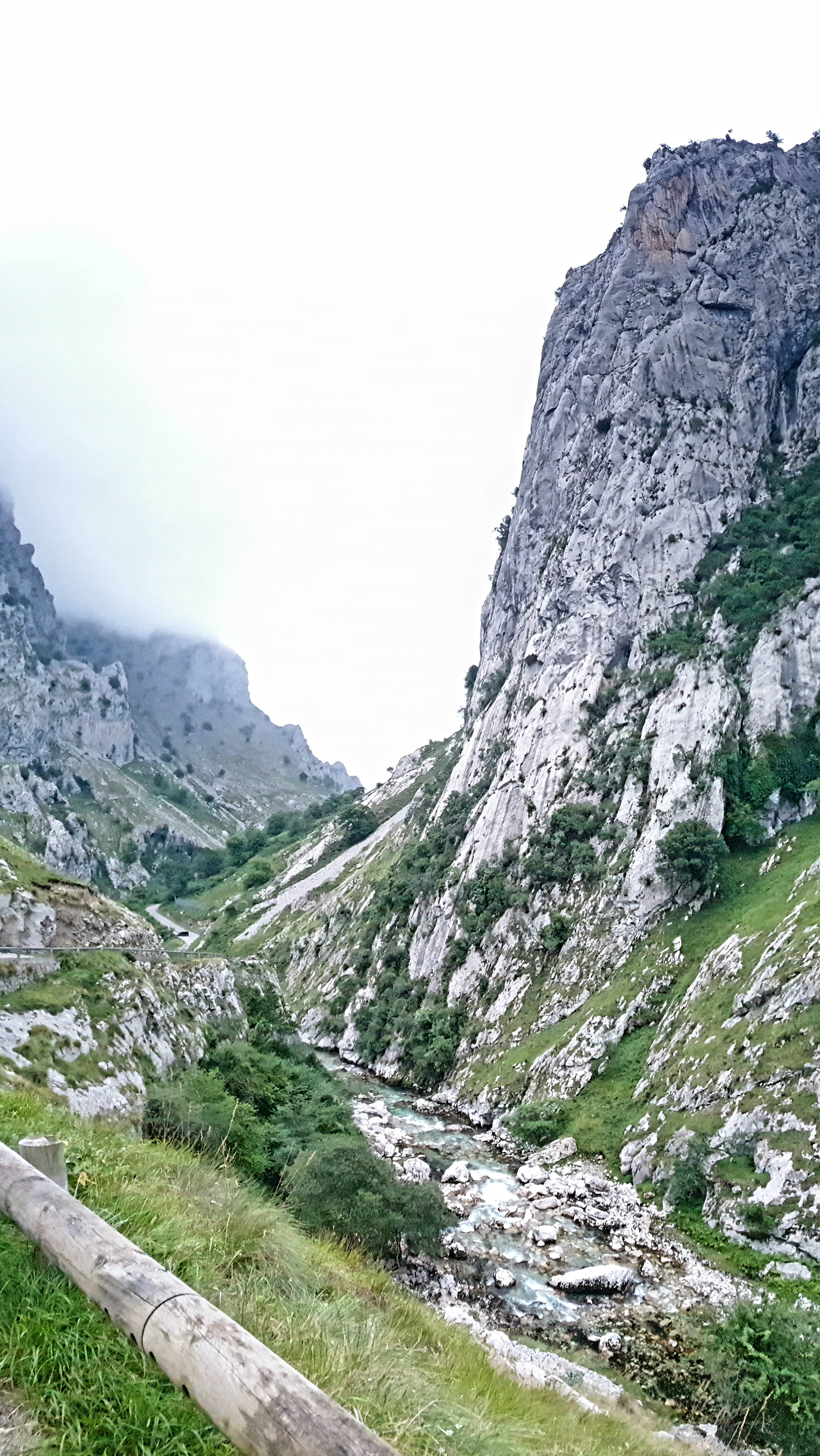
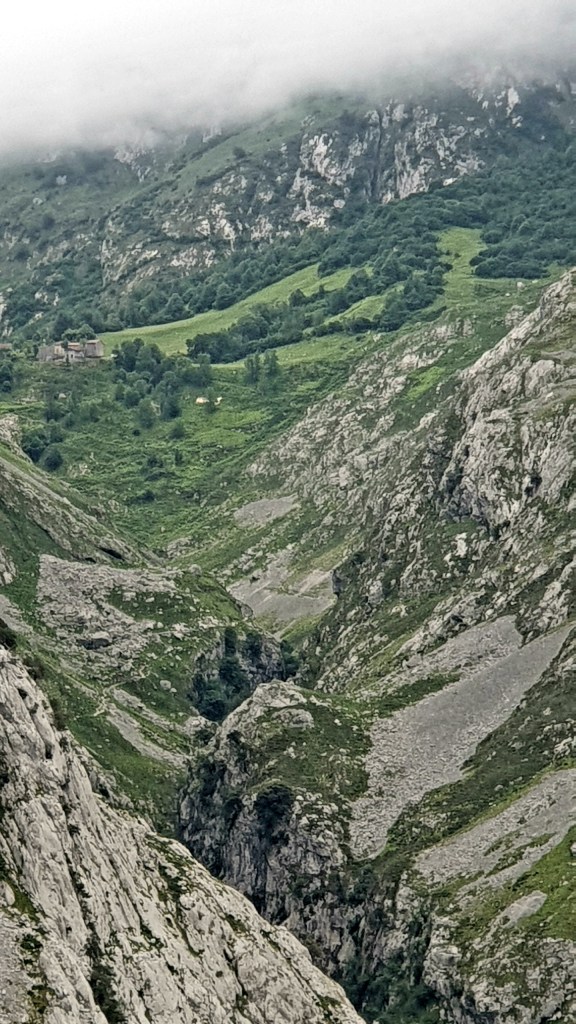
Before heading up in to the high hills again where the cloud hadn’t gotten any more co-operative. Having said that, what we did see was amazing. These pics are actually better than appeared to the naked eye.

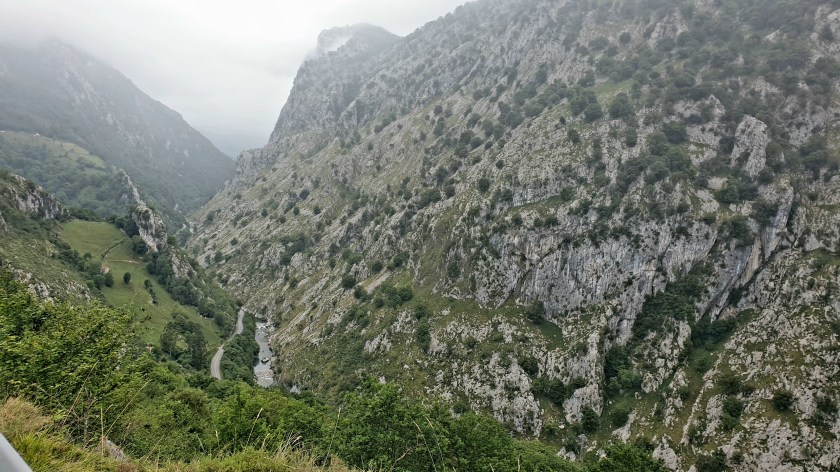
It’s rugged and steep and windy and spectacular, and it never seems to stop. That’s a road way down there which we travelled on our way to Poncebos and into the Picos de Europa National Park

Mon 4/7 – Lay Day – Poncebos

Poncebos is at the beginning of the 11klm Cares Gorge Trail which is one of the most popular trekking paths within the Picos de Europa.

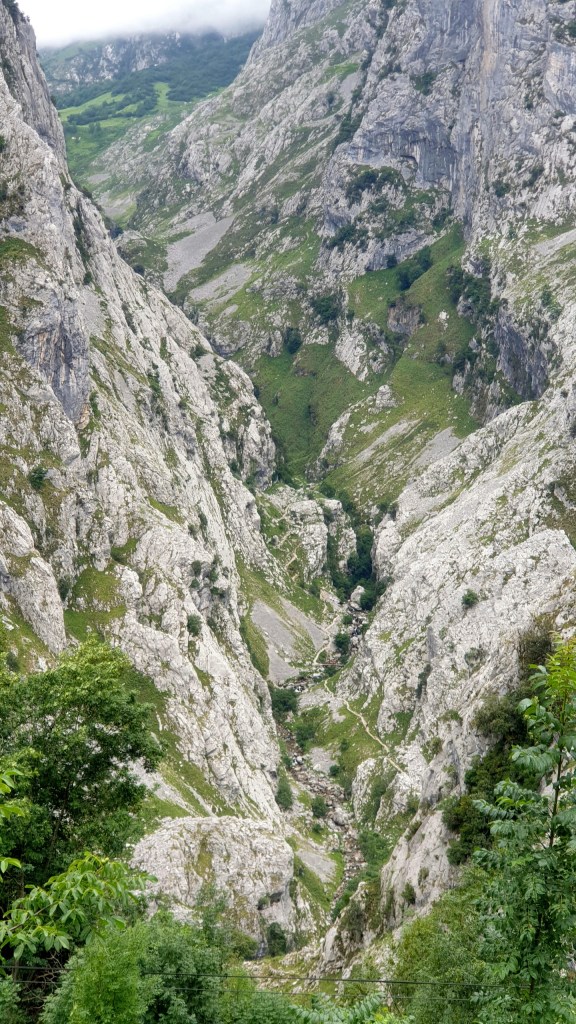
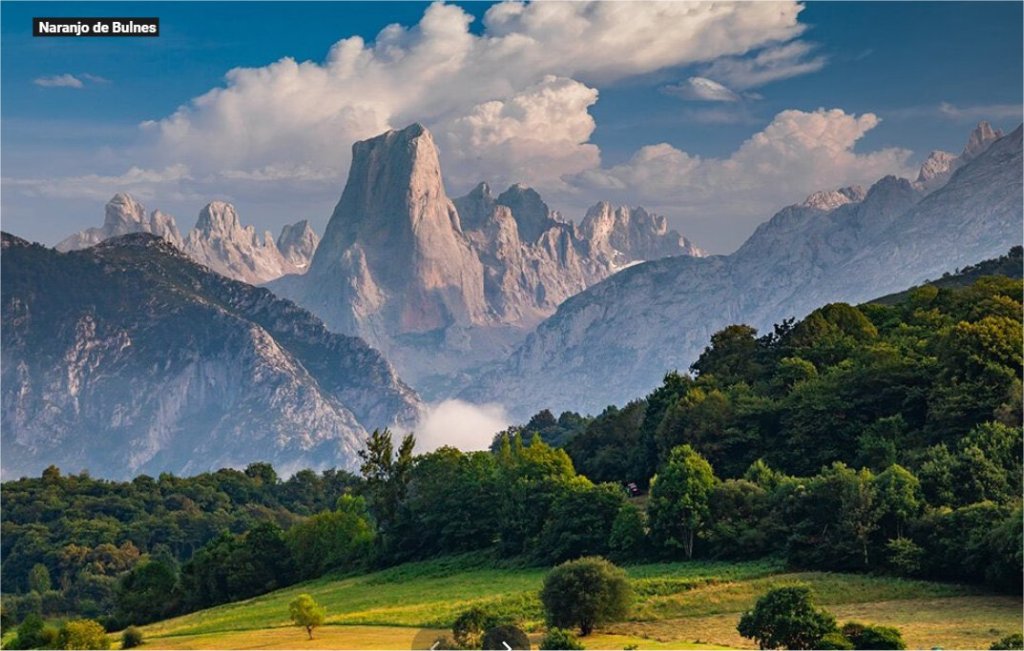
We took a bit of a hike to see if we could capture a view of the famous Naranjo de Bulnes, but once again that cloud beat us. Still, it was good for the cardio. If you look hard enough you can see the hiking tracks in these pics.

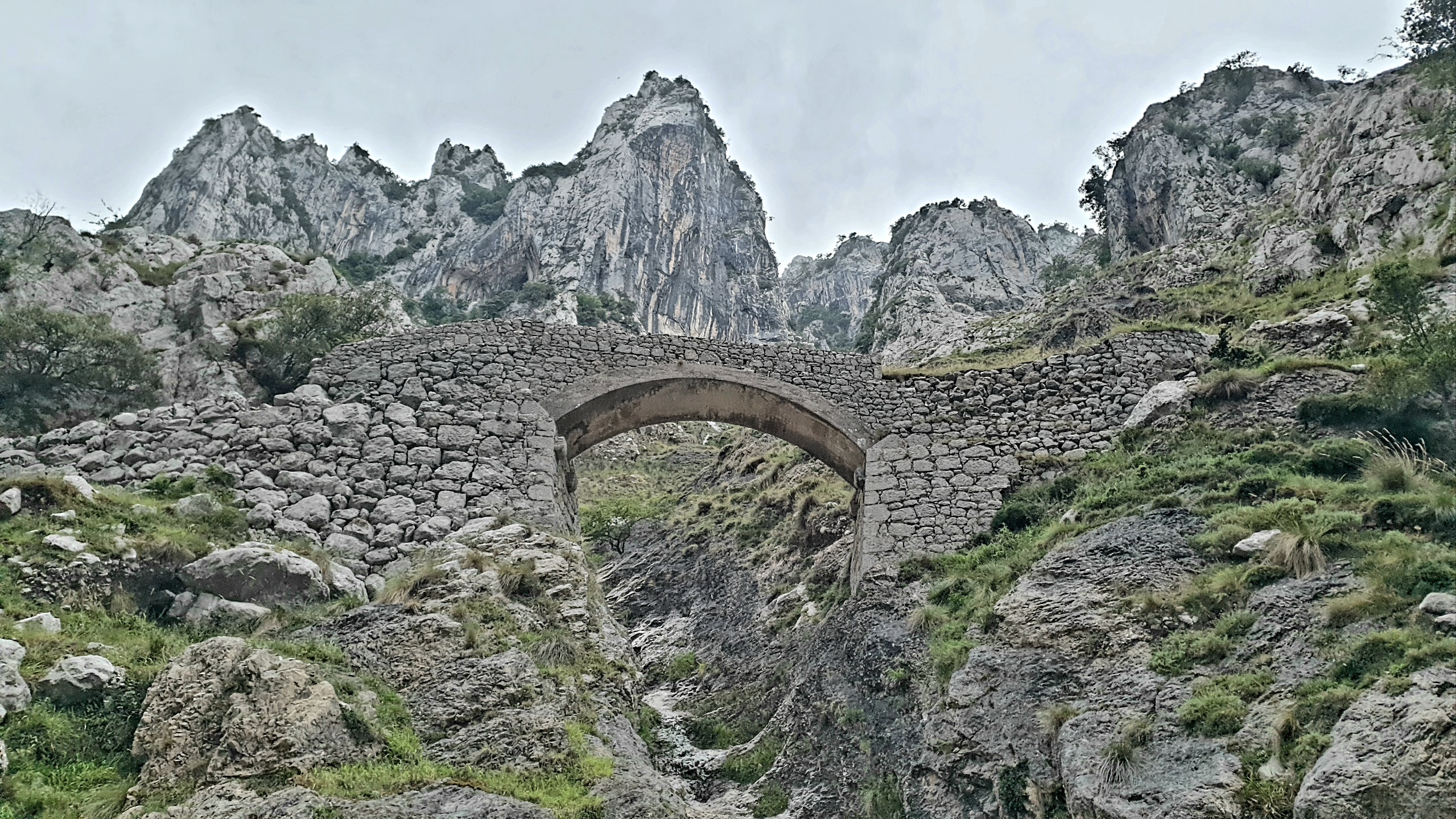
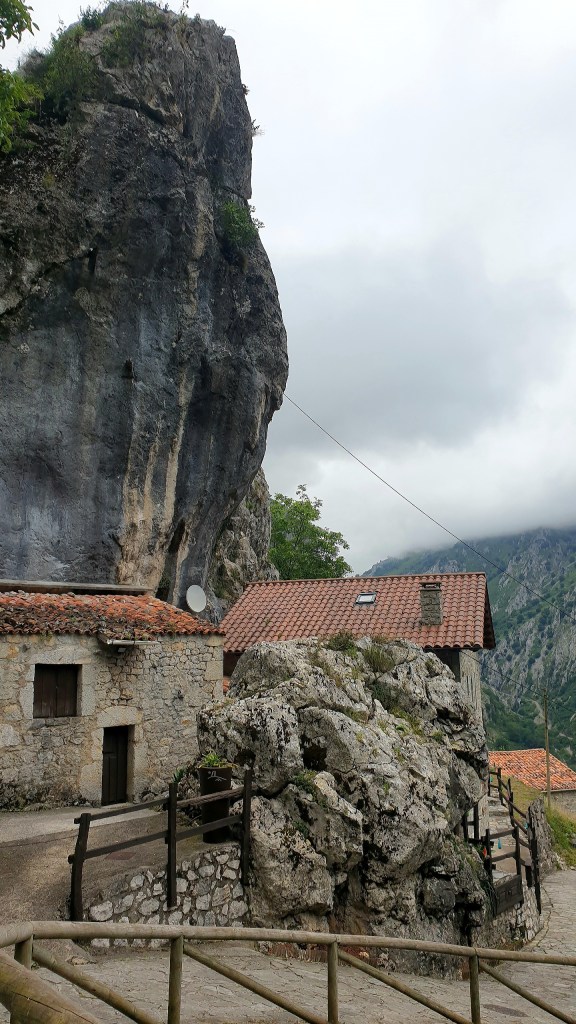
How’d you like to live under this?

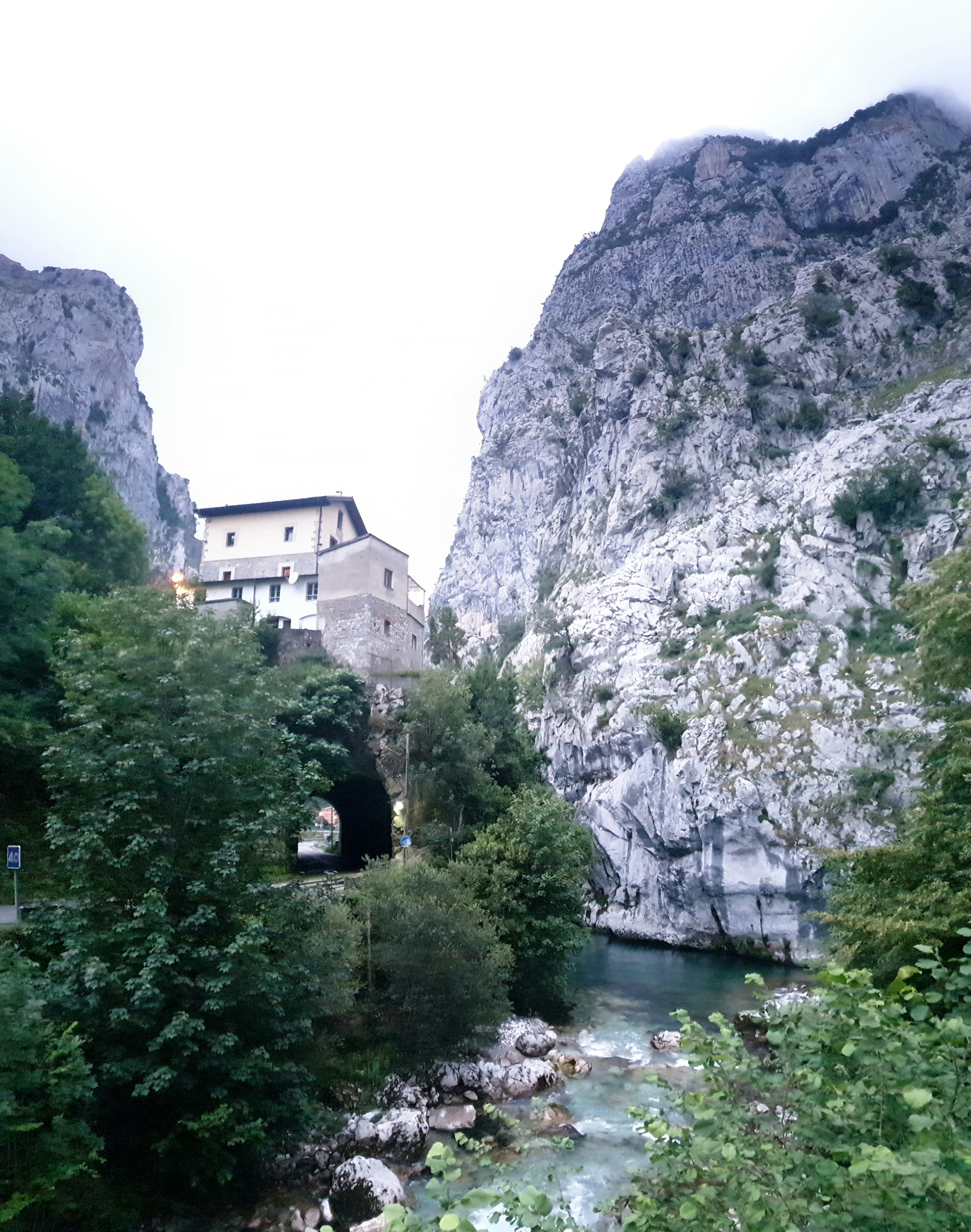
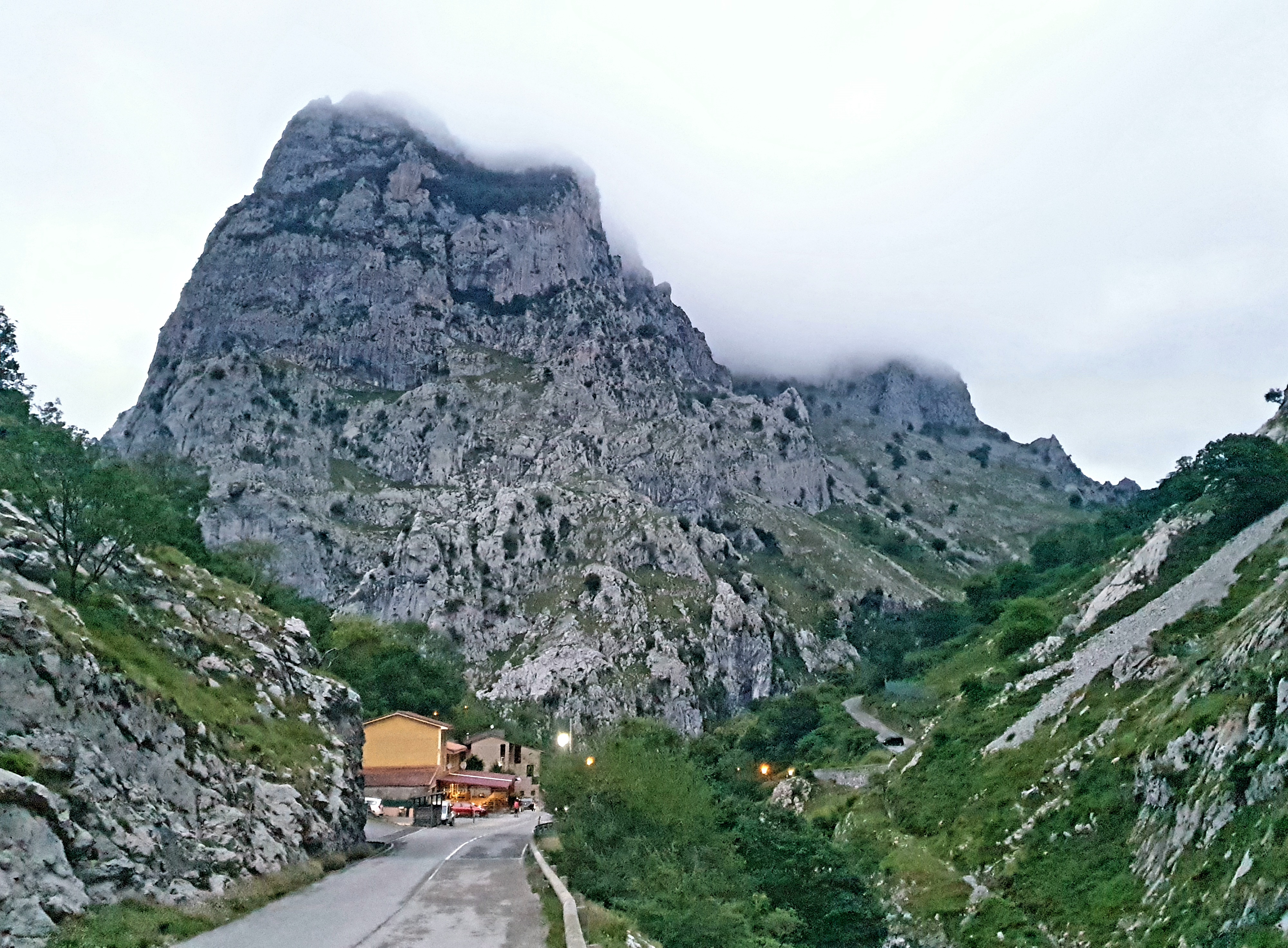
Poncebos was an amazing experience with its incredible and steep gorge walls just ‘there’ literally. It felt like you could reach out and touch them.

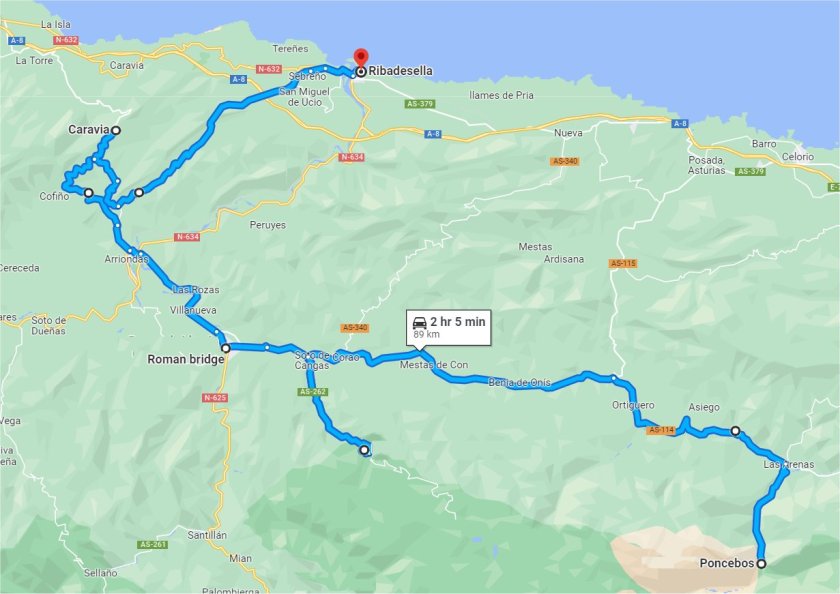
Tue 5/7 – Poncebos to Ribadesella – 90klm

The cloud was still hanging low as we left Poncebos.
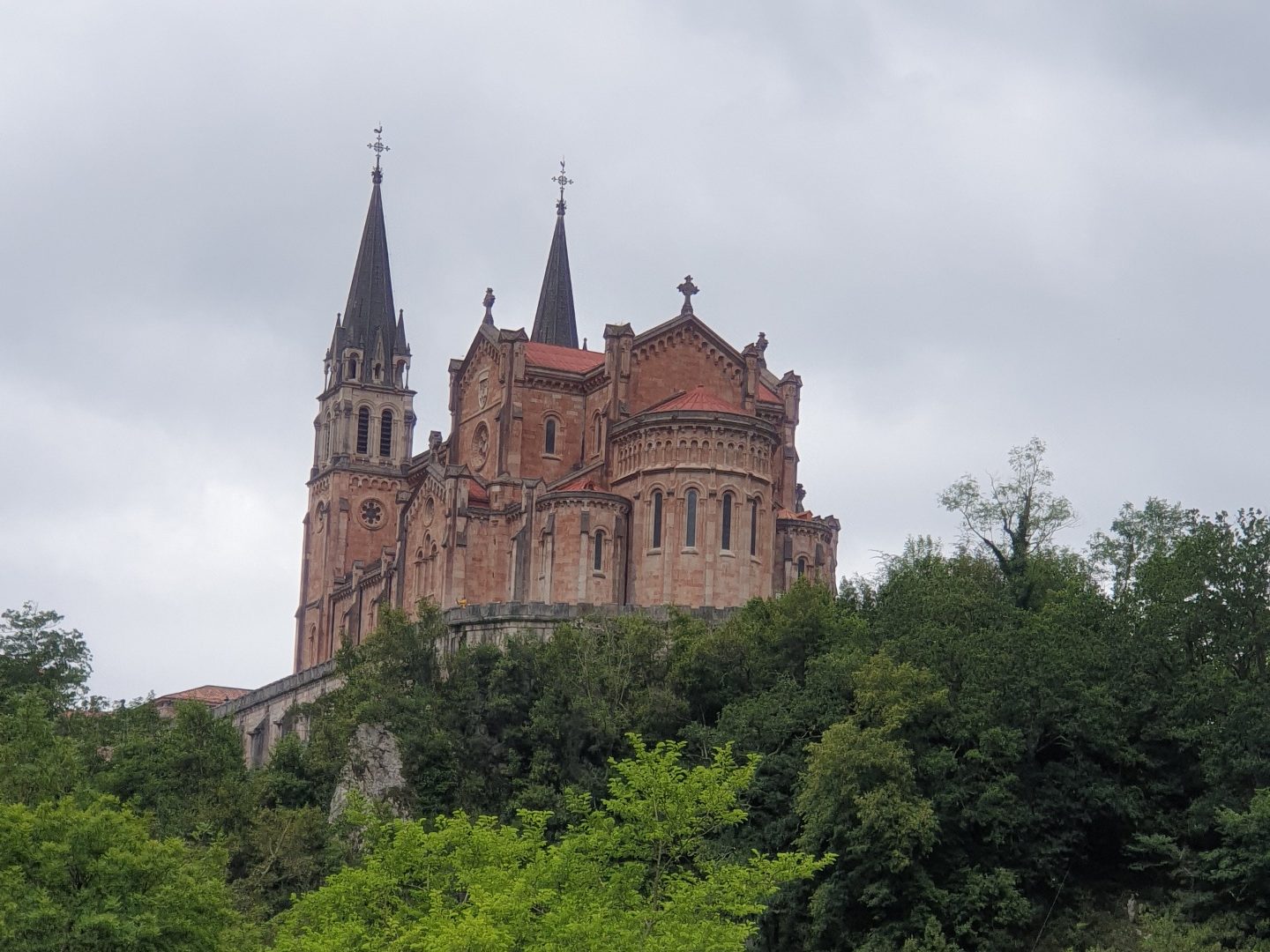
We called in to the historic Sanctuary of Covadonga and Basilica de Santa Maria la Real de Covadonga, built between 1877 and 1901.

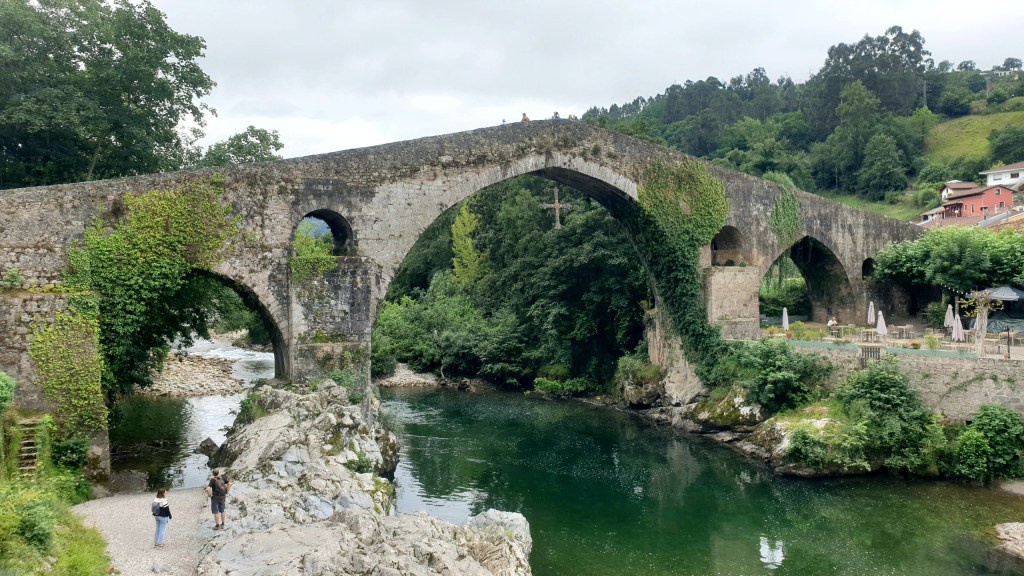
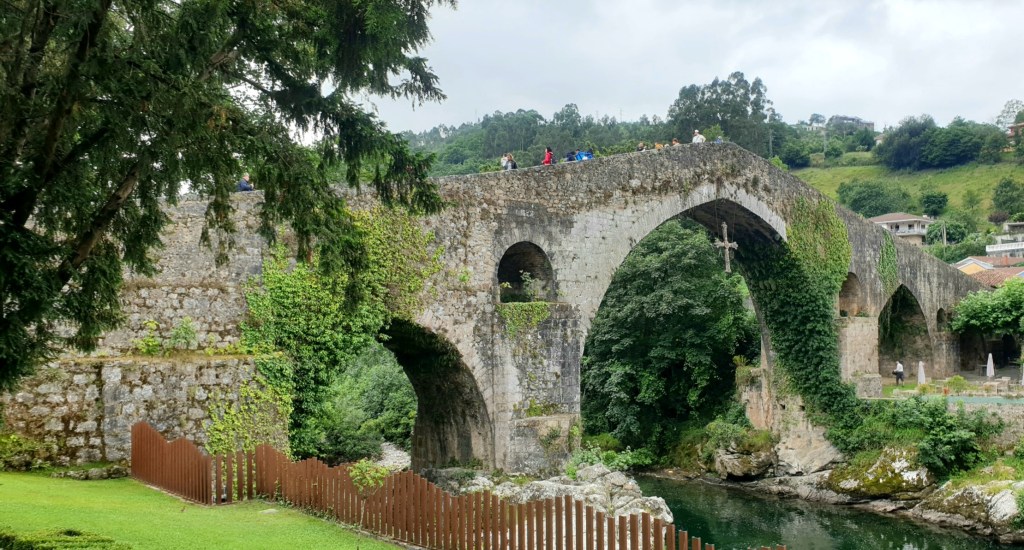
Then on to the Puente Romano de Cangas de Onís, a stone bridge across the Sella River built in the 14th or 15th century. I have no idea why they consider it to be Roman.

Then to Mirador del Fitu via another twisty and narrow road with it’s views north and south.

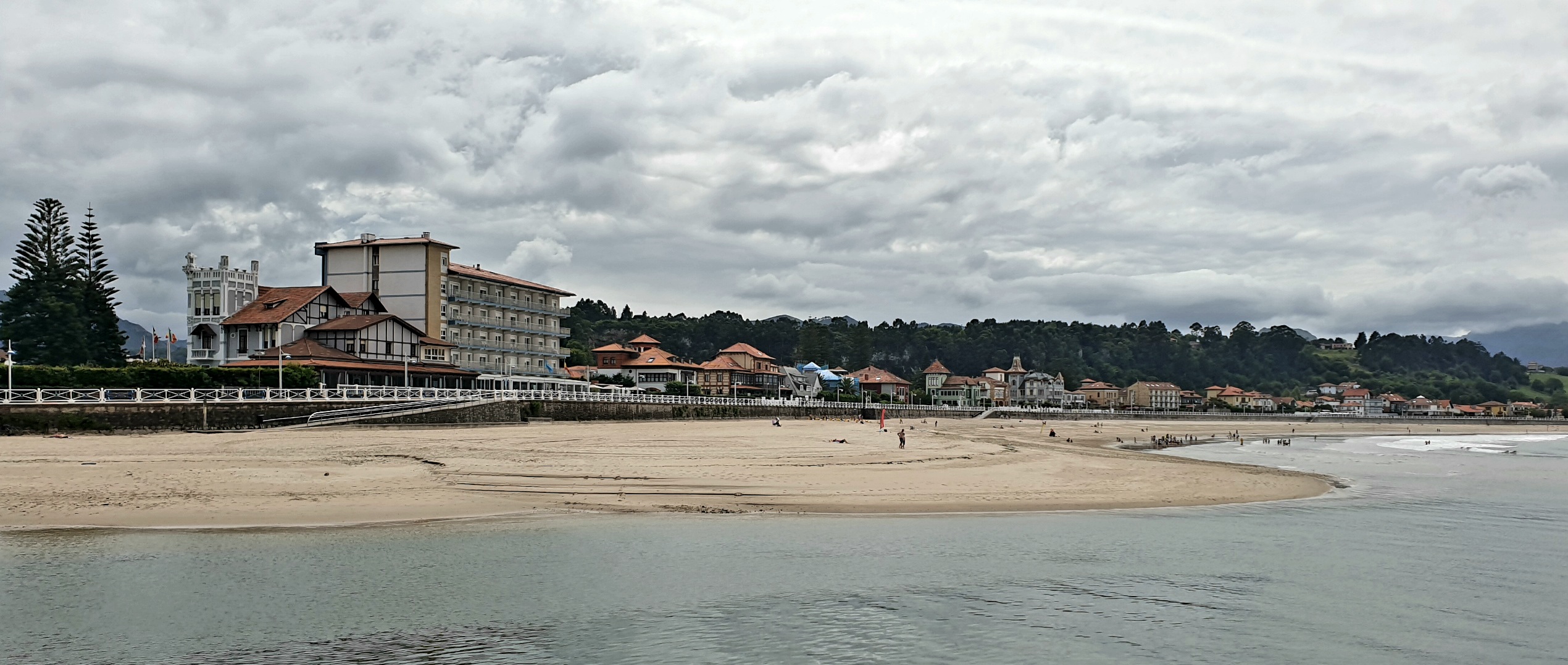
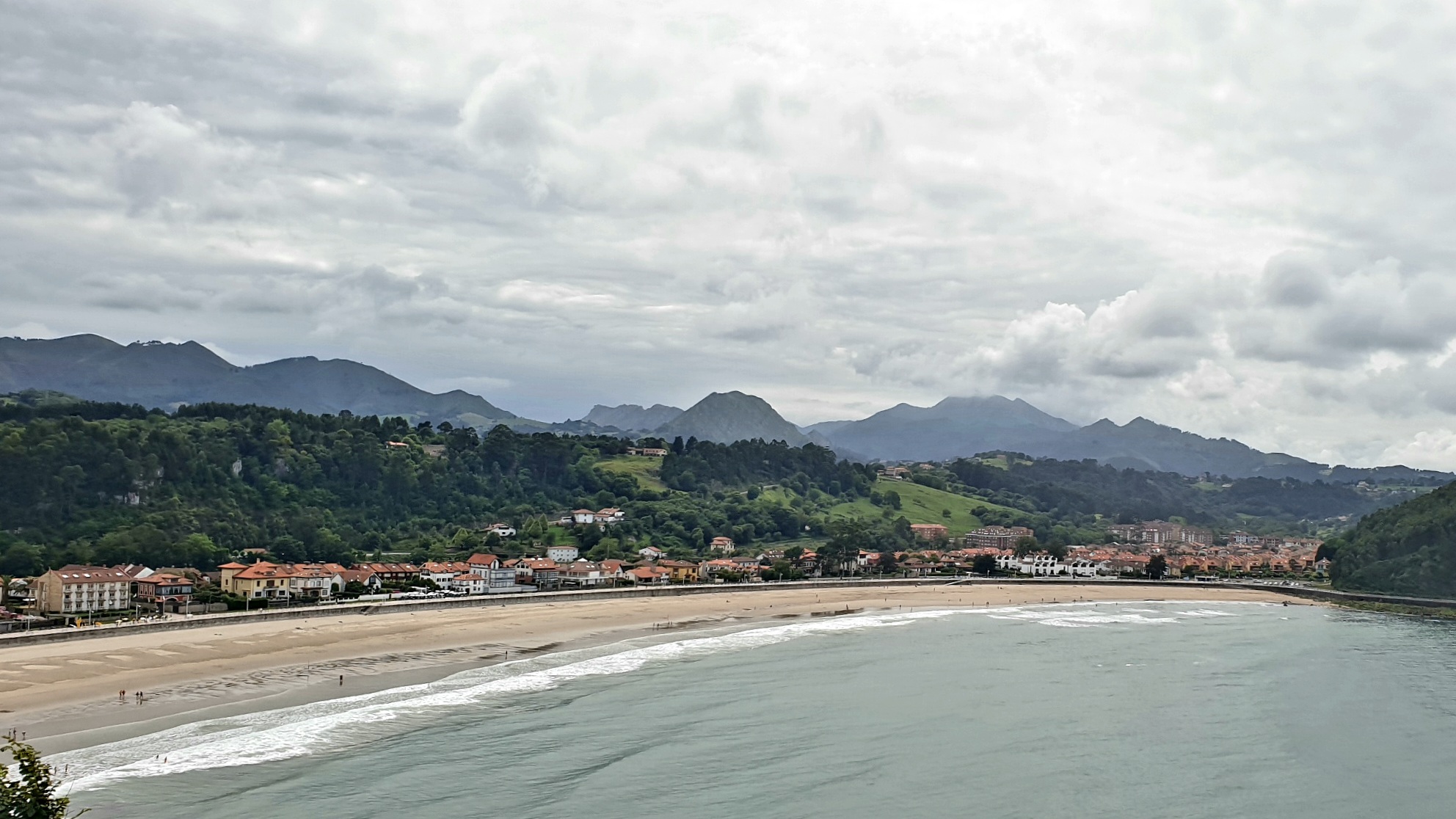
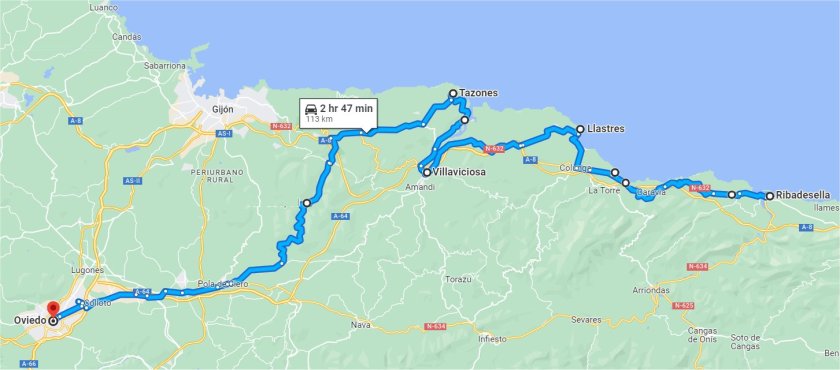
And so to Ribadesella for a 2 night stay and a laze on the beach.

Thur 7/7 – Ribadesella to Oviedo – 120k

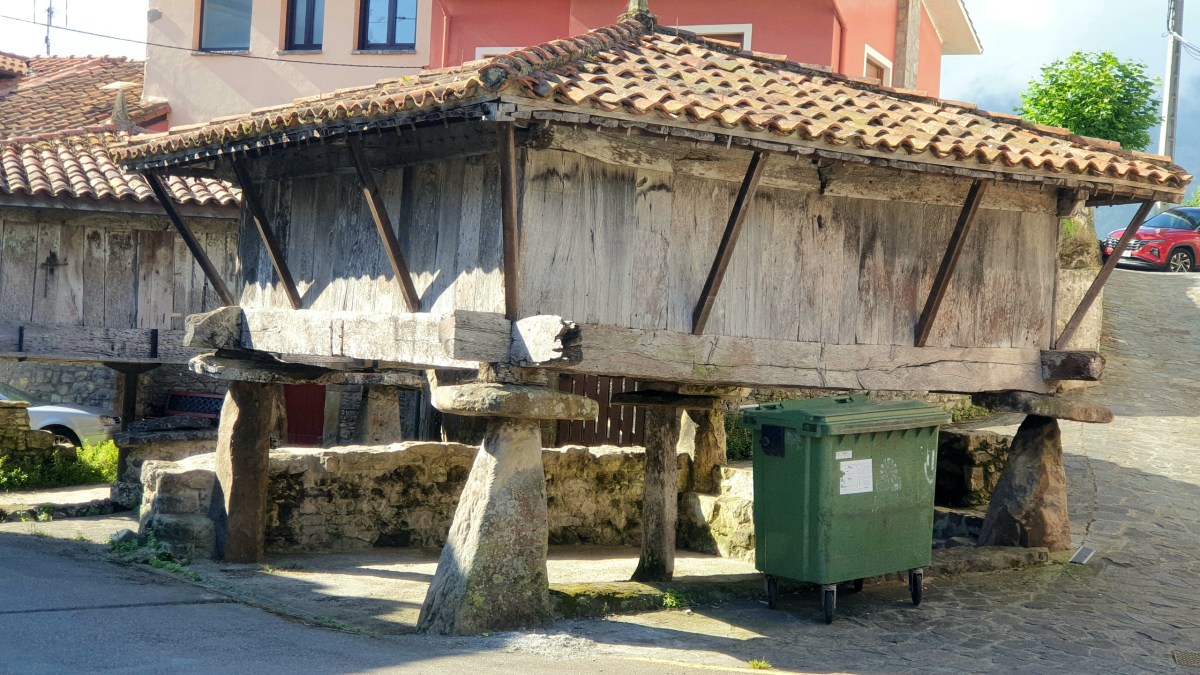
We chased the coast a while and dropped into a few little places. Playa De La Espasa then La Isla where I snapped these traditional Spanish grain storehouses. These things are everywhere, in all states of repair or, usually, disrepair, with many differing styles.

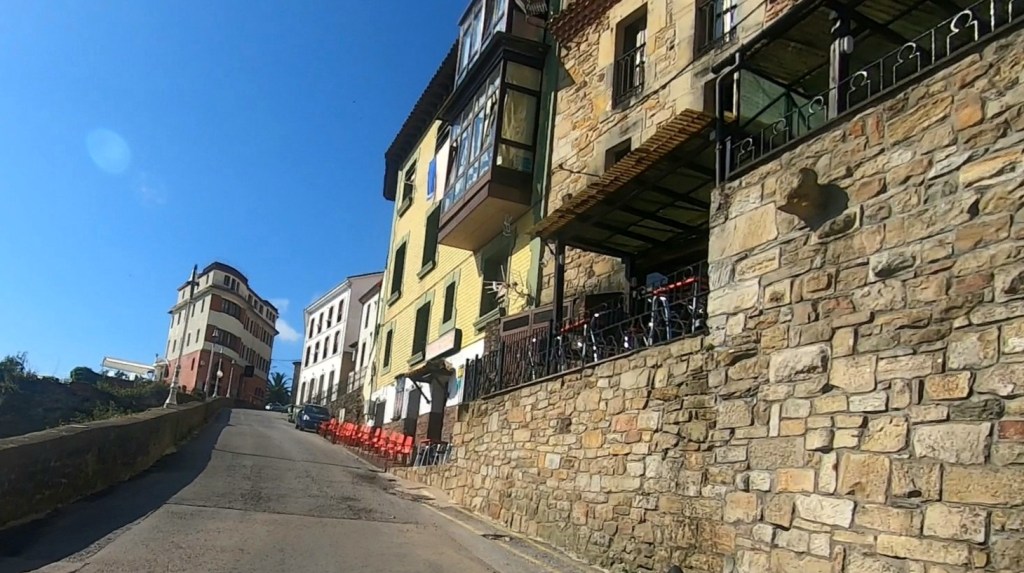
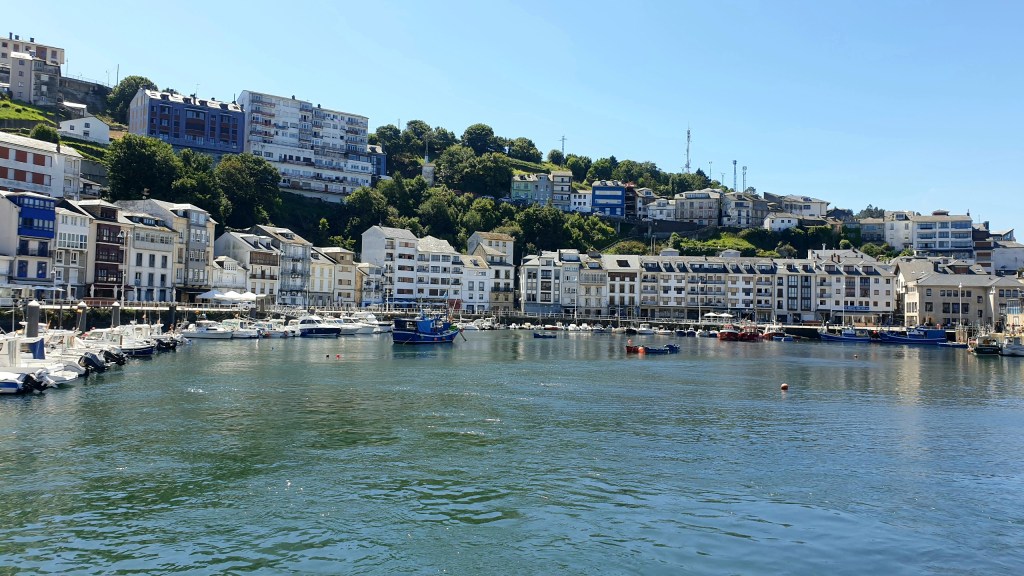
Through San Telmo to Lastres with it’s quaint little harbour and serpentine streets up to the lookout where we stopped for a brew with a view.

We rode through busy Villaviciosa to Tazones where we stopped for a while and watched a local fisherman selling his morning’s catch which consisted of Sardines and small Ray.

From there it was a straight run through to Oviedo using the AS-331, that took us up and up and over a range. I’d chosen this route on Google Maps as it looked like a reasonable short cut, which it was, but no-one else thought so as we didn’t see another vehicle in it’s entire 20klm length. The surface was fine but it was very narrow and non stop curves, hairpins and short straights. However, we survived the experience through the endless logging plantations – seems like the loggers weren’t working thank goodness.

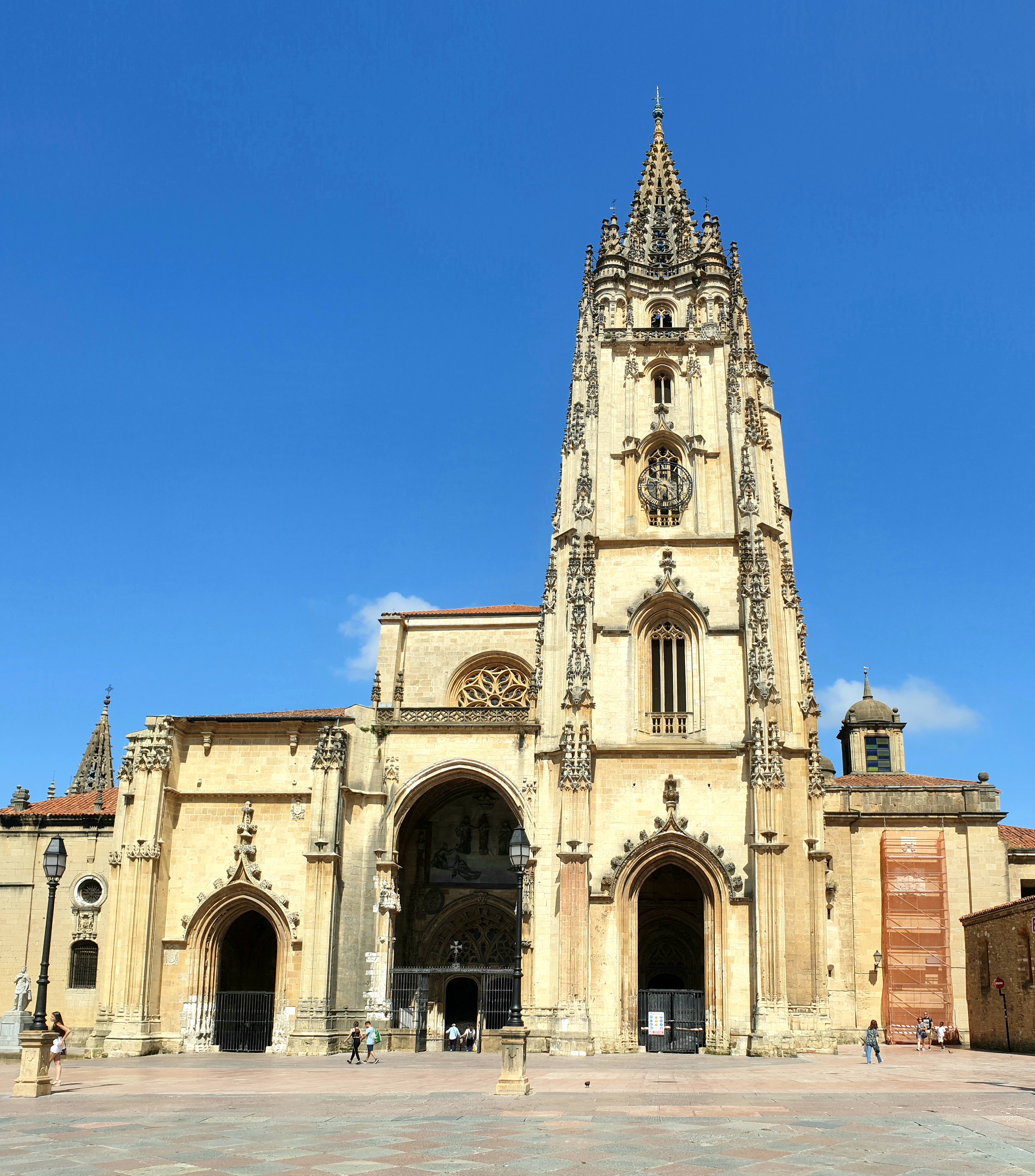
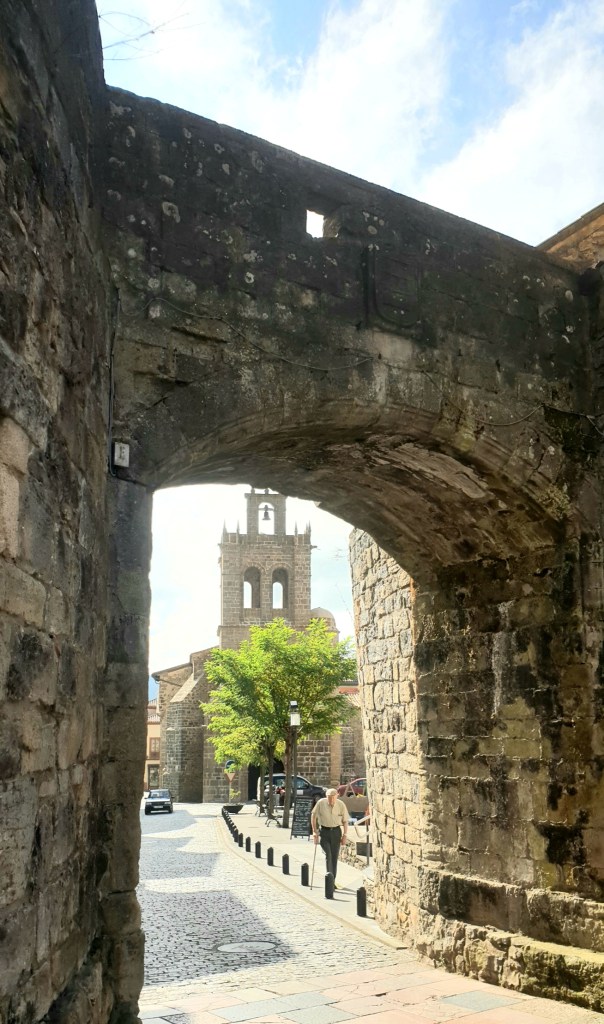
To lovely Oviedo where we had a hotel within 30m of the Old Town and its non stop parade of religious buildings.
This place is smack bang in the middle of the pilgrimage route to Santiago, or Camino de Santiago, of whom we’d seen many on the road. Not my spiritual cup of tea, but it’d be a great walk/hike all the same.

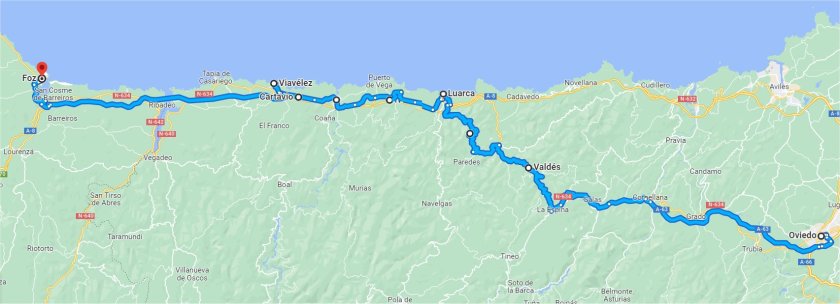
Fri 8/7 – Oviedo to Foz – 180k

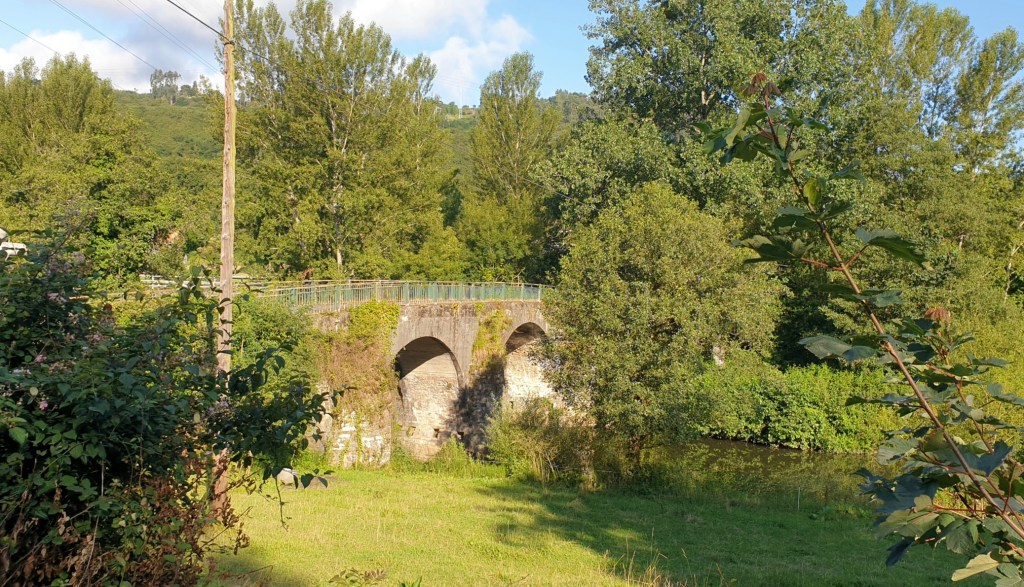
Our first stop was at Ponte Medieval de Gallegos.
Pilgrims on the Camino de Santiago have passed over this bridge for centuries to cross the Nora River. The first written reference to this bridge dates back to 1247. At the entrance of the bridge, there is a sculpture made in concrete by José Luís Fernández in 1982, belonging to a series called “Encuentros”.

Avoiding the offered freeways we followed the AS-371 as it traced the Nora then the Nolan Rivers to Puente medieval de Peñaflo, another Pilgrim crossing of unknown age.

On through Grado’s congested one-way streets to Salas where we bought a A$1.80 coffee and sat on the sidewalk and watched the world go by, and a very quiet and peaceful world it was.

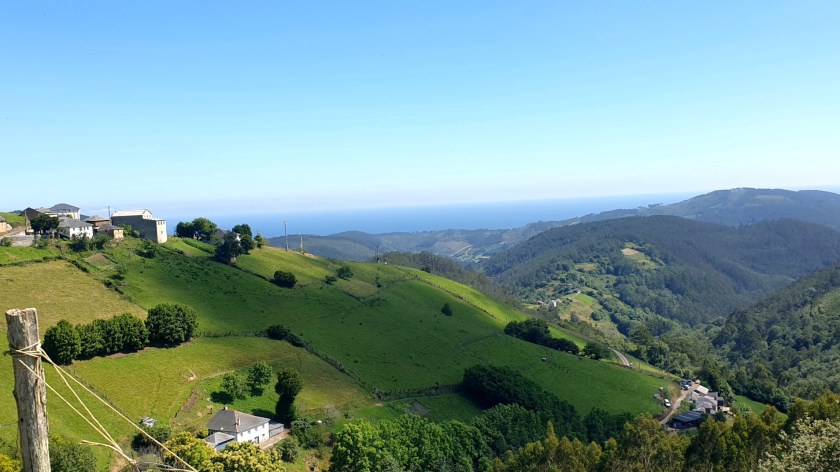
From the AS-351 was a glorious 50klm ride through non-stop twisties through endless bushlands and beautiful countryside as we crossed one range after the other to Fontoria – which has nothing going for except its at the end of the road.

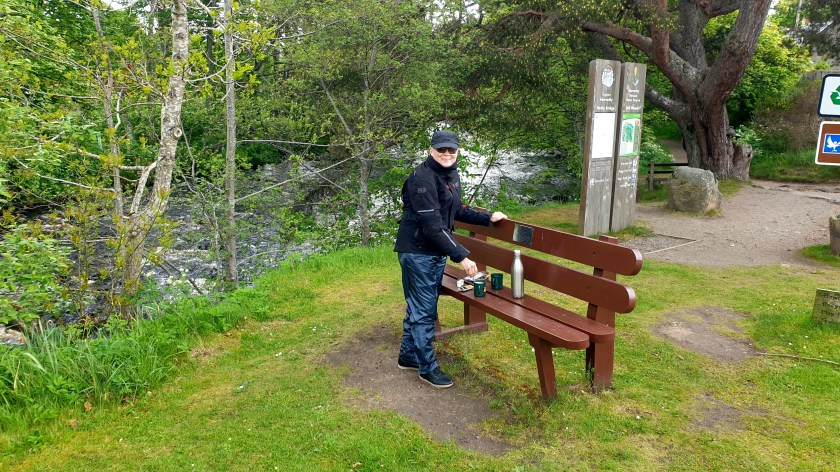
To lovely Luarcra and its little harbour where we sat on a bench and had a brew. We do tend to get some strange looks as we’re sitting there with our flask having a brew, after all coffee is very cheap so why bother. But it’s something we enjoy doing and something we’ve always done on our travels through Europe in the past.

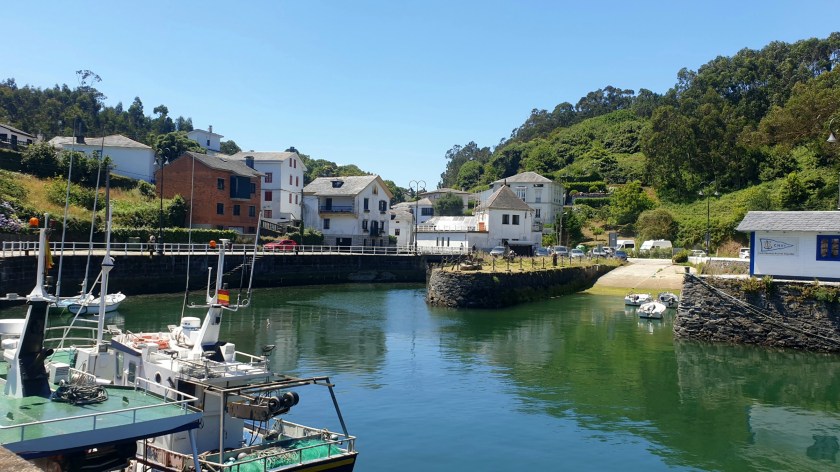
Up the road a ways is tiny Cetárea Viavélez with it’s inevitable quaint harbour. We got chased out of town by an irate local who seemed to think that we shouldn’t have ridden across that bridge to access the view below – or something like that.

The day was warming up and getting to be long so we cruised the final 15k by freeway to Foz where we had a misunderstanding with the landlord (seems it was that sort of day) as our room was supposed to have a balcony with sea views. Seems our interpretation of ‘balcony’ and ‘sea-views’ is different in Spanish. We compromised with free breakfasts for 2 days – not a bad deal really.
It was Friday, so we loosened our belts a notch.

We spent the Saturday on the beach which was quiet when we got there at 9am but packed an hour later. The Atlantic Ocean is cold, believe me.

Sun 10/7 – Foz to A Coruna – 210k

Today is warm, but its Sunday so our free negotiated breakfast isn’t on until 9am which means a later start than we’d prefer. We stock up on fruit to compensate and hit the road. A fuel stop at A$3.10/ltr which is the norm for E5 95 octane – so don’t complain Aussies.

We drive through Burela which is still asleep even though by now its 10.15am, and head for San Cibrao and it’s lighthouse(s) – Faro de Punta Atalaia. Just across the bay is a rather large ALCOA Aluminium smelter.

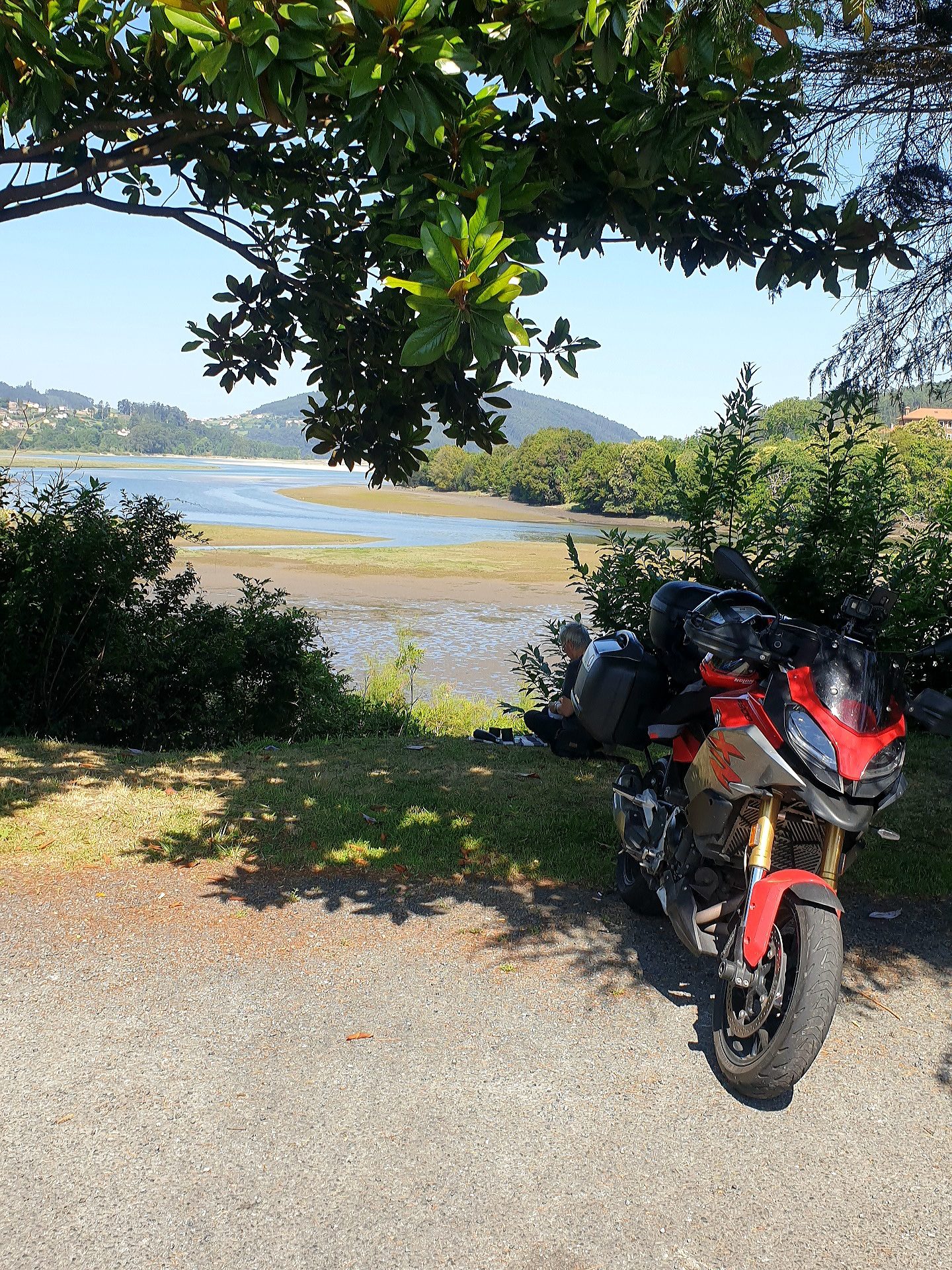
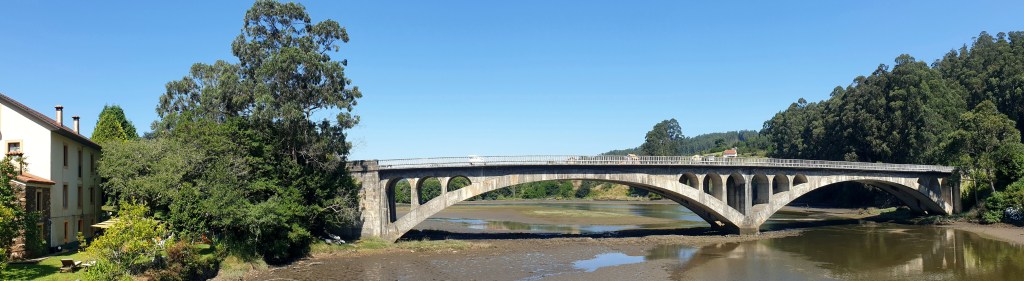
On through Viveiro, Ortigueira and Cedeira then 5k further on we stop for a brew overlooking an estuary and watched the tide come in. Oh, and a bridge of no real history.

Then its from one bay to the next headland to the next bay and so on, to Ferrol and Pontedeume with all those beautiful bays in between.

To Ponte do Pedrido, a 520m bridge that crosses the Betanzos River. First we crossed it then we took a break in it’s shade.

Then it was on to A Coruna where we booked in to our boutique hotel in the middle of town.

Mon 11/7 – A Coruna lay day

We’ll spend 4 nights here in A Coruna – its about time for a rest. We’re half way through our journey and still in love 😃

Wk 7 – Wales to Spain

Week 7 we covered some distance – Wales to Spain

Caernarfon (Wales) to Santona (Spain) – 27 June to 2 July

Mon 27 June to Sat 2 July
Caernarfon – Hay-on-Wye – Bradford-on-Avon – Portsmouth – Bilbao – Santona

Mon 27/6 – Dublin to Caernarfon – 70klm

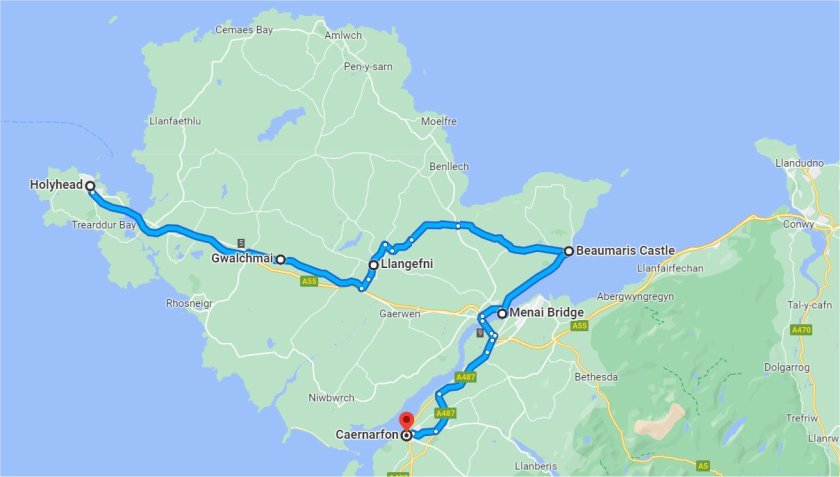
We’re out of our Dublin B&B early to catch the ferry to Holyhead in Wales. It’s an easy 3 hour crossing. We stop in busy little Holyhead for an early lunch then move on. Through Llangefni and on to Beaumaris Castle. Started in 1295 it is famous as the greatest castle never built – hence its squat appearance. It was the last of the royal strongholds created by Edward I in Wales – and perhaps his masterpiece.

The sun is making a rare appearance today as we move for a distant view of two great engineering feats of the early 19th century.
The Menai Suspension bridge, opened in 1826 it was the World’s first iron suspension bridge.
The Britannia Bridge, opened in 1850, is a magnificent prototype box-girder bridge.

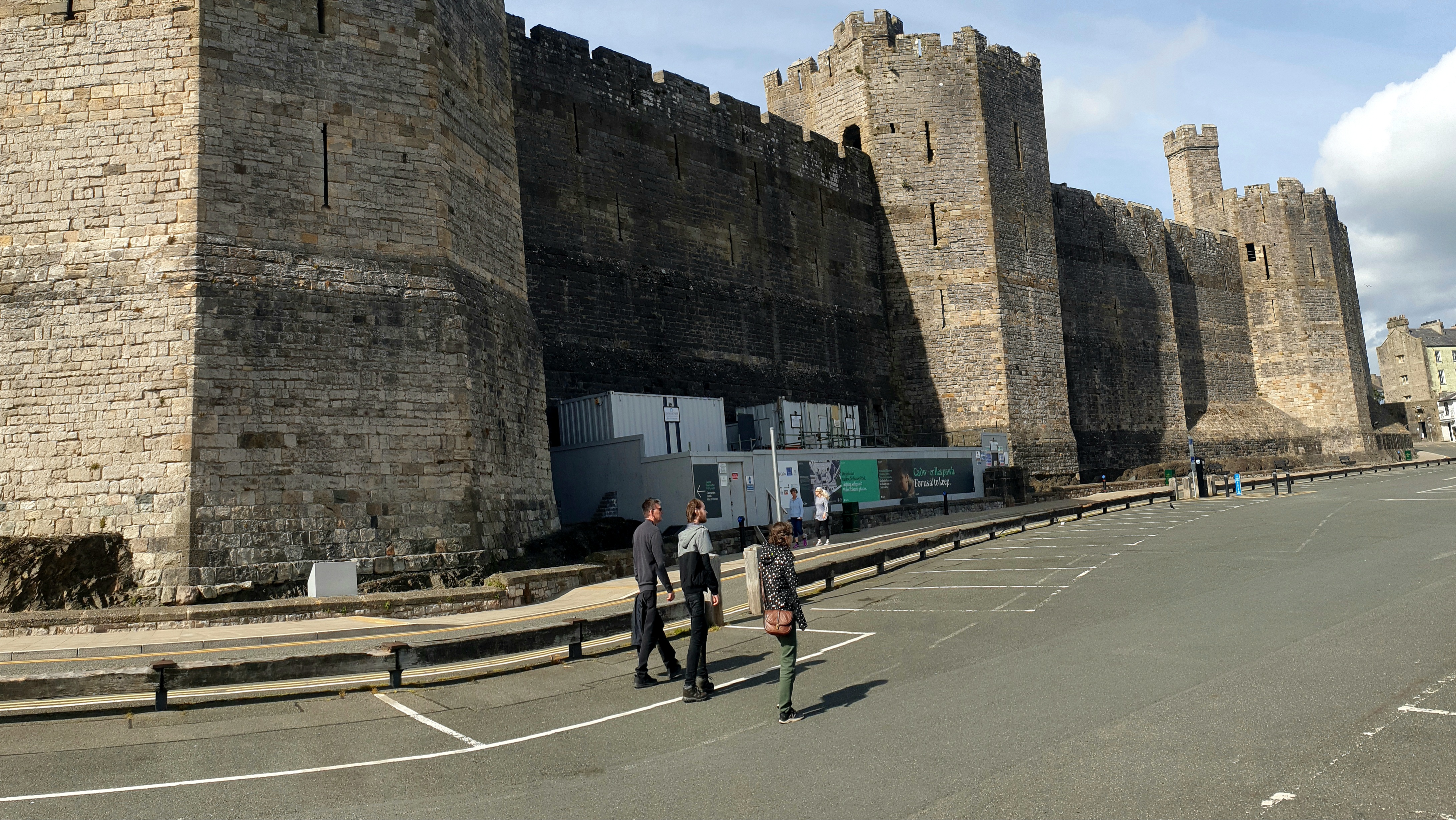
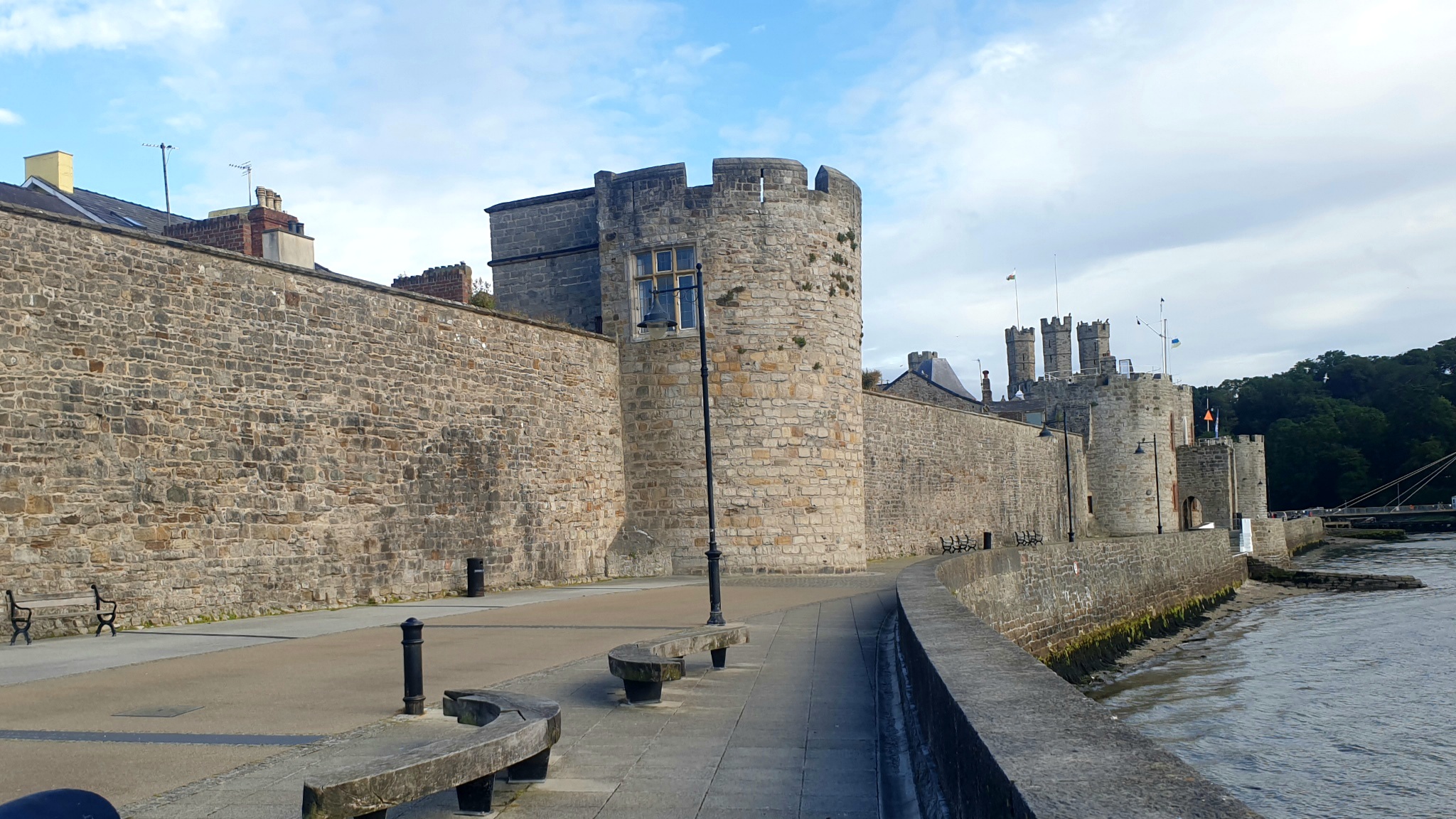
And so to Caernarfon and Totter’s Hostel literally under the walls of the famous Caernarfon Castle. Built in the 13th century it is recognised around the world as one of the greatest buildings of the Middle Ages.

Courtesy of Wikipedia

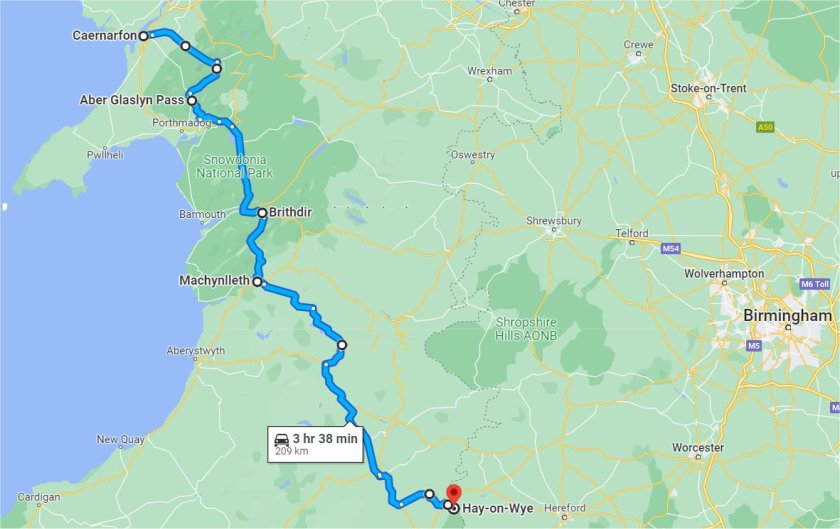
Tues 28/6 – Caernarfon to Hay-on-Wye – 210klm

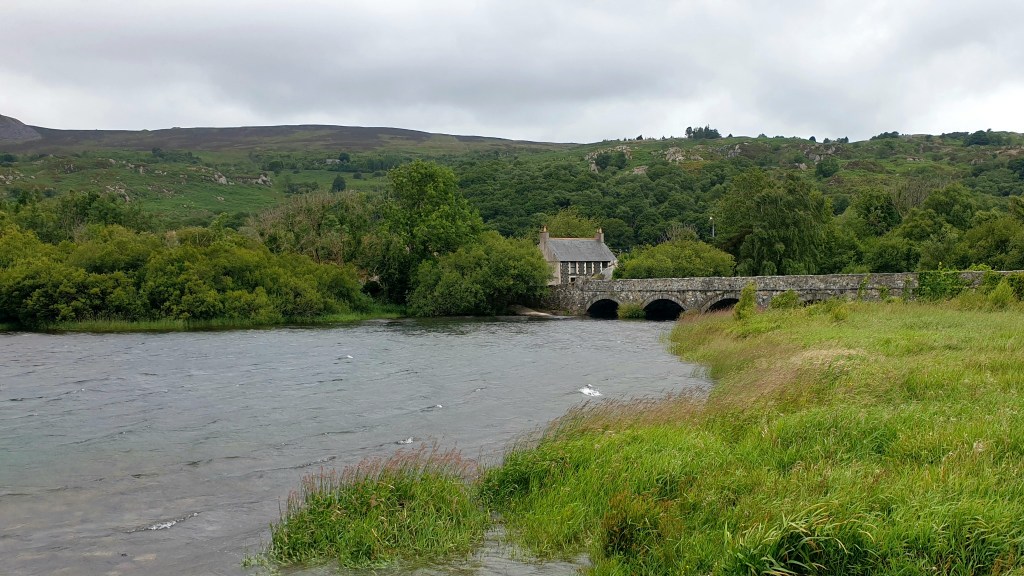
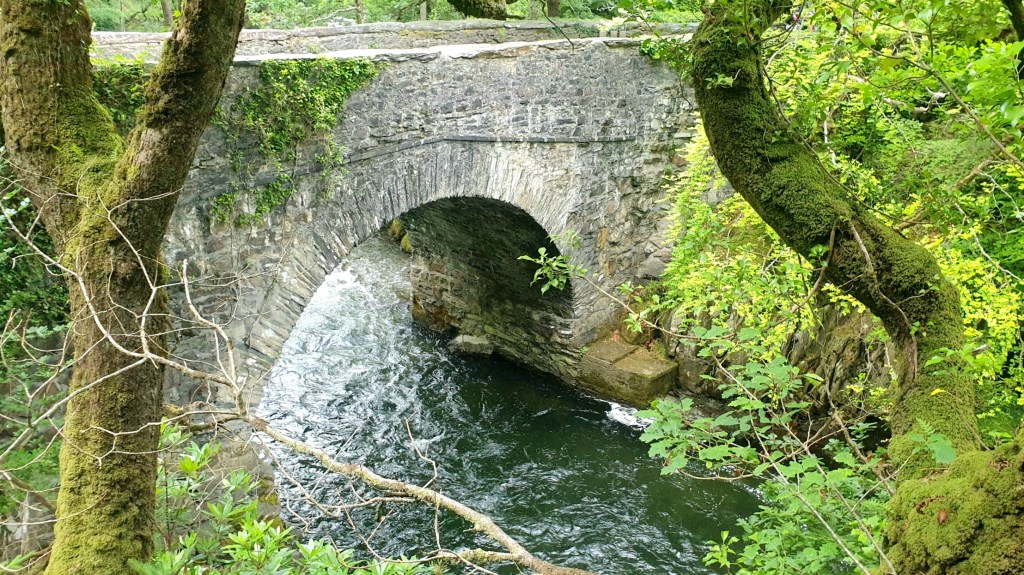
It’s going to rain! We eat our meagre ‘breakfast provided’, climb into our wet pants, fuel up, and head out of town. Stopped for a quick pic of the Pont Pen y Llyn, Brynrefail, a stone bridge built in 1826 to connect the Fachwen slate quarry to the main road from Caernarfon to Llanberis.

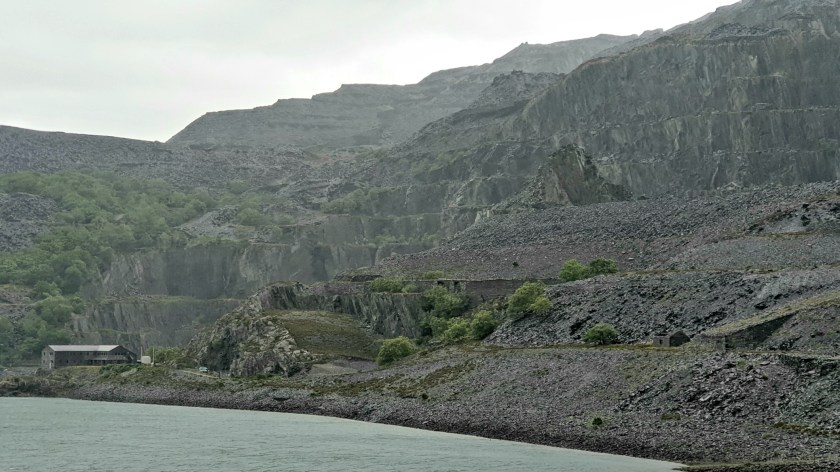
Fachwen slate quarry, hiding in the mist. And across the Llyn (lake) Padarn, on our side, this lonely abode besieged by it’s rocky environment. There are any number of these once habitats that always beg the question (of me anyway) ‘What were the dreams and history of such as this’?

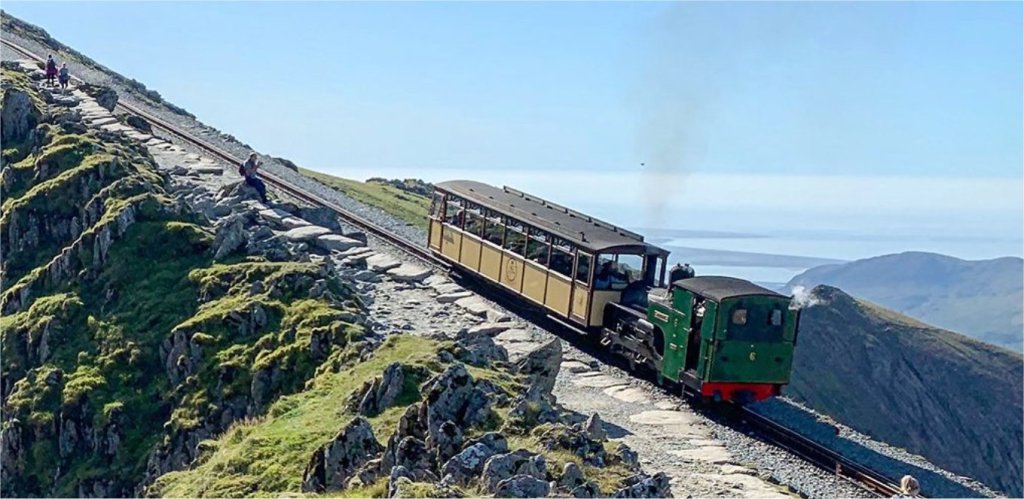
The plan had been to take the Snowdon Mountain Railway to the summit of Mount Snowden, but once again we were thwarted by the inclement weather, and once again there were the numerous busses with their forlorn passengers milling around in the rain.
150 men with picks, shovels and dynamite laid almost eight kilometres of track up this mountain – all in fourteen months around 1895. And this is what Norma missed. She was so disappointed 🤣

Courtesy of Google

Ran in to a bunch of 23 bikes, all from Belgium, at the Lake Gwynant viewpoint. They were quite impressed by our little journey.

To quaint and isolated Pont Aber-Glaslyn over the Aber-Glaslyn Pass. Perhaps built in the 17th century, then extensively rebuilt and widened in 1795. An 1883 guidebook wrote that it “has occupied the artist’s pencil perhaps more than any other”

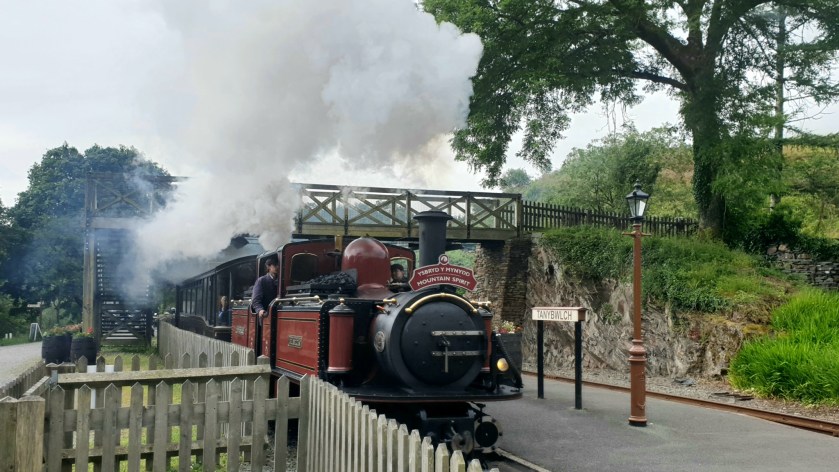
It’s still raining as we skirt the delightful roads to the Tan y Bwlch Station which has a little Café. It was built in 1836 to carry dressed slate.
We stopped for a wee brew (that café looked way expensive) and witnessed the restored steam rail tourist locomotive passing as we sat in a little ‘for picnic use only’ tent out of the rain.

A further 35klm on we took a slight detour to the charming vernacular Pont Helygog, an ancient single-span road bridge called ‘the old bridge’ in 1830 when repairs to the parapets were carried out.

With the weather easing we continued on to Hay-on-Wye which is world renowned for books and bookshops. It has a unique position on the border between England and Wales, and what isn’t a bookshop is either a café or an antique shop. It also has a castle built around 1200.

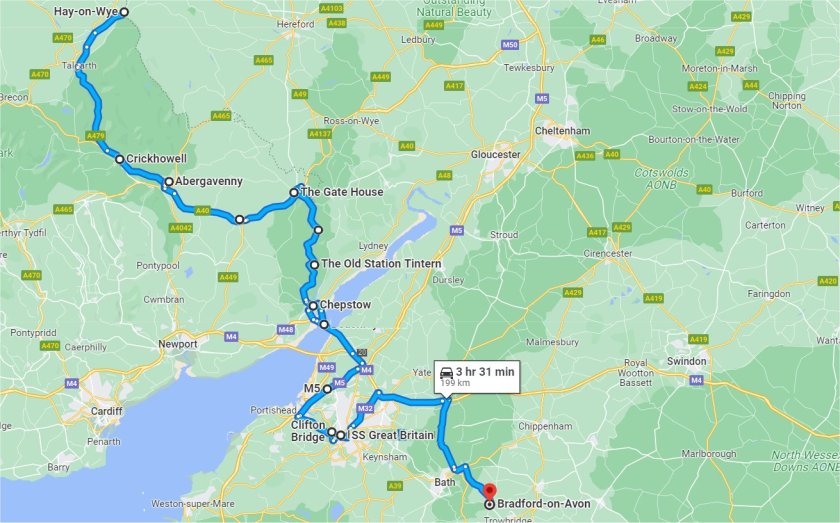
Wed 29/6 – Hay-on-Wye to Bradford-on-Avon – 200klm

Oh yeah. It’s raining again as we follow the A479 down through the Brecon Beacons National Park, through Talgarth, Crickhowell and Abergavenny to call into Raglan Castle for a quick pic. Built in 1435, the silhouette of Raglan crowns a ridge amid glorious countryside and is said to be the grandest castle ever built by Welshmen. It is impressive there’s no doubt, but they still can’t play Rugby 🤣😘 On that note, we’ve just left Ireland where they were waxing lyrical on their chances of beating the All Blacks – I had to laugh, though silently because they’re a tough looking bunch those Irish. But never tough enough to beat the All Blacks. Nor the English to beat the Wallabies 😃😁

Monnow Bridge, built around 1272, in Monmouth, is the only remaining mediaeval fortified river bridge in Great Britain with its gate tower still standing in place on the bridge.

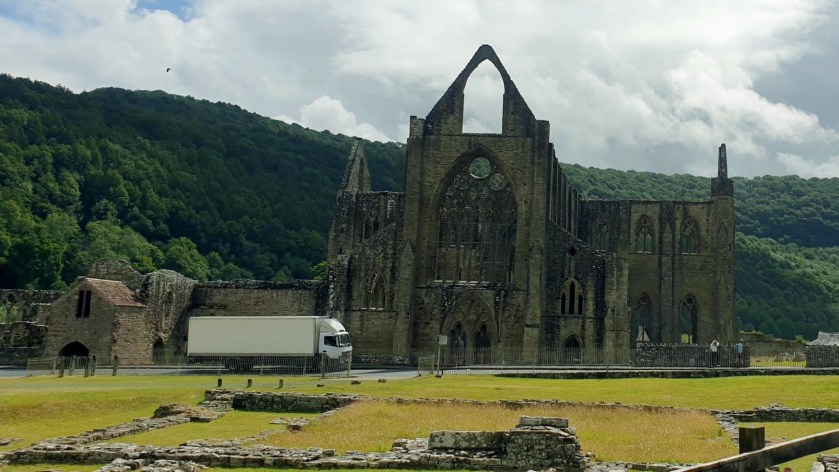
It’s a beautiful 20klm run down through the National Park to Tintern Abbey. Built in 1269 this national icon still stands in roofless splendour on the banks of the River Wye nearly 500 years since its tragic fall from grace at the hands of Henry VIII in 1535. Why is there always a truck parked in the way???

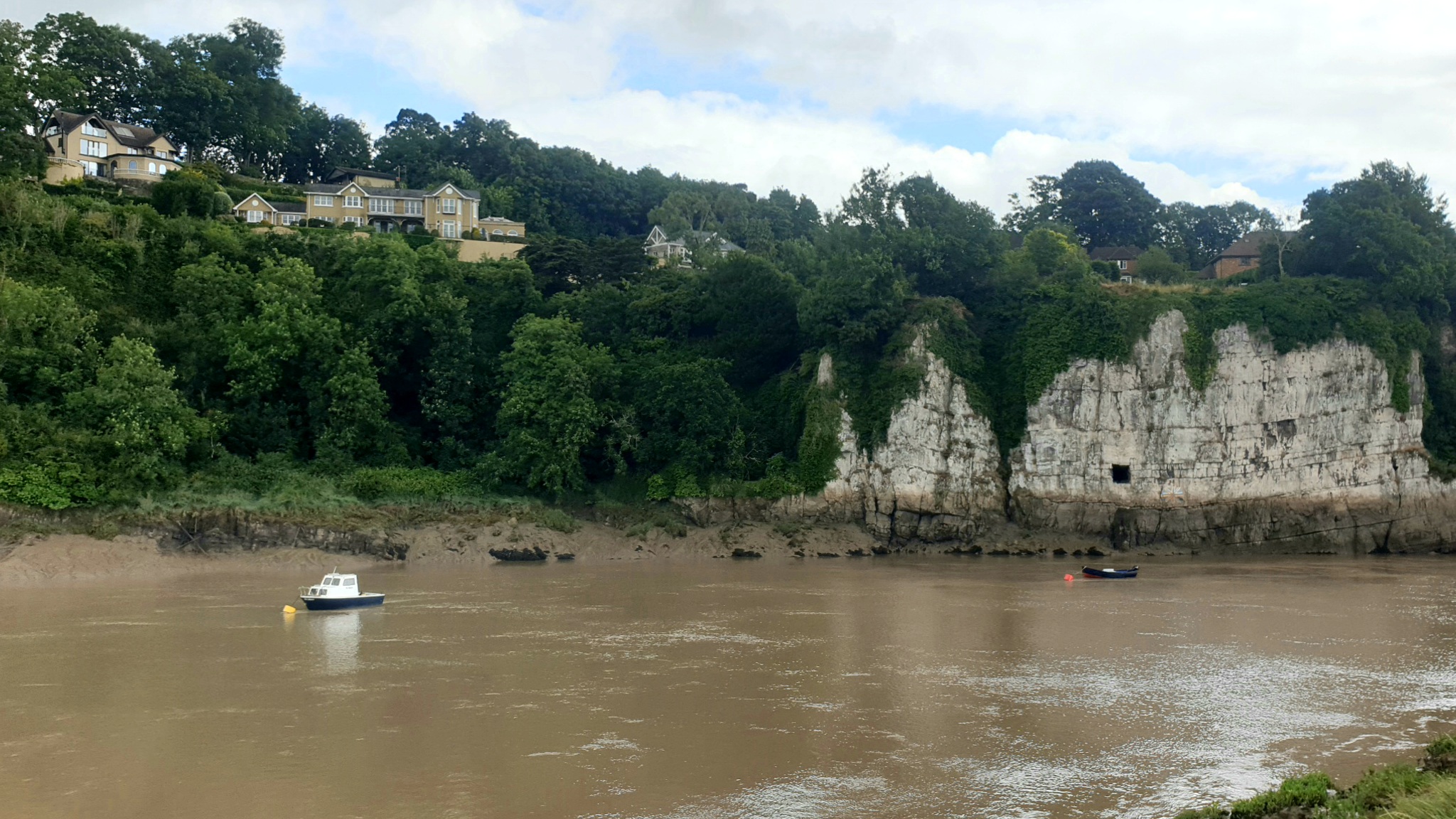
The rain had eased so we stopped at Chepstow for a brew and then it started to rain in real earnest as we detoured to the northern bank of the River Severn for a look at the truly majestic Severn Bridge. Built in the 1960 this thing is 1600m long with a longest span of 988m.
That’s impressive, except when you’ve never crossed it before and it’s driving rain and your GPS (in our case a Samsung S9+) screen is being pelted with rain drops big enough to cause it to open all sorts of programs. It was a nuts ride I tell you.

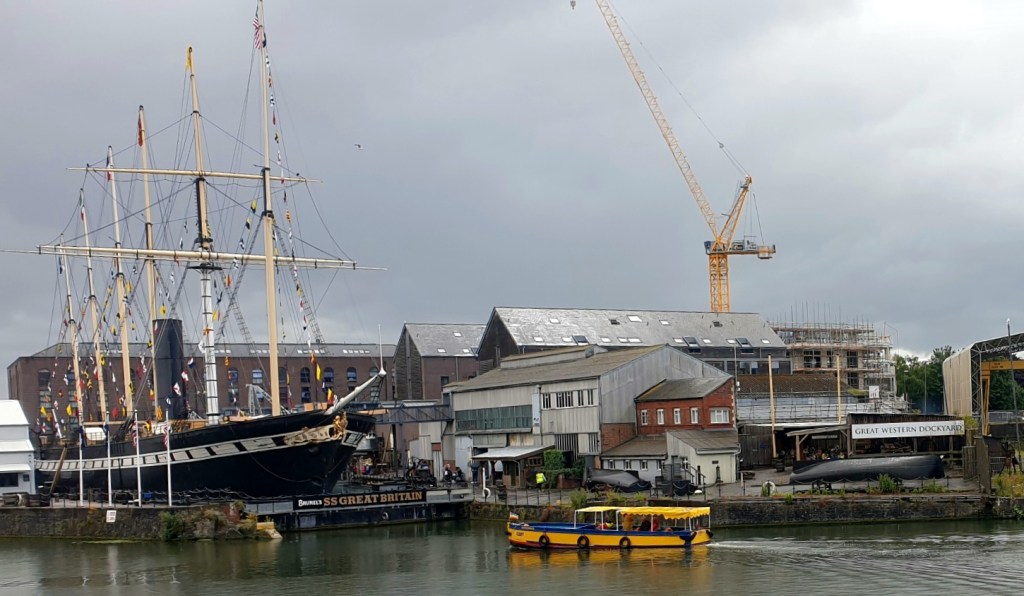
The plan was to pay the toll and cross the famous Clifton Suspension Bridge, which we did, then to ride under said bridge, which we did, then to call in to have a look at Brunel’s mighty SS Great Britain, which we didn’t because there were all sorts of road works happening. That was a disappointment, but by happenstance we spied it across the Cumberland Basin as we were leaving town in the still bucketing downpour. The one consolation being that motorbikes can use bus lanes, and there’s plenty of those.

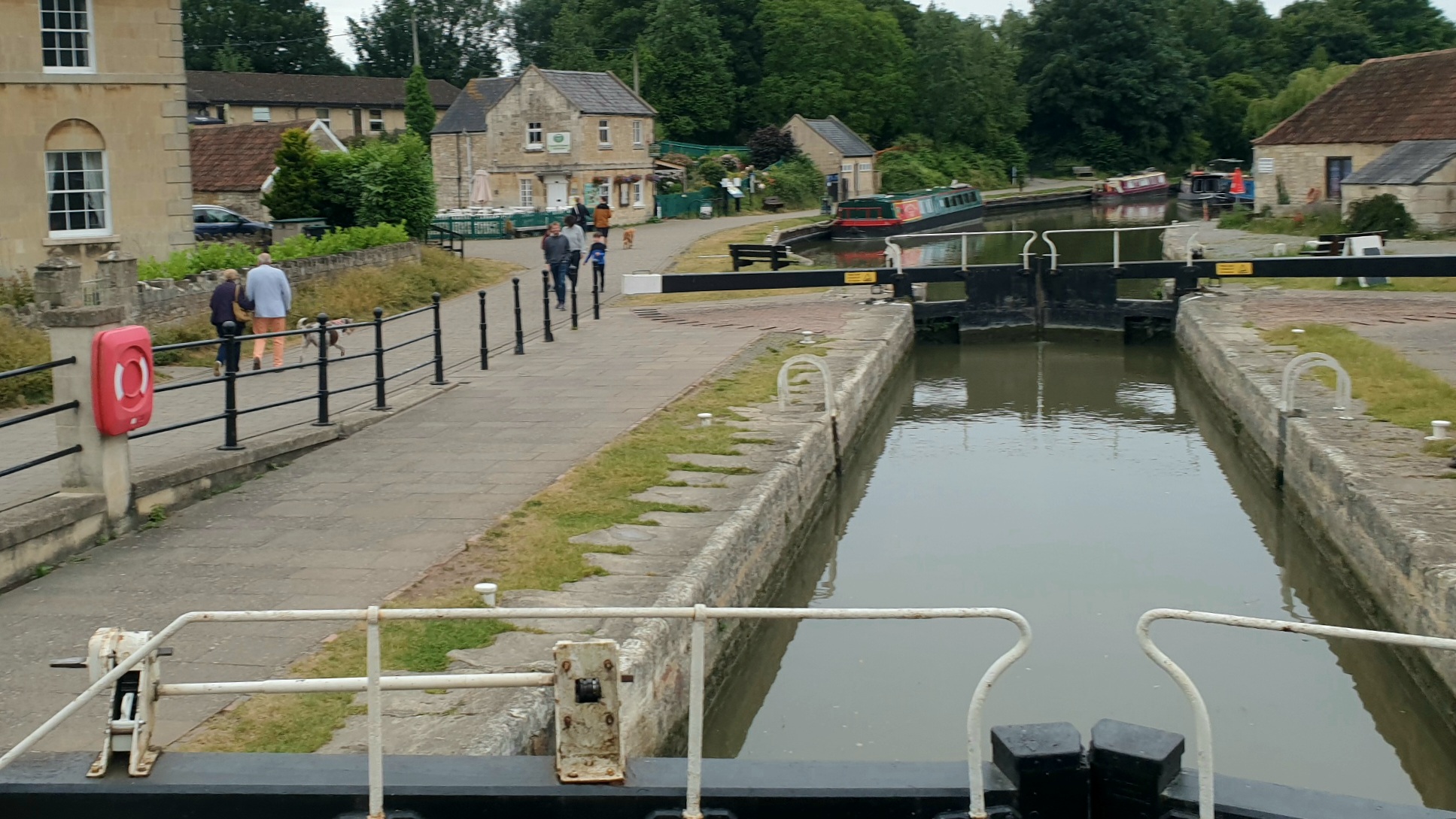
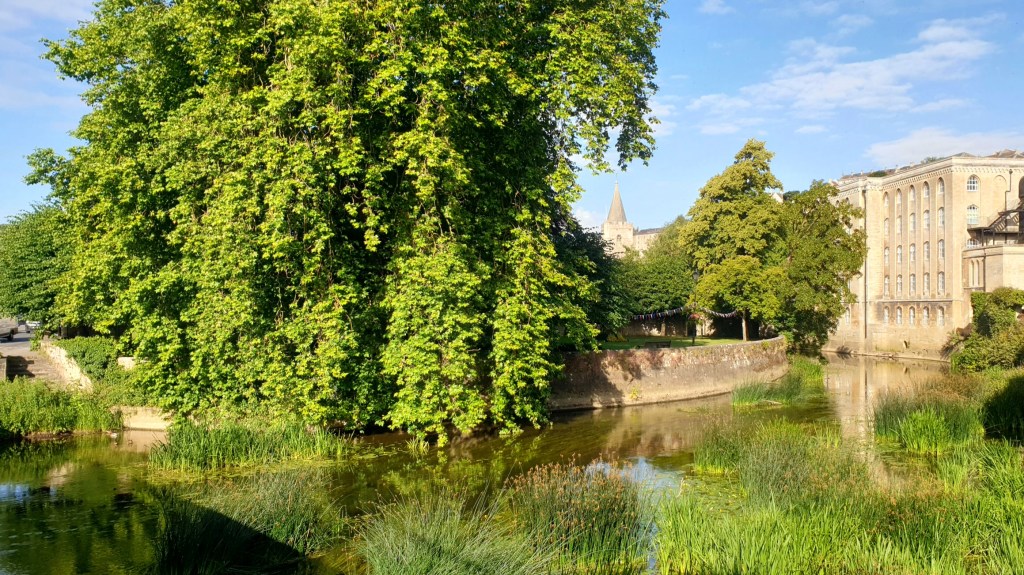
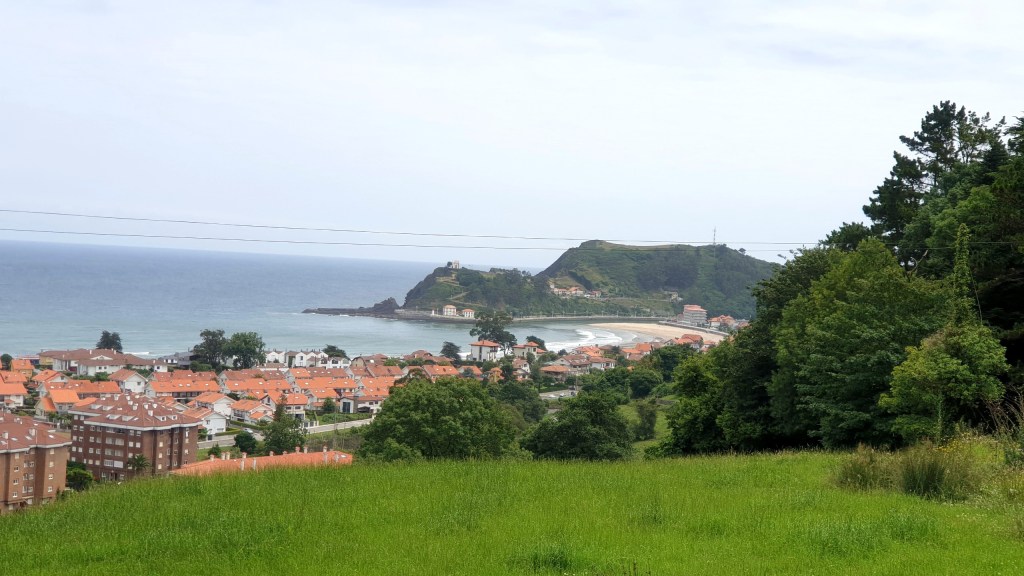
The rain eased for the final 35klm to the magical historic town of Bradford on Avon nestling on the banks of the picturesque River Avon, where else, and lying at the southern edge of the Cotswolds. This place is totally lovely and our pick of romantic stops.

An evening stroll after a delightful Italian meal.
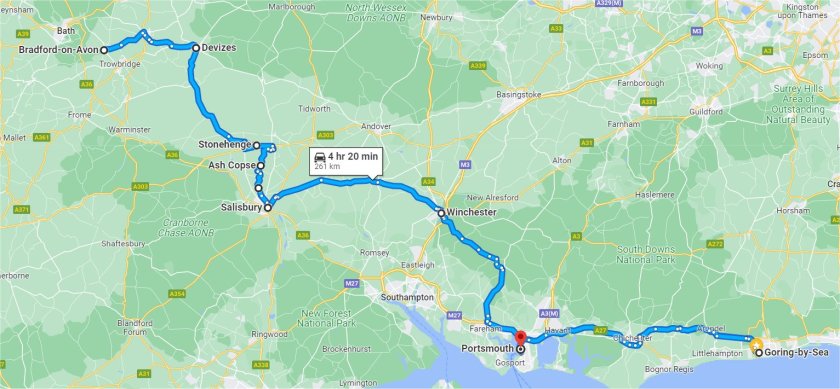
Thur 30/6 – Bradford-on-Avon to Portsmouth (Ferry to Bilbao) – 260klm

It’s looking like fair weather so we take the chance to wash the bike as we leave quaint Bradford-on-Avon – can’t be taking a dirty motorcycle in to Spain, not that they cared.
And then as soon as we’d done washing it the rain began. Seriously?

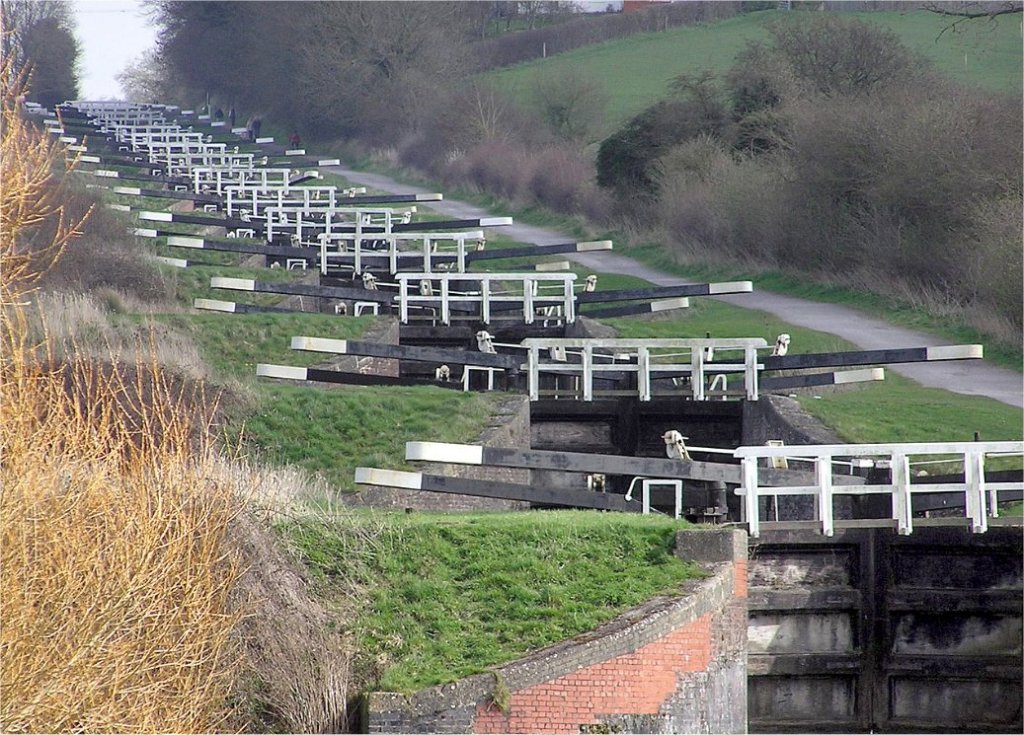
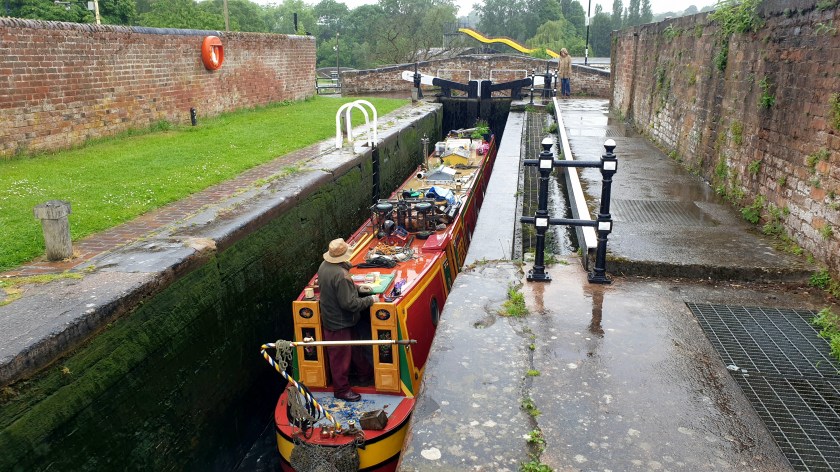
Caen Hill Locks is one of the longest continuous flight of locks in the country – a total of 29 locks with a rise of 237 feet over 2 miles with a 1 in 44 gradient for anyone who’s counting! The locks take 5–6 hours to traverse in a boat.

Passing Stonehenge to our left we took a quick look at Salisbury Cathedral.
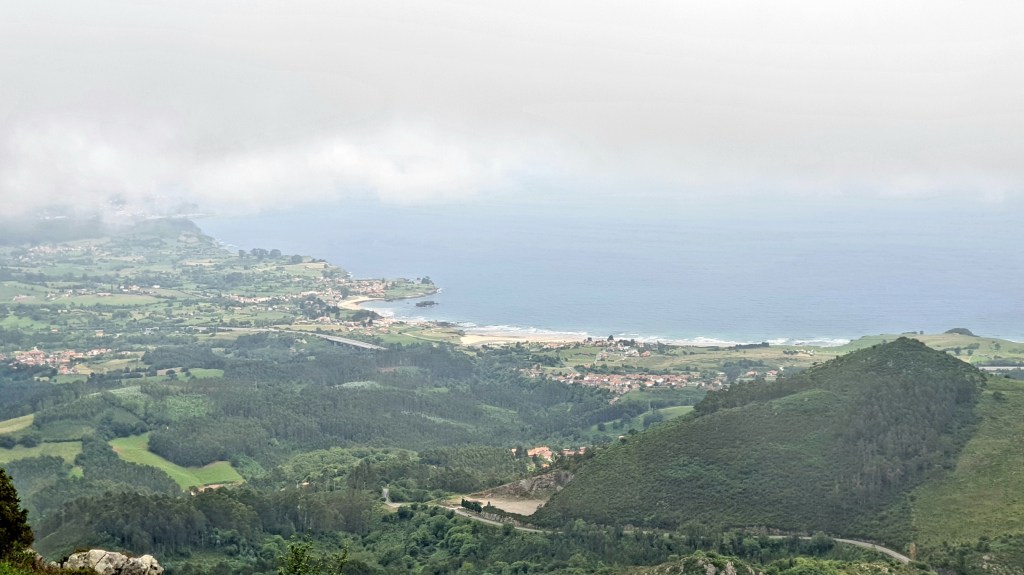
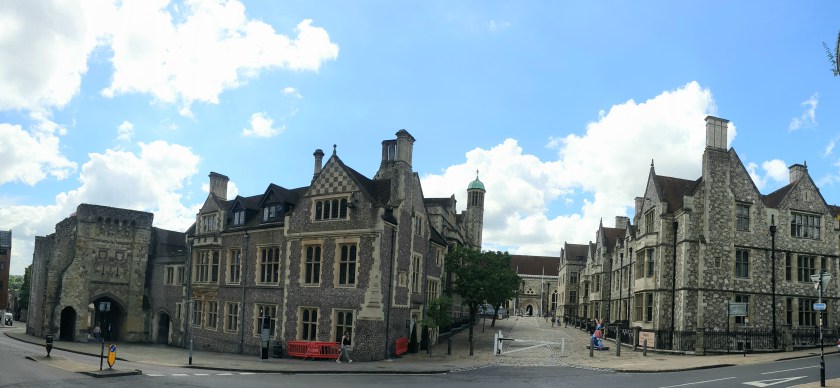
And moved on to Winchester with its city gate and Great Hall

We then skirted around to Goring-on-Sea to have lunch with a couple whom I’d boarded with for 9 months back in 1970. It was good to catch up; none of us are getting any younger.
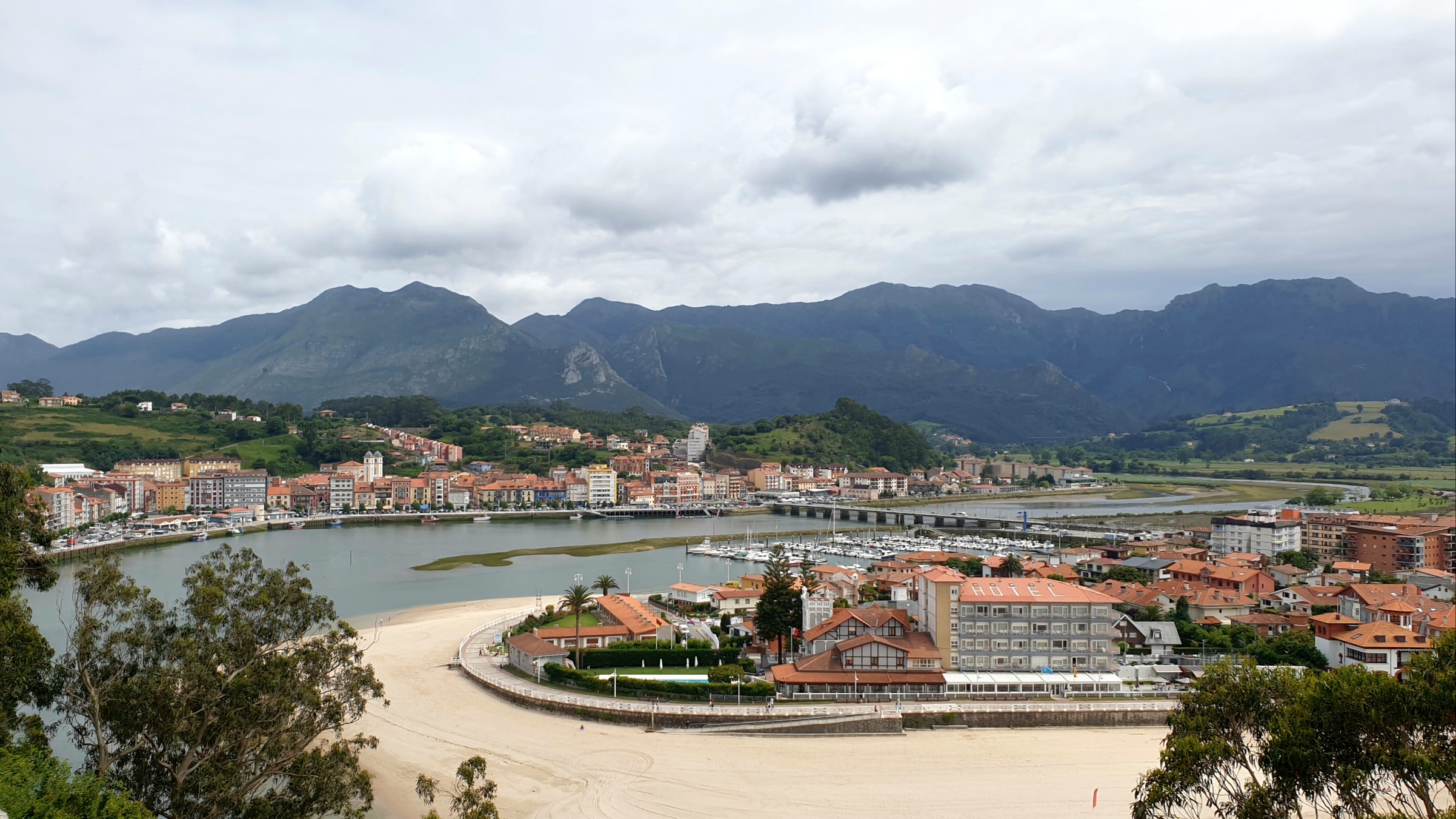
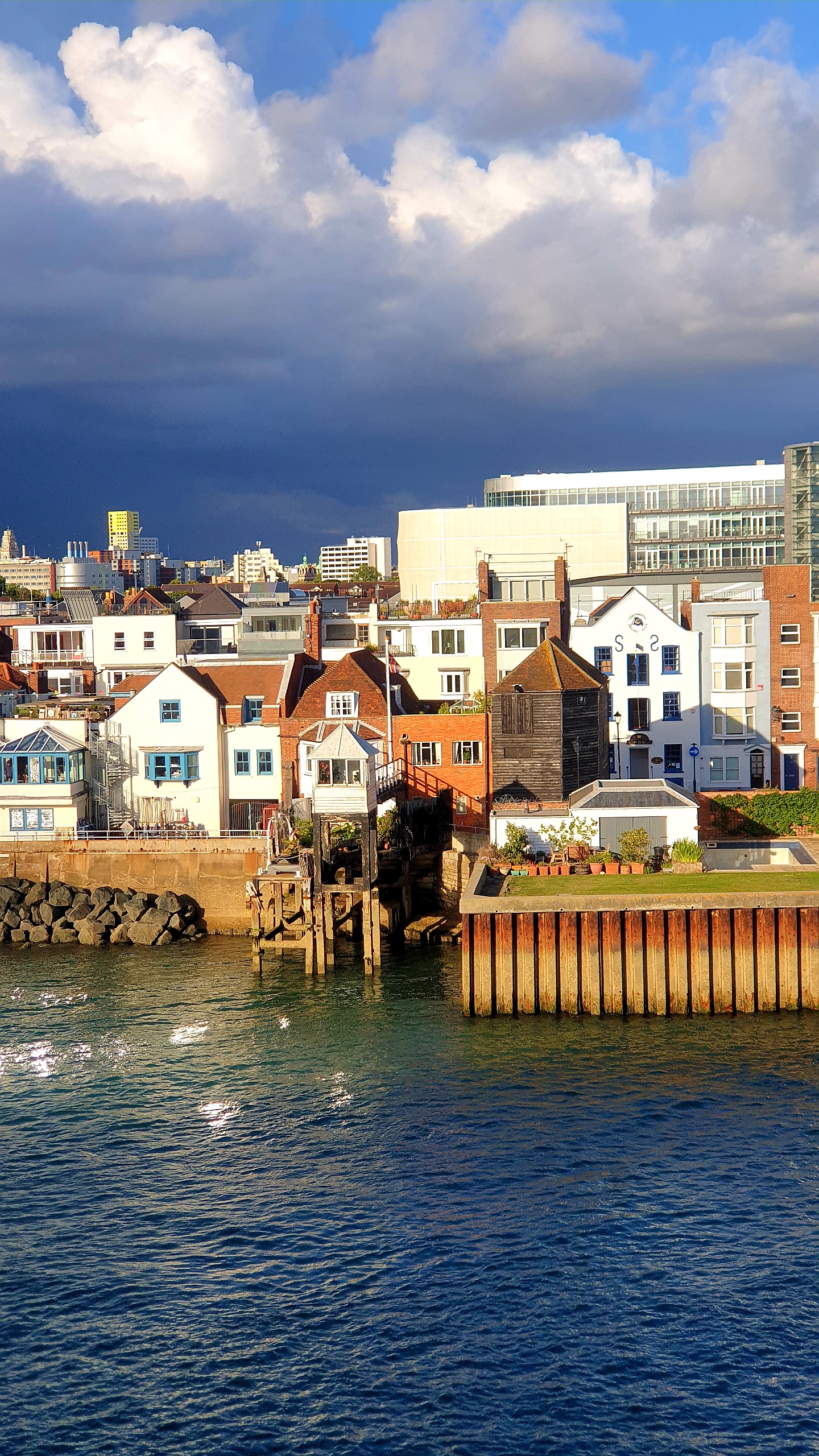
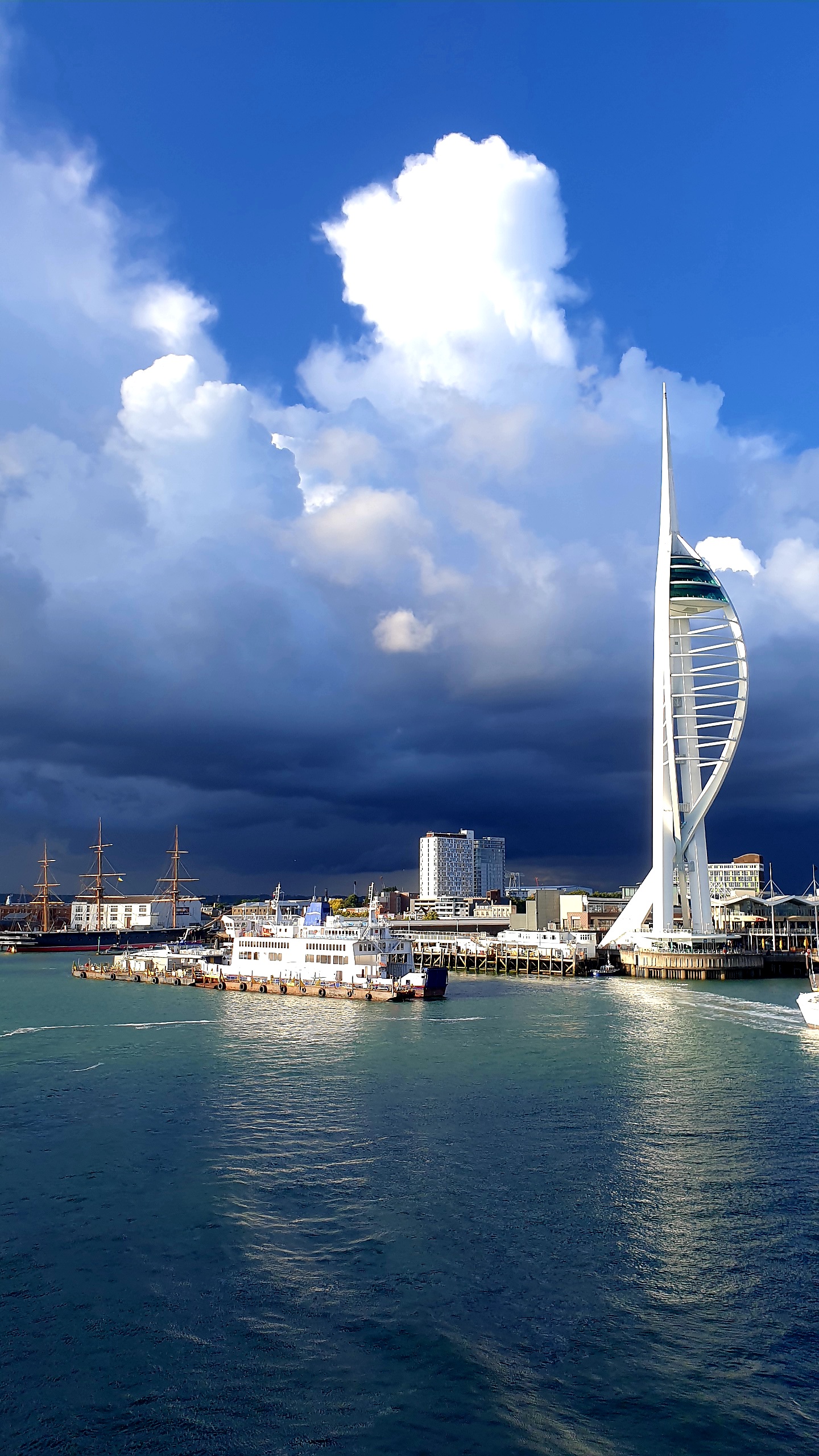
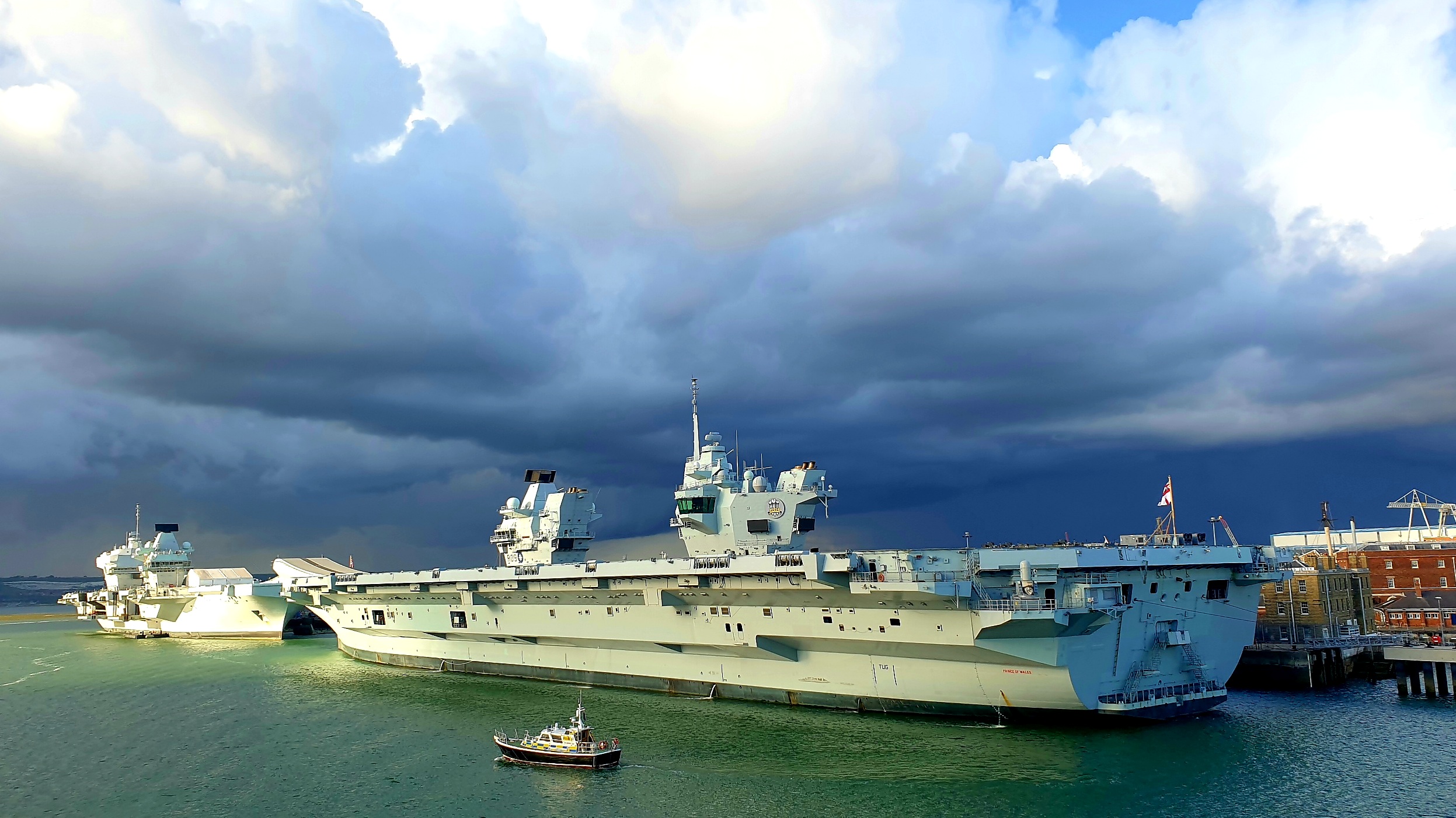
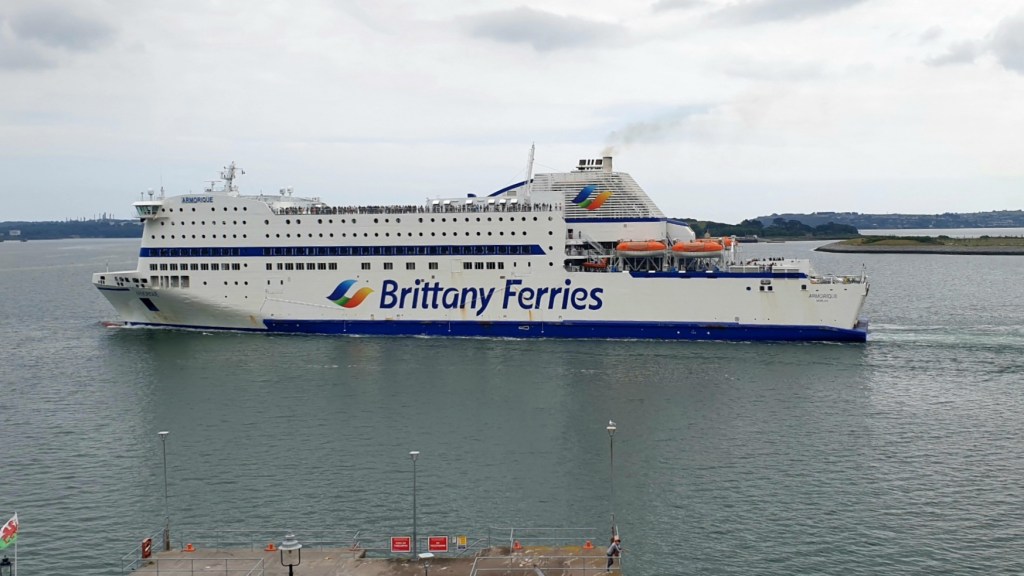
And so to Portsmouth where we embarked on Brittany Ferries newest ferry for the 36 hour crossing to Bilbao in Spain.
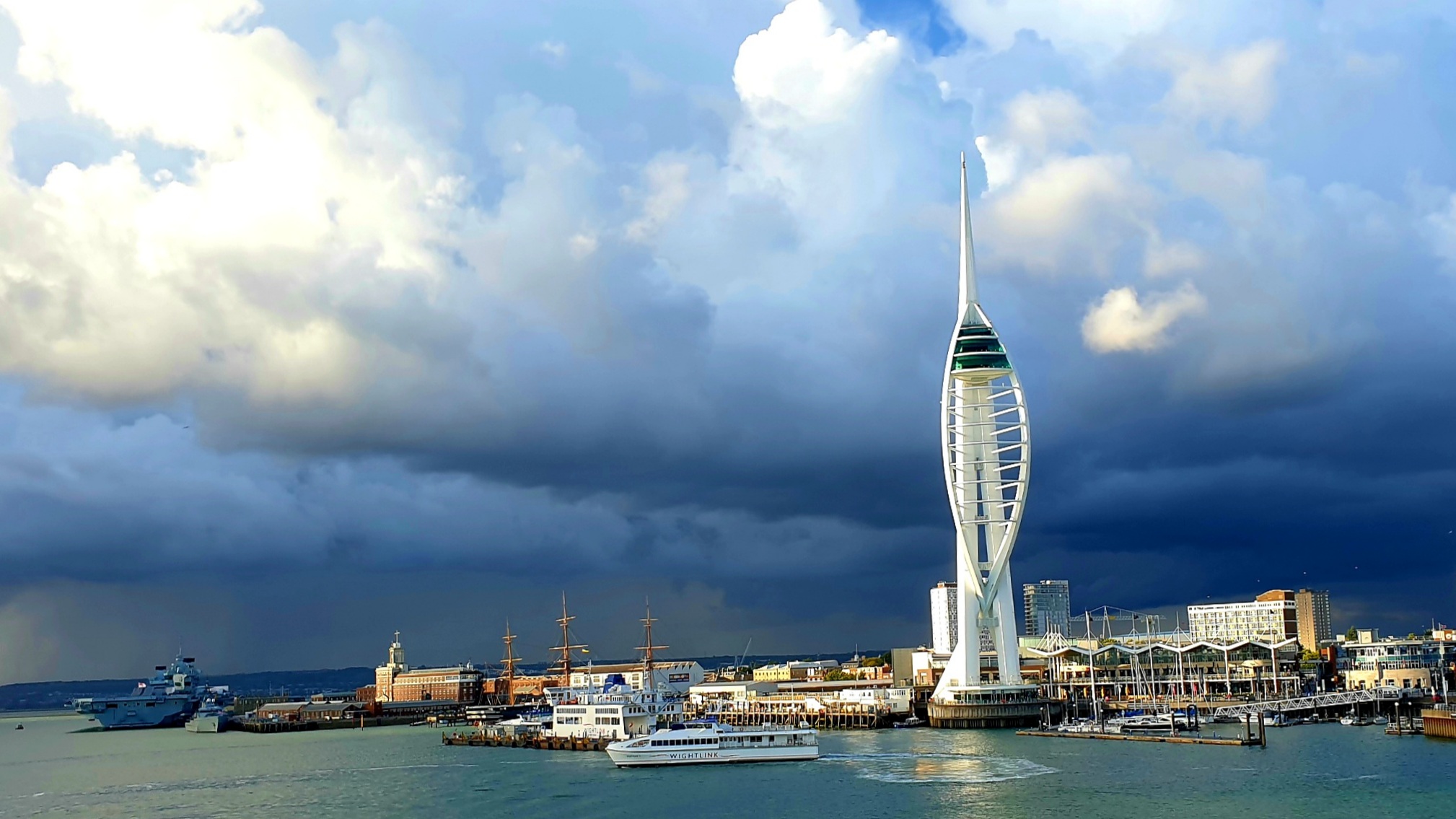
There was real storm brewing behind Portsmouth as we left, but the crossing itself was as calm as a millpond.

So that was England, Scotland, Northern Ireland, Ireland and Wales done for a total of 5550klms in 48 days with 29 ride and 19 lay days. I may appear to be whingeing a lot about the weather but we thoroughly enjoyed ourselves.
Bring on Spain.

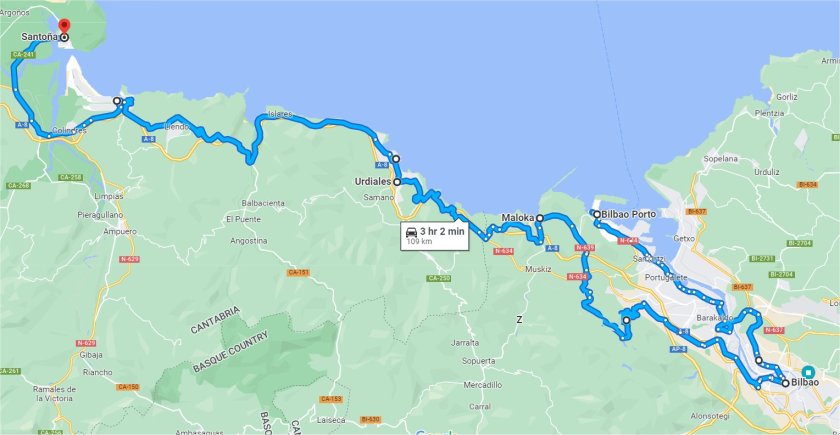
Sat 2/7 – Bilbao to Santona – 110klm

It was a totally uneventful crossing and I’d sprung for a four person outside cabin which allowed us plenty of room. Norma was delighted.
At 8am local we were the very first vehicle to disembark. I’d wondered about how things would go at customs in regards to the bike but they merely took a quick squiz at our passports, stamped them and sent us our way. We headed into Bilbao.

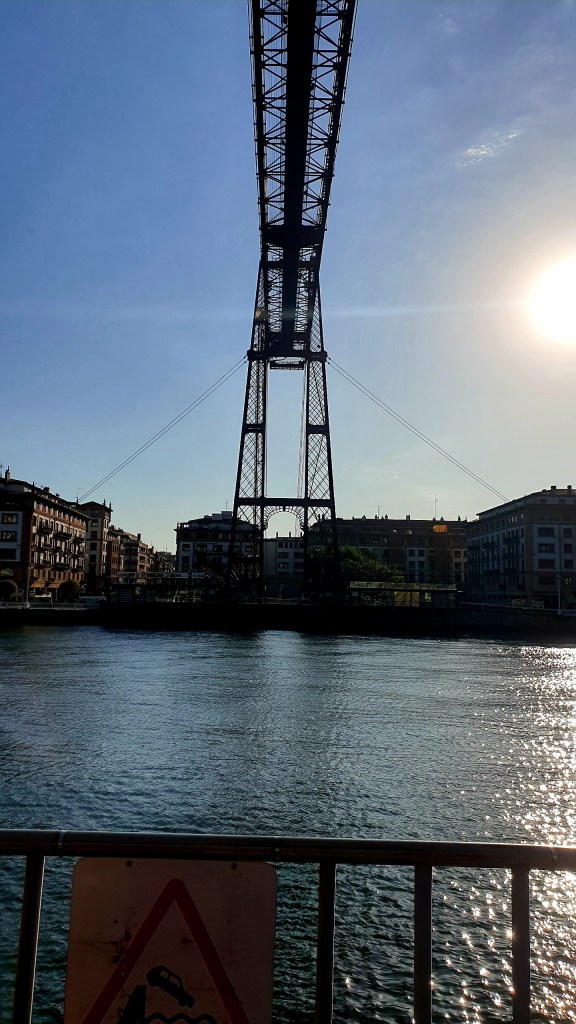
But not to be boring I decided we’d take the Vizcaya Bridge which is a Transporter Bridge that crosses the Estuary of Bilbao. It is the world’s oldest transporter bridge and was built in 1893
A transporter bridge, also known as a ferry bridge or aerial transfer bridge, is a type of movable bridge that carries a segment of roadway across a river.

A word of warning about driving in Bilbao, well 2 words. 1, the speed limit is 30k/hr and 2. there are timed pedestrian crossings about every 50m. It’s a very slow and frustrating process, and very fuel heavy.
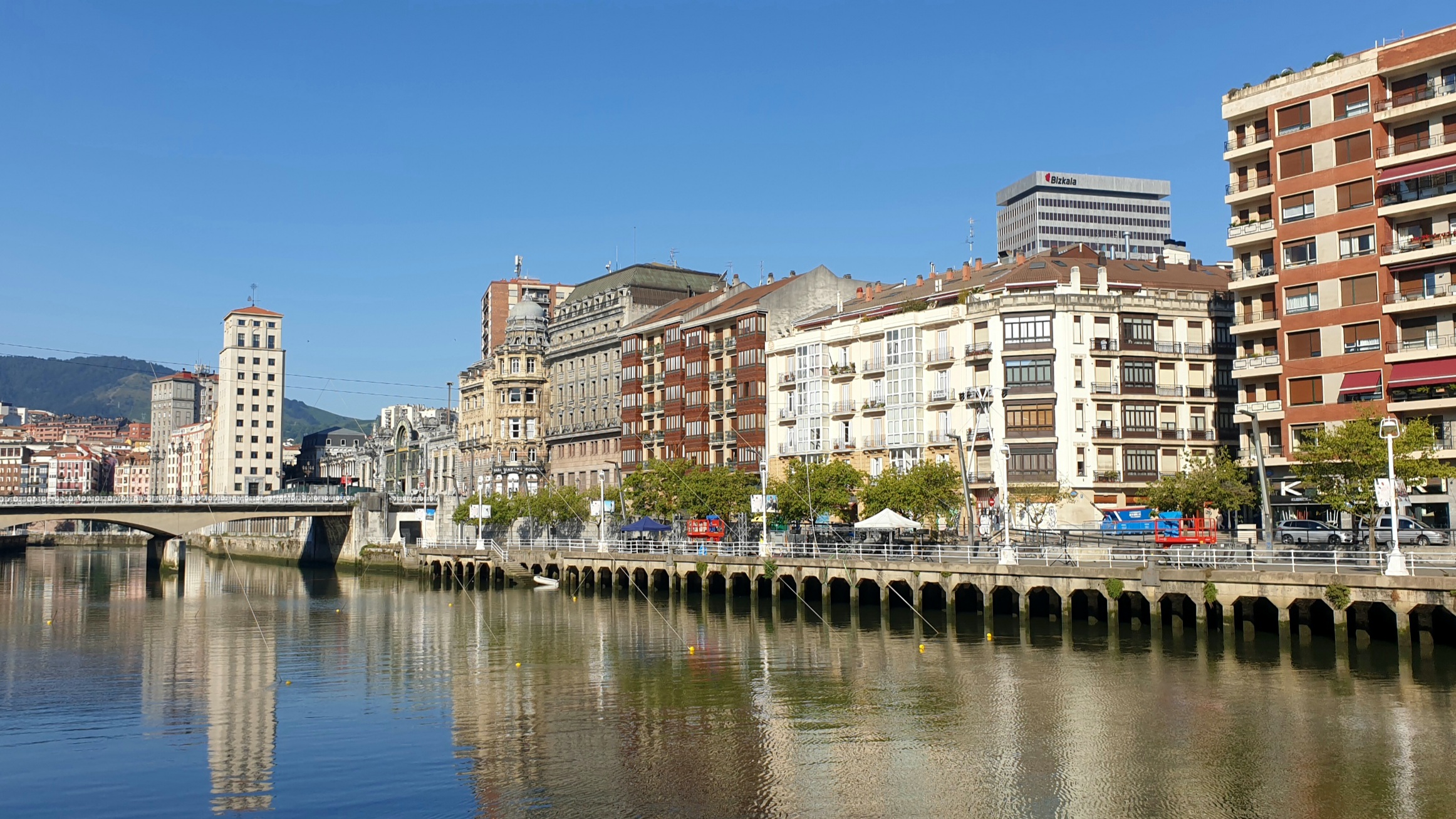
We took a look around the old town.

And headed out of town, slowly.
We took our time to meander the remaining 95klms to Santona.

We had a lovely evening in Santona sitting in the Piazza with what seemed like the town’s entire population enjoying their Saturday night.

See you next week.

Wk 6 – Ireland Pt2

Week 6 – South Ireland – Dingle to Dublin – 20 to 26 June 2022

Mon 20 to Sun 26 June
Kenmare, Cobh, Kilkenny, Dublin

Mon 20/6 – Dingle to Kenmare – 200klm

And the sun is shining. What a difference it makes to everything as we head off.

Obviously someone has a sense of humour naming this “Inch Beach”

River Caragh viewing point

Behy Bridge at Kilnabrack Upper was built in 1862

Rossbeigh for a brew in the sunshine. There was hardly any activity so it was very nice to just sit and enjoy.

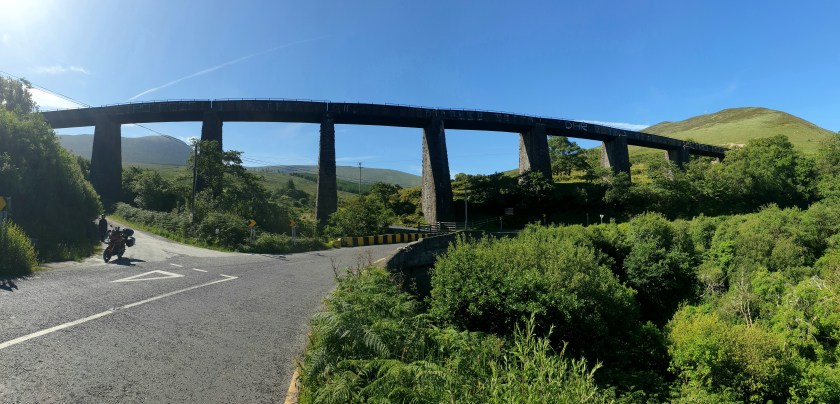
The Gleensk Rail Viaduct was opened in 1893 and closed in 1960. It has quite a curve to it.

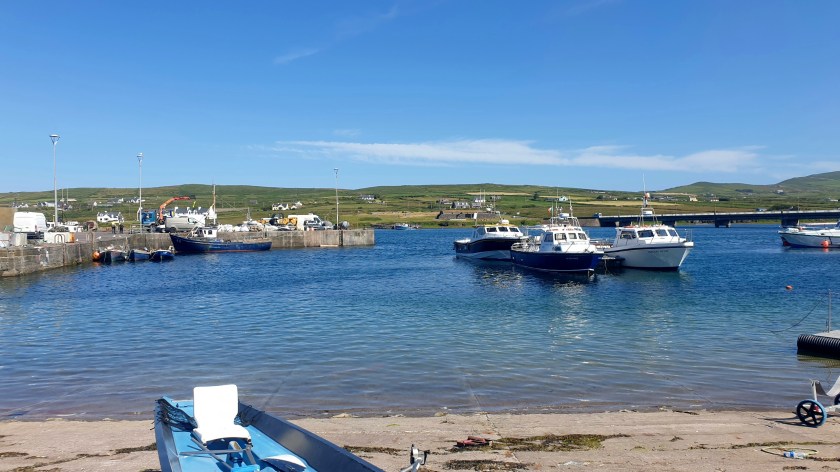
Skellig Harbour

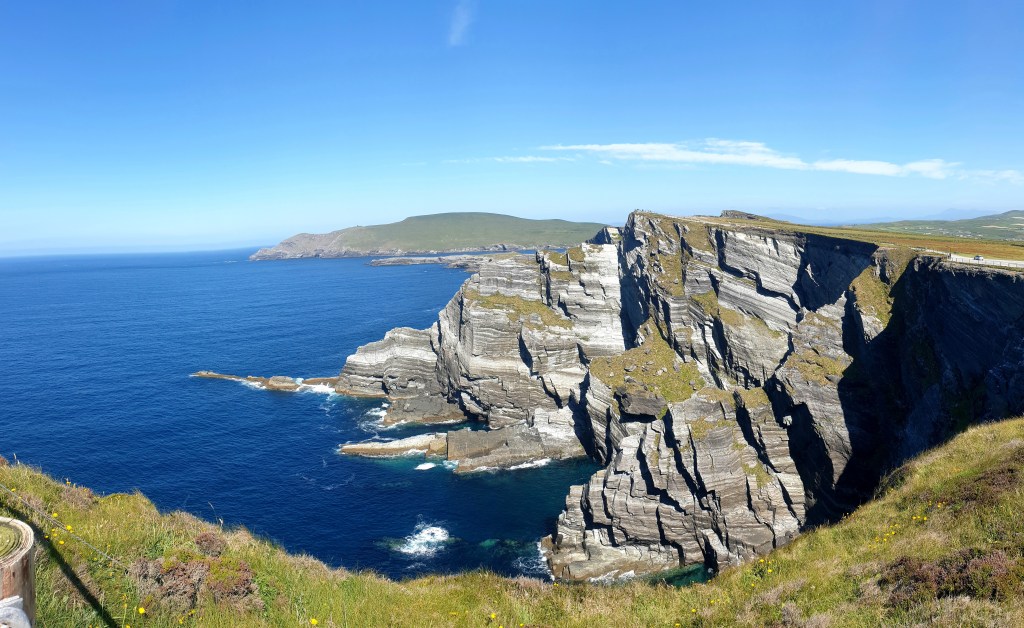
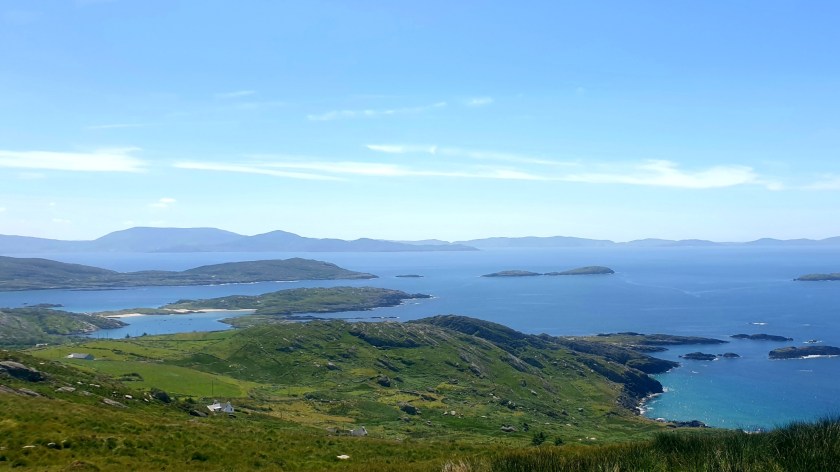
We paid our dues and took a walk to the spectacular Kerry Cliffs at Foilnageragh

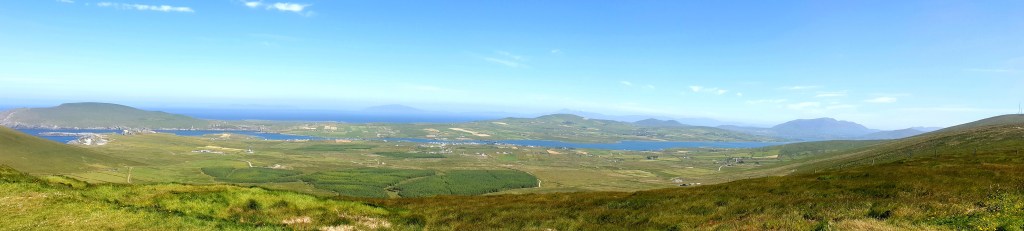
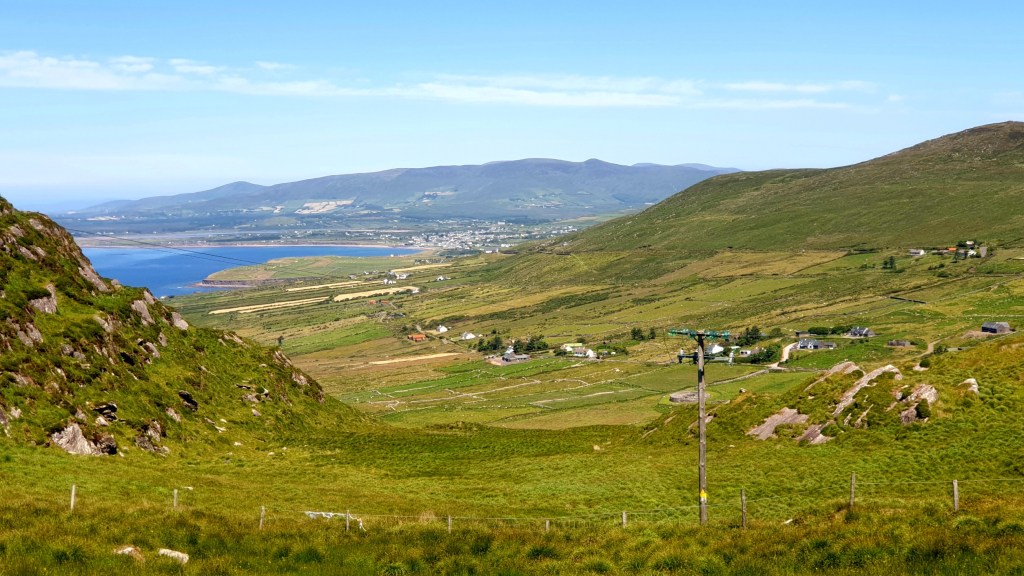
Then climbed to Cúm an Easpaig for some magnificent views back down the valley from which we’d come.

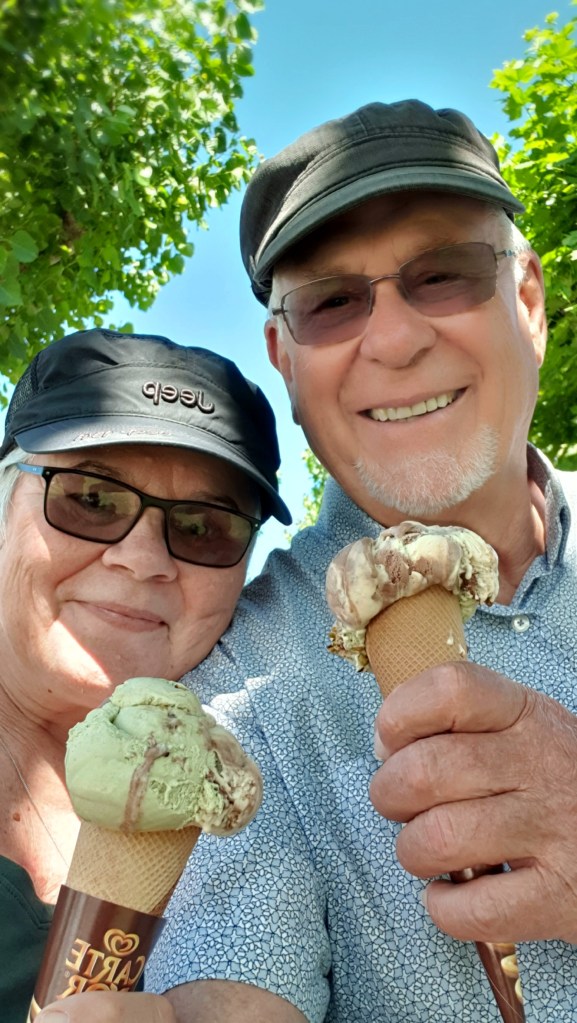
We were looking for a roadside coffee shack and thought we’d scored here at Lady Madonna Statue for Sailors Lost at Sea, but it turned out to be an ice cream vendor. So it wasn’t Friday, but …
Hordes of tourists, but a beautiful view.

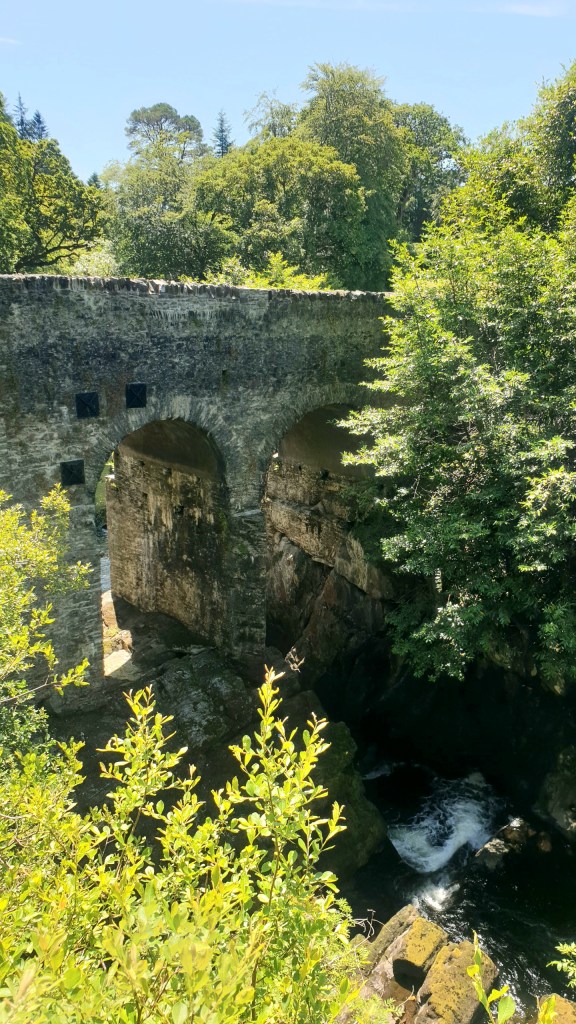
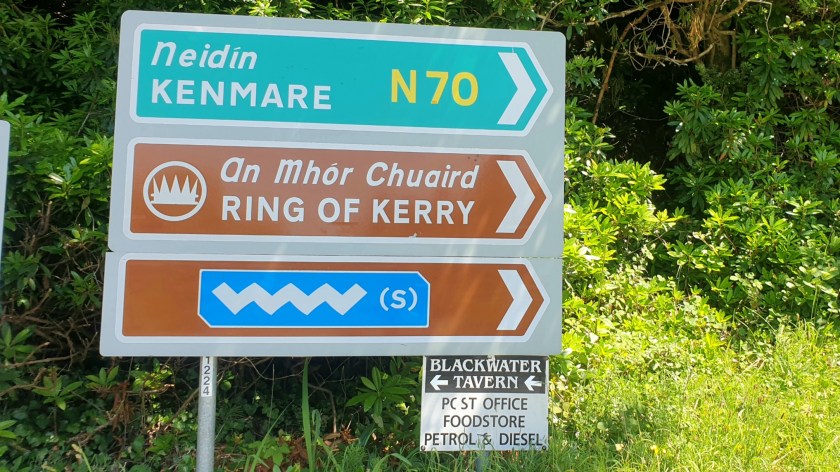
Blackwater Bridge, or Puente sobre el rio Blackwater, is a double arched limestone bridge crossing a deep abyss. It was constructed in 1839 and is still in use today for all traffic. Take a closer look at those foundations.

Puente sobre el rio Blackwater

And so to Kenmare with its proliferation of Bars and Cafes.

This pic taken from Facebook

Tue 21/6 – Kenmare to Cobh – 180klm

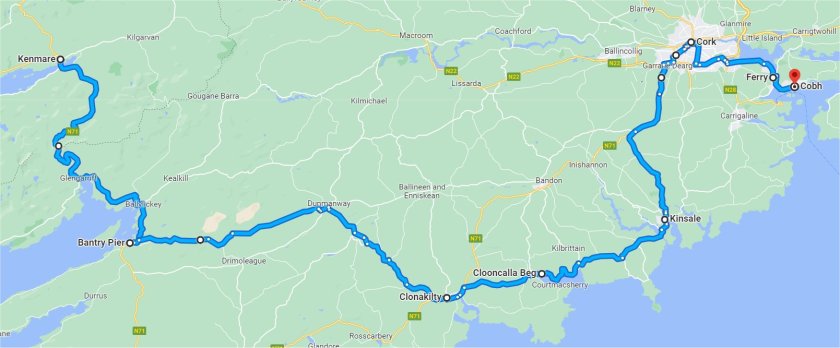
Its raining as usual so we just covered the miles. From Bantry to Clonakilty we followed some very remote back roads through the rich rural countryside. There’s fair amount of caution called for on these very narrow roads with their hazards of local drivers, cow muck covered roads and the smell of muck covered fields from the practise of spraying said muck slurry on to the fields. This practise is fairly contentious and becoming highly regulated.

The weather cleared by the time we reached the River Arigideen

We stopped at the City of Cork and did a Hop-On-Hop-Off bus tour. Not everyone’s cup of tea but an effective way of seeing quite an amount of the city’s history and buildings in a short time.

To Cobh but not before discovering we had a leak in the rear tire. Thank goodness for tyre pressure indicators. It was a small nail but a quick plug fix and all was good.

Wed 22/6 – Lay Day in Cobh

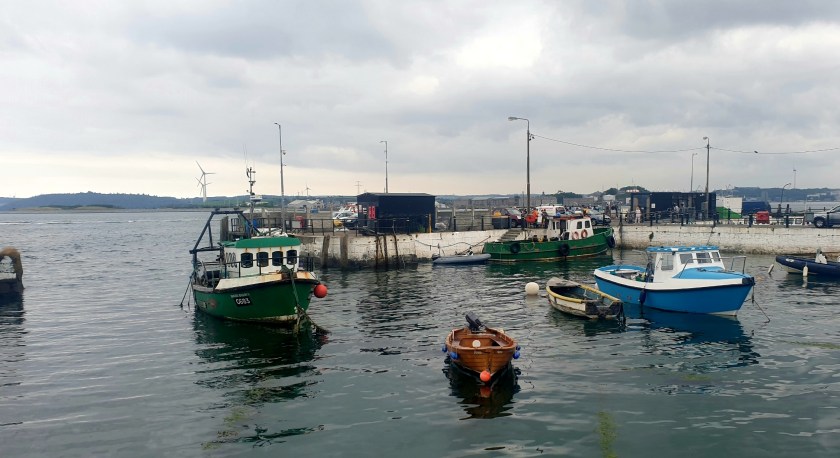
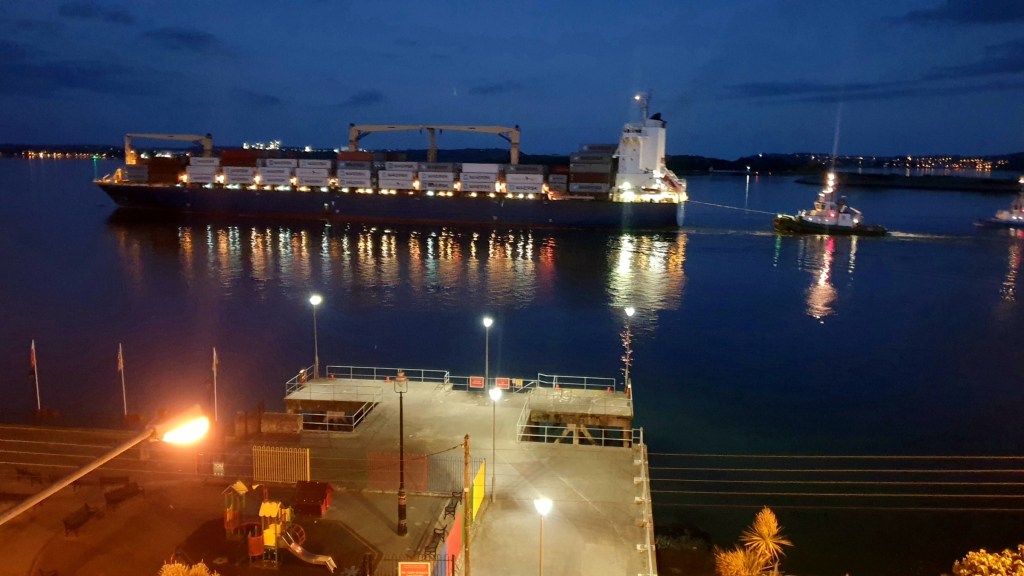
Outside our window.

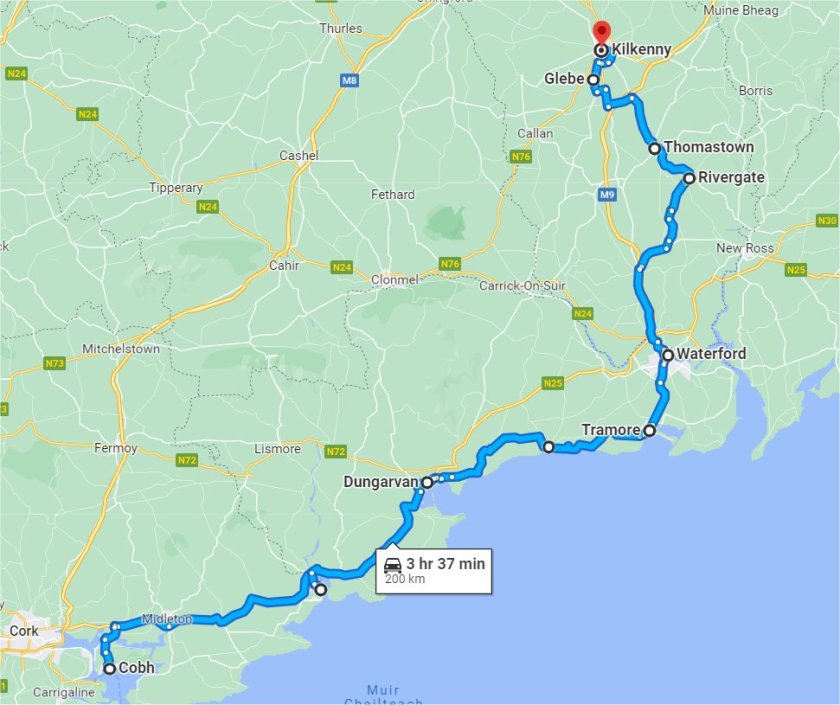
Thur 23/6 – Cobh to Kilkenny – 200klm

A pleasant day awaited us.
Belvelly Castle was built in the 1400s and had the usual checkered history of all such structures. However, this one has a happy ending: it was purchased and restored in 2017 at the cost A$7.5m. In the background can be seen the 5 arch Belvelly Bridge which was built in 1803.

Pretty hey.

Dungarvan Castle dates from the early days of the Anglo-Norman settlement in Ireland. It was built around 1209 to safeguard the entrance to Dungarvan Harbour. It was used by the British Army and the Royal Irish Constabulary until 1922, and during the Irish Civil War was destroyed by the Anti-Treaty IRA.  It was subsequently refurbished and served as the Headquarters of the local Garda before becoming a museum.

And so on to Waterford with its myriad of one way streets, but a delightful town.
We parked on the footpath and had a brew across from Reginalds Tower. Originally the site of a wooden Viking fort in 915, this stone tower actually owes its existence to the Anglo-Normans who rebuilt it around 1200. It is Ireland’s oldest civic building and has has been in continuous use for over 800 years.

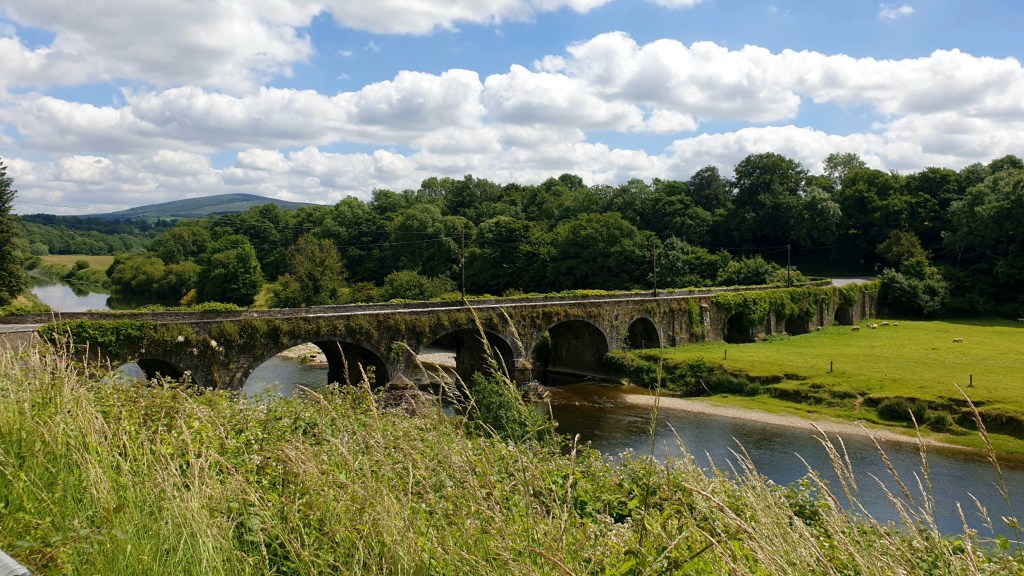
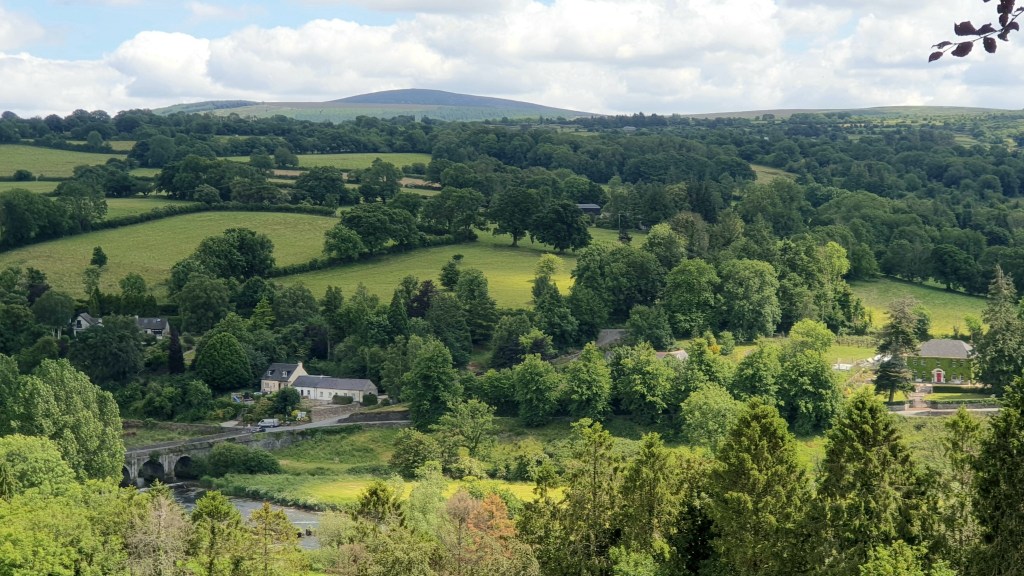
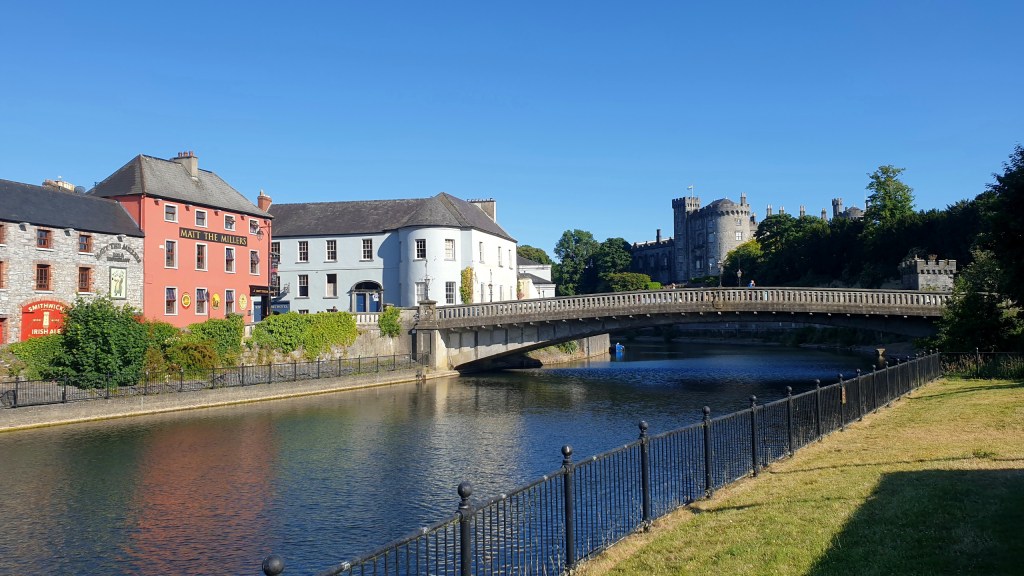
Some more remote back roads brought us to Inistioge with it’s beautiful ten-arch bridge over the River Nore which was built in 1763.

There are summer flowers everywhere which brings great colour.
Thomastown has a nice five-arch bridge over the River Nore built 1792.

Just short of Kilkenny is Kells Priory which was founded in 1193. Its most striking features is a collection of medieval tower houses spaced at intervals along and within walls which enclose a site of just over 12,000 m2. These give it the appearance more of a fortress than of a place of worship

Fri 24/6 – Lay Day in Kilkenny

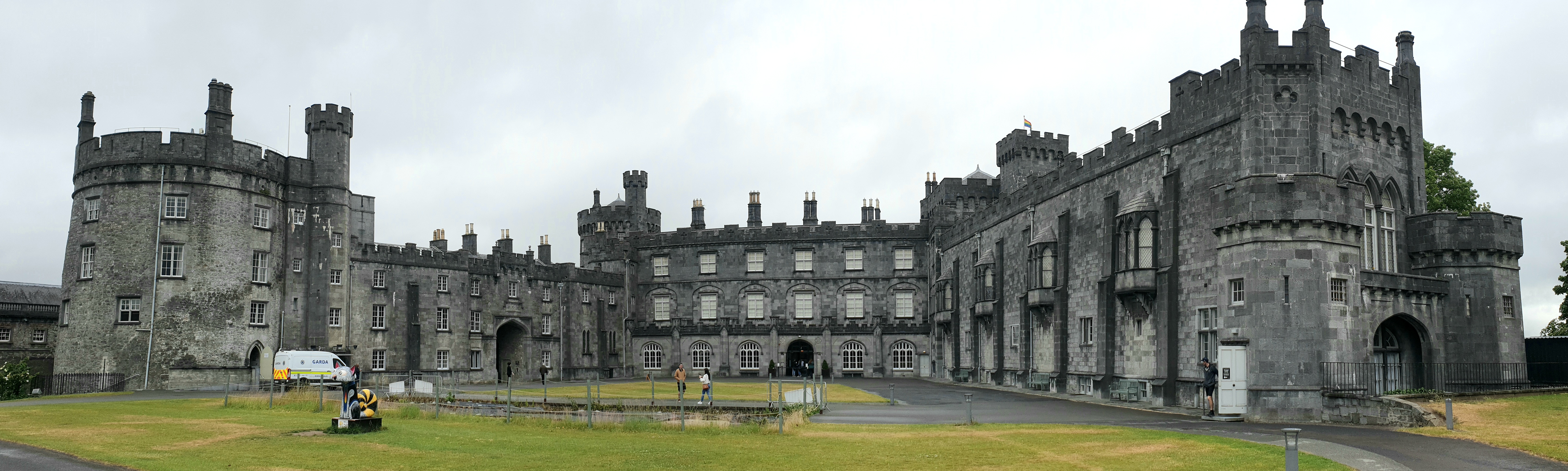
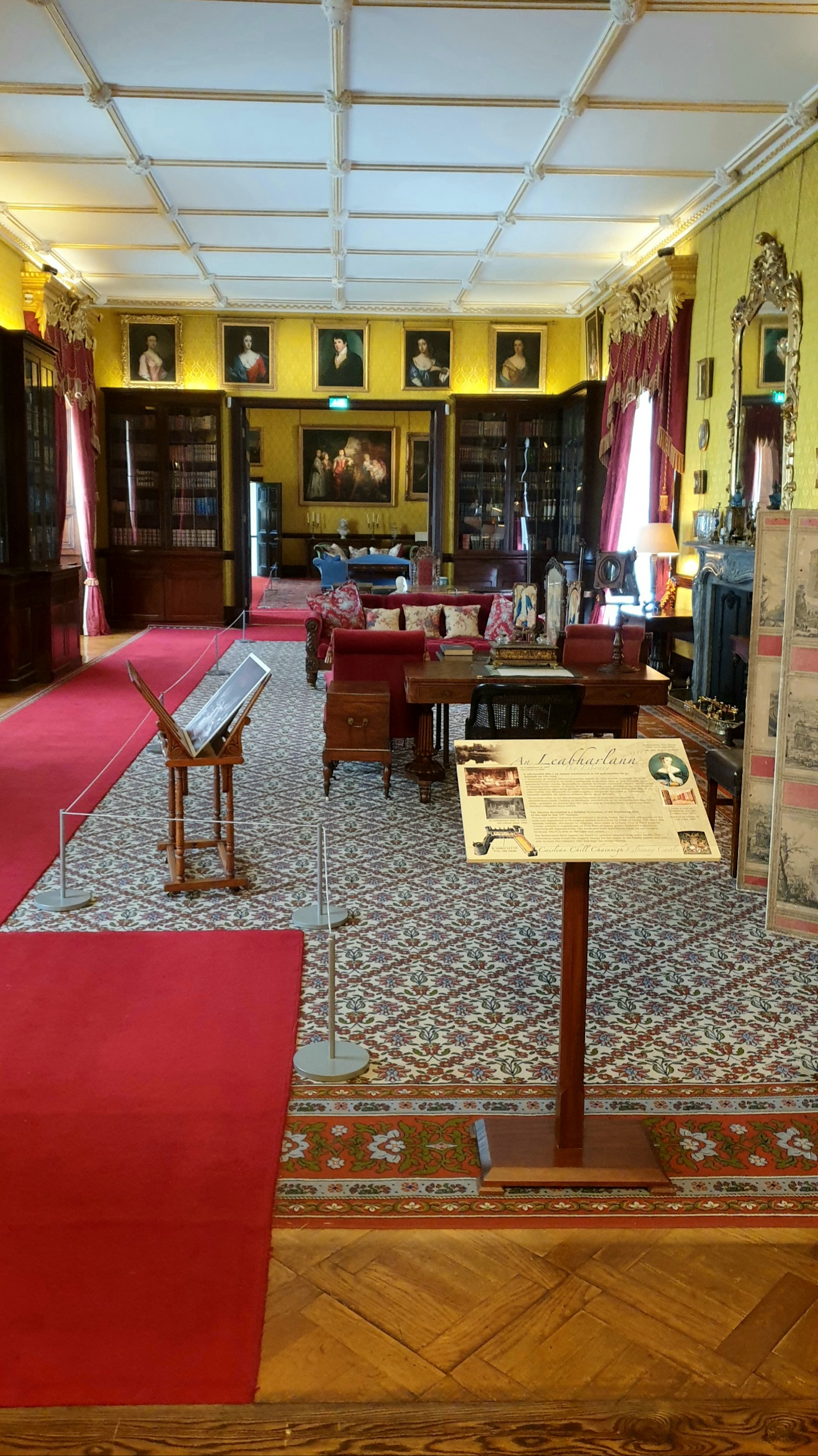
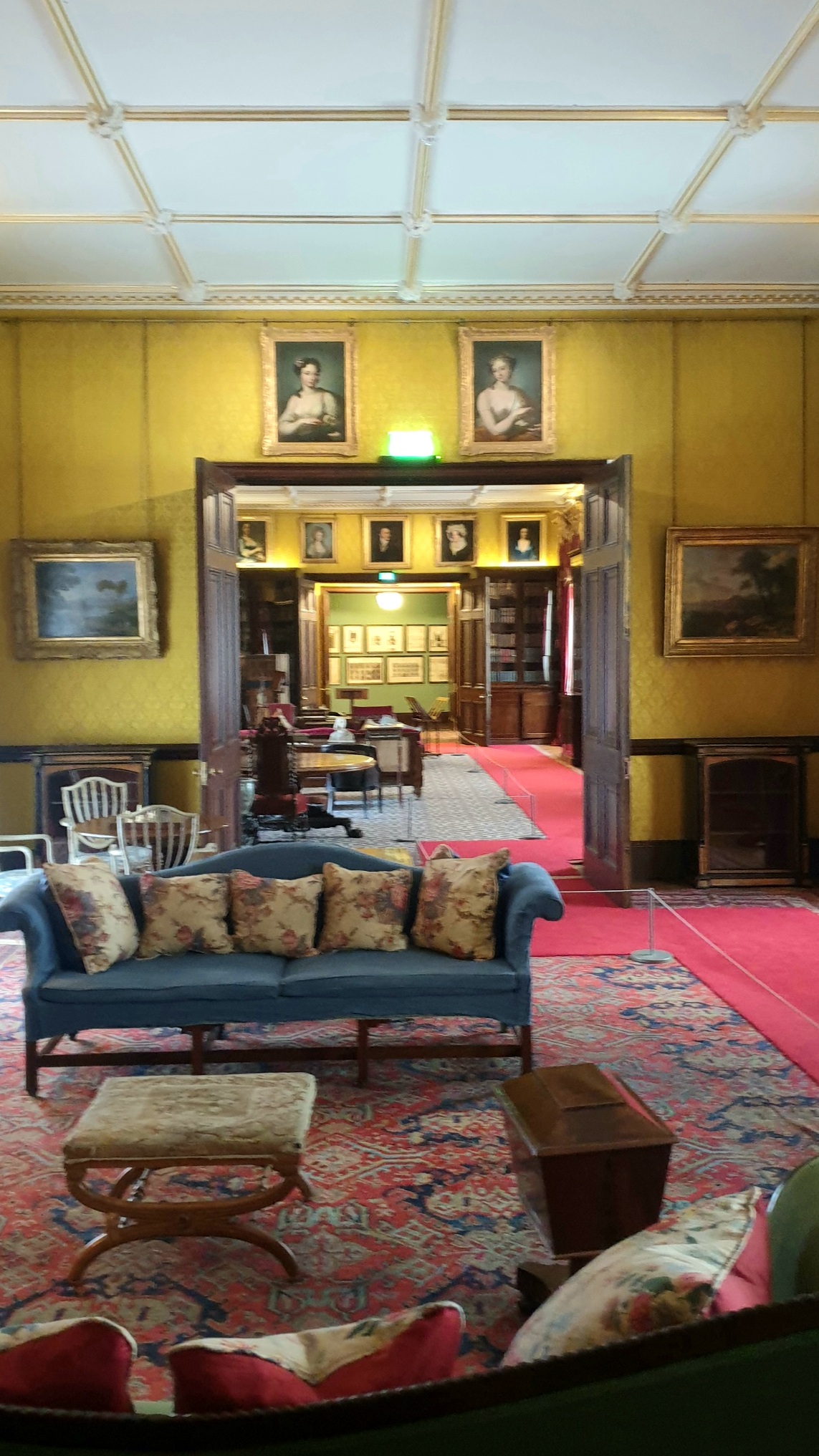
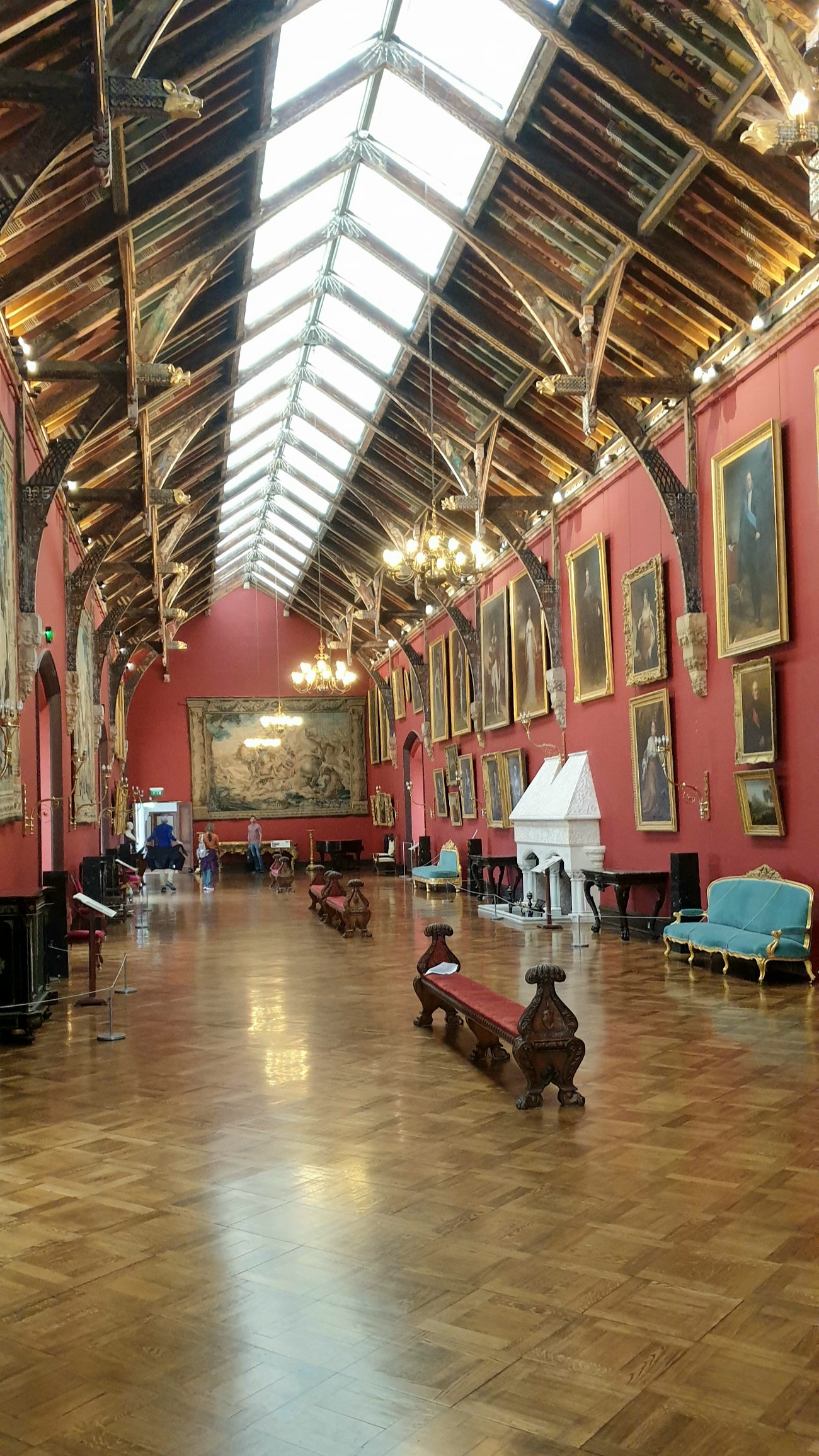
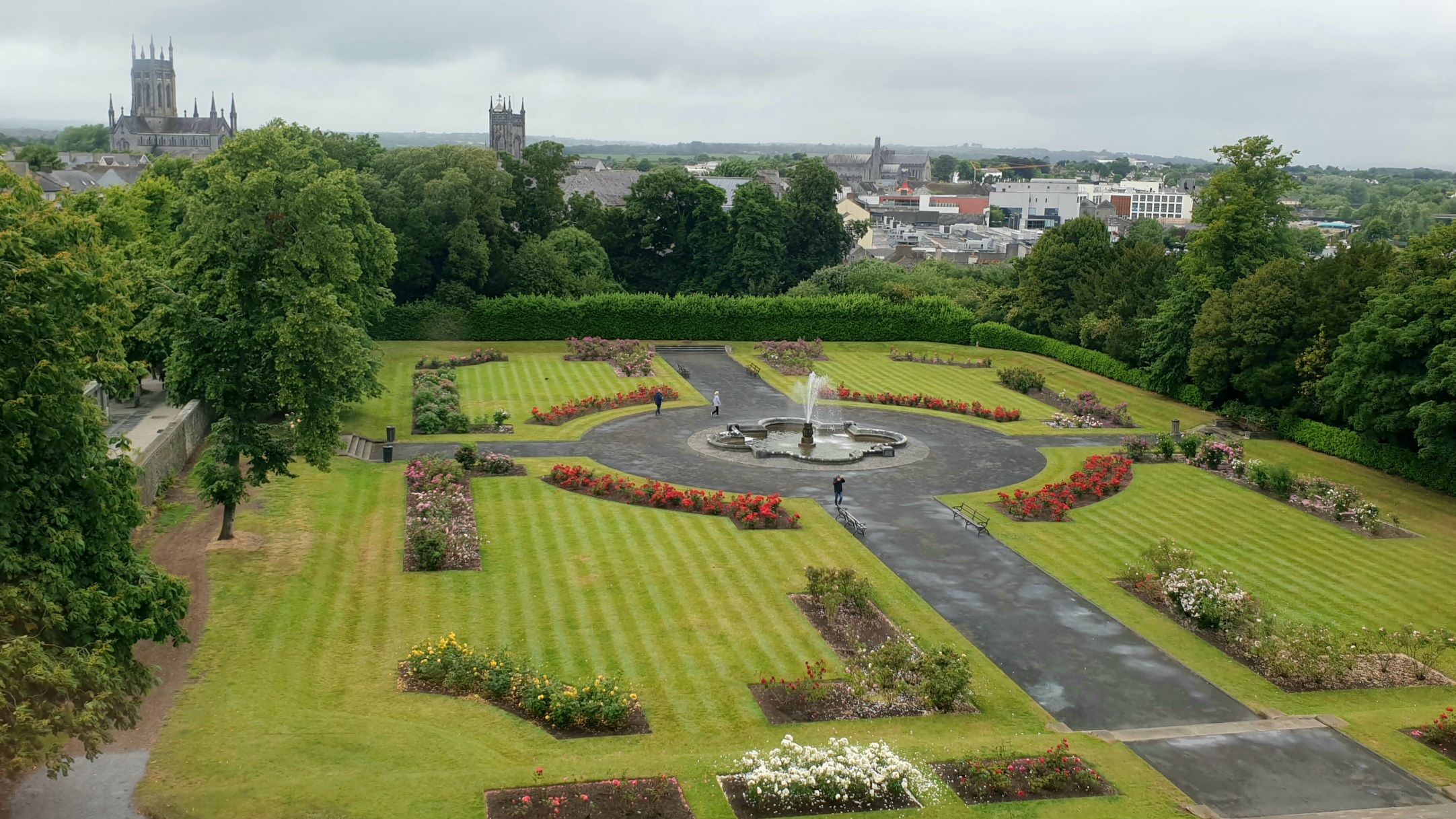
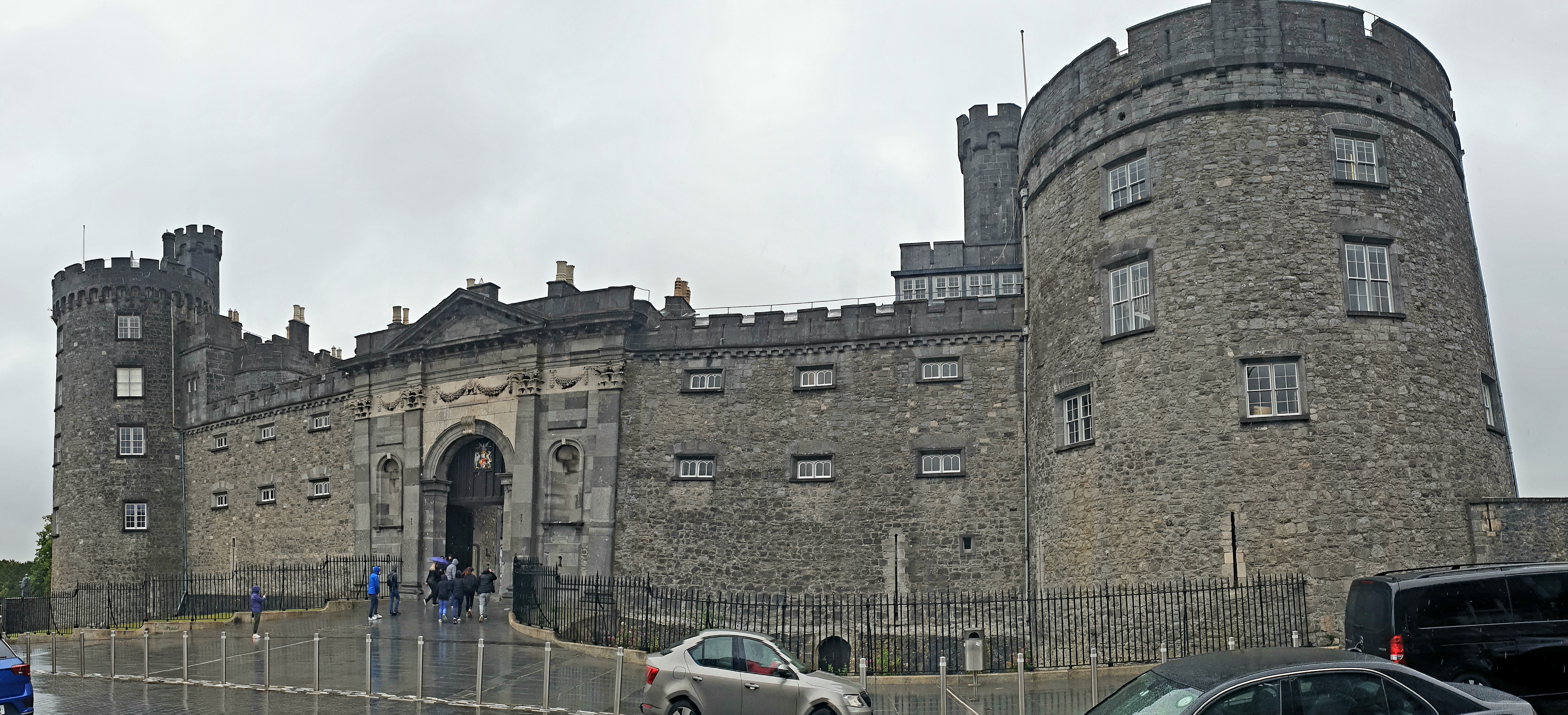
It was a miserably wet day as we did our usual walk around town. For a change we did a tour of Kilkenny Castle which was built in 1192. This place is magnificent and has a most colourful history.

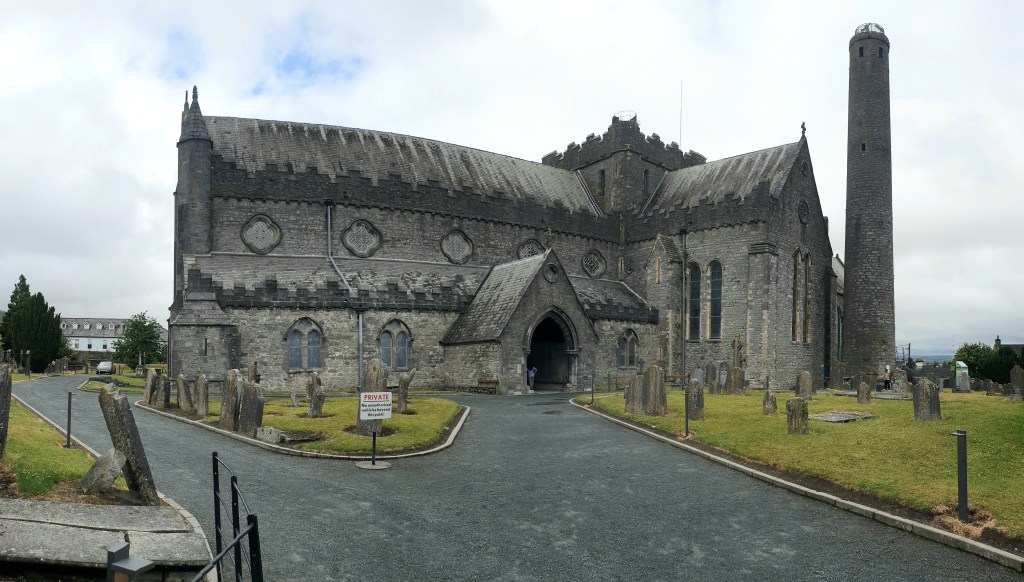
More of Kilkenny which seems to me to have more churches than pubs, and that’s really saying something.

We had a traditional Irish meal in a traditional Irish Pub and listened to traditional Irish balladeers.
The next morning we had another HUGE traditional Irish breakfast and headed for Dublin.

Sat 25/6 – Kilkenny to Dublin – 195klm

We took a chance that the forecasters had got it right. They hadn’t.

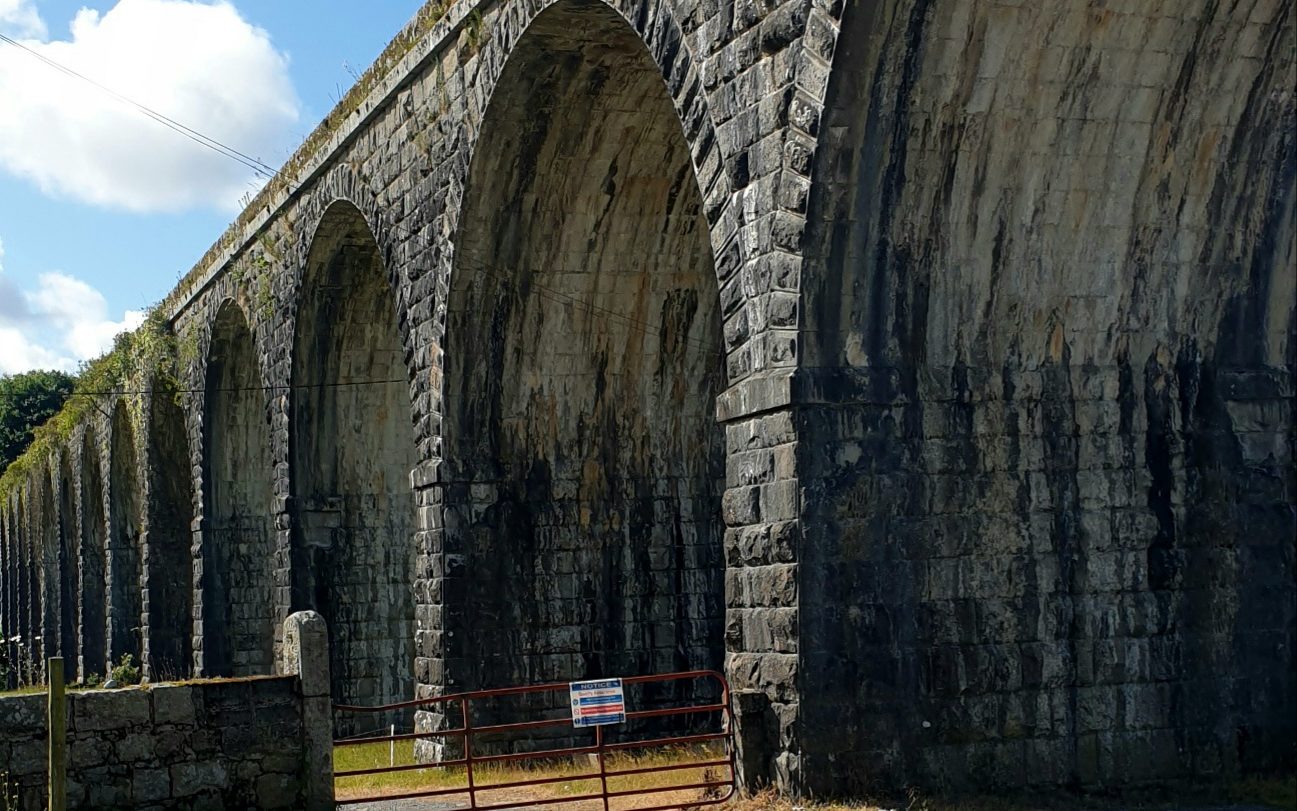
The Borris Railway Viaduct has sixteen arches and is supported by soaring limestone pillars. It rises to 18m high and spans the Borris and Mountain River Valley. Built at a cost of £20,000 in 1860 it is no longer used.

Borris Viaduct

And more old castles with their histories of pageantry, magnificence and disaster.

Leighlinbridge Bridge, built in 1320, remains as one of the oldest functioning bridges in Europe. While behind it is Leighlinbridge Tower House, aka The Black Castle.

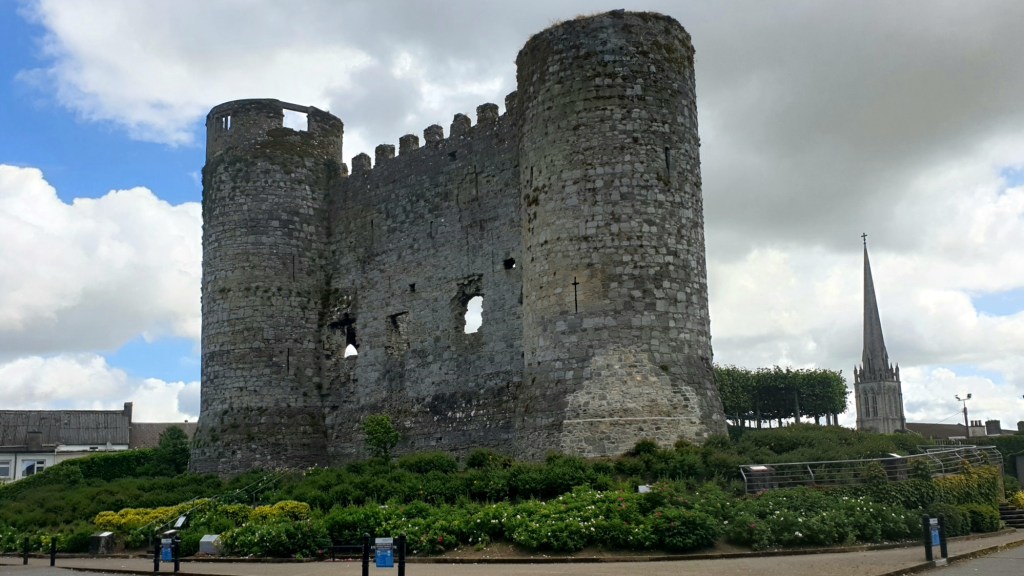
Just a little ways up the road is Carlow Castle which stands on the eastern bank of the River Barrow. It was built around 1210, so it’s allowed to look old and tied.

We now followed the old military road north and east towards Dublin. It began to rain as we rode roads that mostly seemed used by push bike riders and logging truck – thank goodness it was Saturday. From valley to peak and do it again, and again, through some truly picturesque country, albeit narrow, wet and winding.
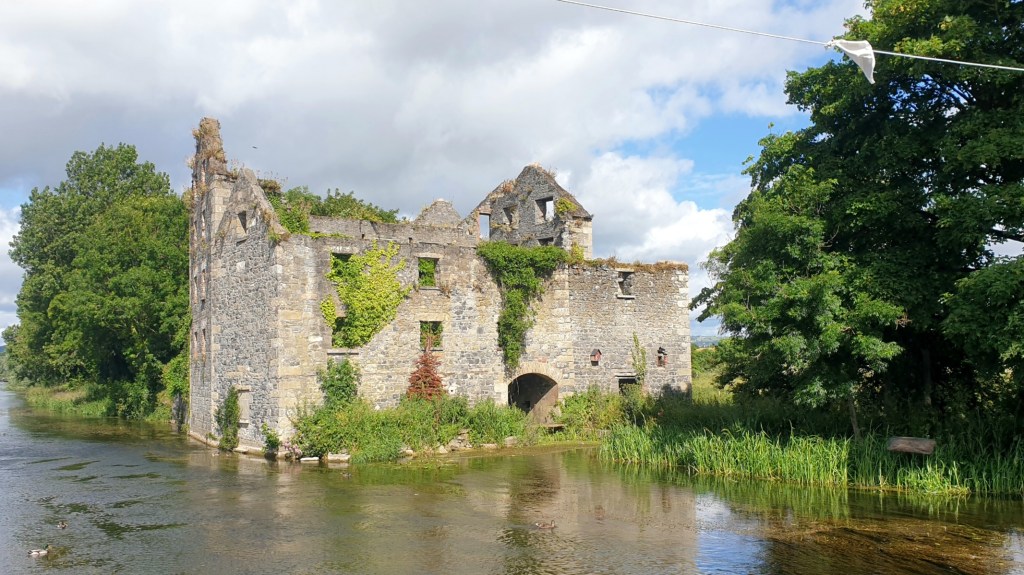
To derelict Glendalough with it’s age old history. Hidden away in this remote valley, Glendalough is said to be founded by St Kevin, a 6th century monk and hermit who settled in these mountains chosen for their remoteness, beauty and serenity. The Normans destroyed the monastery in 1214. Today its a tourist mecca.

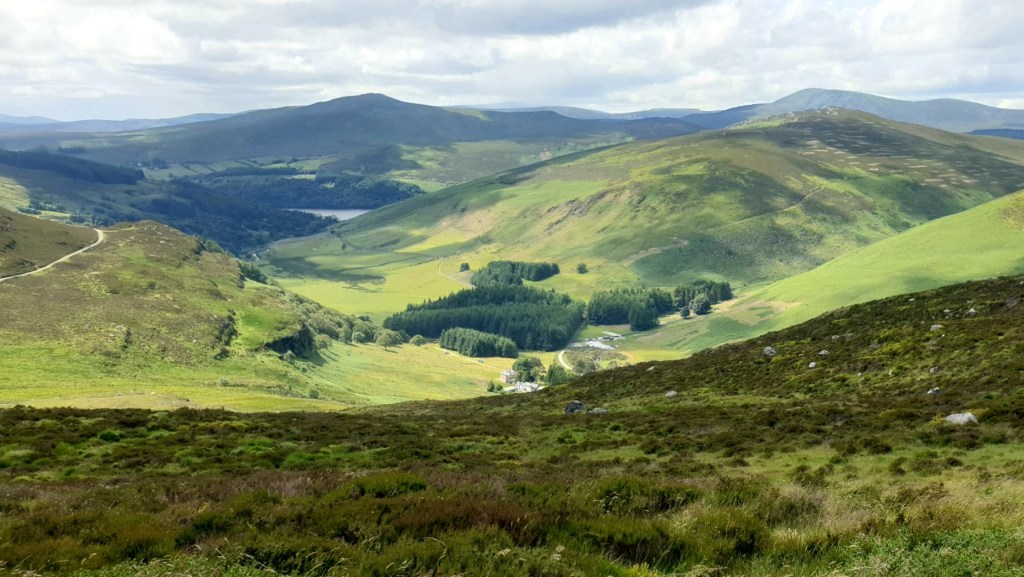
Up over Sally Gap with it’s stunning views, beautiful lakes and vast peat beds. The road, known as Military Road, was built shortly after the Irish Rebellion in 1798 by the British Army who wanted to drive Irish rebel forces from the area.
It is a great ride through here.

And so to Dublin.

Sun 26/6 – Lay Day in Dublin

Tomorrow its an early ferry to Wales.

Wk 5 – Wet, Windy & Wild Atlantic Way

Sun 12 – Sun 19 June
Donegal, Westport, Galway, Kilrush, Dingle

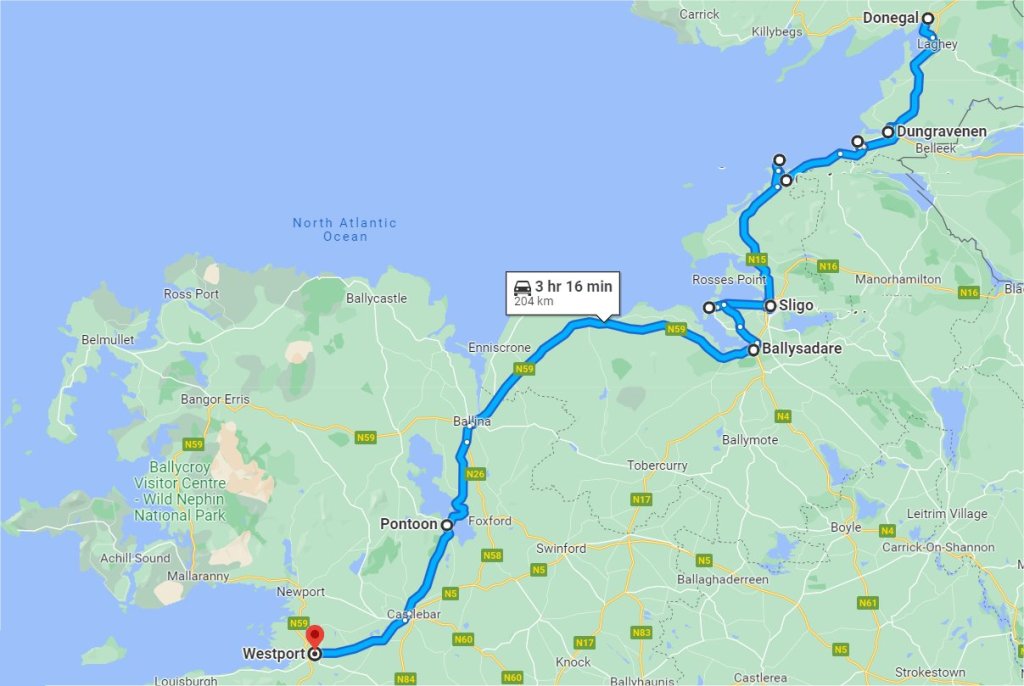
Sun 12/6 – Londonderry to Donegal –  190klm

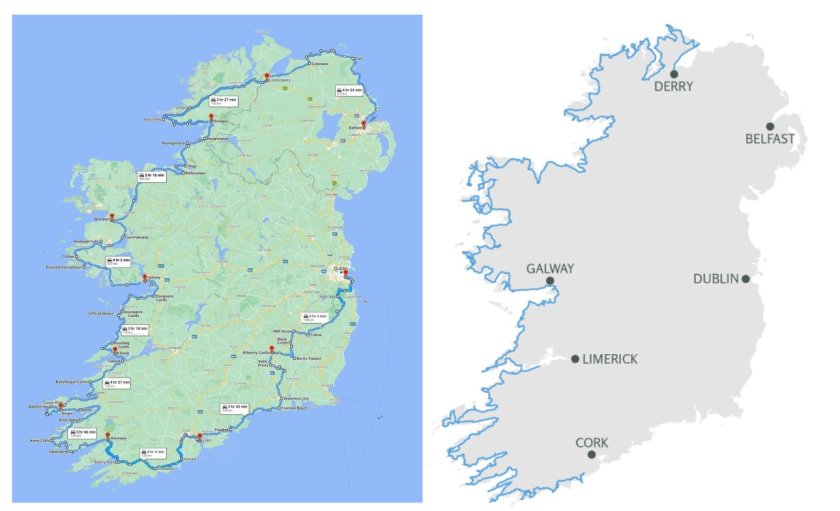
It’s wet again as we tog up and start our journey southward down Ireland’s spectacular coastal route, The Wild Atlantic Way, which is one of the longest defined coastal routes in the world. We will only be travelling just on half of it’s entire 2600km length as you can see.

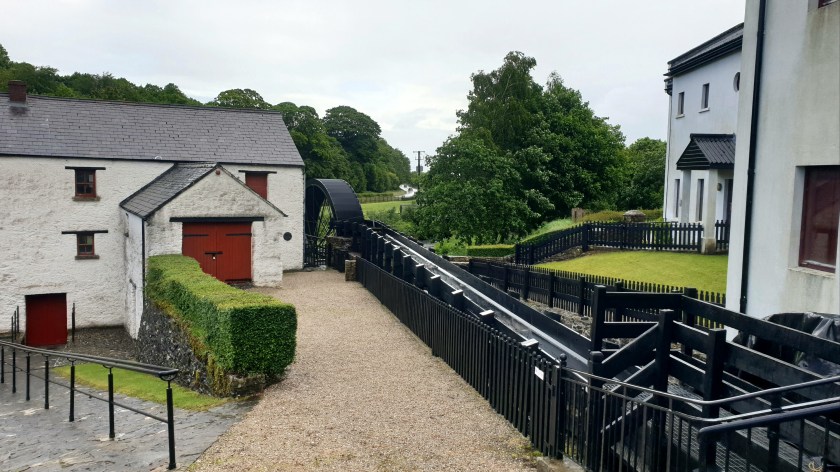
First stop is at Milltown and Newmills corn and flax mill. It features one of the largest operating waterwheels in the country. Built in the early 1800s it powers two separate millwheels, one for grinding oats and barley, and the other for flax from which linen is produced. It was closed at the time.
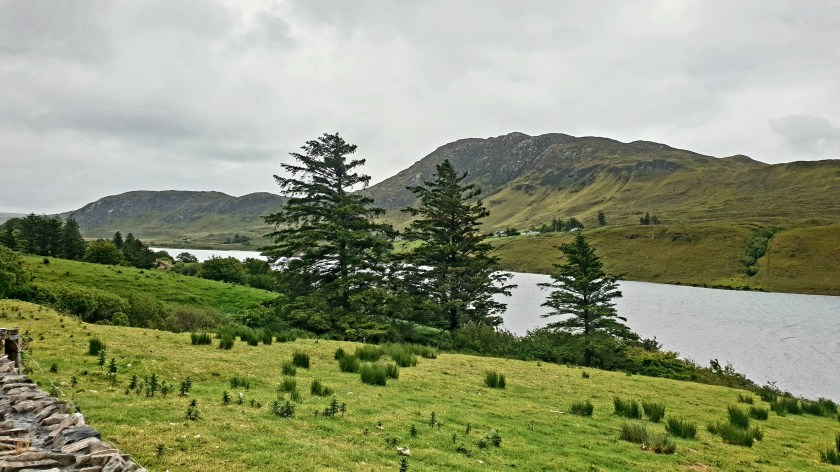
We soldiered on. Past Lough Finn

Lough Finn

and up and over Glengesh Pass where we stopped for a brew while admiring the view.

The weather wasn’t improving as we made our way to Malin Beg.

The Sliver Strand Beach – Malin Beg

And Teelin Road before finding our digs at O’Donnells of Donegal right on the main square, or diamond in this case.

Mon 13/6 – Lay Day Donegal

We took a look around this very busy town.
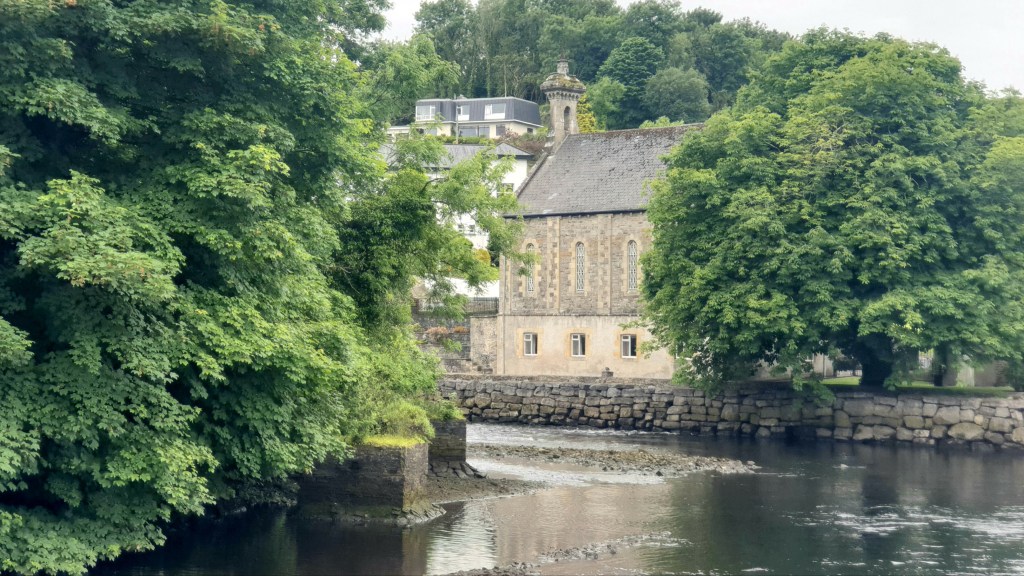
The famous Red Hugh, wealthy chief of the O’Donnell clan, built the Donegal Castle on the River Eske in 1474. It went through a tumultuous history of war and betrayal before falling into ruin. It was nearly fully restored by the State in 1990.

Donegal Castle
River Eske

Tue 14/6 – Donegal to Westport – 205klm

It’s overcast but we decide to chance the threatening weather. Not our best decision.

Mall Pier
Mullaghmore

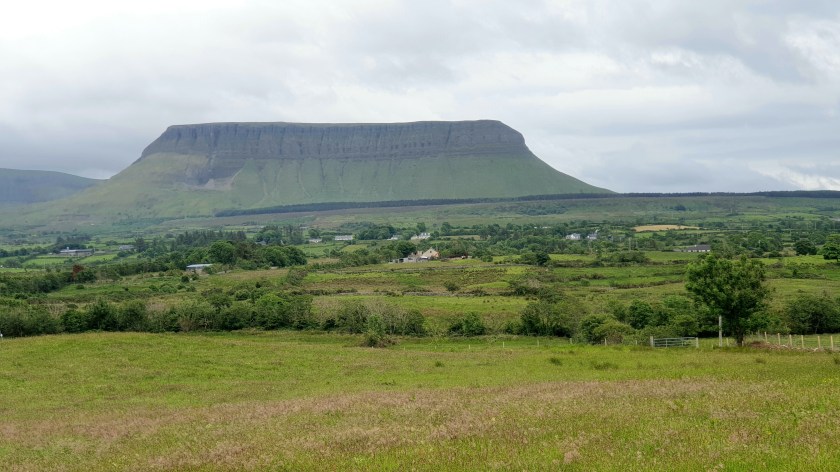
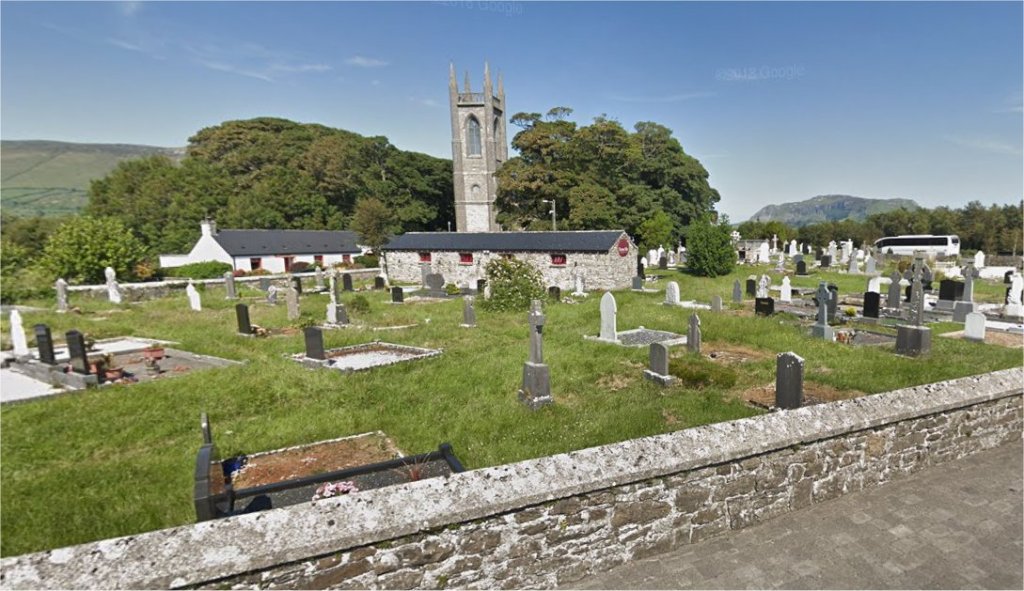
Past the imposing Benbulbin and Drumcliffe Cemetery, where the renowned Irish poet, dramatist and writer William Yeats, 1865 – 1939, is buried.

Benbulbin
Drumcliffe Churchyard – Google Maps

A

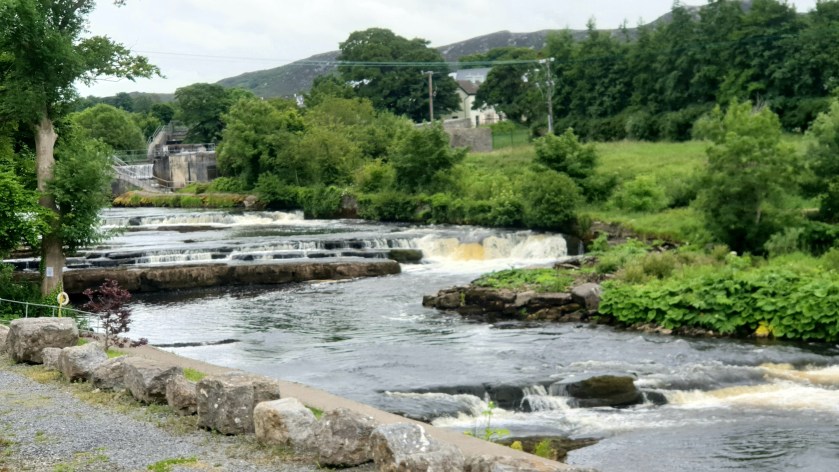
Through Knockmuldowney and past the Ballysadare waterfalls.

Ballysadare waterfall

We stopped, in the wind and rain, and snugged down behind a high stone fence to have a brew at Ardvalley and watched the surfers enjoy themselves.

Before arriving in beautiful and busy Westport, one of only a few planned towns in Ireland being commissioned in the 1780s.

Wed 15/6 – Westport to Galway – 185klm

We’re not making the same mistake as yesterday as we tog up and leave lovely Westport after another wonderful Irish all-day breakfast.
We check out Westport Quay on our way south, leaving a fair chunk of the Wild Atlantic Way to the west.

Past a couple of bridges (didn’t do any yesterday did we) to Aasleagh Falls on  the Erriff River just above Killary.

We stopped on the causeway across the Pollacapall Lough to view Kylemore Abbey, built in 1868 it is now a Benedictine monastery.

Kylemore Abbey

Past this ‘all by itself’ jetty.

To the magnificant, wet and very windy, Pointe Amharc Atlantach Fiáin Sky Bothar (that’s its name) on the Sky Rd, to Clifden.

To Ervallagh beach on Gurteen Bay at Errisbeg with Roundstone Harbour just a little ways along the road.

This wee stop.

Thurs 16/6 – Lay Day in Galway

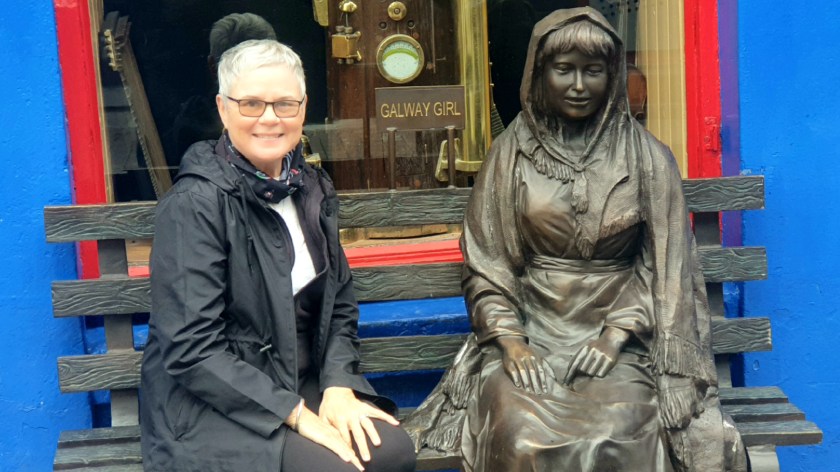
The Galway Girl, except one of them is The Girl From Gympie

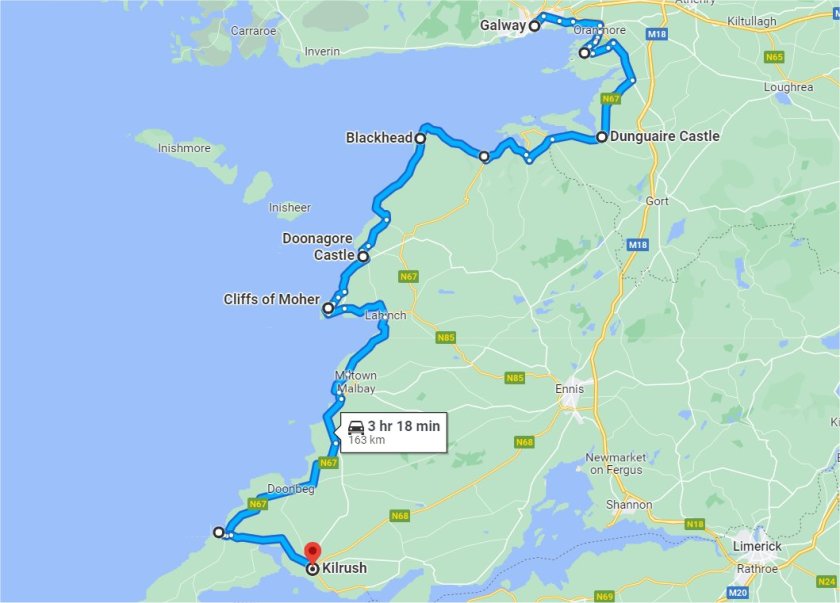
Fri 17/6 – Galway to Kilrush – 165klm

It’s raining, not real hard, but it’s raining, and it rained all day. Enough to cause Norma’s helmet intercom, an N-Com B901R, to become inoperable by the end of the day. It stopped raining 10 minutes after we arrived at Kilrus. Come on!

We stopped at a couple of castles.
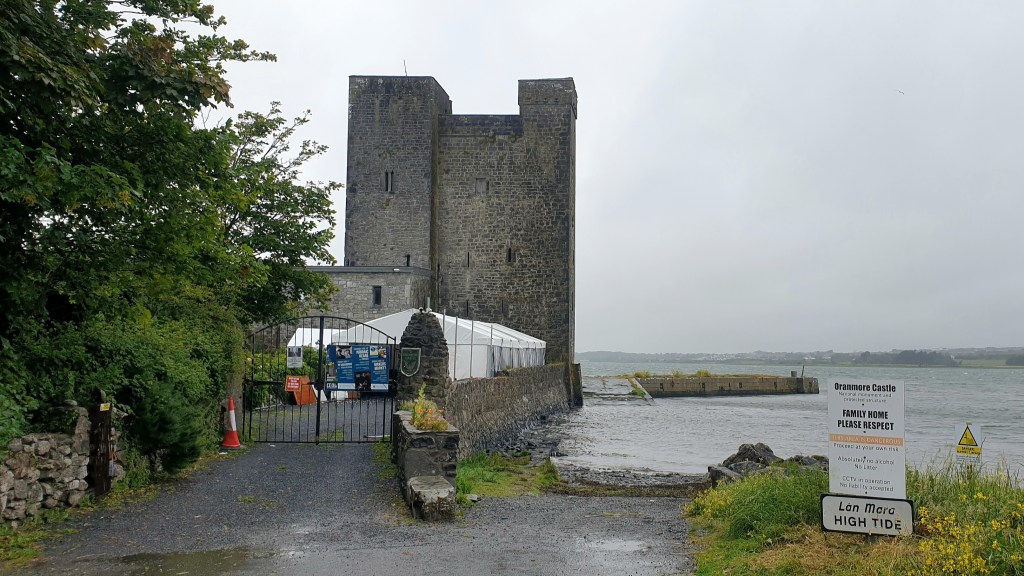
Oranmore Castle was most likely built some time around the 15th century.
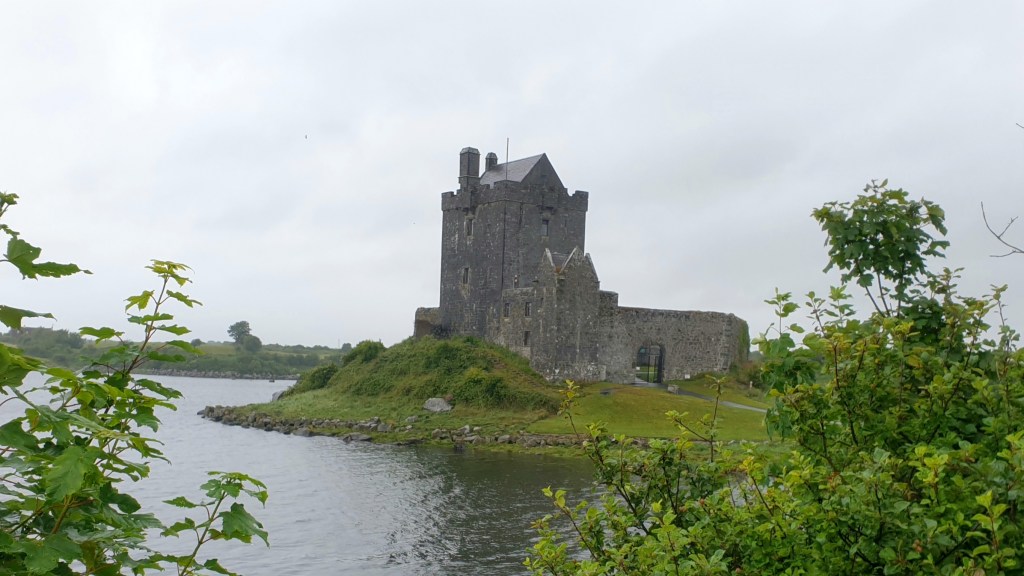
Dunguaire Castle is a 16th-century Tower House on the south-eastern shore of Galway Bay.

To Kinvarra Pier

Kinvarra Pier

This is The Pinnacle Holy Well of Tobercornan. It is a small spring that fills a stone basin and in 1860 a Gothic Revival style housing was built over it with a corbelled rubble-stone roof (since gone), dressed stone gable copings and corner pinnacles.

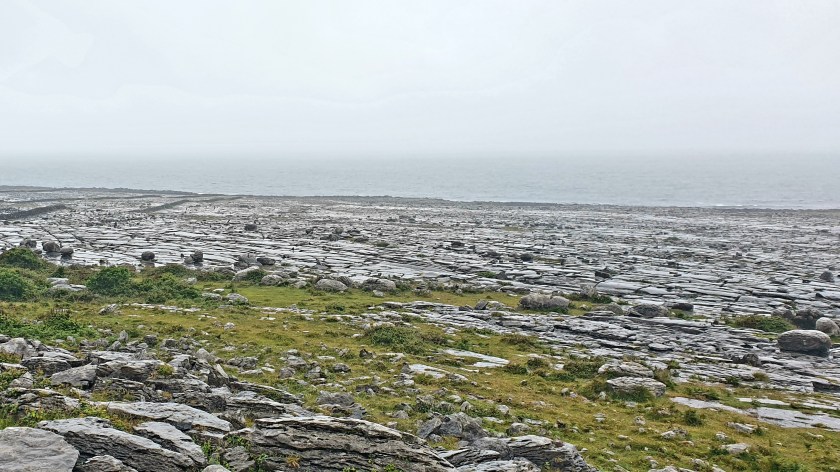
Its bleak and rocky coming around Blackhead.

We stopped in Doolin at The Pipers Chair café and bought our coffee – its a rough day when we don’t make our own brew. We sat under their awning and watched the world go by for 30 minutes.
They say there is no such thing as bad weather, just bad gear, and laminate jackets are the new thing. We’re wearing the new and affordable Oxford Mondial laminate jackets. I’d expected the weather on this trip to be a bit different to our previous 2 trips, so I’d done my research and imported these from the UK before we left Australia. They’re light weight, don’t hold water in heavy rain and dry our very quickly, so they were a good investment.  So at least we were dry.

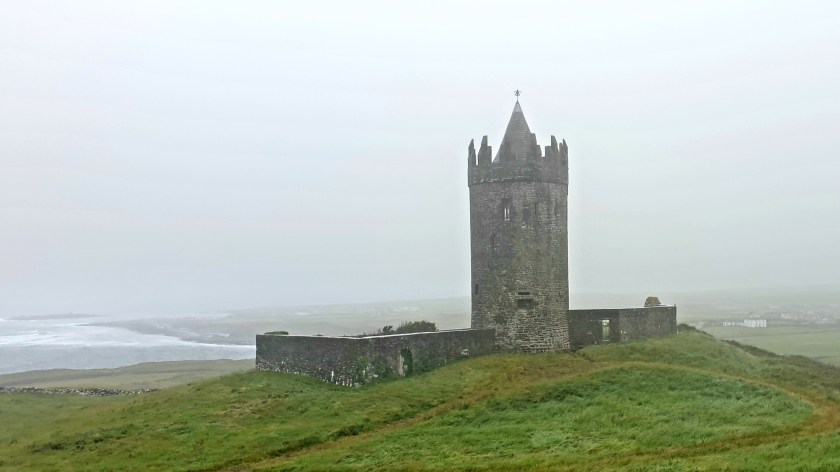
Doonagore Castle is a round tower house with a small walled enclosure built in the 1500s.

Doonagore Castle

The plan had been to stop at the famed Cliffs of Moher, but it was still raining with the visibility down to 100m so we kept going. The car park was full of tourist buses and we couldn’t help but feel sorry for those 100s of people who’d paid good money to not be able to see a thing.

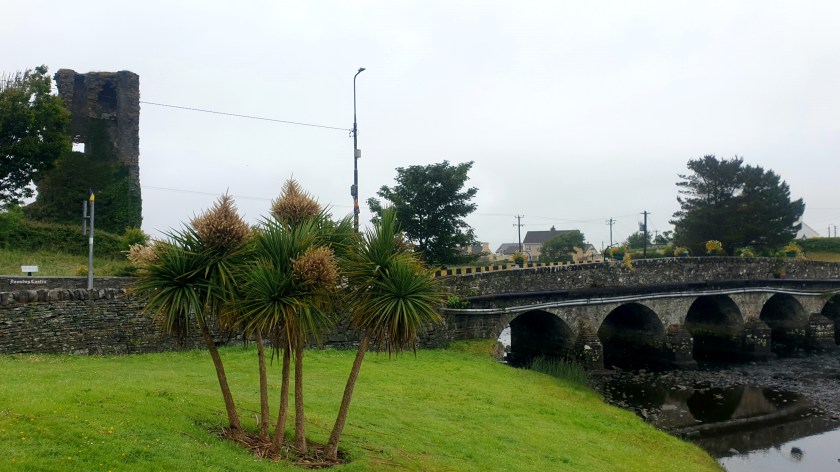
The bridge over the River Doonbeg with Doonbeg Castle, built in the 1500s, in the background.

To Cotty’s Pub in Kilrush.
And, again, it stops raining 5 minutes after we arrive.

Sat 18/6 – Kilrush to Dingle – 165klm

Its heavily overcast but dry as we leave Kilrush to catch the ferry from Killmere to Tabert, crossing from County Clare into County Kerry.

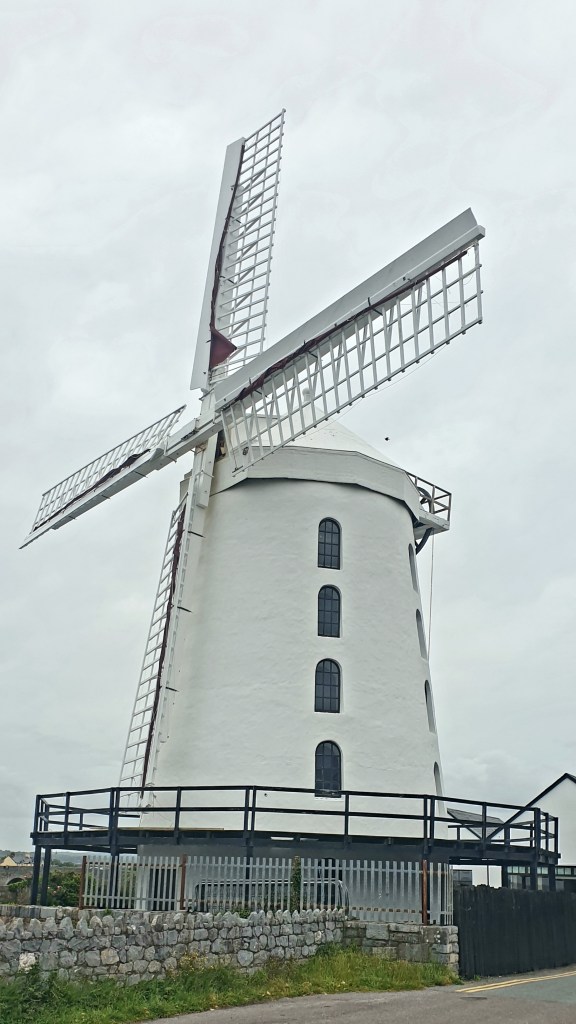
We get lost in Tralee, or at least Tomtom did, but we did find The Blennerville Windmill which is a 21m high, stone, reefing stage, windmill built in 1800.

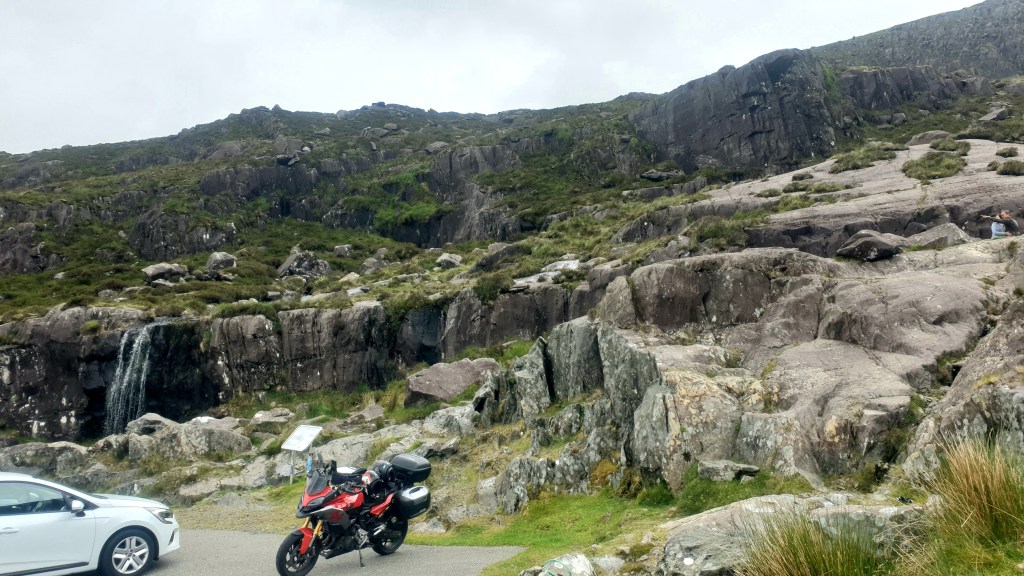
We stopped at Connor Pass Waterfall for a brew. It was quite chilly up here, but dry so we weren’t complaining.

Before dropping down towards Dingle. We did a circuit of the picturesque peninsular west of Dingle before returning to the tourist engorged town to our rather pleasant 2 night stay right on main street.

Sun 19/6 – Lay Day in Dingle

This is a very pretty and very popular town.

Connor Pass in the background
This Trio of Young Buskers were making a killing with their 4 song repertoire.

This time next week we’ll be in Dublin – and the weather is looking promising, much to Norma’s delight, and mine as well.
I have to say that this week hasn’t been the most delightful of travelling for Norma, me neither really although I don’t care. Norma has been nothing but fantastic without a murmur of complaint. I’m a truly blessed man.😘

So that’s it for this week folks.

Wk 4 – Scotland 2 Northern Ireland

Mon 6 – Sat 11 June
Skye, Oban, Glasgow, Belfast, Londonderry

Mon 6/6 – Portree to Oban -235klm

It was a beautiful day and we’re 0n the road early as we have a ferry to catch. Now this was a change from my original plan because I’d met a Scots biker bloke in Gairloch who’d suggested my previous plan was for mere tourists and we couldn’t be classified as that now could we. Hence the altered plan – he also hinted that our Oban 2 Glasgow route was for sissies as well. What is it with these Scots, they have the sweetest way of insulting you in a language that’s a little odd. (Note from Editor who is constructing this in Donegal, Ireland – but nowhere near as odd as the Irish)

So we left Portree on a hastily planned route that had us calling into Iselornsay where we observed some folk who had their priorities in perfect order as they came ashore from their anchored yacht.

We continued on to the ferry terminal at Armadale arriving early enough to beat the queues for both position and coffee. I’d previously booked the ferry.

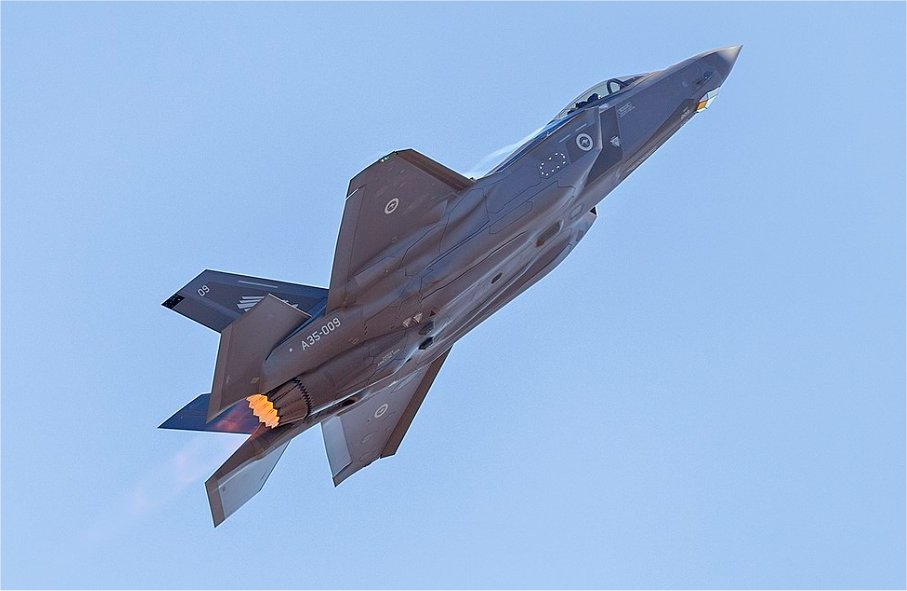
The 20 minute ferry crossing was full to capacity and quite uneventful except for the very sudden, very loud and very low fly by of an F-35b Lightning of the Royal Airforce. This abrupt wake up call was no doubt in celebration of the Queen’s Jubilee which was in full swing at the time. Actually this one’s Australian but as close as I could find on Google.

The rest of the day was without incident and also without a lot of interest apart from being a very pleasant ride on lovely motorcycle roads that were virtually vehicle free.

We stopped at Strontrian for a brew then took the 5 minute free for motorcycles Corran Ferry across Loch Linnhe before crossing the quite striking Connel Bridge which is a cantilever bridge that spans Loch Etive. It was opened around 1905 and originally used for rail only before having a roadway added in 1914 with the bridge being effectively operated as an extended level crossing with gates. In 1966 the bridge was converted for the exclusive use of road vehicles but still requires traffic lights at each end because it is so narrow.

And so to Oban with its population of some 8,000 souls that triples in the holiday season. Nestled on a near perfect horseshoe bay in the Firth of Lorne and protected by islands all around, Oban is beautiful with its majestic Victorian mansions / hotels / holiday homes promenading along the shoreline. There is also a constant flotilla of ferries servicing the many outlying islands.

Tue 7/6 – Oban to Glasgow – 200klm

With overcast conditions we go through the, what is becoming the norm, practise of donning our Dainese rain pants. These are light weight, compact 100% waterproof pants. Now you may be wondering why I keep banging on about this, but for those of you not from Australia you need to understand that it is quite a rare thing for us because it’s mostly dry where we come from, and so having to kit up in wets is not normally part of our riding experience. So now I’ve got that out of my system let’s move on.

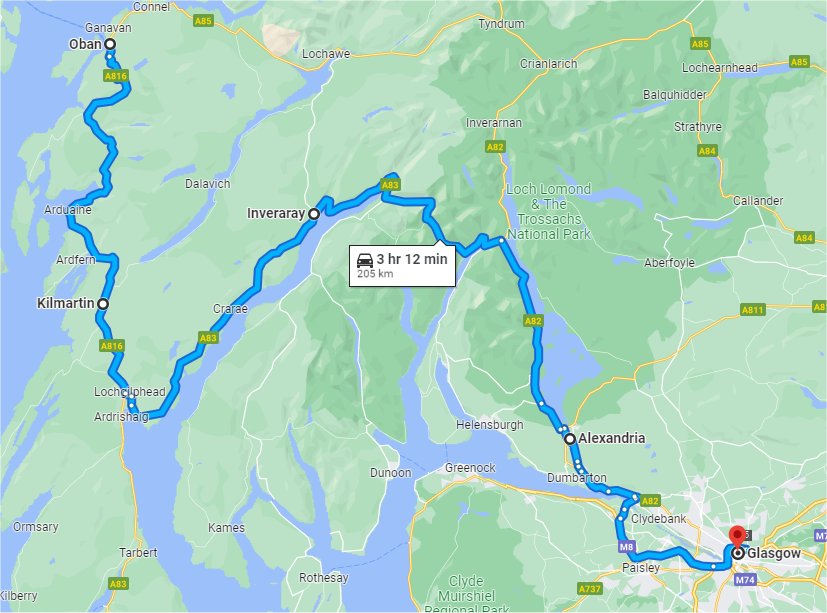
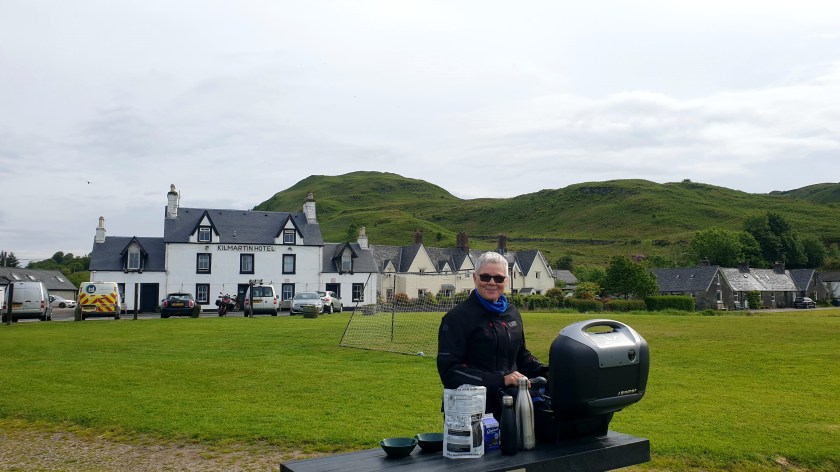
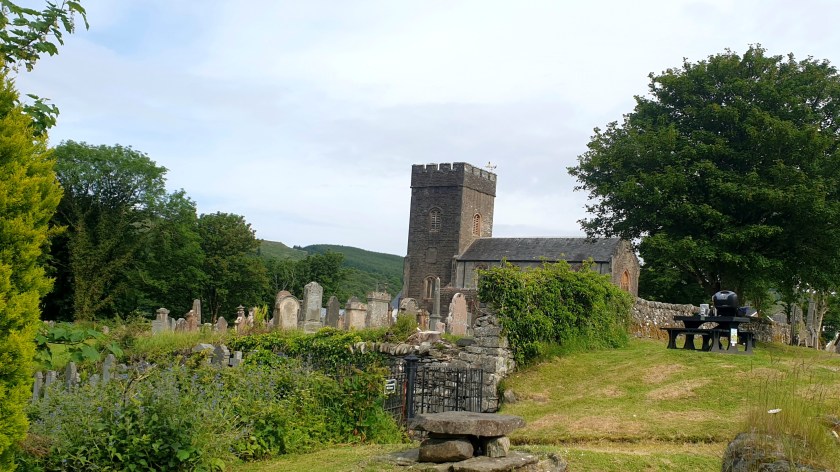
To Kilmartin where we stopped for a brew. With it’s many standing stone circles and such this is quite a popular area for many on the quest of meaning. I’ve been there and done that.

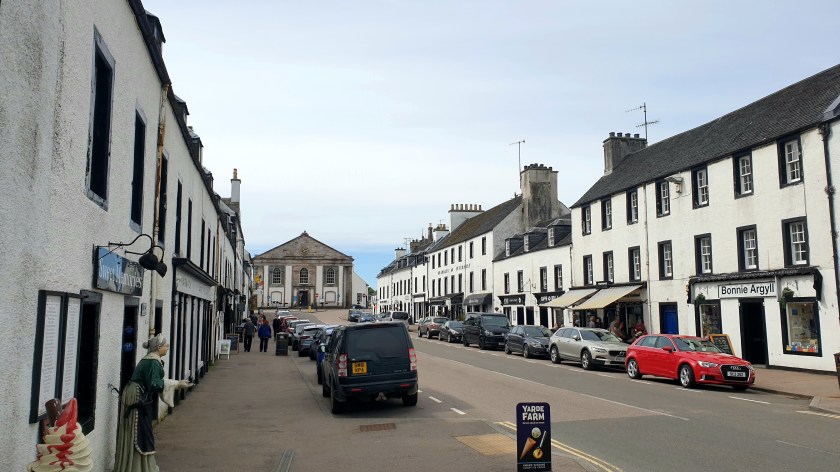
We then followed the western shore of Loch Fyne to Inveraray where I bought a Hoggs of Fife Countrysport flannel shirt to commemorate our Scottish sojourn – it wasn’t cheap.

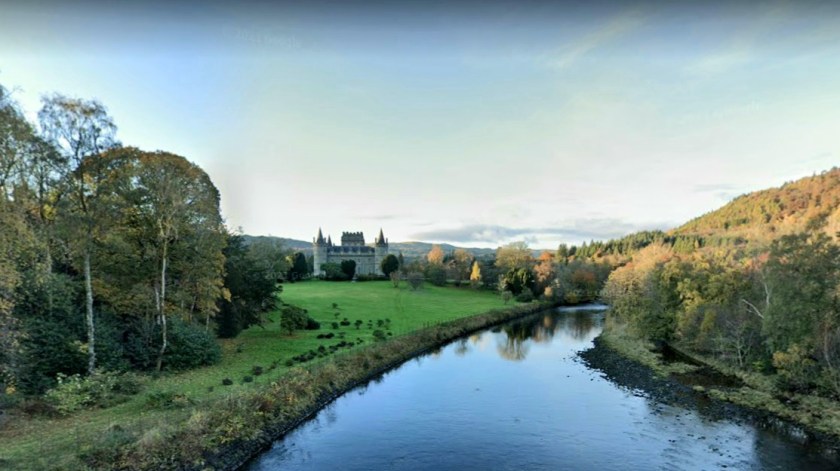
Crossing Aray Bridge (above) on the way out of town I spied the picture perfect Inveraray Castle. This is a Google image as there was nowhere to stop.

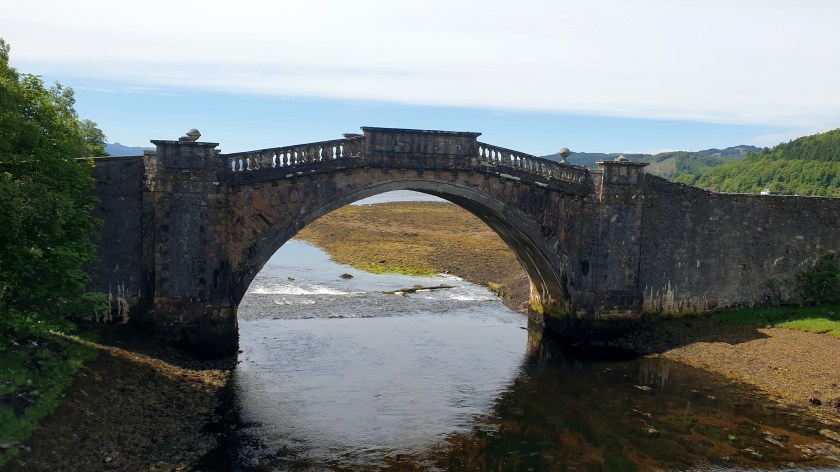
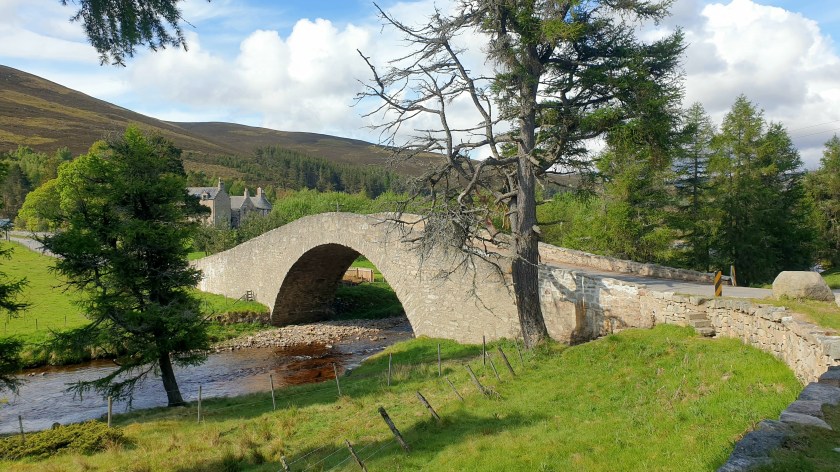
But this is my own. Garron Bridge is an elegant single stone arch bridge, built in 1748 it crosses the Gearr Abhainn at the head of little Loch Shira, an inlet of Loch Fyne a couple of miles north of Inveraray

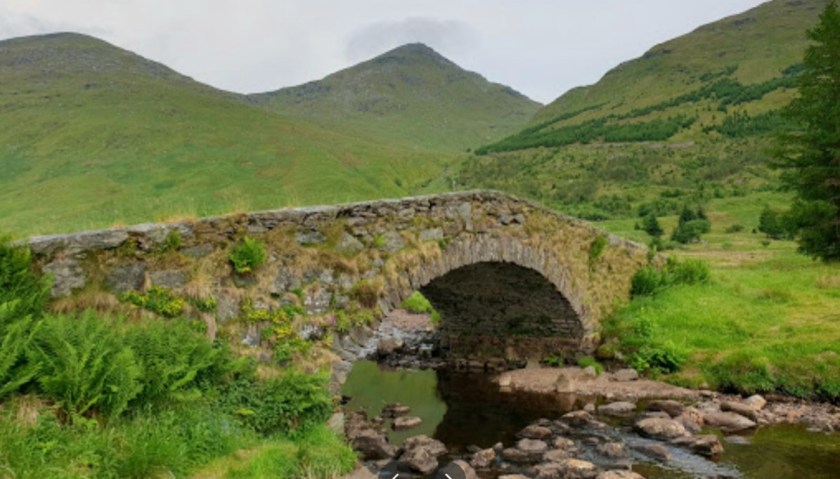
Below is Butter Bridge built in 1745, it originally carried a military road into the heart of the Highlands to keep those troublesome Scots under control.

And so to Glasgow via the beautiful Loch Lomond and the Erskine Bridge over the River Clyde.

Wed 8/6 – Lay Day in Glasgow

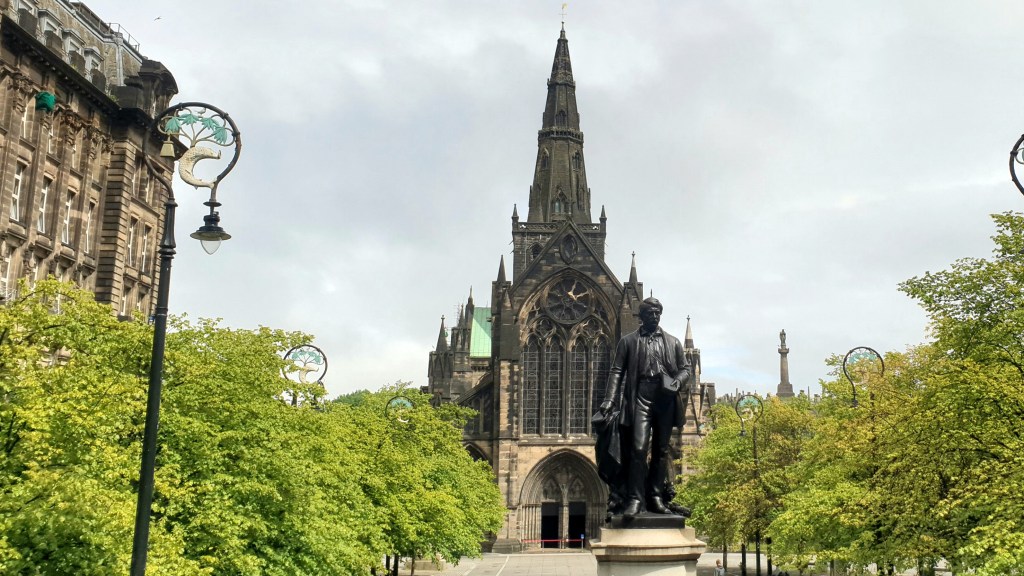
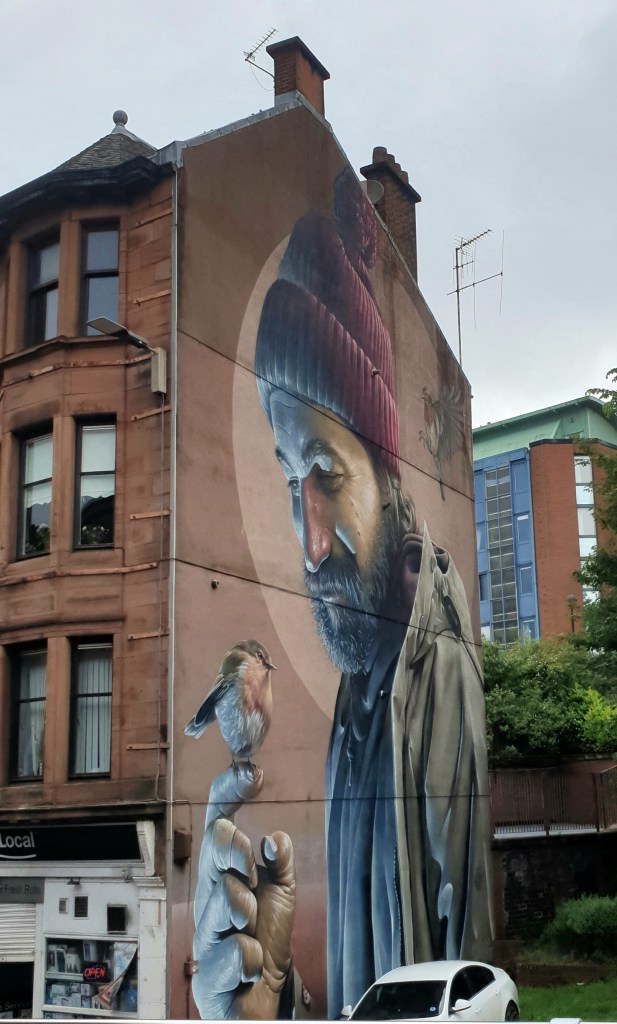
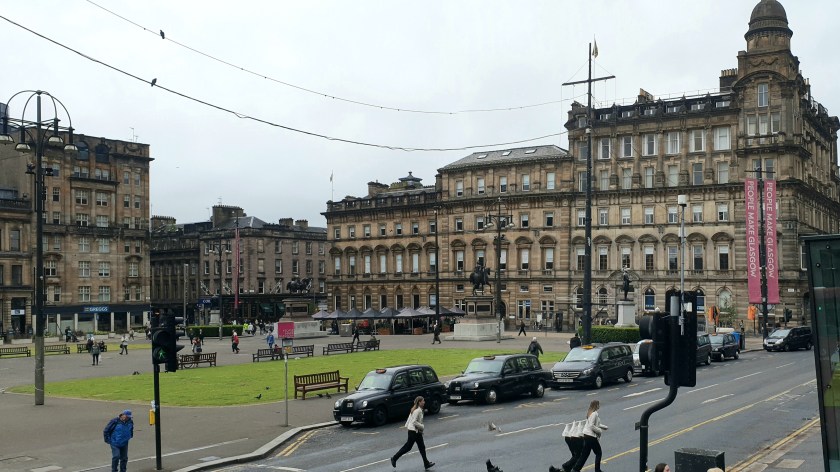
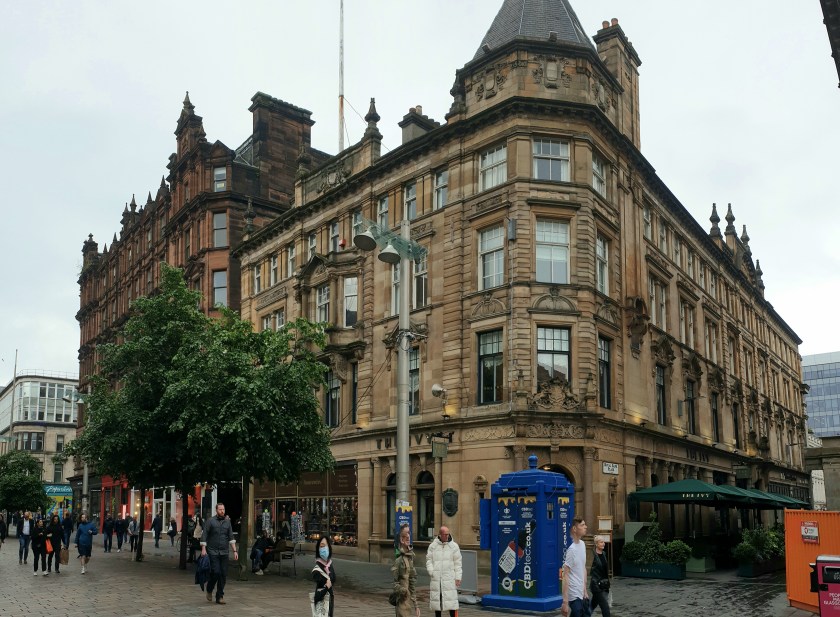
Yep, it’s still raining, and we’re still smiling as we do the mandatory walk around Glasgow. And a truly lovely city it is.

Nothing but diamonds and very expensive watches in Argyll Arcade.

Before watching Tom Cruise save the world, again, at the boutique Everyman Cinema where they serve you hot chocolate and cake – free, but it’s only one session a month. How good is that.

We’d booked a Hop-On-Hop-Off bus tour. We sat on the open top deck in the drizzle with our umbrella, but we did get to see it all on this bleak day.

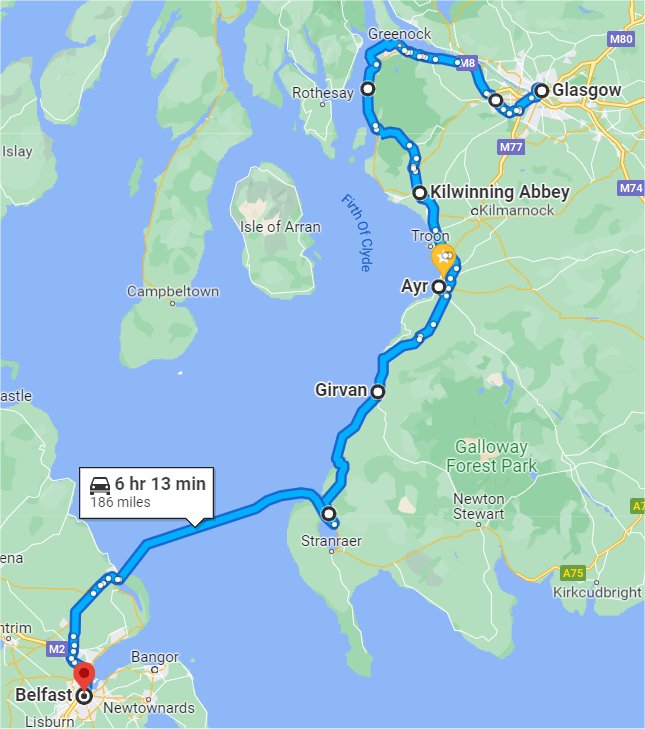
Thu 9/6  – Glasgow to Belfast

Come on, look at those skies. Move on Larry.

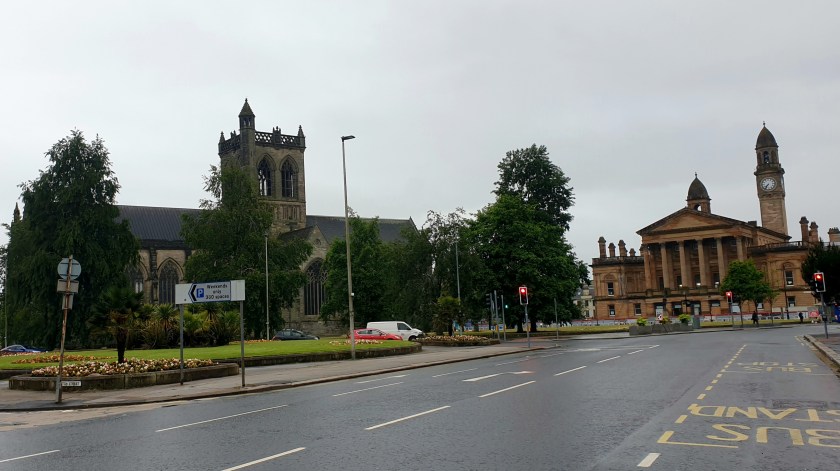
Paisley Abbey with Paisley Town Hall behind it.

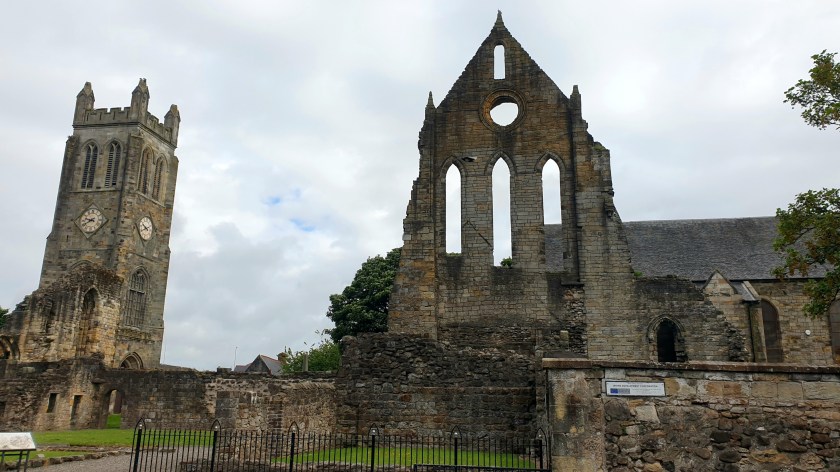
And what is left of Kilwinning Abbey which was founded in the late 1100s and ‘cast down’ following the Protestant Reformation of 1560, though its magnificent south transept still stands nearly to its full height today.

To little Girvan Harbour.

It was still raining as we caught the afternoon ferry to Belfast.

Bye Bye Scotland. Thanks so much for the pleasure, we loved every minute of you, rain and shine.

Fri 10/6 – Lay Day Belfast

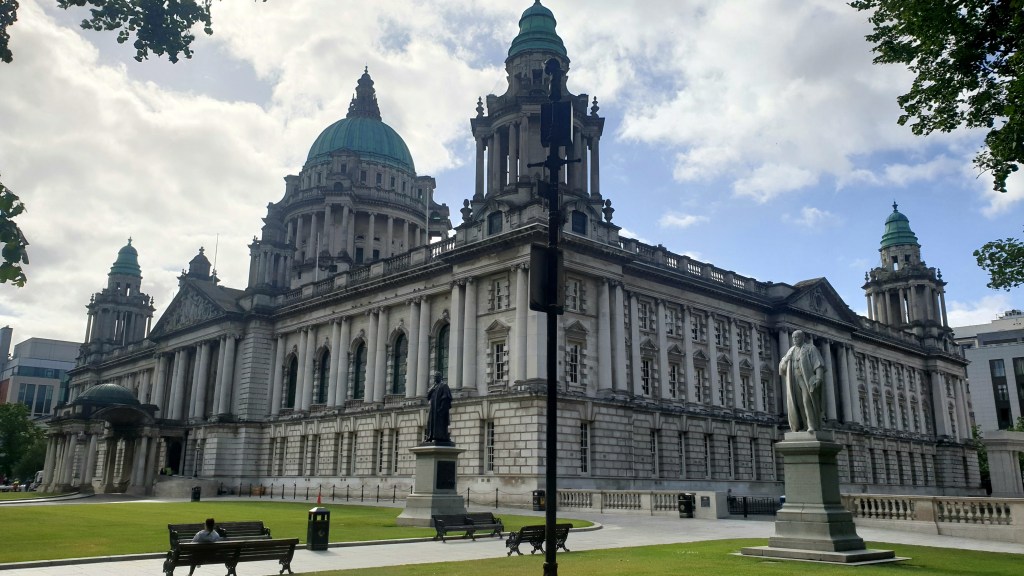
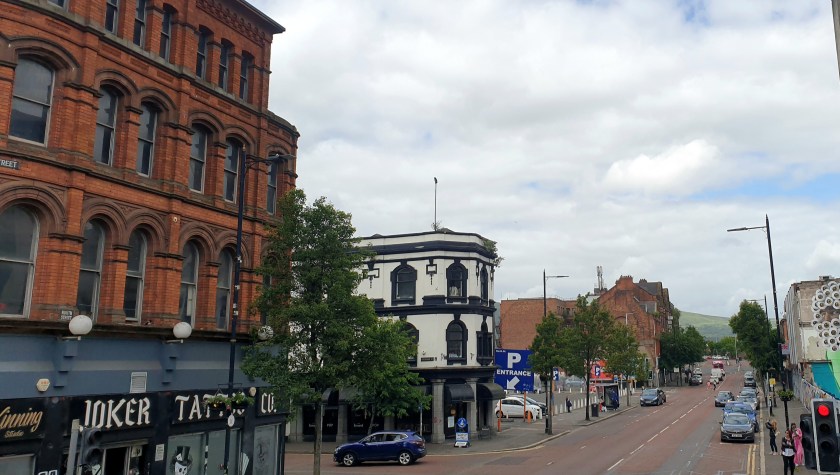
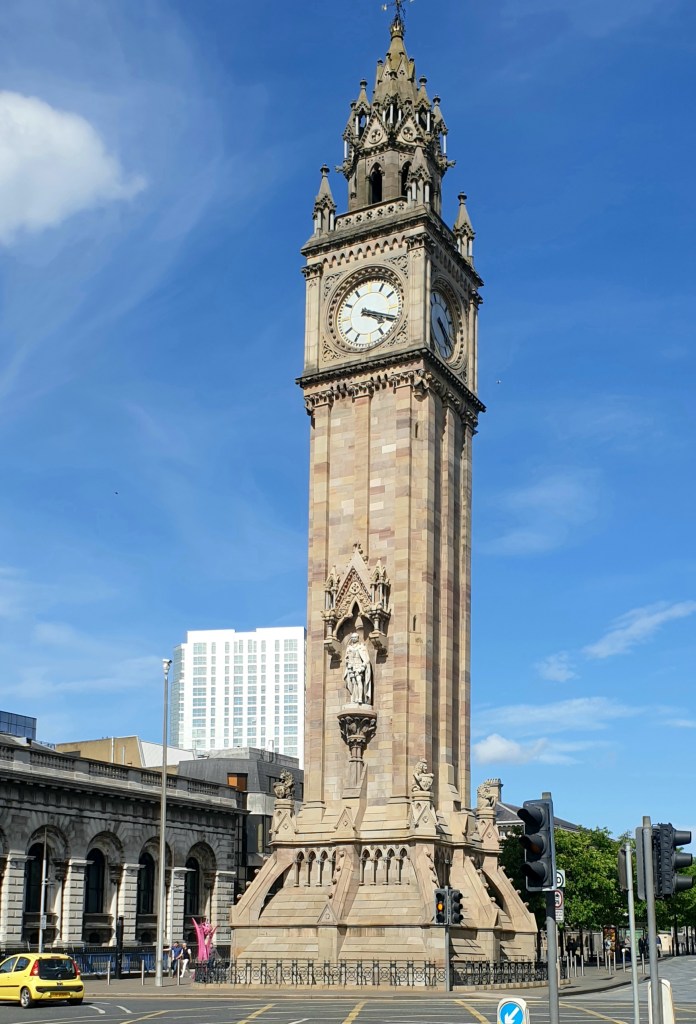
Belfast’s majestic City Hall.

And the obligatory Hop-On-Hop-Off bus tour.

I find the whole story of Belfast to be quite heartbreaking. I’m in no place to make comment but it does anger me that religion is often blamed, but the truth is that true religion has, and never has had, anything to do with it. In fact, from where I stand, true religion is its only answer.

Hens Party Belfast style – pedal harder girls.

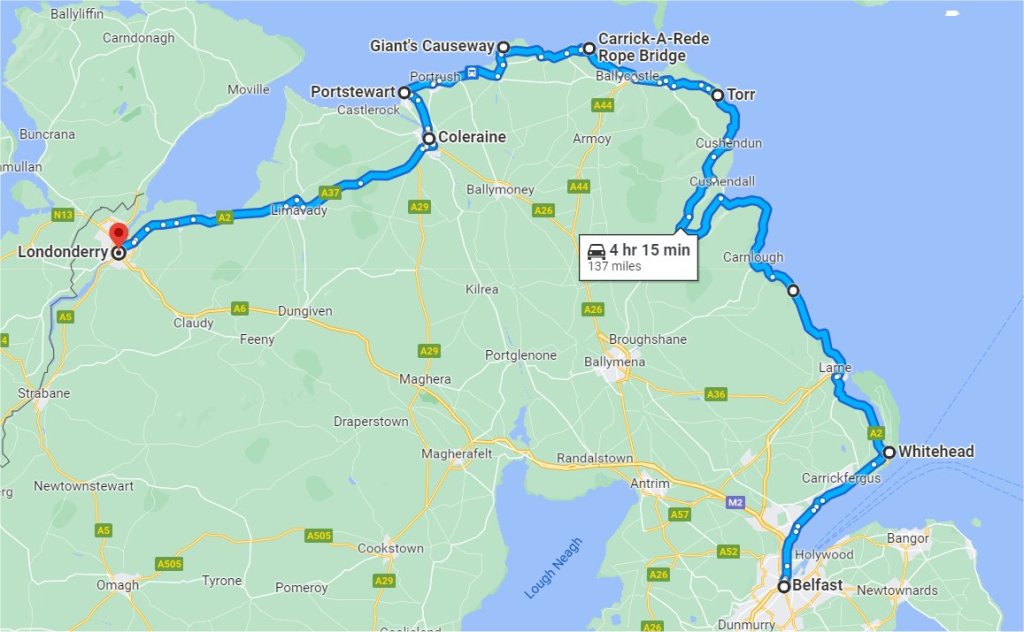
Sat 11/6 – Belfast to Londonderry – 215klm

On the road early today, there’s a lot to see.

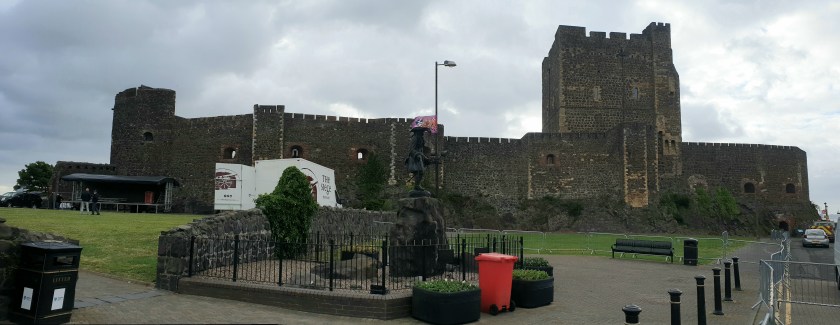
Carrickfergus Castle, built in 1177 and has seen its fair share of sieges. Not the best of pics – it’s hard to get good photos in the rain 😢

This could be interesting – on the hard next door.

Now TomTom has generally been very good 99.9% of the time. Our next effort was the .01% when it failed, and that possibly because I’d set a wrong perimeter.
Anyway we ended up here, which looked dubious to start with on a 10% slope but deteriorated to deep gravel which isn’t the desired surface for a heavily laden touring bike. The upshot is that we came to a dead end before TT said sorry and took us back from whence we’d come. It’s a whole lot steeper than it looks, but going back up was easier than going down. The scenery was nice 😃

One way.

Cushendun. That’s a pretty bike hey, even if its not a Moto Guzzi.

Speaks for itself. At least it was assessable whereas The Giants Causeway just up the road was awash with buses and people and officialdom. It was also bucketing down so we left it on our right.

But not before popping into nice little Ballintoy Harbour in it’s comparative seclusion squashed between Northern Ireland’s 2 most famous tourist attractions.

Through Portrush which was very busy also and onto Portstewart where we propped at the old Rock Castle which was originally built in 1834. The castle was sold to the Dominican Sisters in 1917. Wikipedia says that the College “is concerned not merely with imparting knowledge and skills, which have their place, but, more importantly with training pupils to think, to evaluate and to make decisions.”
We had a brew and admired some brave person’s proclamation – go you good thing.

It started to rain in earnest so we pushed on to Londonderry with its city walls built between 1613 and 1619.

We really liked Northern Ireland and its busyness and party and beauty. But we couldn’t escape the sadness of the sense of an underlying vengefulness. For a country that has a ridiculous amount of monuments to Jesus Christ, those who control this place don’t know a damn thing about Him. It distresses me to be quite honest.

Tomorrow we’re heading south to Donegal – looks like rain 😜

Week 3 – Scotland

Mon 30 May – Sun 5 June
Edinburgh, Ballater, Inverness, Ullapool, Gairloch, Skye

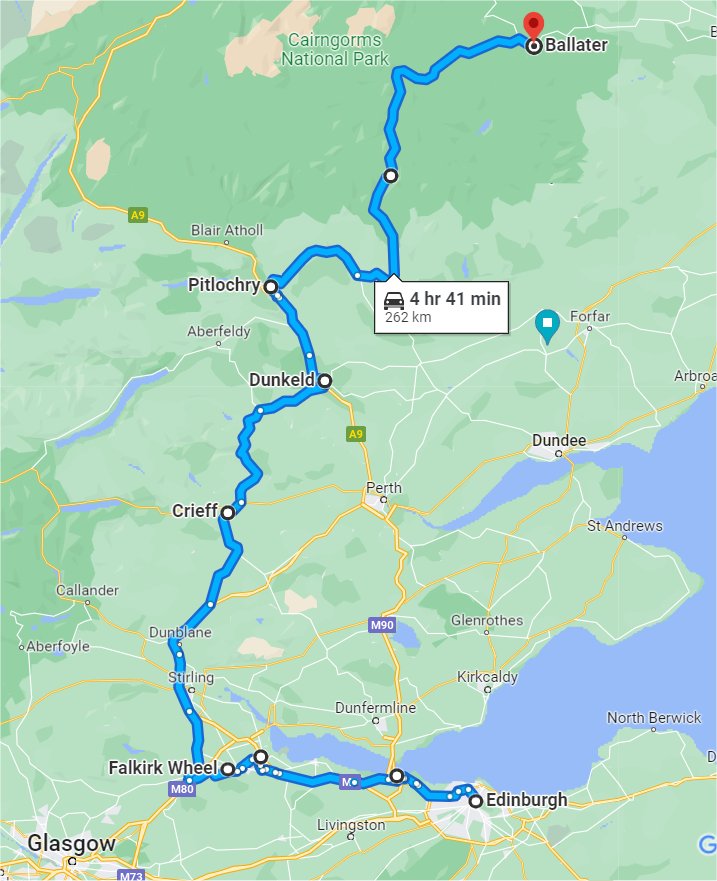
Mon 30/5 – Edinburgh – Ballater – 265klm

This morning is overcast but promising to be dry until 11am, so we decide to trust the forecast and not tog up in our Panda Wear.

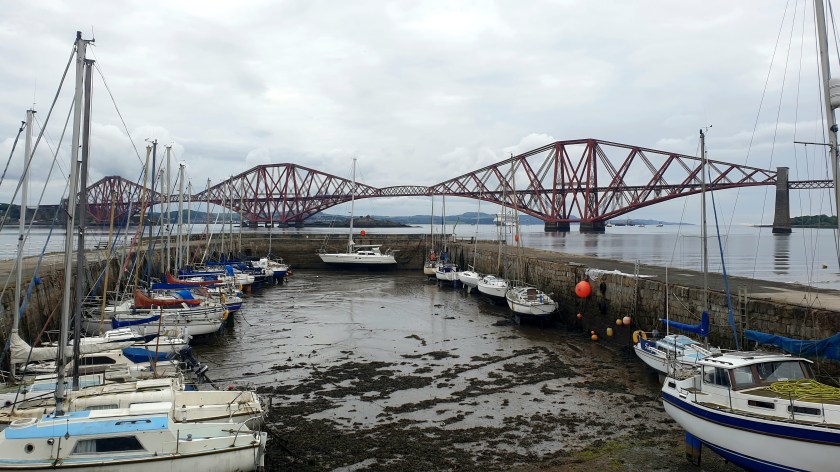
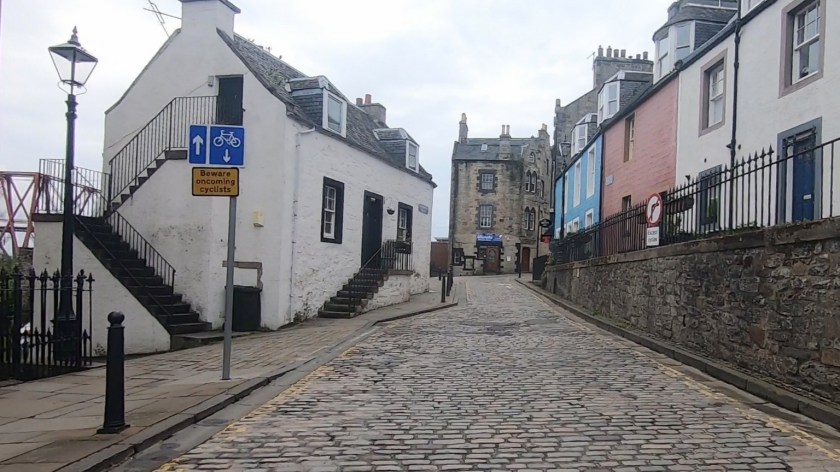
Today is a long day so it’s an early start. Leaving the fair city of Edinburgh with it’s abundance of classic buildings, we head west for the tiny seaport of Queensferry with it’s 3 famous bridges.
The Forth (rail) Bridge opened in 1890 and is a Scottish icon that is recognised the world over as the most famous of cantilever designs. The world’s first major steel structure, the Forth Bridge represents a milestone in the history of modern railway civil engineering and still holds the record as the world’s longest cantilever bridge. Regrettably the tide is out so this lovely little harbour isn’t showing at it’s best.

The Forth Road Bridge is one of the world’s most significant long span suspension bridges. With a main span of 1006 metres between the two towers, it was the fourth longest in the world and the longest outside the United States when it opened in 1964. The structure is over 2.5 km long with 39,000 tonnes of steel and 125,000 cubic metres of concrete used in its construction.
Right behind the Forth Road Bridge is The Queensferry Crossing which opened to traffic in 2017. The 2.7km structure is the longest three-tower, cable-stayed bridge in the world.

There was a cruise ship anchored in the roadstead which was just disgorging its horde of tourists, so there were buses everywhere as we left Queensferry and headed further west.

To The Kelpies. The Kelpies are rooted in Scottish history and heritage. Back in the late 18th and early 19th century you would have heard the clip-clop of heavy horses on the towpath , which is the inspiration behind The Kelpies, efficiently drawing barges of iron ore, coal and goods from Falkirk’s world famous Carron Iron Works along the canal to the bustling industrial hearts of Edinburgh, Glasgow and beyond.

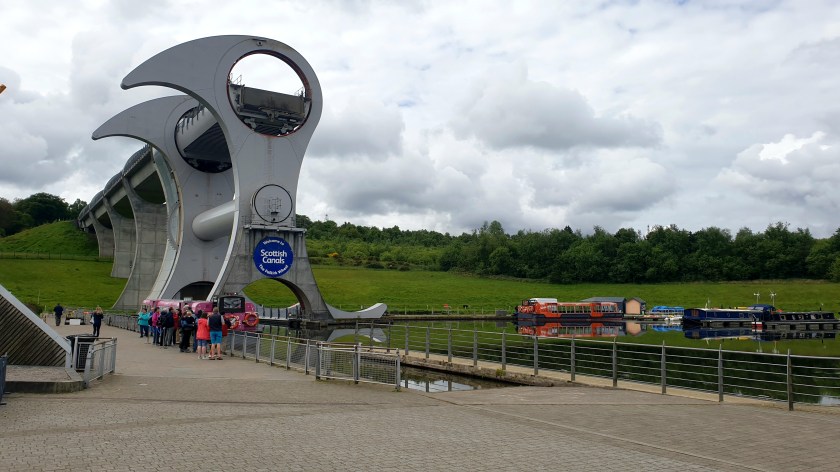
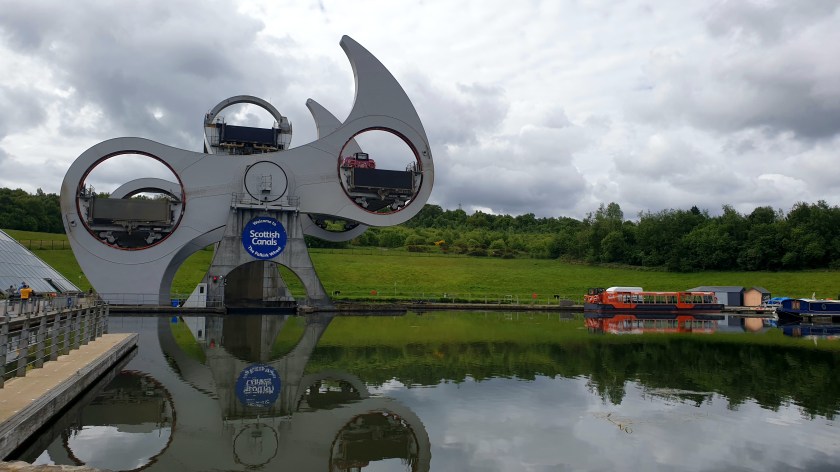
Just up the road is the Falkirk Wheel. Originally the Forth & Clyde and Union Canals were linked by a flight of 11 locks which took nearly a day to transit. These were dismantled in 1933. In 1994 the concept of a wheel as a boat lift was first considered as a solution for Falkirk and was opened in 2002. The world’s only rotating boat lift, The Falkirk Wheel links the Forth & Clyde Canal to the Union Canal 35 metres above, allowing vessels to sail through the sky thanks to a unique fusion of art and engineering – and only using the same power it would take to boil eight kettles.

It was now approaching the foreshadowed 11am weather deterioration so we donned our wet weather pants and headed north. Through Crieff where we filled up with fuel, and on to the lovely village of Dunkeld which sits on the banks of the River Tay where we stopped for bite to eat and a wander.

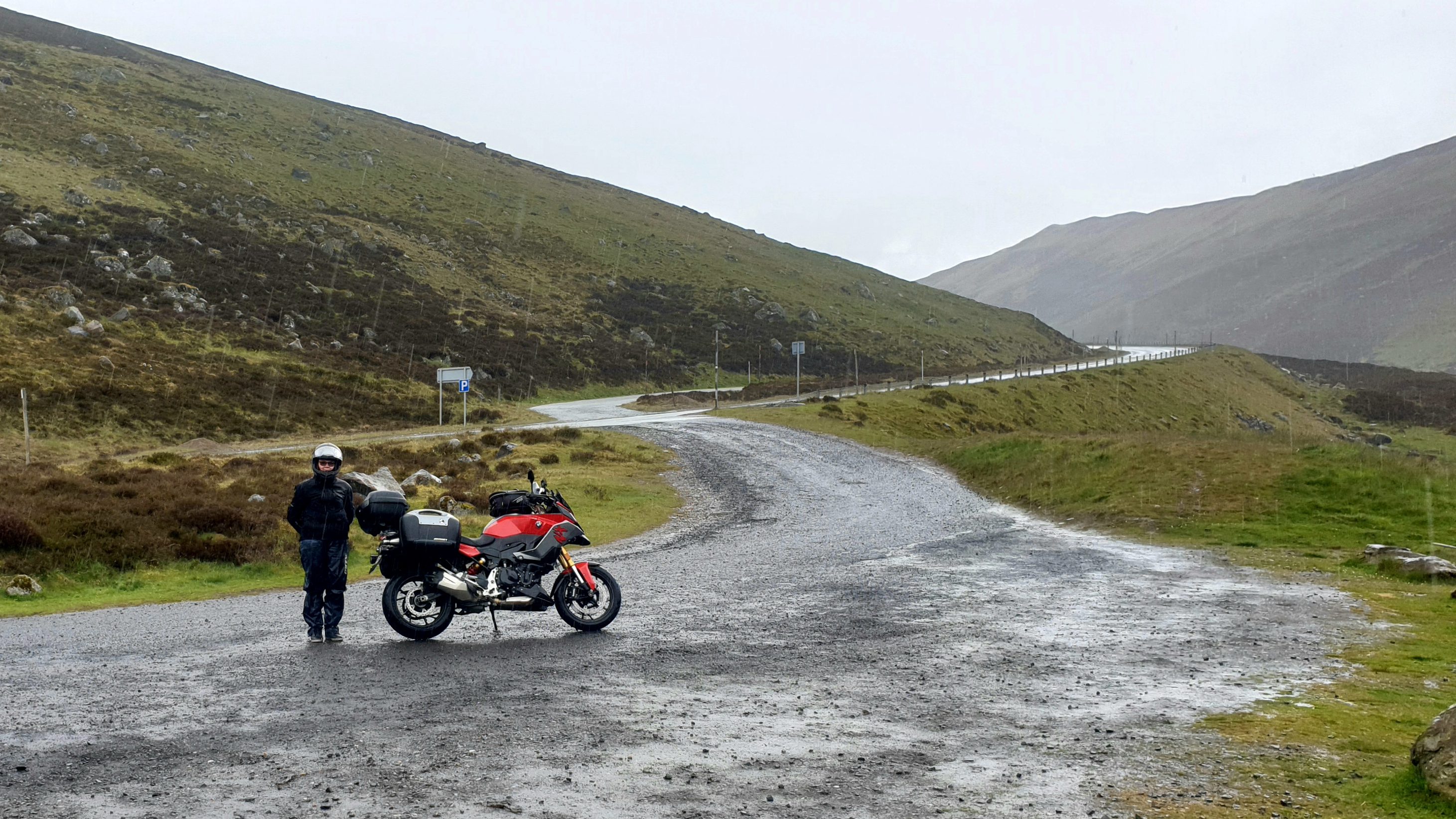
We’d only had a little rain up until now as we headed to Pitlochry and into The Highlands where we were met with heavy rain, 5c and blowing a gale which isn’t pleasant at any time but I suppose this is what Scotland is known for so we soldiered on.

Despite the inclement conditions the countryside was still stunning. Yep, there’s still snow up there behind the ‘Old Bridge of Dee’, which was built around 1740.

And so to Ballater, close to Balmoral Castle. We stood in the rain as I tried to contact our landlord for the night only to find she’d locked herself out. So we stood in the rain some more and waited for someone to rescue us with a spare key. Norma wasn’t too impressed, nor could I blame her as she’d endued quite enough for the day without a whisper.

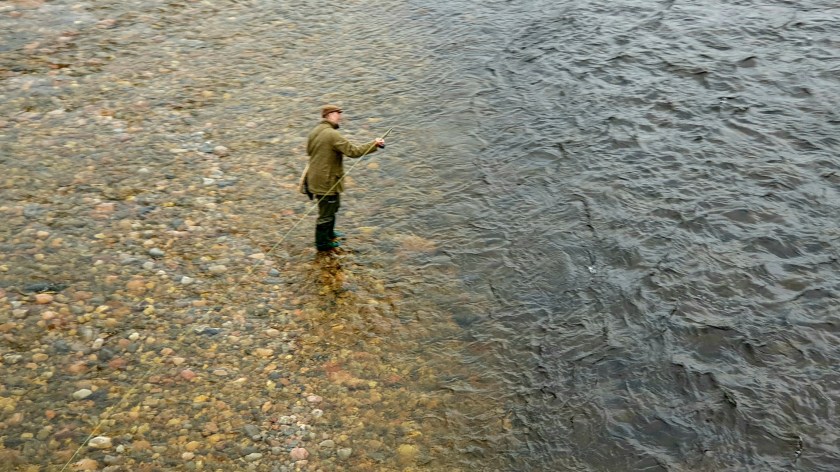
And this guy working a fly under the bridge.

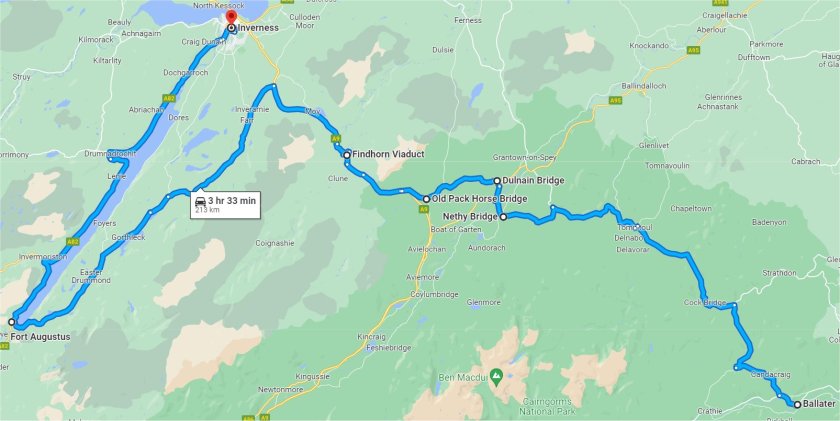
Tue 31/5 – Ballater – Inverness – 220klm

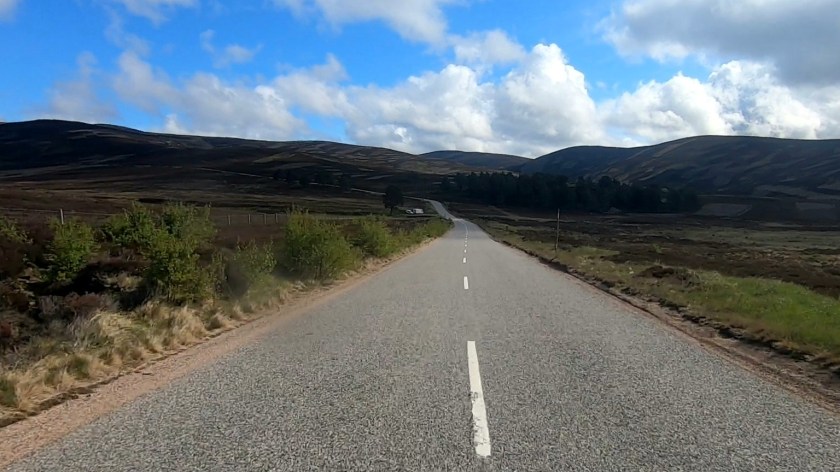
The sun was trying to shine as we took our leave of Ballater and ventured into more of Scotland’s breathtaking Highlands.

Across Gairnshiel Bridge on the border of the Queen’s Estate, to Nethy Bridge where we stopped for a brew. As you can see we weren’t trusting the weather but we are smiling.

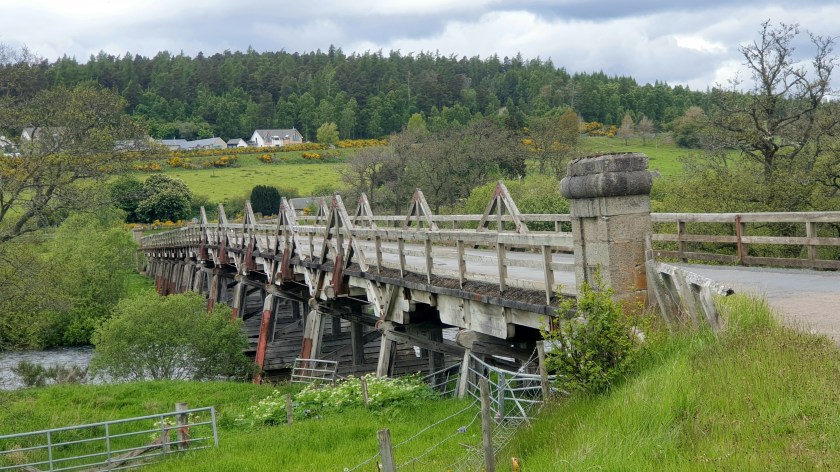
The Broomhill Bridge crossing the River Spey, is considered the finest wooden bridge surviving in Scotland. It was built in 1894 and replaces an earlier one built in 1863.

Further on we came across Old Packhorse Bridge. One of the most iconic visitor attractions in the Cairngorms, the old packhorse bridge across the River Dulnain at Carrbridge was built in 1717. The bridge was built to allow funeral processions to access Duthil Church when the river was in flood.

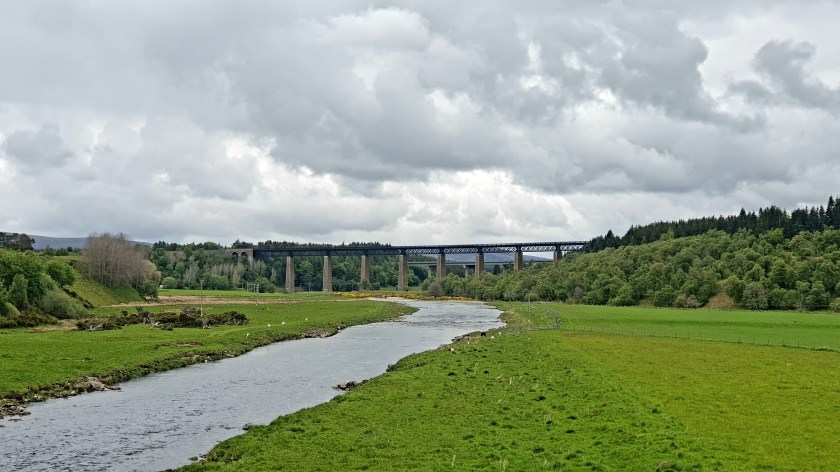
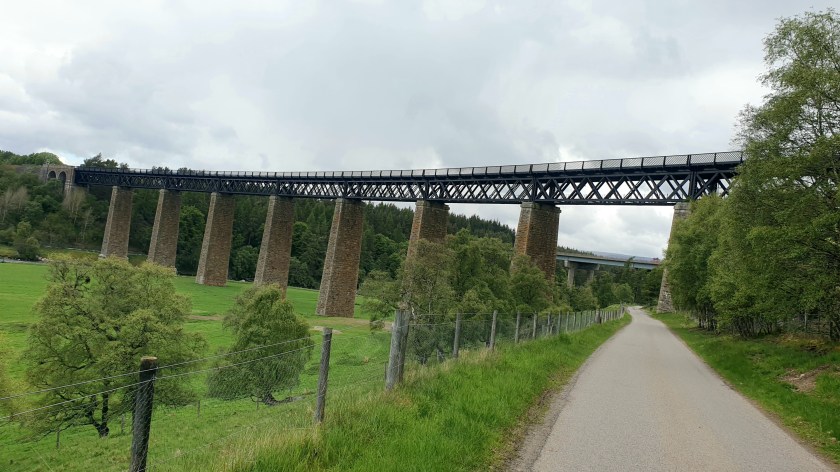
Findhorn Viaduct was opened in 1897. The bridge’s nine spans total 405m in length, and is up to 44m above ground level.

Just around the corner is the unused Divie Viaduct built in 1863. The 145m long viaduct carried a single railway track 32m above the river supported by seven 14m arches

We continued on NW then sharply SW to Fort Augustus, reaching there with 1 mile showing on the fuel gauge – but I know that is 10 miles out 😜
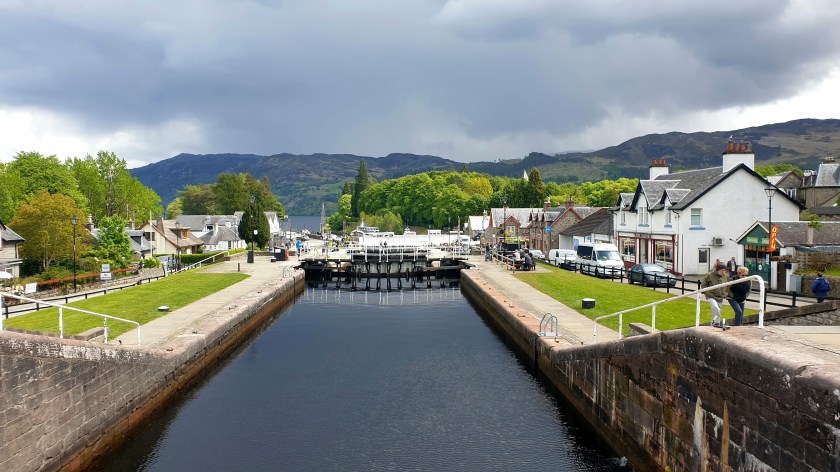
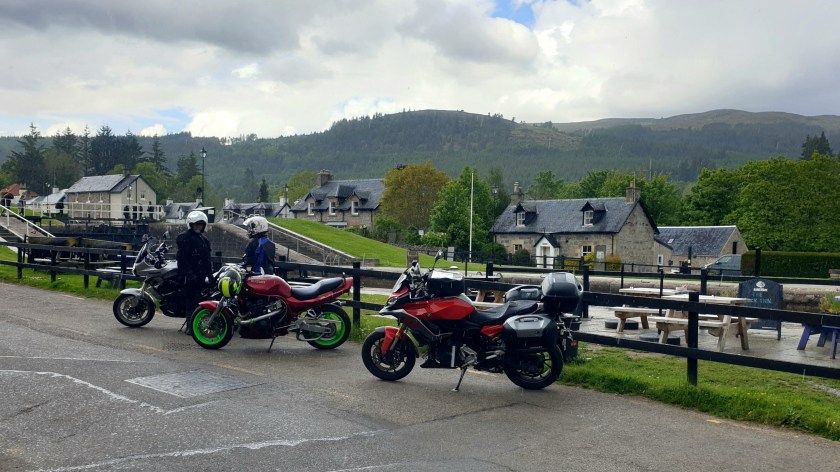
Situated on the southern tip of Loch Ness, and lying on the 60 mile long Caledonian Canal, Fort Augustus is a very popular tourist attraction. It was packed as we stopped for lunch. We snared a table under an awning as a thunder storm had many scurrying for shelter.

And so to Inverness following Loch Ness’s western shore – no monsters today.

Wed 1/6 – Lay Day In Inverness

Blue skies as we wandered the pleasant town of Inverness.

Thur 2/6 – Inverness – Ullapool – 178klm

With summer finally arriving in Scotland we left Inverness with smiles at the lovely conditions. A quick peek at the Kessock Bridge crossing the Beauly Firth. This was opened in 1982 and has a total length of 1056m with a central span of 240m.

We headed north.

To Shin Railway Viaduct. Opened 1868 and still in use, it comprises a 85m lattice girder main span and five stone approach arches, each of 9m span.

A U turn at Lairg led us through some very remote, single laned and heavily plantationed country to the Old Oykel Bridge built in 1823, and replaced in the 1930s with an identical looking bridge right next to it.

With these guys working a fly just downstream.

There’s some rugged country through here.

To Ullapool which was literally packed with tourists. We’d booked our cheapish room back in February and it cost A$258 for a single night then, which is our most expensive accommodation – lots dearer now, and nothing to be found.

Fri 3/6 – Ullapool – Gairloch – 95klm

Some pretty views leaving town.

And ran into this bunch of 13 guys, mostly young, and all ex or current employees of Triumph Motorcycles. They where all riding small capacity Japanese bikes and mostly older 2 strokes. We had a brew.

Pretty.

Barren.

And beautiful.

We arrived in Gairloch. Where our accommodation is a mere A$245 for the night 😒
But hey, its Friday, and we all know what that means – single scoop for A$5 😂

Sat 4/6 – Gairloch – Skye – 225klm

Another longish day in glorious sunshine. More of this:

A brew at Shieldaig.
Actually we’re not brewing on this trip. On our previous two trips we’d carried an espresso maker with cooker etc. This time we’re carrying stainless flasks and using instant coffee. Takes some of the romance out of it, but its so much easier.

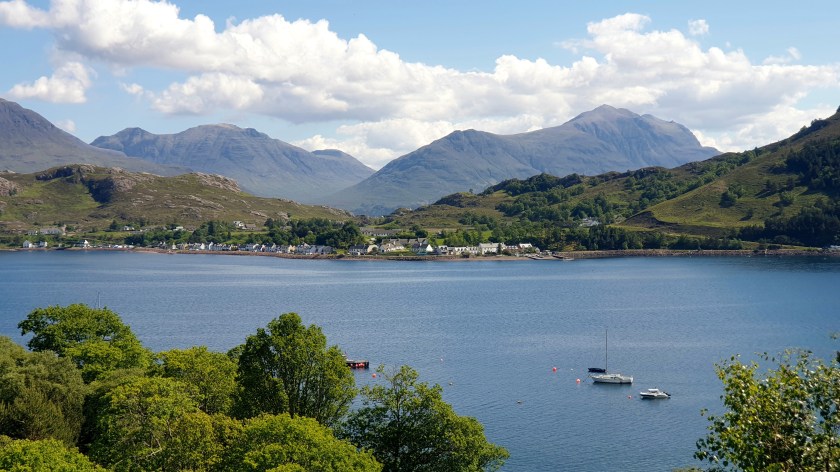
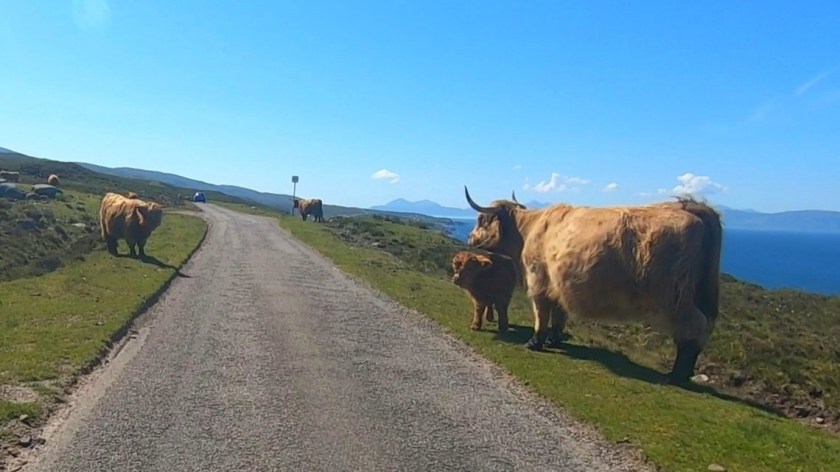
More remoteness and shaggy cattle of the Scottish Highland Breed.

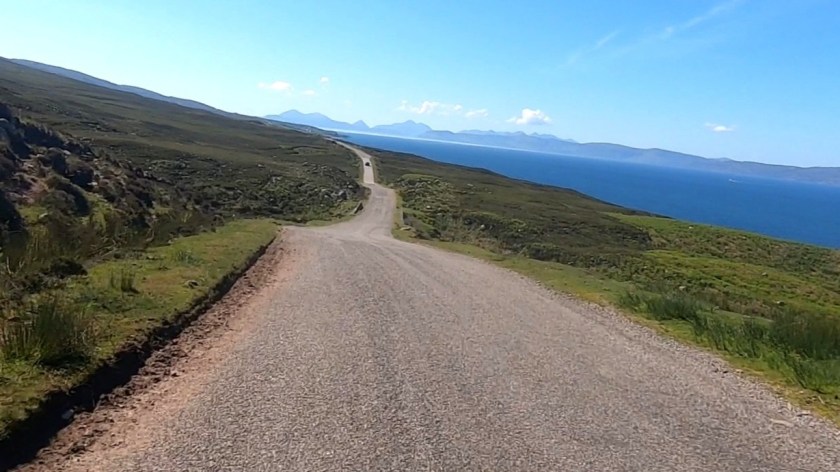
The top of Applecross Pass looking out towards the Isle of Skye.

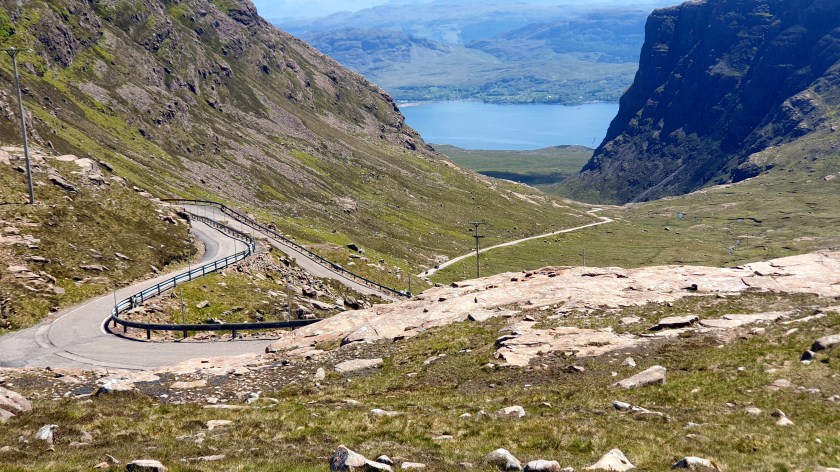
And the infamous Applecross Pass. Its pretty impressive to look at but no big deal to ride except for the fact that its mostly singled lane.

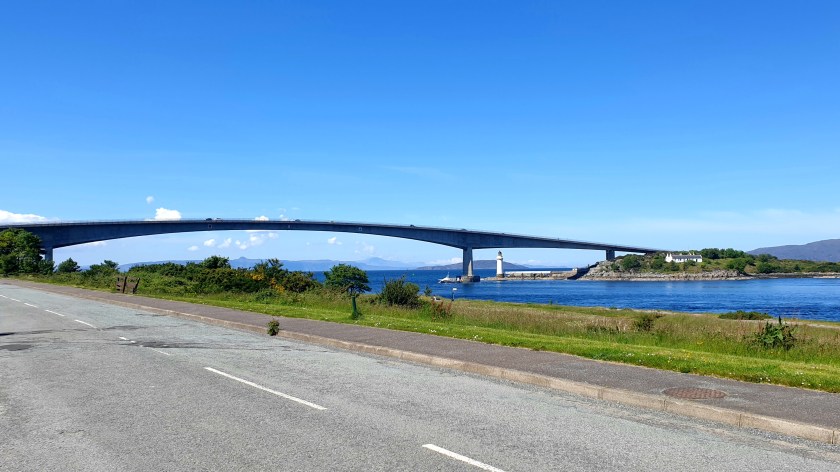
And across to the Isle of Skye where we’ll take a lay day.

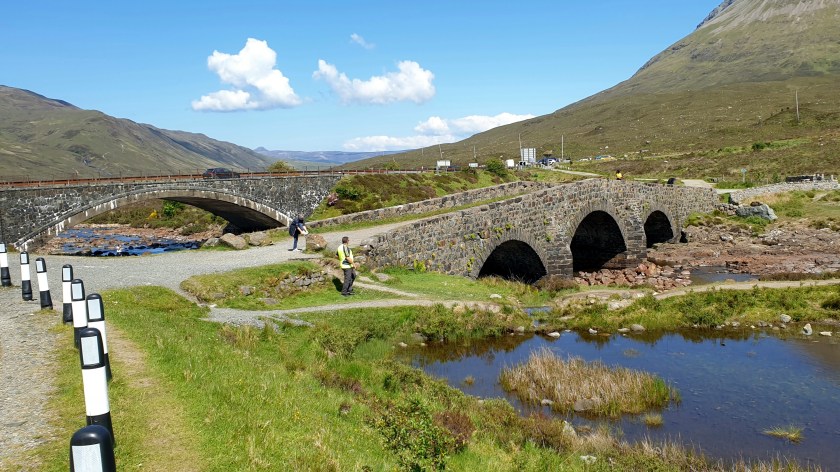
The Sligachan Old Bridge, built between 1810 and 1818, and replaced in the 1930s with the bridge behind it.

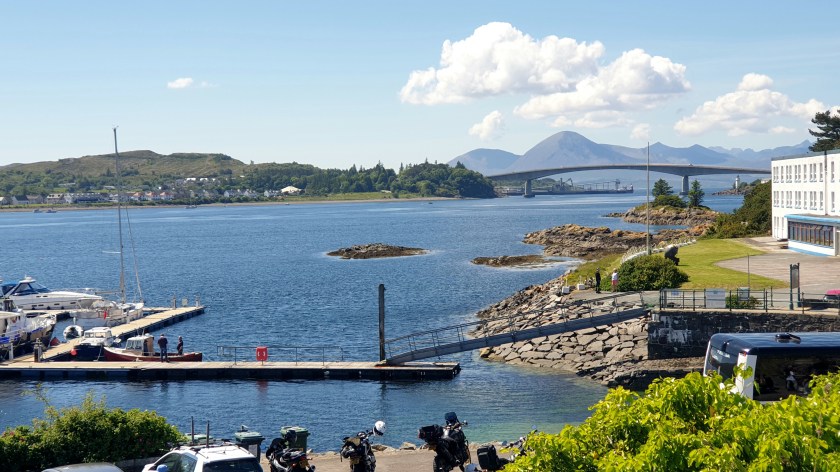
And so to Portree which is also packed with the tourists. I’m guessing this is quite the norm in these areas of Scotland, but this is also Queeny’s Platinum Jubilee (70 years) so the whole of the UK is awash with nostalgia and hopping into their cars and heading somewhere else to enjoy the 4 day weekend. Good for them, we’ll join them.

Sun 5/6 – Lay Day In Portree

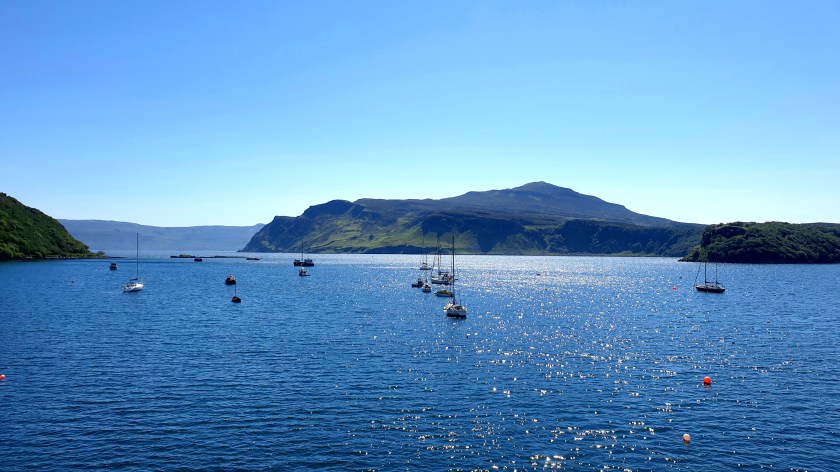
Portree being quite small, it didn’t take us long to scout out. Nice little harbour and that’s about it.

Tomorrow its off to Oban.

Week 2 – London to Edinburgh

Sun 22 – Sun 29 May

London, Chippenham, Stourport-on-Severn, Sheffield, Kirby Lonsdale, Haltwhistle, Edinburgh

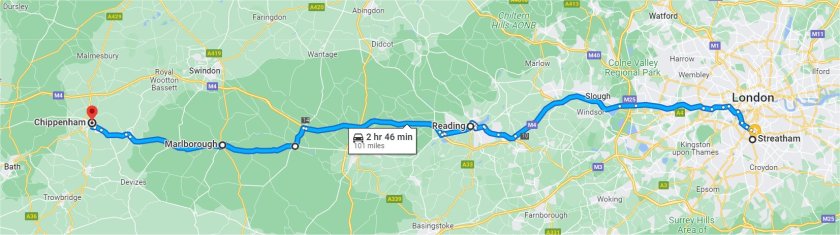
Sun 22/5 – London to Chippenham – 160klms

Today was more of a transit day to catch up with the planned route that has been disrupted by the bike being late for pick up. Just getting out of London was bad enough, and it’s a Sunday. I’d hate to be doing this on a week day. There was also a crash on the M4 which had us stopped for 30 minutes. The ride to Chippenham was pleasant and uneventful on a lovely sunny day.

So, for those of you who don’t know of our past motorcycle travels, here’s a little history. This is actually our third such journey through Europe.

In 2016 when I retired we did this, starting and finishing in Rotterdam. We did 11,000klm in 90 days with 56 ride days and 34 lay days. Starting mid July and finishing early October.

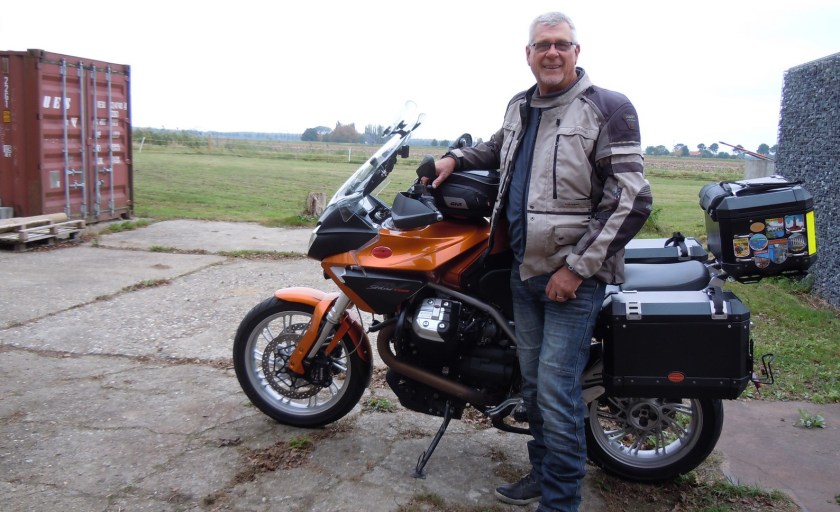
And we did it on this – a 2012 Moto Guzzi Stelvio 1200

Then in 2019 we did this, starting in Barcelona Spain early April, and finishing in Felixstowe UK mid July. We did 12,000klms in 101 days of 61 ride days and 40 lay days.

And we did it on this – a 2013 Moto Guzzi 1200 Sport

You can catch those blogs here.

So this year the plan is to do this, starting and finishing in Felixstowe from late May to early September. We’ll do 12500klms in 117 days with 65 ride days and 52 lay days.

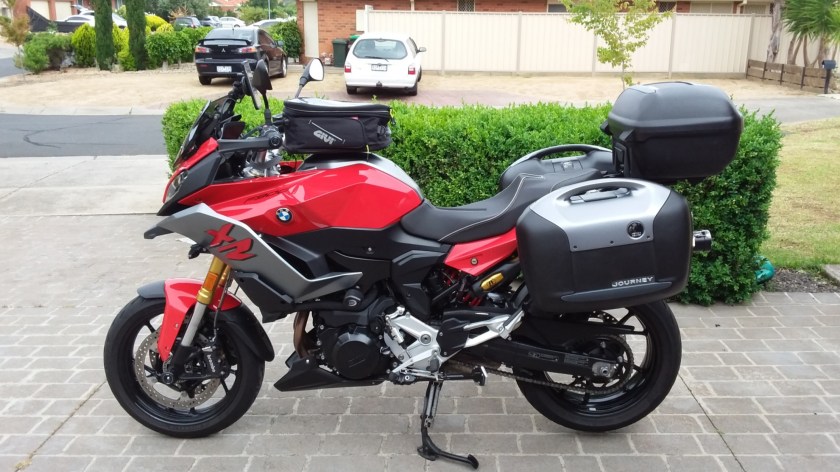
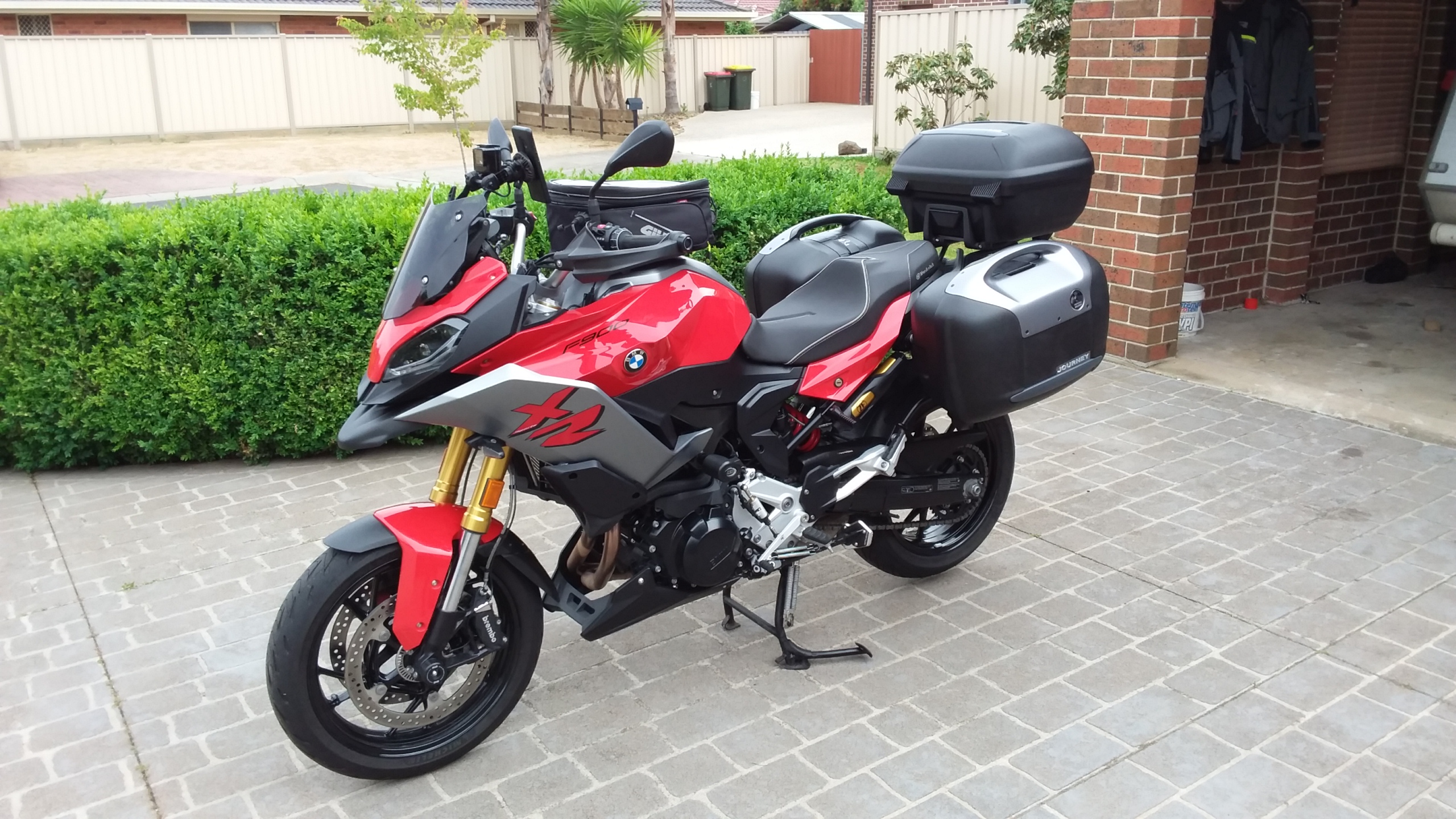
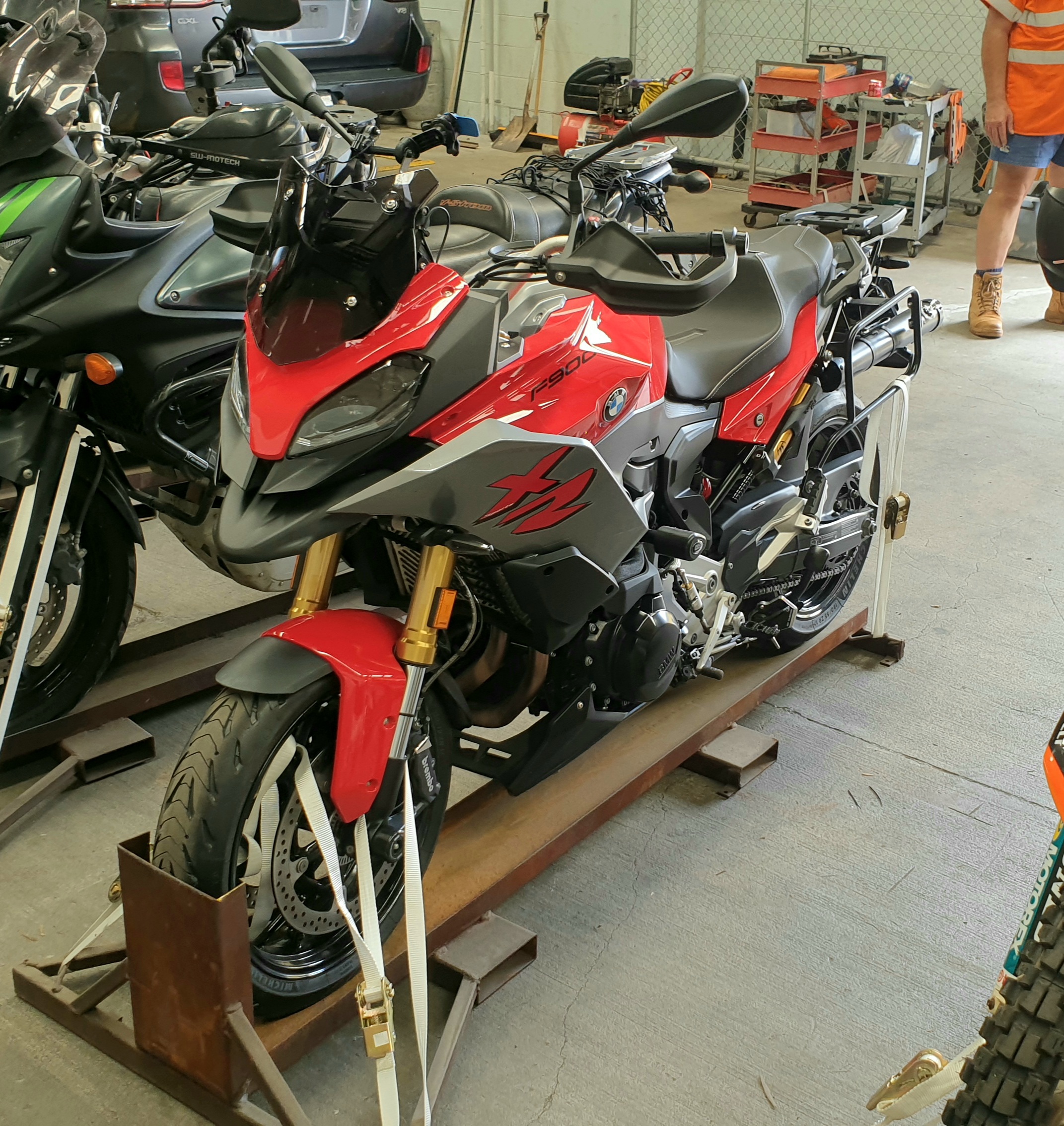
We’ll be riding a 2021 BMW F900XR Tour with all the bells and whistles.

So enjoy the journey.

Mon 23/5 – Chippenham – Stourport-on-Severn – 150klms

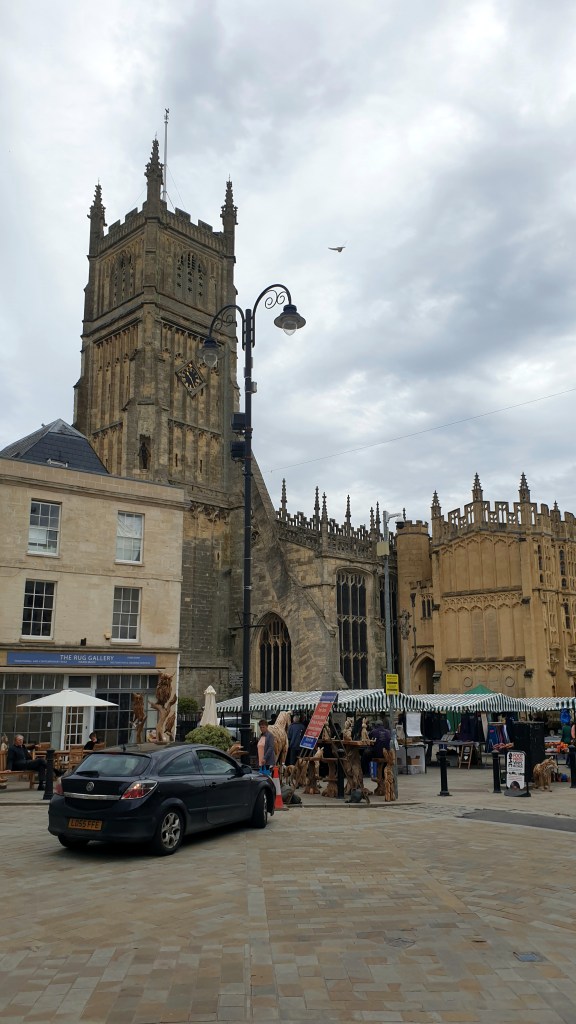
Today started out with the promise of reasonable weather but became more and more threatening as the day progressed. We stopped at Cirencester where it was market day and where we discovered the parking wardens were out in force. After narrowly missing being booked, I asked the lady with the grim face where she’d send the infringement notice to and she had to admit that she didn’t have a clue seeing as ours is an Australian registration – a win for the little man 😊

So on to Northleach.

Then Burton-on-Water where we were going to stop for a coffee but there being no parks and lots of wardens about, we continued on. Lovely place though.

Through the lovely lush English countryside.

To Stow-on-the-Wold then on to Chipping Campden (just where do they get these names from) where we did find a legal parking space and where did have a coffee and shared a wee cake.

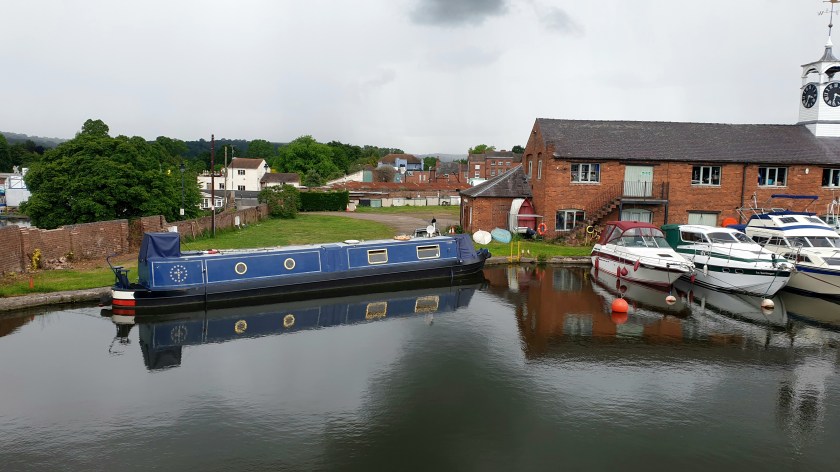
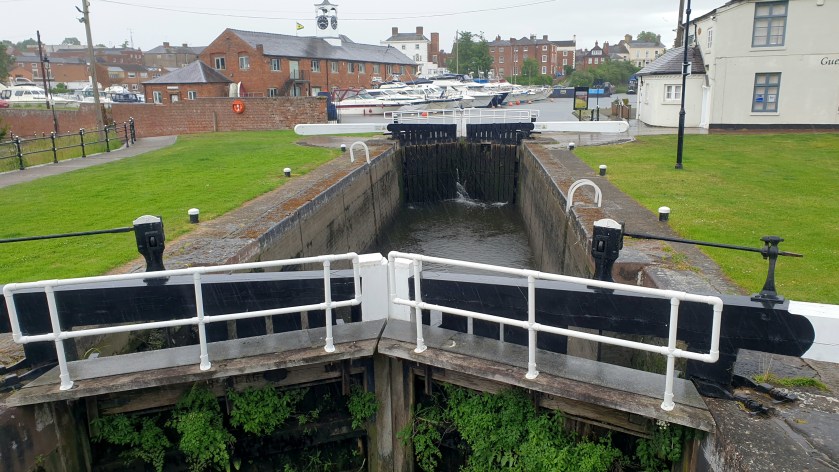
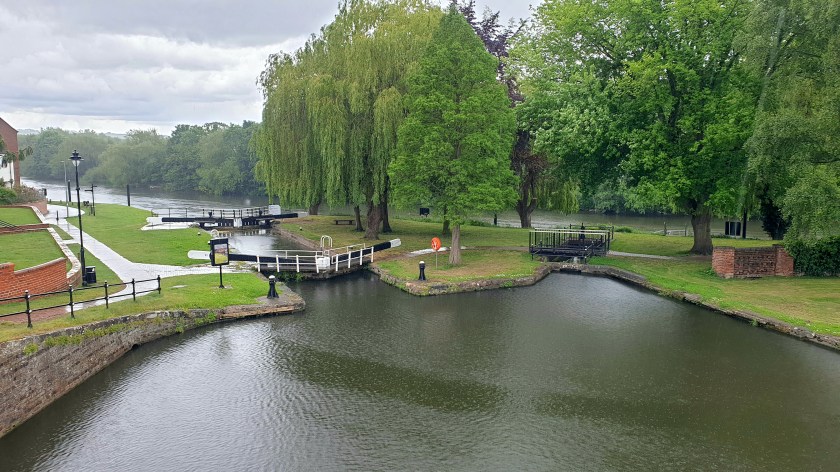
On through Broadway and Evesham via A and B roads. And so to Stourport-on-Severn where we were booked into a delightful little apartment overlooking this:

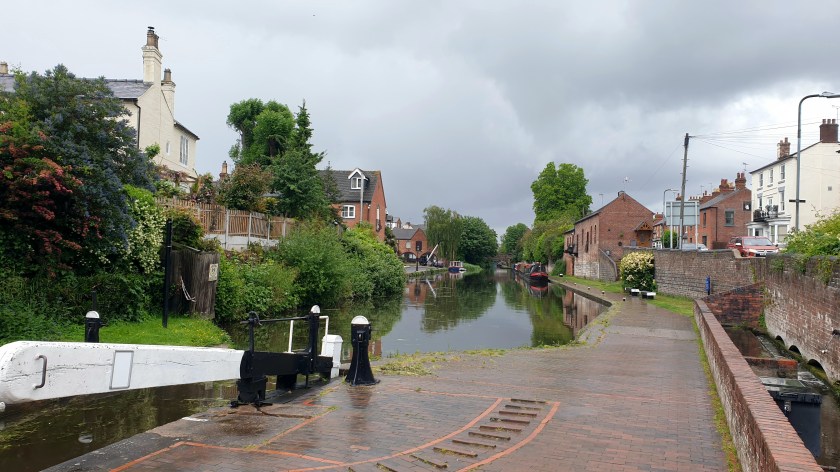
I went for a walk as the rain that had been threatening all day arrived with a vengeance. I’d particularly chosen this stop for it’s lock systems and all manner of Narrow Boats. I worked the locks and chatted with a few of those on board their canal boats. They were as fascinated in what we were doing as I was in what they were doing. A month on a Narrow Boat could be on the horizon.

It rained all night.

Tues 24/5 – Stourport-on-Severn to Sheffield- 185klms

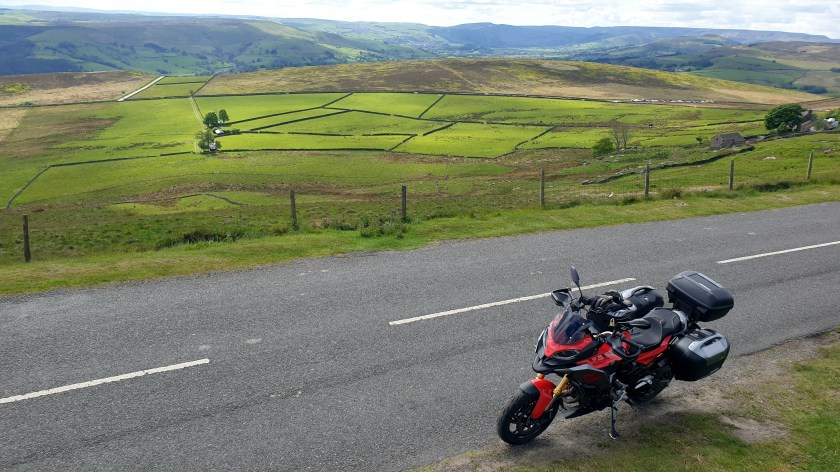
The overnight rain had stopped so we took a chance by not donning our wet weather pants and headed for Birmingham. I’m not sure what my original reasoning was in visiting down town Birmingham, but it was obviously not a smart one. Traffic in peak hour. Took a pic of the Cathedral and moved on.

To Burton-upon-Trent. But not before getting caught in a downpour we’d been playing ‘chicken’ with for 20 miles. It beat us by 2 miles. So with wet bike jeans we stopped for a coffee in a warm café before donning fore mentioned wet weather pants and heading for Matlock.

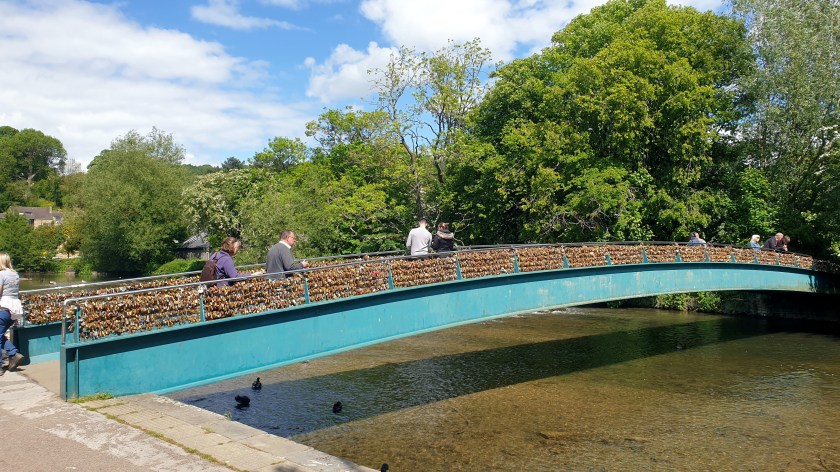
To Weir Bridge, in Bakewell, which crosses the River Wye. It’s covered in padlocks. We took some time out to sit in the sun which had remerged and brewed a coffee and had a sandwich.

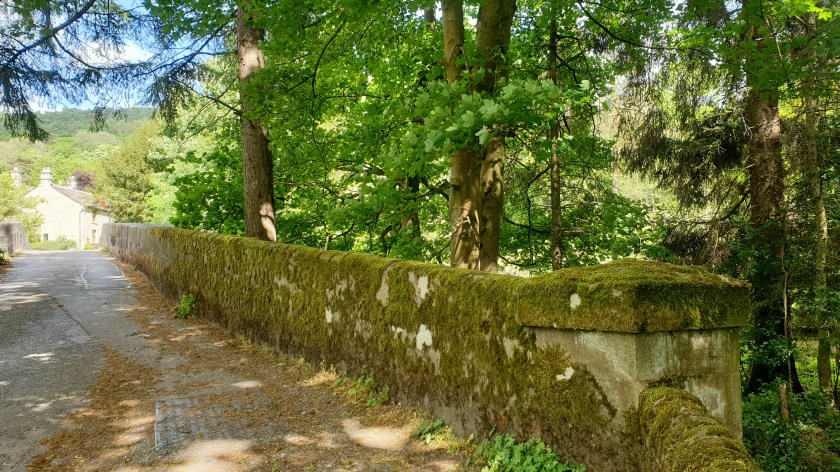
To Froggatt Bridge.

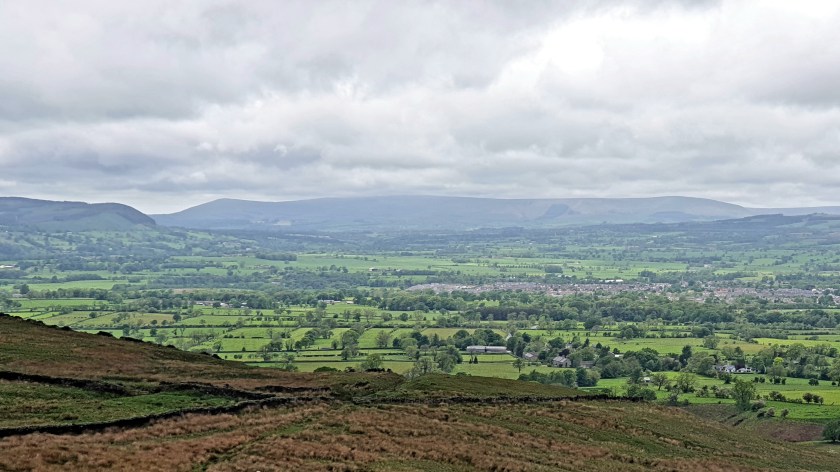
Through more of that lovely countryside with the sun trying to beat the cloud.

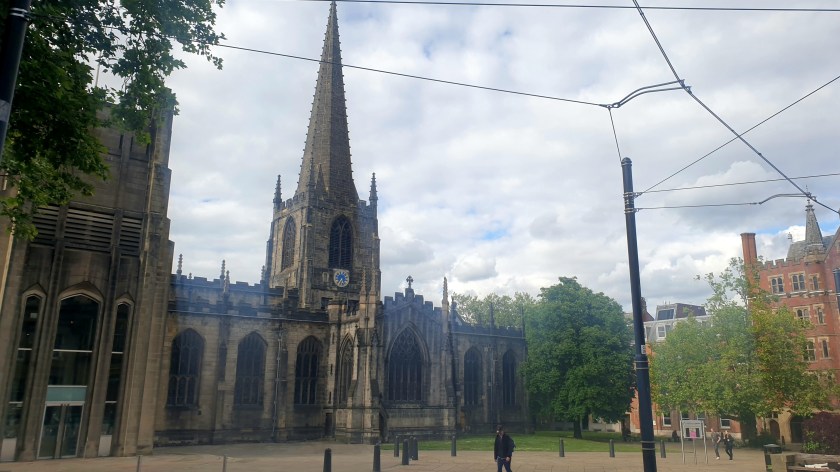
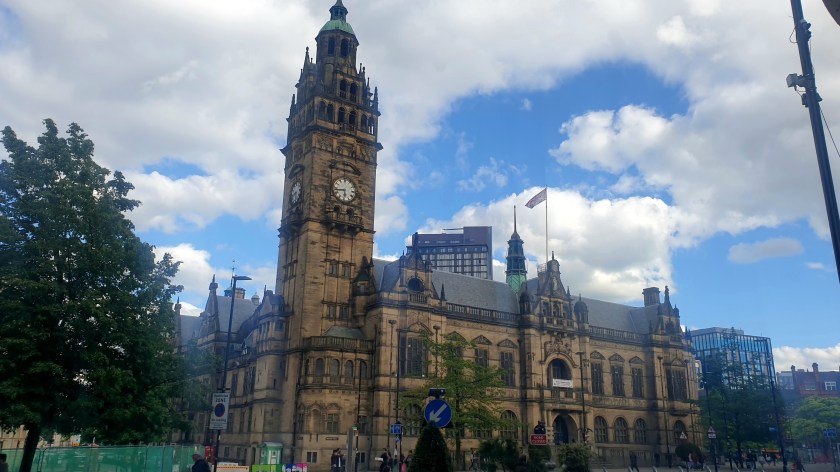
To Sheffield.

Wed 25/5 – Sheffield to Kirby Lonsdale- 215klms

It’s cold and wet so we tog up and head off via some truly great bike roads over Snake Pass.

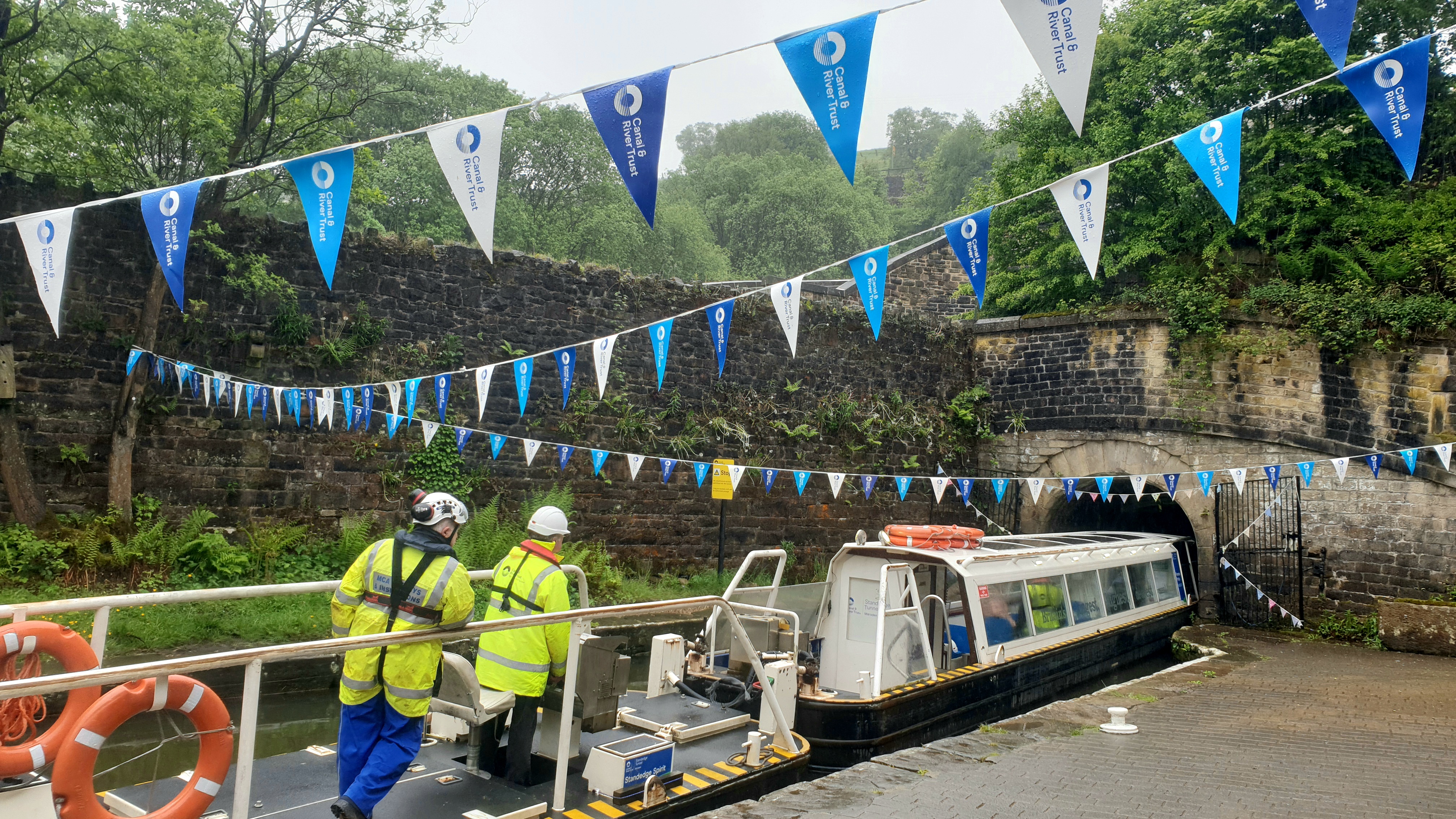
And on to Huddersfield with it’s Standedge Canal Tunnels. Still raining and cold we stopped for a coffee and a rather large piece of Clementine cake – which we shared, thereby halving the calories.

More English lanes and spectacular stone walls. There are thousands of miles of these things, they’re everywhere and in a vast variety of forms.

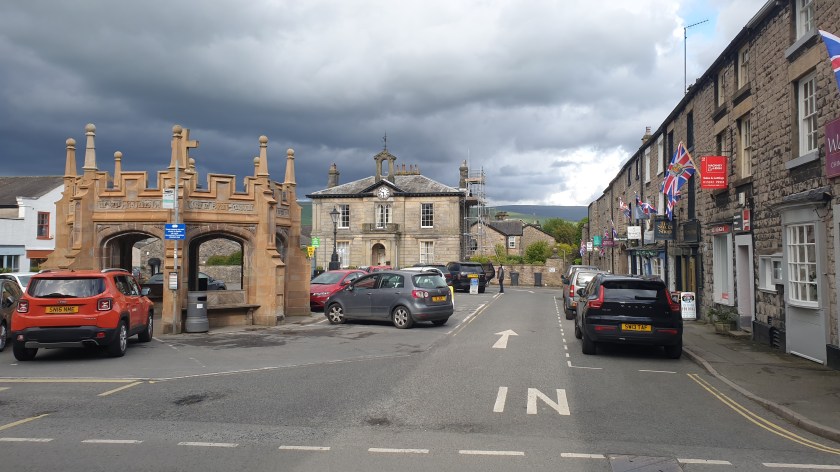
Another bridge. This one at Slaidburn which is very much off the beaten track but a lovely ride through beautifully and interesting countryside.

So Bridges. You’ll possibly notice there seems to be lots of pictures of bridges. That’s because I’ve decided to make bridges a focal point of this trip, for no real reason, just because they’re there and they’re old and lovely and they force us to travel the less travelled byways than highways.

And this is the famous Ribblehead Viaduct.

It’s been a cold and wet day and my pillion in a million is a little weary as we pull into Kirby Lonsdale where we’re staying in a micro apartment for two nights. We plan to travel for 2 days then take a lay day but we’ve just done 4 days on the trot so that’s a big ask of Norma.

Thur 26/5 – Lay Day in Kirby Lonsdale

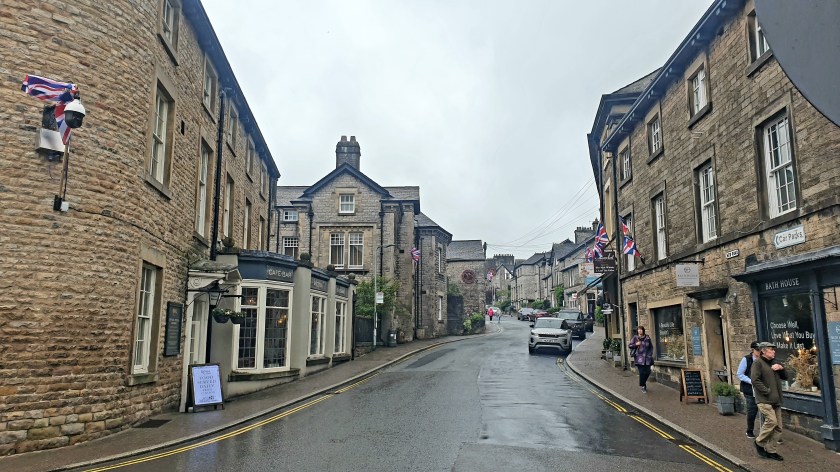
It’s a miserable day and Norma’s going to stay indoors as I head off for a walk around this quaint and very old town.

And the reason for Kirby Lonsdale’s existence is one of the oldest bridges in England crossing the River Lune. This magnificent three-arched bridge, probably dates from the 12th or 13th century and is a popular haunt for motorcycle enthusiasts who congregate at weekends in the adjoining parking area to discuss all things mechanical over a mug of hot chocolate which I can attest as being the best hot chocolate in the world, and only £1.80. Well it certainly was on this cold bleak day.

Fri 27/5 – Kirby Lonsdale to Haltwhistle – 195klms

Today we play cat and mouse with the cold and very windy weather that tried hard to rain, but failed. We head west to Silverdale and then Arnside where the tide is out, waayy out. So on to Newby Bridge .

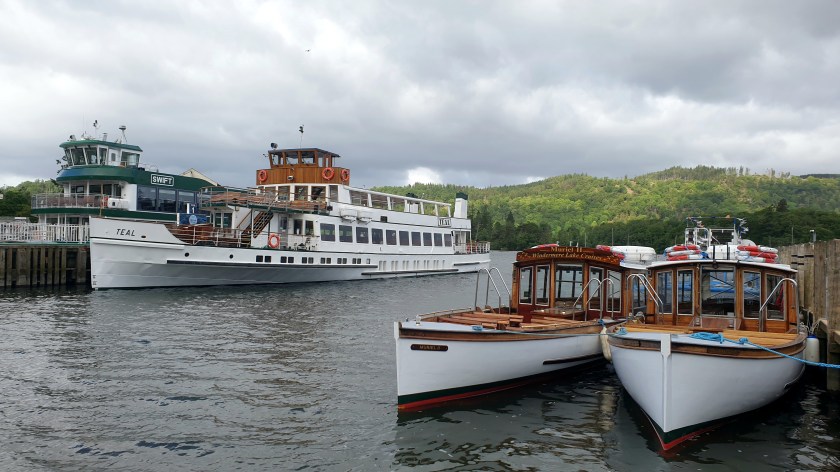
We’d planned on going up the western side of Lake Windermere and taking a ferry across to the eastern shore about half way up. But I suspected said ferry wouldn’t be running as was it’s want on blustery days. So we scooted up the very pretty eastern shoreline of Lake Windermere to Bowness-on-Windermere which is a pleasant lakeside town made famous by the fact that Beatrice Potter abided here at some stage of her life. We checked the ferry and indeed it was AWOL and without notice. There are some truly lovely old lake boats here all plying for the tourist shekel.

On to Ambleside for a stroll.

We took the back road over Kirkstone Pass with its 20% incline, up and over the top in a howling gale.

Down to Glenridding on Ullswater where we stopped and had a brew.

Then we chased some very inviting by roads to Brougham Castle, or what was left of it.

We’re now tracking North East up and over Hartside Pass. What a fantastic road this is as it twists and turns 1600′. It was really blowing as we stopped for a pic.

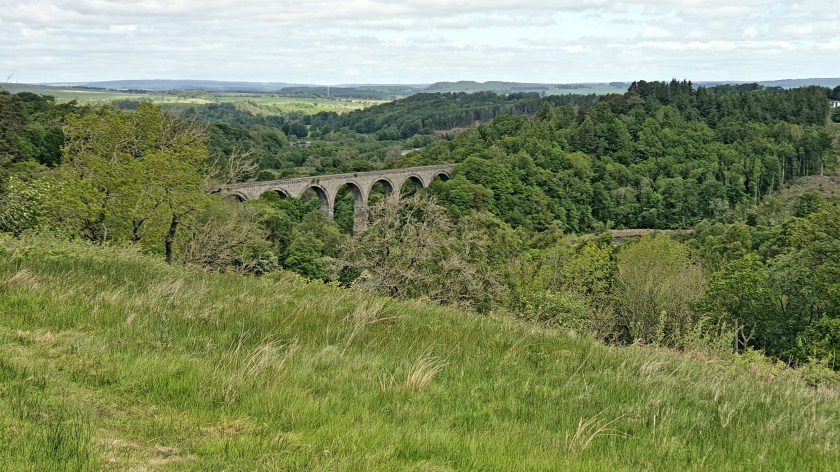
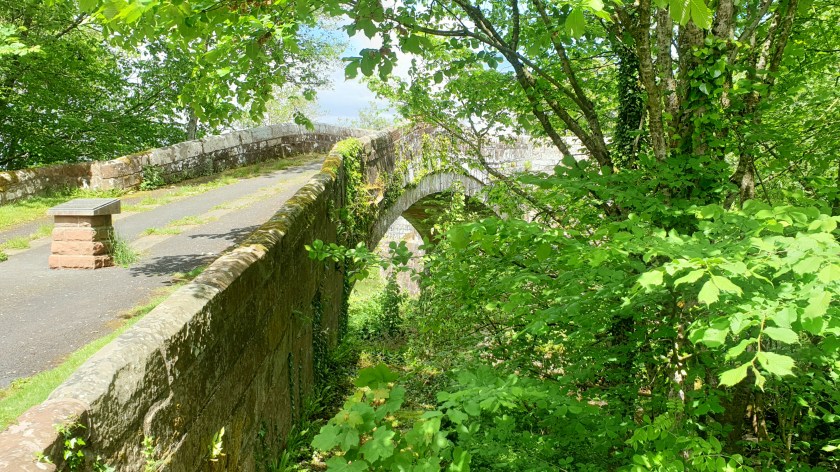
Then it was down and down to Hadrian’s Wall country where we wandered down a little lane for a pic of the old Lambley Viaduct and a very old bridge across the River Irthing.

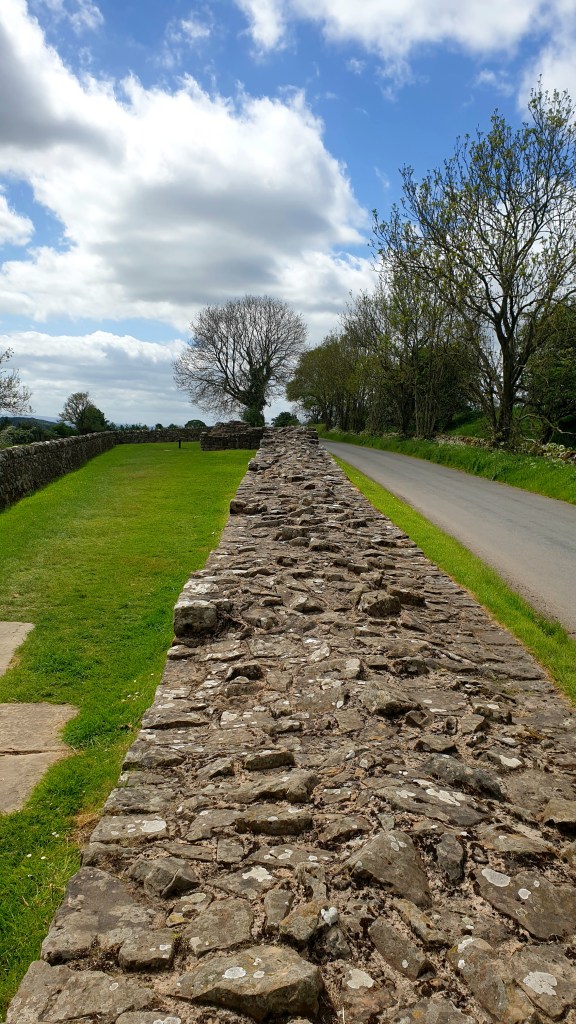
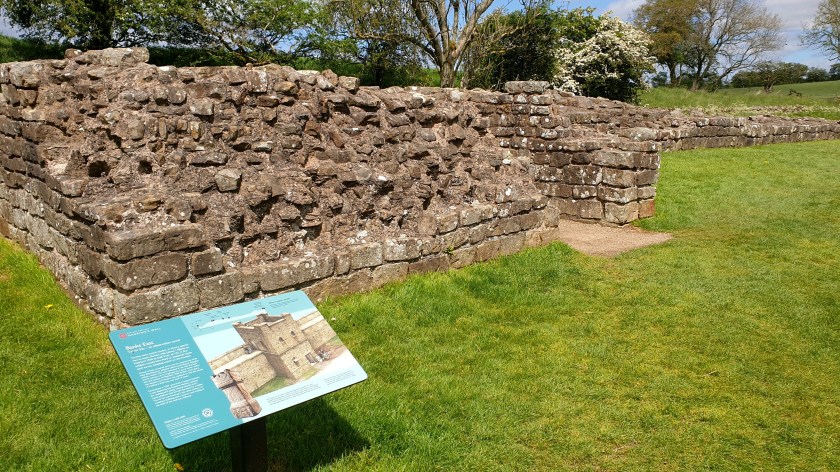
Then it was Hadrian’s Wall, or what’s left of it. We checked out this little bit. The original wall was 73 miles long and must have required a serious amount of labour to complete.

On to Haltwhistle where we stayed in a local pub for the night. The dinner was cheap, plentiful and very nice. Breakfast was huge.

Sat 28/5 – Haltwhistle to Edinburgh – 275klms

Today its into Scotland and we head off through some very remote country, more stone walls, white sheep and roadside streams.

This, out there in the middle of somewhere, I just can’t remember where.

To this magnificent structure – the Leaderfoot Railway Viaduct. How good is that? Flanked by an old road bridge with a lucky bloke living the dream underneath it.

To Twizel Bridge. Regarded as one of the country’s finest medieval bridges spanning the River Till. Its arch is 27m wide and from its completion in 1511 until 1727 was the largest single-span arch in Britain.

Another bridge captured by GoPro. Somewhere on the Scottish Borders.

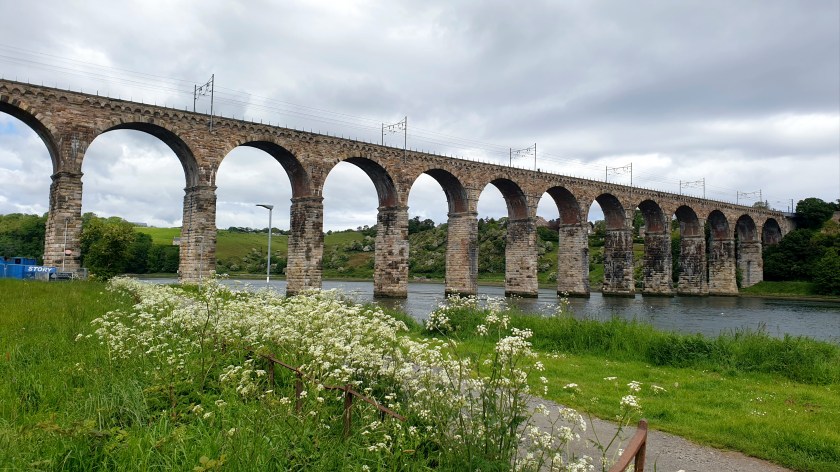
To this beauty, the Royal Borders Bridge at Berwick-upon-Tweed.

We followed the coast north to Exmouth Harbour.

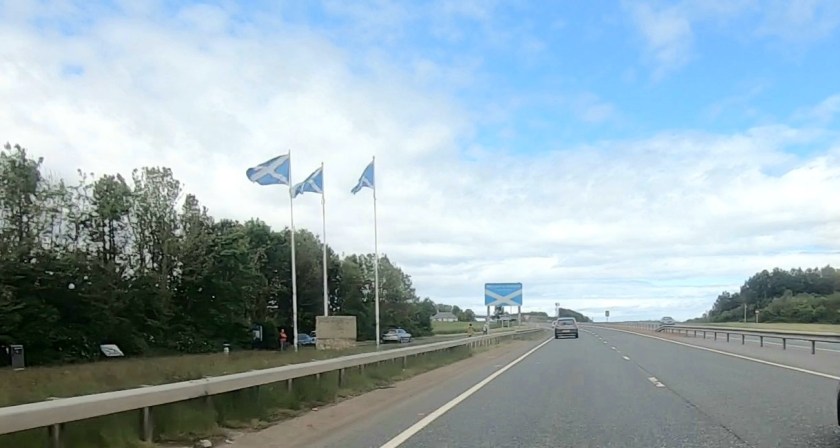
Crossed in to Scotland where everyone talks a different language.

To Edinburgh. A very long day.

Sun 29/5 – Lay Day in Edinburgh

We played tourists. The town was packed.

So tomorrow we head up into the Scottish Highlands. We’re hoping the weather improves, as does the rest of the population, although its not looking promising.

See you next week from the Isle of Skye.

Week 1 – Tourists

Thurs 12 – Sat 21 May

Dorset, London, Felixstowe, London

Leisure Seekers In Dorset

Long distance flying is never pleasant in Cattle Class, although the 787-Dreamliner does have more leg-room than most planes. Melbourne to Darwin for a 90 minute layover then the 18 hours non-stop to London’s Heathrow, arriving at 5.30am to a pleasant enough morning

The adventure begins with multiple train connections to Weymouth in Dorset, arriving at midday, where we have a joyous reunion with my sister Jill and her husband Phil. It’s then back to their beautiful country home to recoup for the day.

Saturday is a lovely late spring day so its off to Weymouth to spend the day on Phil and Jill’s 50′ ‘She Wolf’. It was an easy 15klm run along the coast to the secluded Mupe Bay (at least I think it was Mupe Bay), where we enjoyed the sunshine before heading back to port. That’s a decent boat even if it doesn’t sail.

The next few day were taken up with some sight seeing. Portland Bill and Osmington Mills for lunch.

London & Bike Pick-Up

It’s now Thursday and there’s still no guarantee that the bike will be available for pick up before the weekend, so we catch the trains to Streatham where my cousin Tristan and his lovely family live. Its so good catching up with family you haven’t seen for ages. Thursday afternoon we hear the bike ‘should’ be good to go from midday Friday.

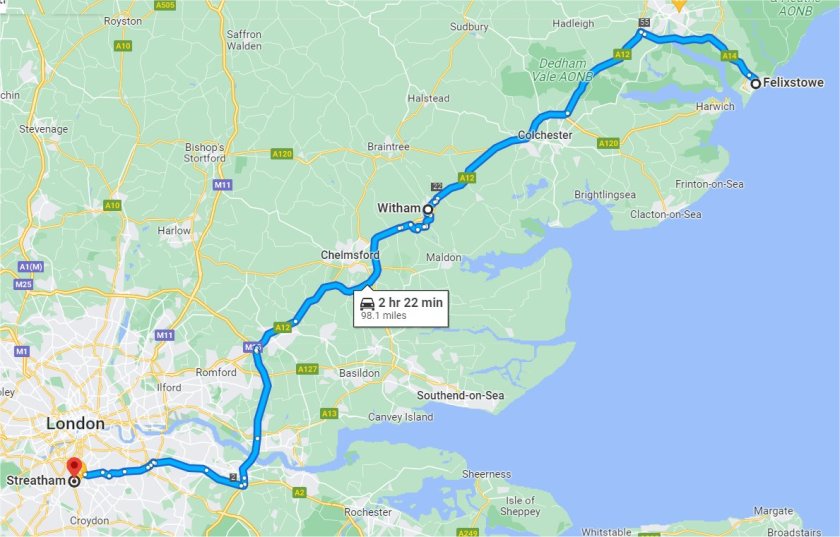
Friday is bleak and threatening rain and still no guarantee we can pick the bike up, but we catch the trains to Felixstowe anyway where indeed we are reunited with our BMW F900XR Tour. It’s a frenetic couple of hours getting on the road. It rains for the first 2 hours of the 100 miles to Tristan’s, which is interesting in a new country and on a fully laden bike that I hadn’t ridden for 3 months. It stopped raining for the last hour’s run through south London in Friday’s peak afternoon traffic but TomTom didn’t let us down.

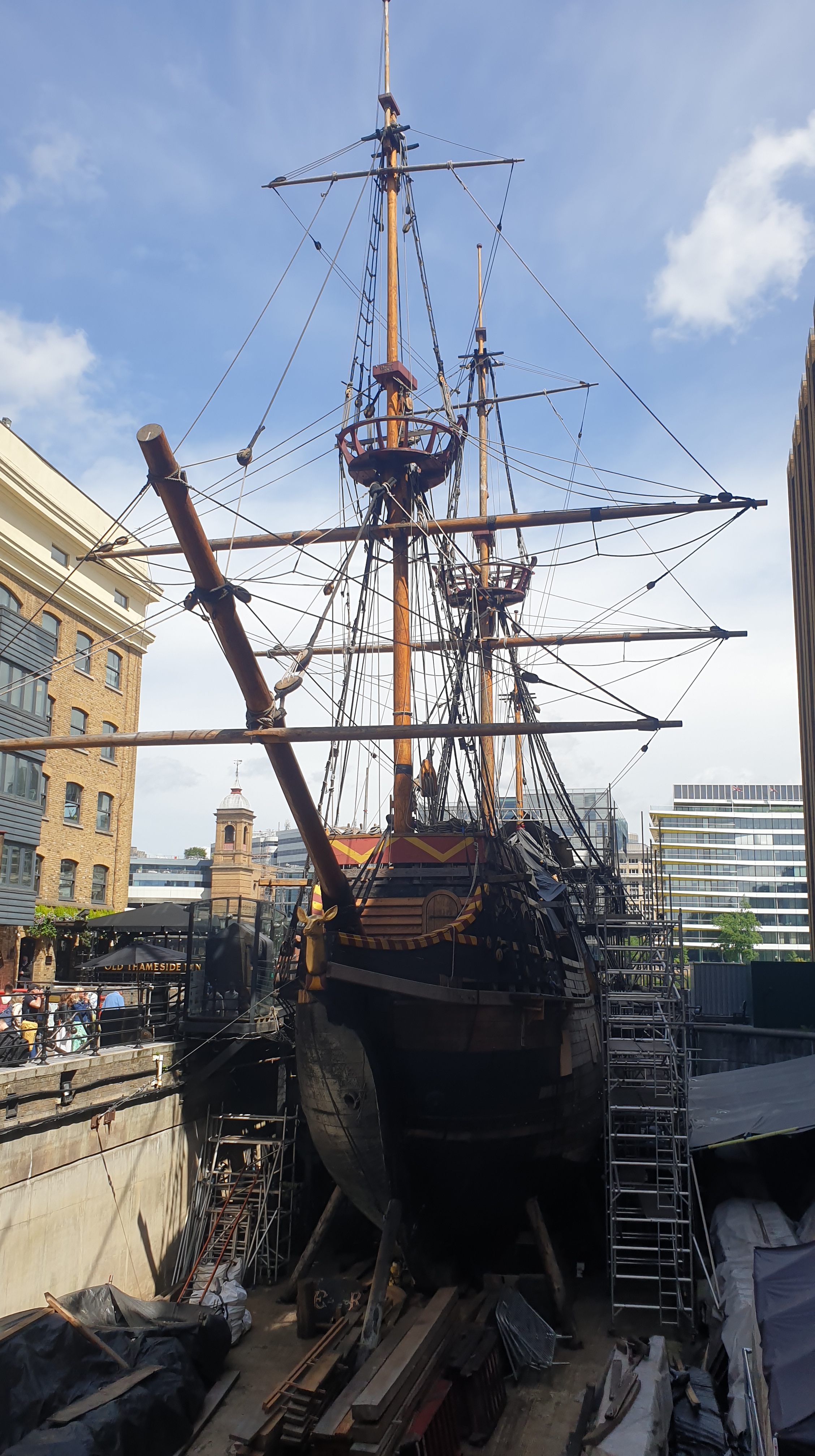
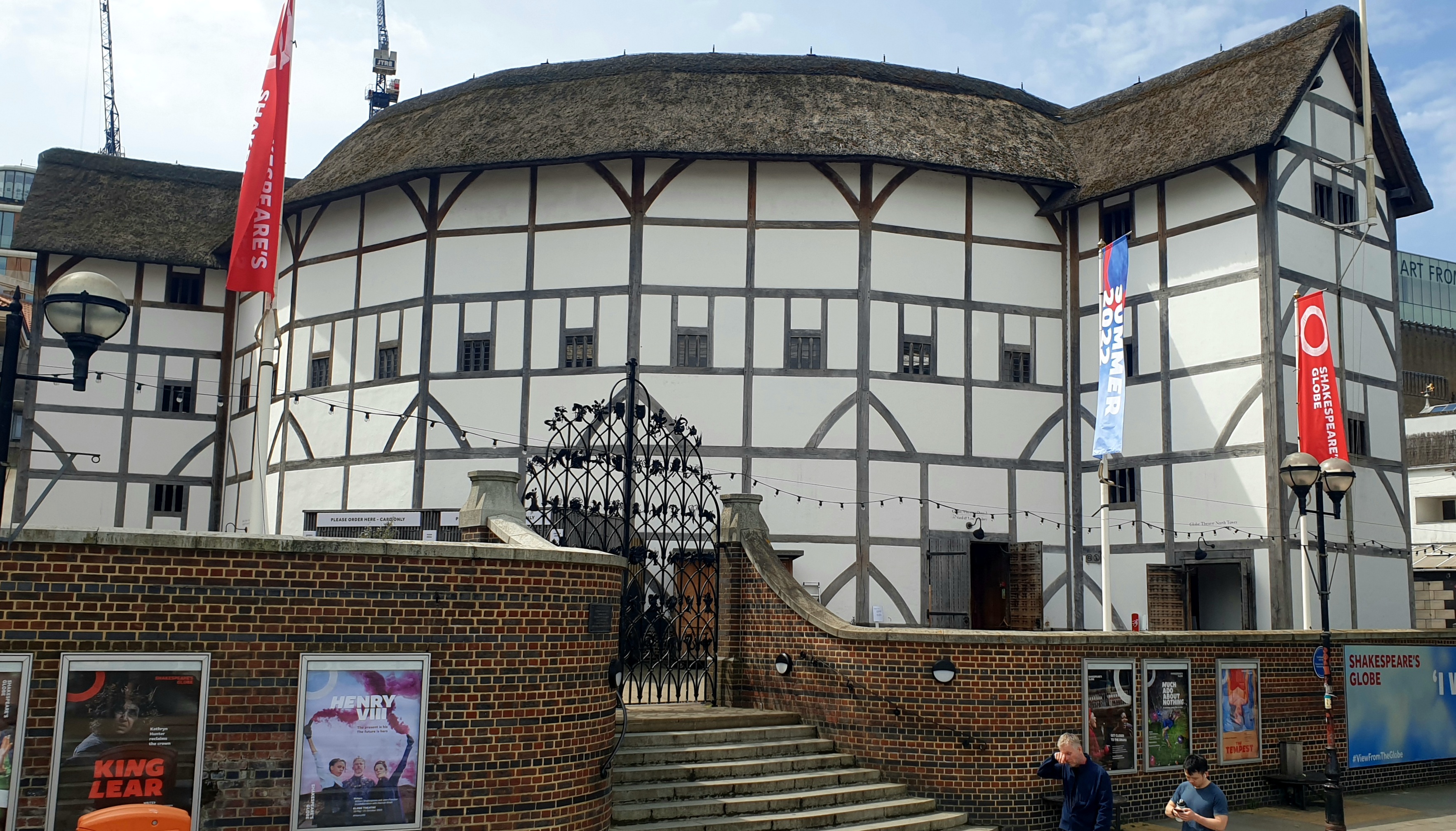
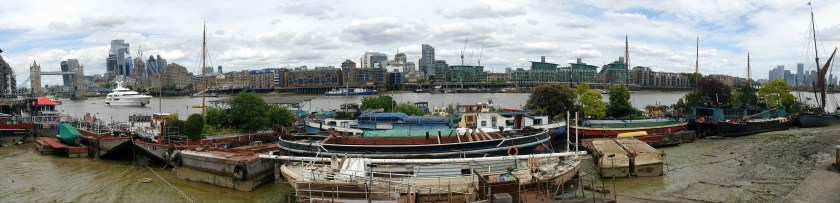
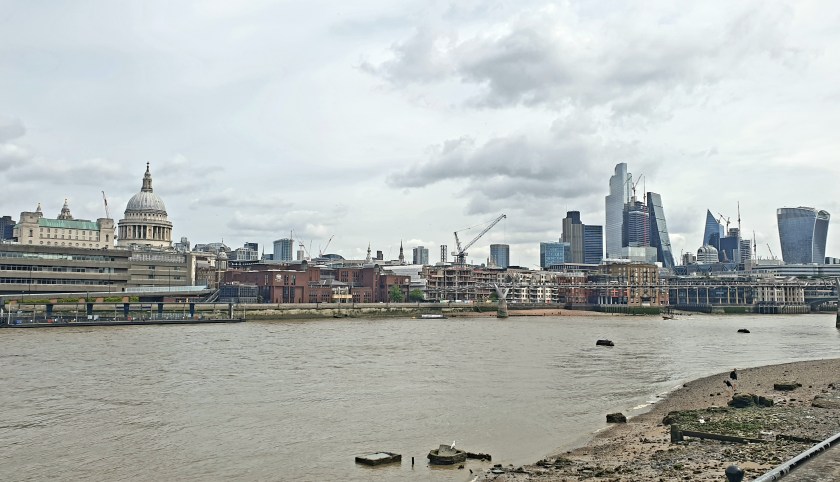
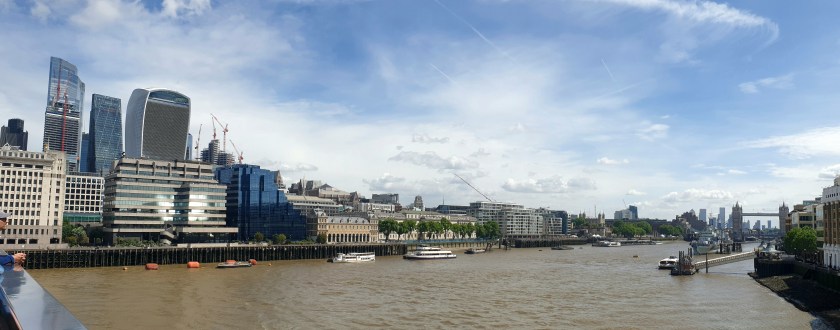
Saturday we played tourists on the South Bank.

So tomorrow, Sunday, we head off on our Journey.

Our Third European Journey

Thurs 12th May to Thurs 8th Sept 2022

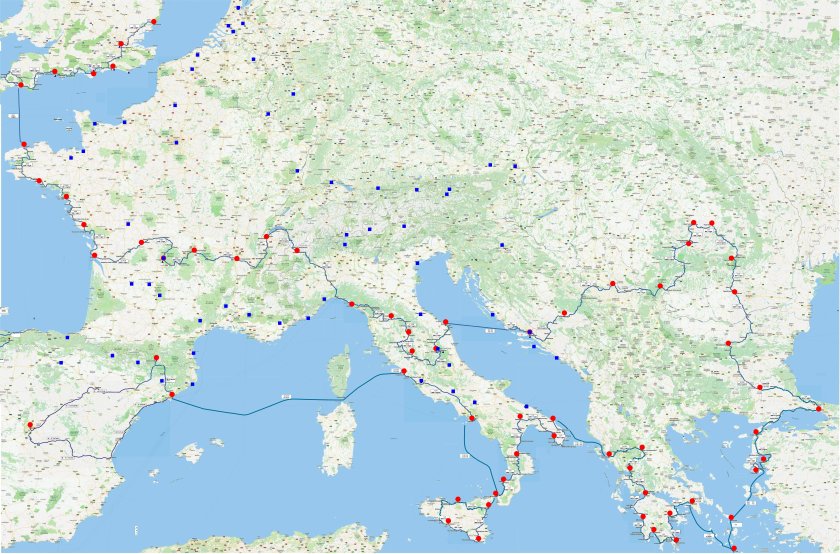
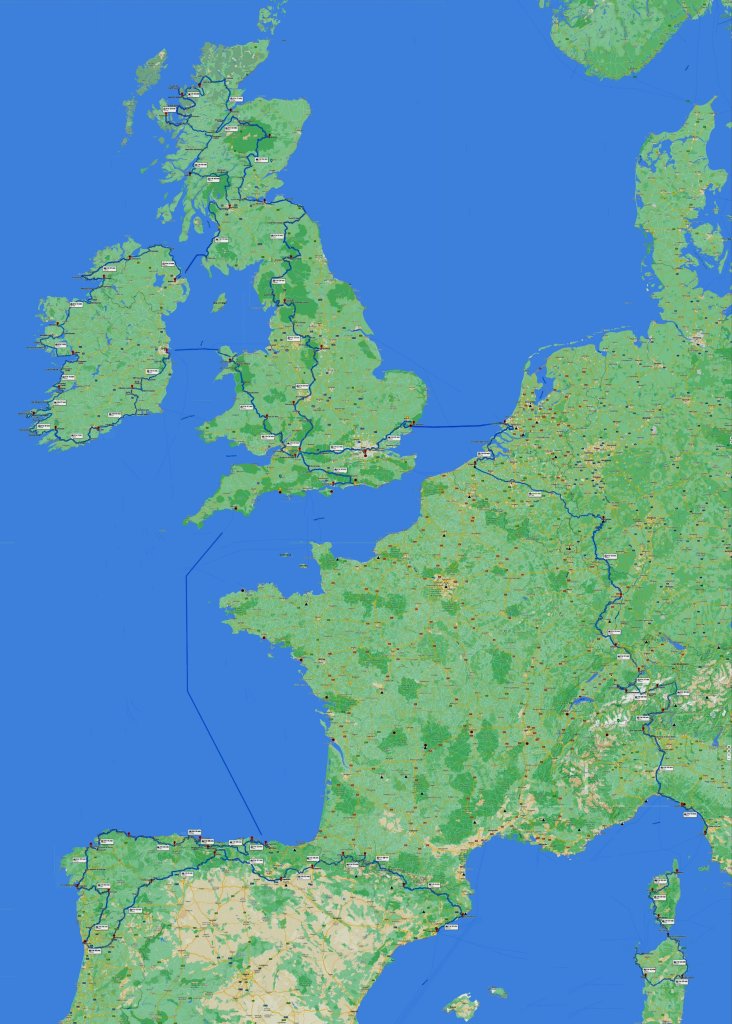
UK & Ireland, Spain & Portugal, Sardinia & Corsica, Italy, Switzerland, France & Belgium

Riding a BMW F900XR Tour. 12,500KLMS in 66 ride days & 52 lay days

This is basically a test and a new Blog Site from our old site at https://lnblackmore.wordpress.com/ because we’d run out of media storage on that blog site.

That’s where you’ll see our previous two trips in 2016 and 2019.

Below is the current plan and a couple of pics of the bike.

I’ll be adding to this in the near future.